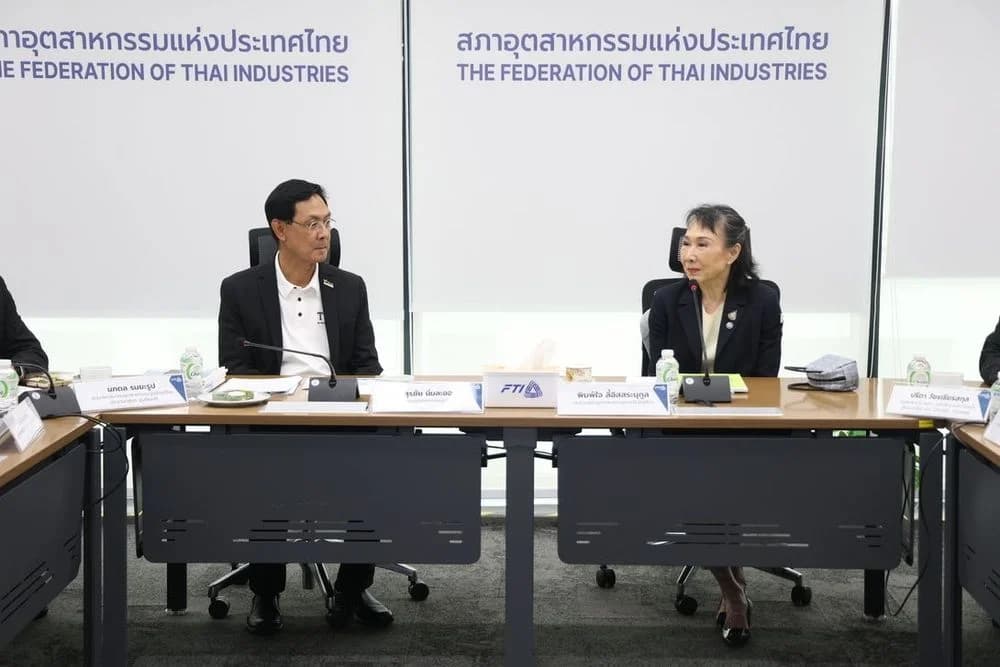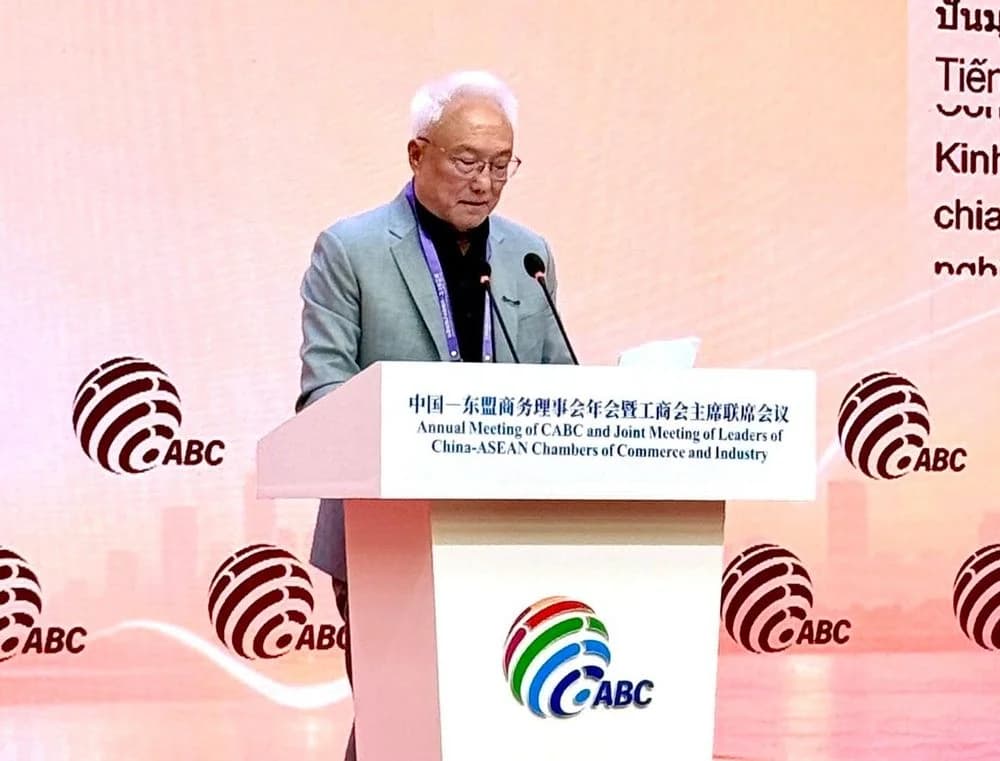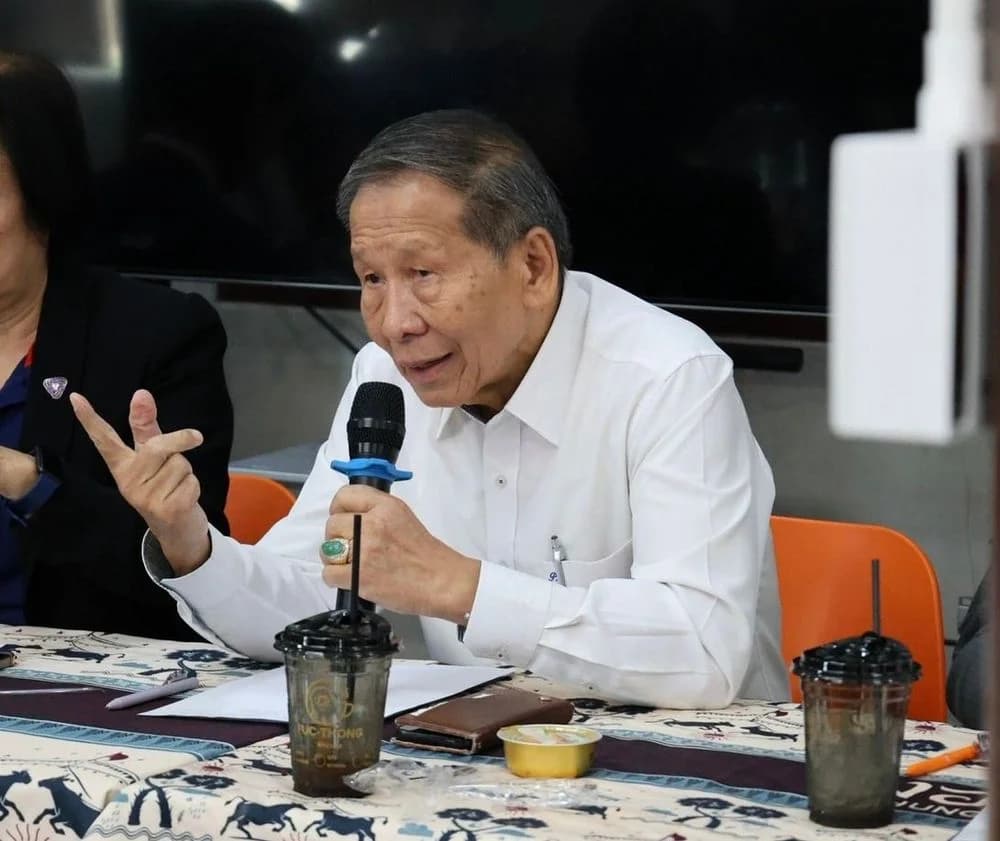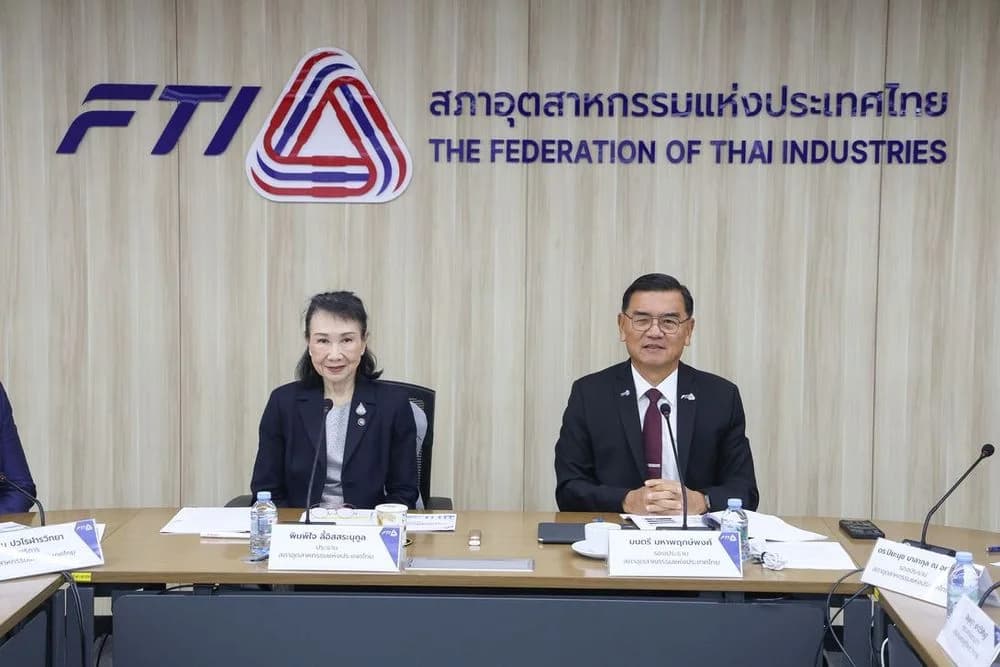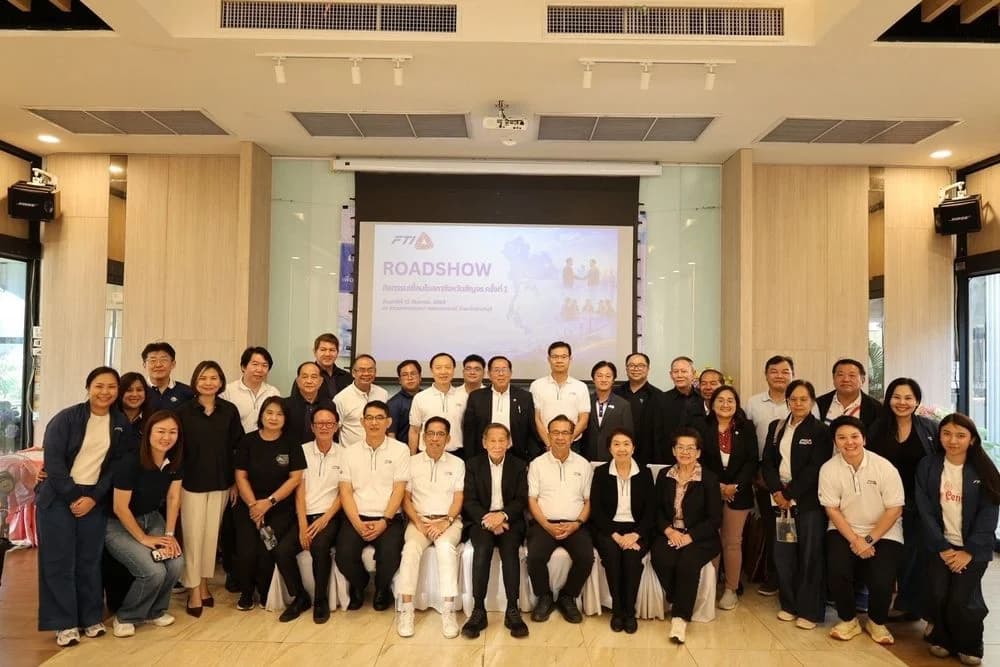

วันพุธที่ 8 มกราคม 2568 นายสนั่น อังอุบลกุล ประธานสภาหอการค้าแห่งประเทศไทย เป็นประธานการประชุมคณะกรรมการร่วมภาคเอกชน 3 สถาบัน (กกร.) โดยมีนายทวี ปิยะพัฒนา รองประธานอาวุโสสภาอุตสาหกรรมแห่งประเทศไทย (ส.อ.ท.) และนายกอบศักดิ์ ดวงดี ผู้แทนสมาคมธนาคารไทย ร่วมในการแถลงข่าว
เศรษฐกิจโลกปี 2568 มีแนวโน้มเติบโตระดับ 3% ท่ามกลางความไม่แน่นอนเชิงนโยบาย เศรษฐกิจโลกปี 2568 จะมีอัตราการเติบโตใกล้เคียงกับปี 2567 โดยมีปัจจัยสนับสนุนจากพัฒนาการด้านเทคโนโลยี และนโยบายการเงินที่ผ่อนคลายลงในช่วงที่ผ่านมา อย่างไรก็ดี มาตรการกีดกันทางการค้าโดยเฉพาะนโยบายขึ้นภาษีนำเข้าของสหรัฐฯต่อจีนเป็น 60% และต่อประเทศอื่นประมาณ 10-20% ตลอดจนมาตรการตอบโต้ของบรรดาประเทศคู่ค้า เป็นความเสี่ยงสำคัญต่อเศรษฐกิจโลก โดยเฉพาะในช่วงครึ่งหลังของปี 2568 เป็นต้นไปที่คาดว่าจะเป็นช่วงเริ่มต้นของมาตรการ นอกจากนี้ ยังต้องติดตามความขัดแย้งด้านภูมิรัฐศาสตร์ที่อาจทำให้ราคาพลังงานในตลาดโลกปรับตัวสูงขึ้น รวมถึงความผันผวนของตลาดเงินและตลาดทุนจากความไม่แน่นอนของนโยบายการเงินสหรัฐฯ
เศรษฐกิจไทยปี 2568 มีแนวโน้มขยายตัวได้ที่ 2.4-2.9% ขณะที่การส่งออกในปี 2568 จะขยายตัว 1.5-2.5% ซึ่งต่ำกว่าปี 2567 ส่วนอัตราเงินเฟ้อมีแนวโน้มอยู่ในระดับต่ำที่ 0.8-1.2% โดยเศรษฐกิจไทยยังอาศัยภาคการท่องเที่ยวเป็นเครื่องยนต์หลัก จำนวนนักท่องเที่ยวต่างชาติจะเพิ่มขึ้นเป็น 39.0 ล้านคน ประกอบกับมาตรการของภาครัฐที่จะทยอยในช่วงครึ่งแรกของปี ทั้งการกระตุ้นเศรษฐกิจเฟส2 และเฟส3 รวมถึงมาตรการ Easy E-Receipt อย่างไรก็ดี จีดีพีไทยยังเติบโตต่ำกว่าศักยภาพ จากปัญหาเชิงโครงสร้าง เช่น หนี้ครัวเรือนที่สูงถึง 104% ของจีดีพีเมื่อรวมหนี้นอกระบบ เศรษฐกิจนอกระบบที่มีสัดส่วนถึงเกือบครึ่งหนึ่งของจีดีพี และธุรกิจ SME ขาดความสามารถในการปรับตัวและการแข่งขัน ที่จะรับมือกับการตีตลาดของสินค้านำเข้าทั้งตลาดในประเทศและตลาดส่งออก จึงจำเป็นต้องให้ความสำคัญกับการปรับโครงสร้างเศรษฐกิจไทย อาทิ ผันเศรษฐกิจเข้าสู่ในระบบ เพิ่มศักยภาพในการแข่งขันให้กับผู้ประกอบการและก้าวทันกระแสโลกและลดอุปสรรคในการทำธุรกิจ ดึงดูดการลงทุนจากต่างประเทศ แก้ไขปัญหาหนี้ครัวเรือนอย่างเป็นระบบ และเติมเครื่องมือให้ SME ปรับตัวได้ เป็นต้น
กรอบประมาณการเศรษฐกิจปี 2568 ของ กกร.
(ณ ธ.ค. 67) ปี 2567
GDP 2.8
ส่งออก 4.0
เงินเฟ้อ 0.4*
(ณ ม.ค. 68) ปี 2568
GDP 2.4 ถึง 2.9
ส่งออก 1.5 ถึง 2.5
เงินเฟ้อ 0.8 ถึง 1.2
หมายเหตุ: *เลขจริง
ที่ประชุม กกร.เห็นว่าเศรษฐกิจในช่วงครึ่งปีแรกมีโมเมนตัมและเติบโตได้ดีจากมาตรการของภาครัฐที่จะทยอยในช่วงครึ่งแรกของปี ขณะที่ในช่วงครึ่งปีหลังยังมีความจำเป็นที่ภาครัฐและภาคเอกชนต้องมีความร่วมมือในการขับเคลื่อนเศรษฐกิจเพื่อรับมือกับความผันผวนของเศรษฐกิจเพิ่มเติม รวมทั้งมีมาตรการยกระดับรายได้ และ Safety Net ของครัวเรือนอย่างเป็นระบบ สอดรับกับมาตรการ “คุณสู้ เราช่วย” ซึ่งจะช่วยเพิ่มความสามารถในการชำระหนี้ได้อย่างยั่งยืน
หนี้นอกระบบในประเทศไทยเป็นปัญหาสำคัญและมีความซับซ้อน จากการสำรวจโดยคณะเศรษฐศาสตร์ จุฬาลงกรณ์มหาวิทยาลัย พบว่า หนี้นอกระบบเฉลี่ยต่อครัวเรือนอยู่ที่ประมาณ 98,538 บาท หรือราว 13% ต่อจีดีพี ซึ่งทำให้หนี้ครัวเรือนในภาพรวมอยู่ที่ 104% ต่อจีดีพี โดยร้อยละ 40 ของครัวเรือนที่มีหนี้นอกระบบมีบทบาทเป็นทั้งเจ้าหนี้และลูกหนี้ในเครือข่ายเดียวกัน ซึ่งอาจนำไปสู่ปัญหาลูกโซ่ที่ส่งผลกระทบต่อระบบเศรษฐกิจโดยรวม หนี้นอกระบบยังมีบทบาทสำคัญในฐานะแหล่งเงินทุนฉุกเฉินสำหรับการดำรงชีวิต การประกอบอาชีพ และการจัดการกับปัญหาทางการเงินเฉพาะหน้า นอกจากนี้ 30% ของครัวเรือนที่มีรายได้จากเศรษฐกิจในระบบ ยังต้องพึ่งพาหนี้นอกระบบ จึงจำเป็นต้องแก้ปัญหาอย่างเหมาะสม โดยเน้นการใช้เทคโนโลยีดิจิทัล เช่น การสร้างฐานข้อมูลลูกหนี้ เพื่อเพิ่มโอกาสการเข้าถึงแหล่งเงินในระบบ และสร้างความโปร่งใสในการจัดการปัญหาในระยะยาว เพื่อยกระดับคุณภาพชีวิตของประชาชน และสร้างความมั่นคงทางเศรษฐกิจในภาพรวมได้อย่างยั่งยืน
ที่ประชุม กกร. มีความกังวลต่อแนวโน้มการค้าโลกที่คาดว่าจะมีผันผวนจากนโยบายการค้าของประเทศเศรษฐกิจหลัก ซึ่งอาจส่งผลให้มีการทะลักเข้ามาของสินค้าจากต่างประเทศเพิ่มมากขึ้น ดังนั้นภาครัฐจึงควรเร่งใช้มาตรการอื่นภายใต้ พ.ร.บ.การตอบโต้การทุ่มตลาดและการอุดหนุนซึ่งสินค้าจากต่างประเทศ พ.ศ. 2542 และ พ.ร.บ.มาตรการปกป้องจากการนำเข้าสินค้าที่เพิ่มขึ้น พ.ศ. 2550 อาทิ มาตรการตอบโต้การอุดหนุน (Countervailing Duty : CVD) การตอบโต้การหลบเลี่ยงมาตรการตอบโต้การทุ่มตลาดและการอุดหนุน (Anti-circumvention: AC) และมาตรการปกป้องการนำเข้าสินค้าที่เพิ่มขึ้น (Safeguard Measure: SG) เพื่อให้การปกป้องผู้ประกอบการในประเทศเป็นไปอย่างมีประสิทธิภาพและสอดคล้องกับสถานการณ์ รวมทั้งควรพิจารณาปรับลดกรอบระยะเวลาการไต่สวน ลดขั้นตอนการปฏิบัติ รวมทั้งให้ความสำคัญกับทบาทของภาครัฐในการทำหน้าที่ยื่นเสนอแทนภาคเอกชน เพื่อให้การป้องกันสินค้าทุ่มตลาดเป็นไปอย่างรวดเร็วยิ่งขึ้น ภายใต้หลักการ Free & Fair ที่ส่งเสริมการค้าอย่างเสรีและเป็นธรรมกับทุกฝ่าย
On Wednesday, January 8, 2025, Mr. Sanan Angubolkul, Chairman of the Thai Chamber of Commerce, presided over the meeting of the Joint Private Sector Committee of the three institutions (JBC). The meeting was attended by Mr. Tawee Piyapathana, Senior Vice Chairman of the Federation of Thai Industries (FTI), and Mr. Kob Sak Duangdee, a representative of the Thai Banking Association, who participated in the press conference.
In 2025, the global economy is expected to grow at around 3% amidst policy uncertainties. The growth rate for the global economy in 2025 is projected to be similar to that of 2024, supported by advancements in technology and a more accommodative monetary policy in the past. However, trade barriers, particularly the increase of tariffs imposed by the United States on China up to 60% and on other countries by approximately 10-20%, alongside retaliatory measures from trade partner countries, pose significant risks to the global economy, especially in the latter half of 2025 onwards, which is expected to mark the onset of these measures. Additionally, geopolitical conflicts may lead to higher energy prices in the global market, alongside market volatility due to uncertainties in U.S. monetary policy.
The Thai economy in 2025 is projected to expand by 2.4-2.9%, while exports are expected to grow by 1.5-2.5%, which is lower than in 2024. The inflation rate is anticipated to remain low at 0.8-1.2%. The Thai economy continues to rely on the tourism sector as its main engine, with the number of foreign tourists increasing to 39 million. This growth is supported by government measures gradually implemented during the first half of the year, including the Phase 2 and Phase 3 economic stimulus plans and the Easy E-Receipt measure. Nonetheless, Thailand's GDP growth continues to fall below potential due to structural issues, such as high household debt reaching 104% of GDP when including informal debt, the informal economy comprising nearly half of GDP, and SMEs lacking the capacity for adaptation and competitiveness to respond to competition from both domestic and export markets. Hence, it is essential to focus on restructuring the Thai economy, such as transitioning the economy into the formal sector, enhancing the competitiveness of entrepreneurs to keep pace with global trends, reducing business obstacles, attracting foreign investment, systematically addressing household debt issues, and equipping SMEs to adapt effectively.
Economic projections for 2025 by the JBC:
(as of December 2024) 2024
GDP 2.8
Exports 4.0
Inflation 0.4*
(as of January 2025) 2025
GDP 2.4 to 2.9
Exports 1.5 to 2.5
Inflation 0.8 to 1.2
Note: *Actual figure
The JBC meeting recognized that the economy in the first half of the year maintains momentum and can grow well due to government measures being gradually implemented during the year’s first half. Meanwhile, in the second half of the year, close cooperation between the government and the private sector is necessary to drive economic growth to cope with further economic volatility, including systematic measures to enhance household income and safety nets, aligned with the “You Fight, We Help” initiative, which will assist in enhancing debt repayment capabilities sustainably.
Informal debt in Thailand is a significant and complex issue. A survey by the Economics Department of Chulalongkorn University found that the average informal debt per household is approximately 98,538 baht, or about 13% of GDP, leading to an overall household debt level of 104% of GDP. Approximately 40% of households with informal debt serve as both creditors and debtors within the same network, potentially leading to a chain reaction affecting the overall economy. Informal debt also plays a critical role as a source of emergency funds for daily living, business operations, and managing immediate financial issues. Furthermore, 30% of households with income from the formal economy still depend on informal debt. Therefore, addressing this issue appropriately is necessary, focusing on the use of digital technology, such as creating debtor databases, to improve access to formal financial sources and ensure transparency in long-term issues, ultimately enhancing the quality of life for citizens and establishing long-term economic stability.
The JBC expressed concern about the global trade trends expected to fluctuate due to trade policies from major economies, which may lead to an influx of goods from abroad. Thus, it is essential for the government to accelerate the use of other measures under the Act on Anti-Dumping and Subsidization of Imported Goods B.E. 2542 (1999) and the Act on Safeguard Measures for Increased Imports B.E. 2550 (2007), including Countervailing Duties (CVD), anti-circumvention measures, and Safeguard Measures (SG) to ensure effective protection for domestic operators that aligns with the circumstances. Additionally, it should consider reducing the investigation timeframe, simplifying procedures, and emphasizing the government's role in representing the private sector to facilitate faster responses to anti-dumping measures under the principles of promoting free and fair trade for all parties involved.