
ส.อ.ท. เดินหน้ารับฟังเสียงผู้ประกอบการเพชรบุรี–ประจวบคีรีขันธ์ พบ 7 โจทย์สำคัญ ตั้งแต่การพัฒนากำลังคน การเข้าถึงสิทธิประโยชน์และเทคโนโลยี ต้นทุนพลังงาน ไปจนถึงกฎระเบียบและผังเมือง พร้อมนำข้อเสนอจากพื้นที่เชื่อมต่อสู่กลไกส่วนกลางเพื่อผลักดันการแก้ไขอย่างเป็นรูปธรรม
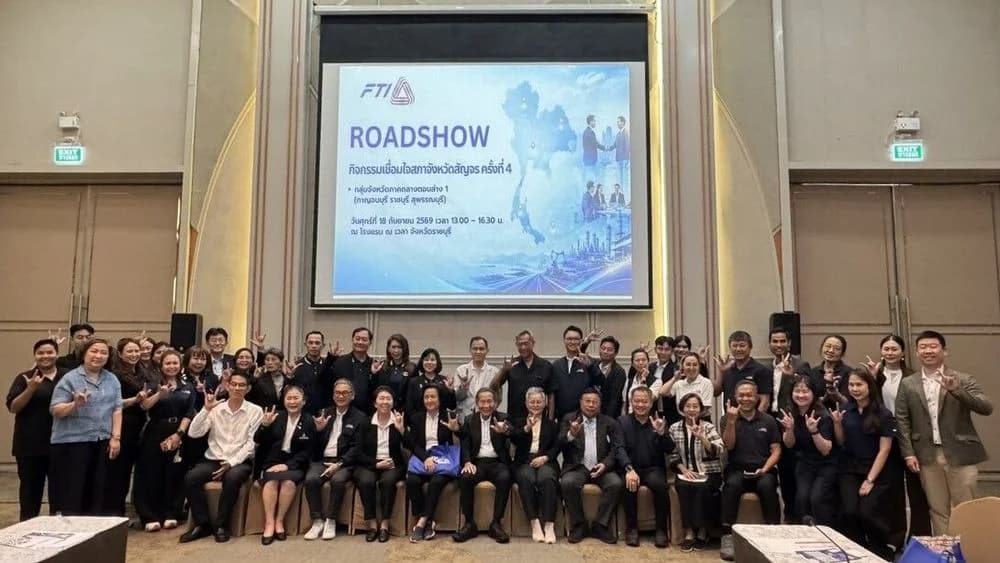
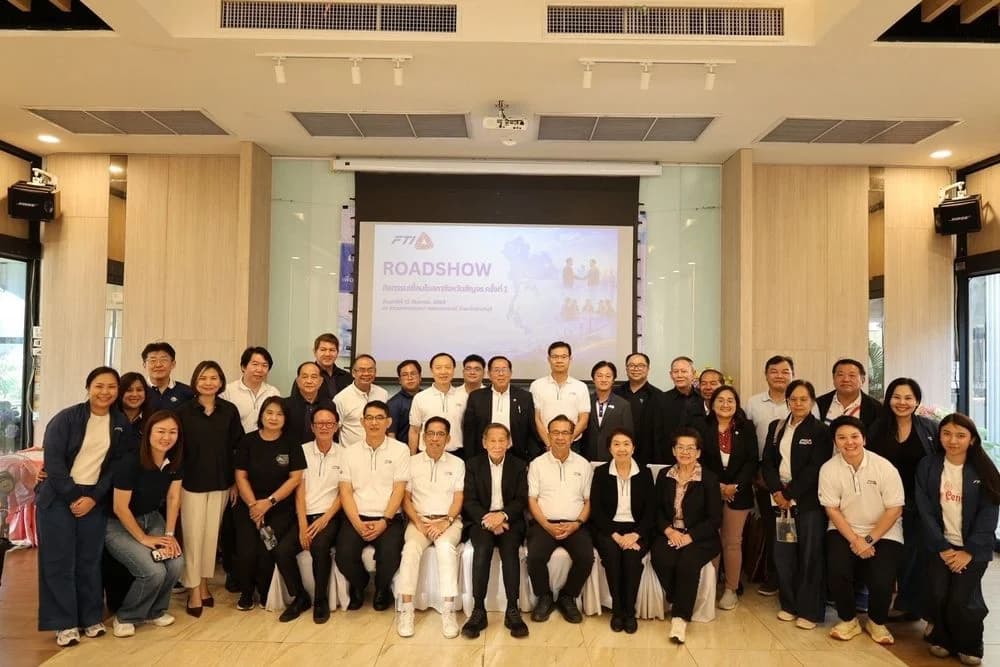
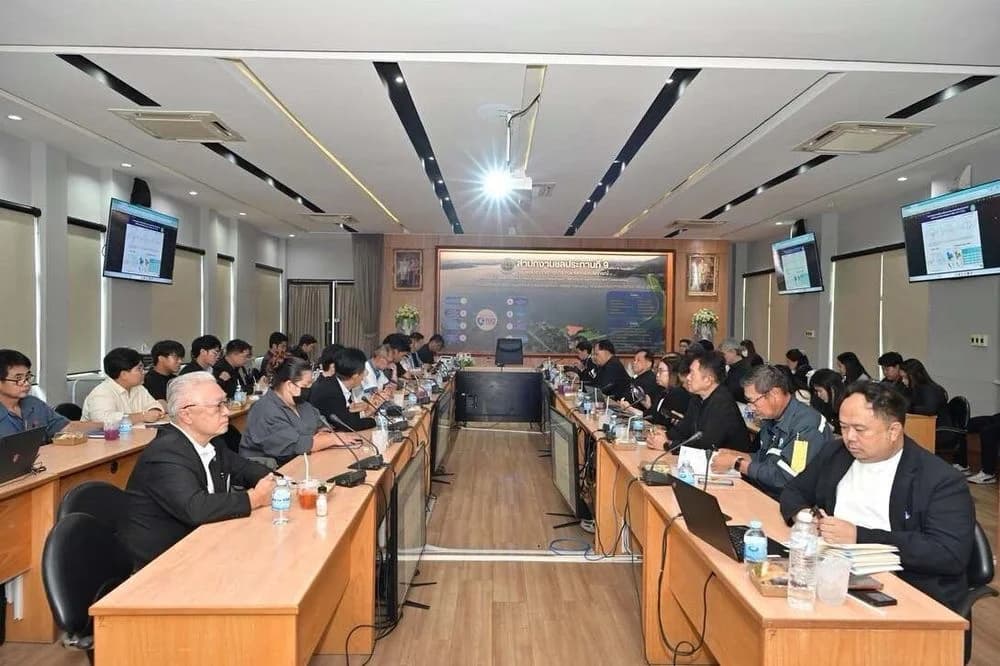
เมื่อวันที่ 17 กันยายน 2569 สายงานส่งเสริมและสนับสนุนสภาอุตสาหกรรมจังหวัด เดินหน้ากิจกรรม Roadshow “เชื่อมใจสภาจังหวัดสัญจร” ครั้งที่ 3 ลงพื้นที่รับฟังเสียงผู้ประกอบการและสภาอุตสาหกรรมจังหวัดในกลุ่มจังหวัดภาคกลางตอนล่าง 2 ได้แก่ จังหวัดเพชรบุรี และจังหวัดประจวบคีรีขันธ์ ณ บริษัท เพชรบุรี ไทยดีเสิร์ท จำกัด จังหวัดเพชรบุรี และบริษัท เนเชอรัล ฟรุต จำกัด จังหวัดประจวบคีรีขันธ์
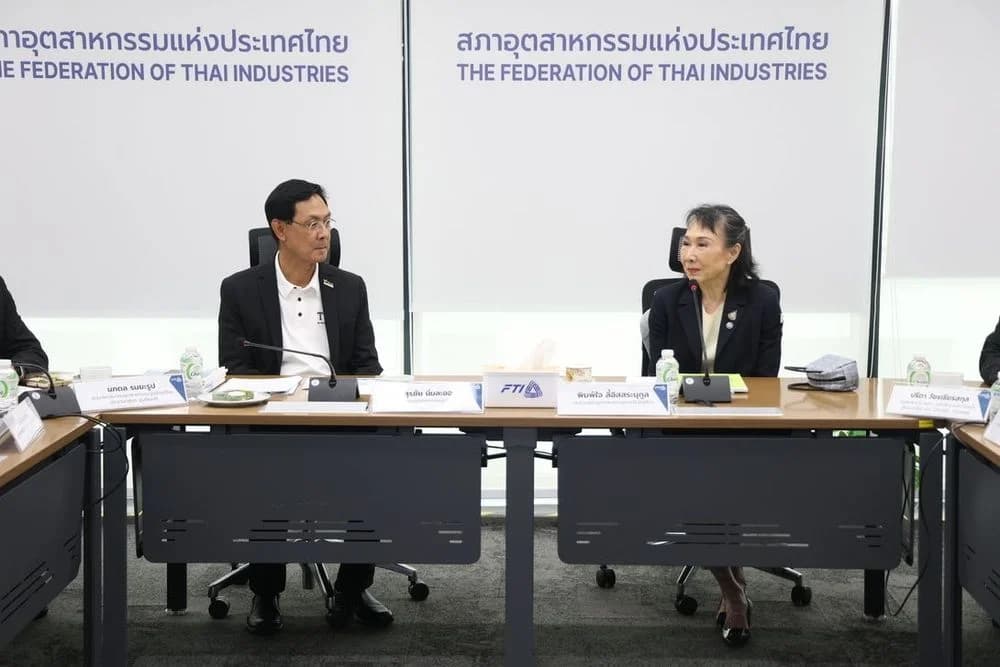
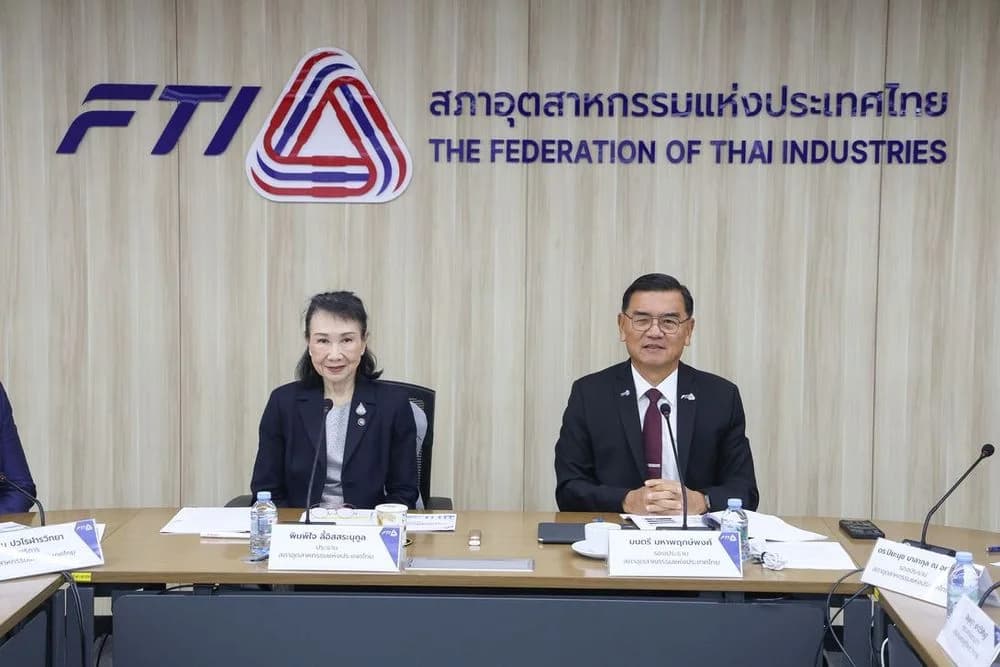
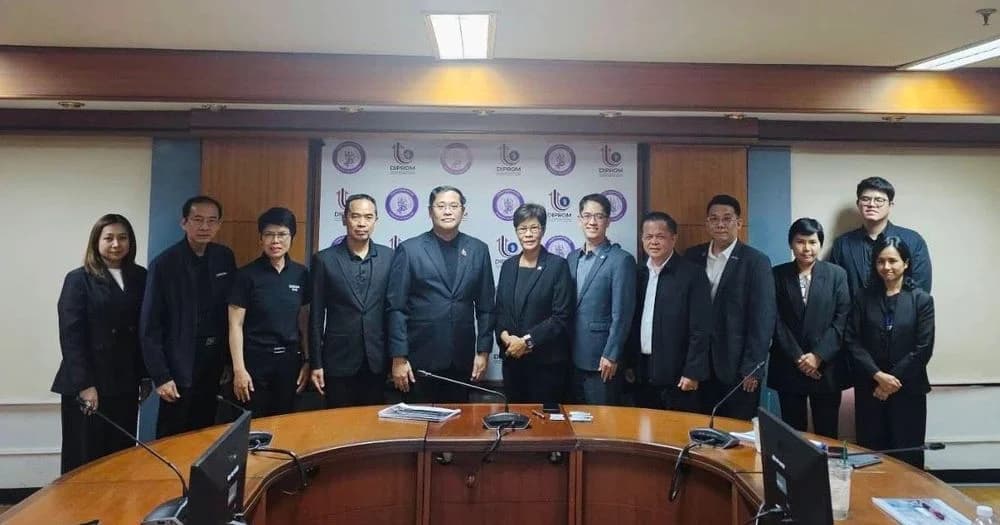
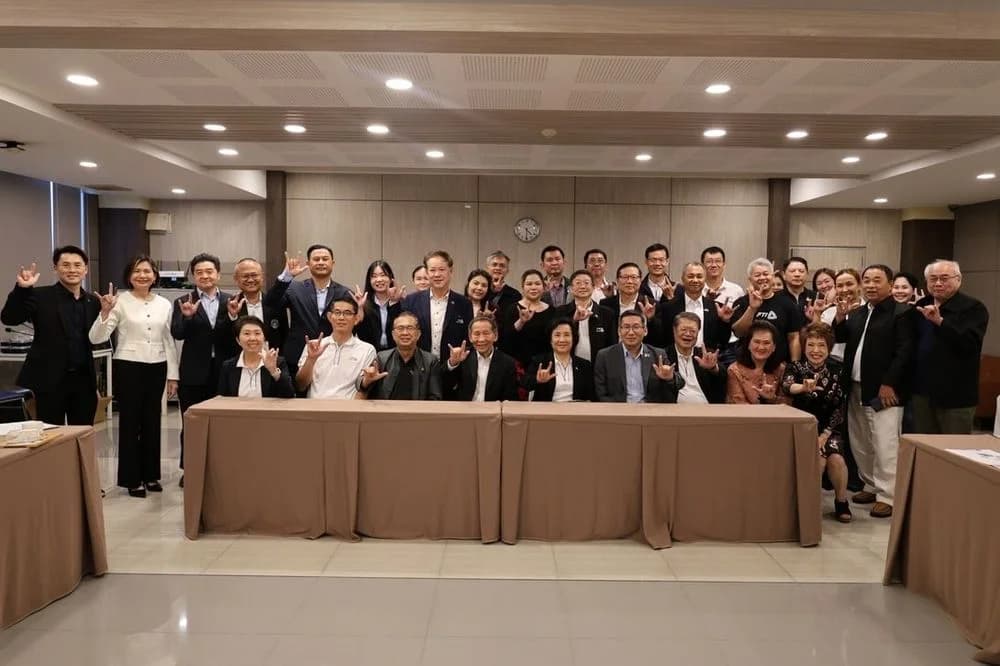
กิจกรรมครั้งนี้นำโดยนายไพรัตน์ เอื้อชูยศ รองประธานสภาอุตสาหกรรมแห่งประเทศไทย (ส.อ.ท.) และประธานสายงานส่งเสริมและสนับสนุนสภาอุตสาหกรรมจังหวัด พร้อมด้วยคณะผู้บริหาร ส.อ.ท. ได้แก่ นายศาณิต เกษสุวรรณ นางเบญจมาศ สมบูรณ์ รองประธาน ส.อ.ท. นายณฐกร โซ่จินดามณี รองเลขาธิการ ส.อ.ท. และเลขาธิการสายงานจังหวัด นางสาวปภาวี สุธาวิวัฒน์ ประธานสภาอุตสาหกรรมภาคกลาง และนายเจริญชัย เฉลียวเกรียงไกร เลขาธิการสภาอุตสาหกรรมภาคกลาง พร้อมด้วยทีมงานจากสถาบันรหัสสากล และสายงานมาตรฐานอุตสาหกรรมและศักยภาพ ส.อ.ท. ร่วมให้ข้อมูลเกี่ยวกับการให้บริการของหน่วยงาน เพื่อให้คณะกรรมการและสมาชิกได้รับทราบข้อมูล พร้อมทั้งสร้างความเข้าใจเกี่ยวกับบริการต่าง ๆ พร้อมกันนี้ มีประธาน กรรมการ และสมาชิกสภาอุตสาหกรรมจังหวัดจาก 2 จังหวัด ได้แก่ เพชรบุรี และประจวบคีรีขันธ์ เข้าร่วมแลกเปลี่ยนความคิดเห็นด้วย
กิจกรรมครั้งนี้ มุ่งเชื่อมการทำงานระหว่าง ส.อ.ท. ส่วนกลางกับสภาอุตสาหกรรมจังหวัด ผ่านการรับฟังปัญหา อุปสรรค และข้อเสนอจากผู้ประกอบการในพื้นที่ เพื่อนำข้อมูลมาพัฒนาแนวทางสนับสนุนให้ตรงกับความต้องการของแต่ละจังหวัด พร้อมเสริมศักยภาพสภาอุตสาหกรรมจังหวัดให้เป็นกลไกสำคัญในการเชื่อมโยงและผลักดันประเด็นเศรษฐกิจและอุตสาหกรรมจากระดับพื้นที่สู่ส่วนกลาง
จากการหารือใน 2 จังหวัด พบ 7 โจทย์สำคัญ ครอบคลุมตั้งแต่การสร้างความเชื่อมั่นและนำผู้ประกอบการเข้าสู่ระบบ การพัฒนากำลังคน การเข้าถึงสิทธิประโยชน์และเทคโนโลยี การลดต้นทุนพลังงาน ตลอดจนการปลดล็อกกฎระเบียบ ผังเมือง และพื้นที่ลงทุน
[เพชรบุรี ชู 4 ประเด็น “สร้างความเชื่อมั่น–ดึงธุรกิจเข้าสู่ระบบ–สร้างคน–ปลดล็อกพื้นที่”]
จังหวัดเพชรบุรีสะท้อน 4 ประเด็นสำคัญที่ต้องเชื่อมการทำงานระหว่างภาคธุรกิจ ภาครัฐ สถานศึกษา และชุมชน ได้แก่
1. สร้างความเชื่อมั่นและดึงธุรกิจเข้าสู่ระบบ
เสนอให้เชื่อมความร่วมมือระหว่างภาคอุตสาหกรรม ภาครัฐ และชุมชน ควบคู่กับการส่งเสริมมาตรฐานด้านสิ่งแวดล้อมและธรรมาภิบาล รวมถึงลดอุปสรรคและสร้างแรงจูงใจให้ผู้ประกอบการรายเล็กและธุรกิจนอกระบบเข้าสู่ระบบ เพื่อให้สามารถเข้าถึงสิทธิประโยชน์และมาตรการสนับสนุนต่าง ๆ ได้อย่างเต็มที่
2. สร้างกำลังคนให้ตรงกับความต้องการของอุตสาหกรรม
ผลักดันความร่วมมือระหว่างสถานศึกษากับโรงงาน เพื่อพัฒนาทักษะแรงงานให้ตรงกับความต้องการของภาคธุรกิจ ส่งเสริมสหกิจศึกษาและการฝึกงานระยะยาว โดยเสนอให้นำร่องในอุตสาหกรรมอิเล็กทรอนิกส์
3. ปลดล็อกกฎระเบียบและข้อจำกัดด้านพื้นที่
ลดขั้นตอนการดำเนินงานของภาครัฐ รวมถึงแก้ไขอุปสรรคด้านการส่งออก ผังเมือง และข้อจำกัดการใช้ประโยชน์พื้นที่ เพื่อเอื้อต่อการลงทุน การปรับปรุง และการขยายธุรกิจในอนาคต
4. ยกระดับกลไก กกร. ในระดับพื้นที่
เสนอให้จัดทำ Agenda ร่วมในประเด็นสำคัญ ทั้งด้านเศรษฐกิจ การลงทุน อุตสาหกรรม แรงงาน สิ่งแวดล้อม และการใช้พื้นที่ เพื่อให้สามารถผลักดันปัญหาจากระดับจังหวัดสู่ระดับกลุ่มจังหวัดและส่วนกลางได้อย่างเป็นระบบ
หัวใจสำคัญของเพชรบุรี คือ การเชื่อม “4 พลัง” ได้แก่ ธุรกิจ–คน–รัฐ–ชุมชน ให้ทำงานร่วมกัน ดึงธุรกิจเข้าสู่ระบบ สร้างคนให้ตรงกับความต้องการ และปลดล็อกกฎระเบียบ เพื่อขับเคลื่อนเศรษฐกิจและอุตสาหกรรมของจังหวัดอย่างต่อเนื่อง
[ประจวบคีรีขันธ์ เน้น “เข้าถึงสิทธิประโยชน์–ลดต้นทุนพลังงาน–ปลดล็อกพื้นที่ลงทุน”]
สำหรับจังหวัดประจวบคีรีขันธ์ ผู้ประกอบการสะท้อนความต้องการเพิ่มขีดความสามารถในการแข่งขัน โดยยังมีข้อจำกัดสำคัญทั้งด้านการเข้าถึงสิทธิประโยชน์ เทคโนโลยี ต้นทุนพลังงาน และกฎระเบียบด้านผังเมือง ซึ่งส่งผลต่อการพัฒนาและขยายธุรกิจในพื้นที่ ดังนี้
1. เพิ่มการเข้าถึงสิทธิประโยชน์ของ ส.อ.ท. และเสริมความรู้ด้าน 5I และเทคโนโลยีใหม่
คณะกรรมการฯ และสมาชิกบางส่วนยังรับรู้โครงการ บริการ และสิทธิประโยชน์จาก ส.อ.ท. ส่วนกลางไม่ทั่วถึง รวมถึงต้องการองค์ความรู้เกี่ยวกับนโยบาย 5I และเทคโนโลยีใหม่ ๆ จึงเสนอให้เพิ่มช่องทางการสื่อสารและเชื่อมสมาชิกเข้าสู่โครงการของ ส.อ.ท. เช่น Smart SME Digital & AI พร้อมถ่ายทอดองค์ความรู้ที่สามารถนำไปประยุกต์ใช้กับธุรกิจได้จริง
2. เชื่อมผู้ประกอบการกับผู้ให้บริการ Solar Cell ที่มีมาตรฐาน
จากแนวโน้มที่ผู้ประกอบการสนใจลงทุนระบบพลังงานแสงอาทิตย์เพิ่มขึ้น แต่ยังมีข้อกังวลเกี่ยวกับความน่าเชื่อถือและมาตรฐานของผู้ติดตั้ง จึงเสนอให้ ส.อ.ท. ทำหน้าที่เป็นตัวกลางในการจับคู่ (Matching) ผู้ประกอบการกับผู้ให้บริการที่มีมาตรฐาน เพื่อสร้างความมั่นใจและลดความเสี่ยงในการลงทุน
3. ปลดล็อกข้อจำกัดด้านผังเมืองและ Zoning
ข้อกำหนดการใช้ประโยชน์ที่ดินบางพื้นที่ยังเป็นอุปสรรคต่อการขยาย ย้าย หรือลงทุนปรับปรุงโรงงาน รวมถึงการดำเนินการด้านสิ่งแวดล้อม จึงเสนอให้มีการทบทวนเงื่อนไขด้านผังเมืองให้เกิดความสมดุลระหว่างการพัฒนาอุตสาหกรรม การลงทุน ชุมชน และสิ่งแวดล้อม
ประจวบคีรีขันธ์จึงมุ่งให้ ส.อ.ท. เป็นกลไกเชื่อม “สิทธิประโยชน์–พลังงาน–พื้นที่ลงทุน” ให้เข้าถึงผู้ประกอบการ พร้อมผลักดันการลดข้อจำกัดที่กระทบต่อการพัฒนาอุตสาหกรรมในพื้นที่อย่างเป็นรูปธรรม
กิจกรรม “เชื่อมใจสภาจังหวัดสัญจร” เป็นอีกหนึ่งกลไกสำคัญของ ส.อ.ท. ในการเปิดพื้นที่ให้สภาอุตสาหกรรมจังหวัดและผู้ประกอบการได้สะท้อนปัญหาและข้อเสนอจากสถานการณ์จริง เพื่อนำเสียงจากพื้นที่มาเชื่อมต่อกับหน่วยงานและกลไกสนับสนุนของส่วนกลาง และผลักดันประเด็นที่มีความสำคัญต่อการพัฒนาเศรษฐกิจและอุตสาหกรรมในแต่ละพื้นที่ให้เกิดผลอย่างเป็นรูปธรรมต่อไป
FTI continues to listen to the voices of entrepreneurs in Phetchaburi and Prachuap Khiri Khan, identifying 7 key issues ranging from skill development, access to benefits and technology, energy costs, to regulations and urban planning. Proposals from the field will be connected to central mechanisms to promote tangible solutions.
On September 17, 2026, the Department of Promotion and Support of Provincial Industrial Councils conducted its third Roadshow activity, “Connecting Hearts of Provincial Councils,” visiting to listen to the concerns of entrepreneurs and Provincial Industrial Councils in the lower central region, specifically in Phetchaburi and Prachuap Khiri Khan, at Phetchaburi Thai Dessert Co., Ltd. in Phetchaburi and Natural Fruit Co., Ltd. in Prachuap Khiri Khan.
This event was led by Mr. Phairat Uechuyoth, Vice President of the Federation of Thai Industries (FTI) and Head of the Department of Promotion and Support of Provincial Industrial Councils, along with FTI executives including Mr. Sanit Ketsuwan, Ms. Benjamart Somboon, FTI Vice President, Mr. Nattakorn Sojindamani, FTI Deputy Secretary-General, and Ms. Papawadee Sutthavivat, Secretary of the Provincial Council and President of the Central Industrial Council, as well as Mr. Charoenchai Chaleokriang, Secretary of the Central Industrial Council, along with teams from the International Code Institute and FTI's Industrial Standards and Capability Department, who provided information regarding the services offered by the organization to inform committee members and stakeholders, enhancing their understanding of various services. Additionally, members of the Provincial Industrial Councils from both provinces, Phetchaburi and Prachuap Khiri Khan, participated in exchanging views.
This activity aims to connect the central operations of FTI with the Provincial Industrial Councils through listening to the problems, obstacles, and proposals from entrepreneurs in the area, to develop support strategies that meet the needs of each province while enhancing the Provincial Industrial Councils' capacity to be a crucial mechanism for linking and driving economic and industrial issues from local levels to the central level.
From discussions in the two provinces, 7 key issues were identified, covering aspects such as building confidence and bringing entrepreneurs into the system, developing workforce skills, accessing benefits and technologies, reducing energy costs, and unlocking regulations, urban planning, and investment areas.
[Phetchaburi Highlights 4 Key Points: “Build Confidence – Integrate Businesses into the System – Develop the Workforce – Unlock Areas”]
Phetchaburi reflected 4 important points that require the integration of work between the private sector, government, educational institutions, and communities:
1. Build confidence and integrate businesses into the system
Propose to connect cooperation between the industrial sector, government, and communities, along with promoting standards concerning the environment and governance, as well as reducing obstacles and incentivizing small enterprises and informal businesses to enter the system, enabling full access to benefits and various support measures.
2. Develop a workforce aligned with industrial needs
Promote collaboration between educational institutions and factories to develop workforce skills that meet business demands, encouraging cooperative education and long-term internships, proposing a pilot program in the electronics industry.
3. Unlock regulations and spatial limitations
Reduce government operational procedures and address obstacles related to exports, urban planning, and land use constraints to facilitate investment, improvement, and business expansion in the future.
4. Enhance the mechanism of the Federation of Thai Industries at the local level
Propose to create a joint agenda on key issues, including economy, investment, industry, labor, environment, and land use, to systematically promote problems from the provincial level to the group of provinces and central level.
The essence of Phetchaburi is to connect the “4 Forces” – business, people, government, and community – to work together, draw businesses into the system, develop workforce skills that match demand, and unlock regulations to continuously drive the economy and industry of the province.
[Prachuap Khiri Khan Focuses on “Access to Benefits – Reducing Energy Costs – Unlocking Investment Areas”]
In Prachuap Khiri Khan, entrepreneurs echoed their desire to enhance competitive capabilities, facing significant limitations in accessing benefits, technology, energy costs, and regulatory issues related to urban planning, all impacting development and business expansion in the area:
1. Increase access to benefits from FTI and enhance knowledge on 5I and new technologies
Some committee members and members were not fully aware of the projects, services, and benefits from the central FTI, needing knowledge about the 5I policy and new technologies. They proposed to increase communication channels and connect members to FTI projects, such as Smart SME Digital & AI, and share knowledge that can be practically applied in businesses.
2. Connect entrepreneurs with standardized Solar Cell service providers
Considering the growing interest among entrepreneurs to invest in solar energy systems, concerns about the reliability and standards of installers remain. It was proposed that FTI act as a facilitator to match entrepreneurs with reputable service providers to enhance confidence and mitigate investment risks.
3. Unlock urban planning limitations and zoning
Some land use regulations remain obstacles to expanding, relocating, or investing in factory improvements, including environmental actions. A proposal was made to review urban planning conditions to balance industrial development, investment, community, and environmental concerns.
Thus, Prachuap Khiri Khan aims for FTI to be a mechanism that connects “benefits – energy – investment areas” to reach entrepreneurs while actively promoting the reduction of limitations affecting industrial development in the area in a tangible manner.
The “Connecting Hearts of Provincial Councils” activity is another significant mechanism of FTI to provide space for Provincial Industrial Councils and entrepreneurs to reflect real problems and proposals from actual situations to connect voices from the field with agencies and central support mechanisms, pushing forward issues vital to economic and industrial development in each area to achieve tangible results.