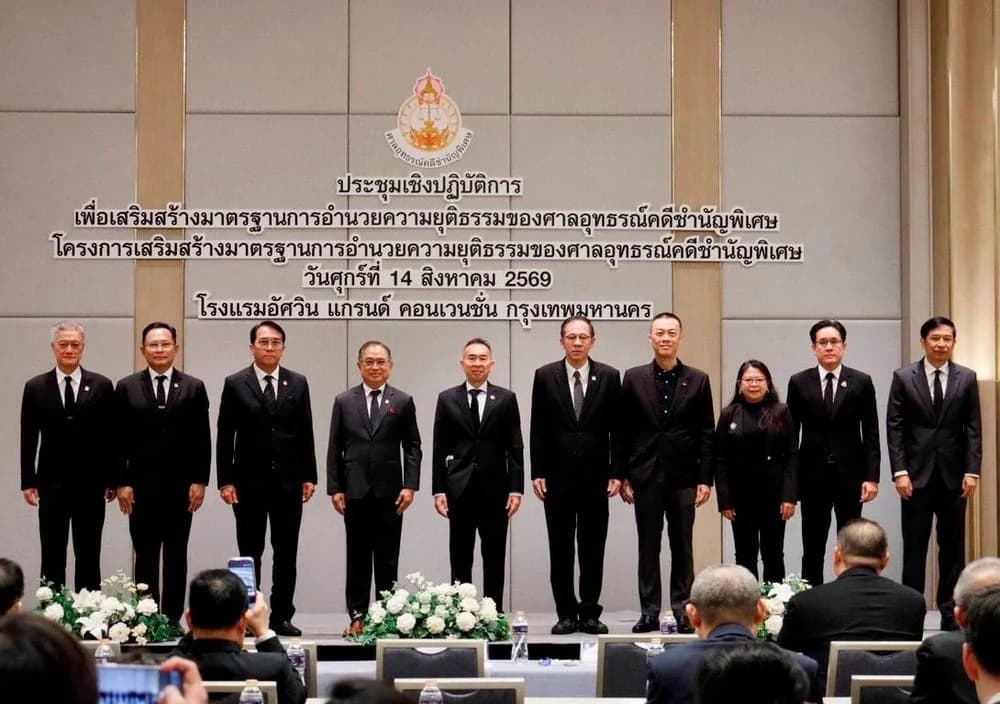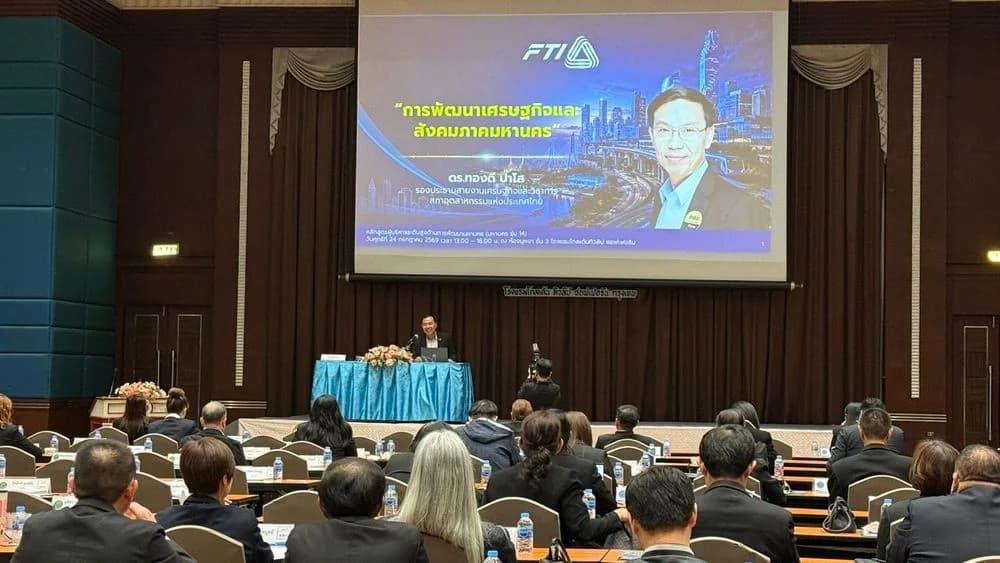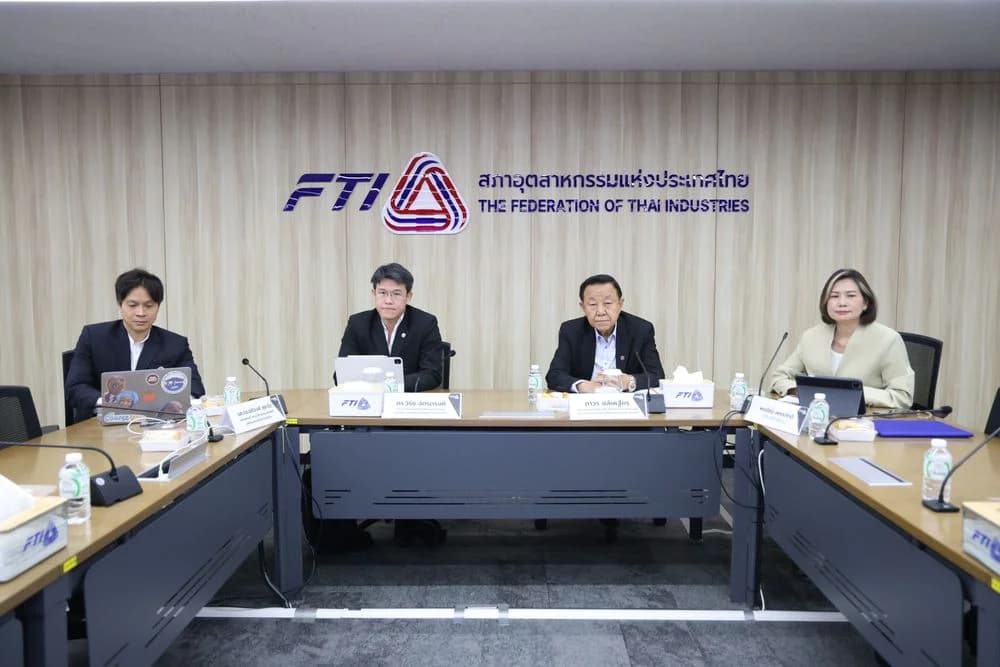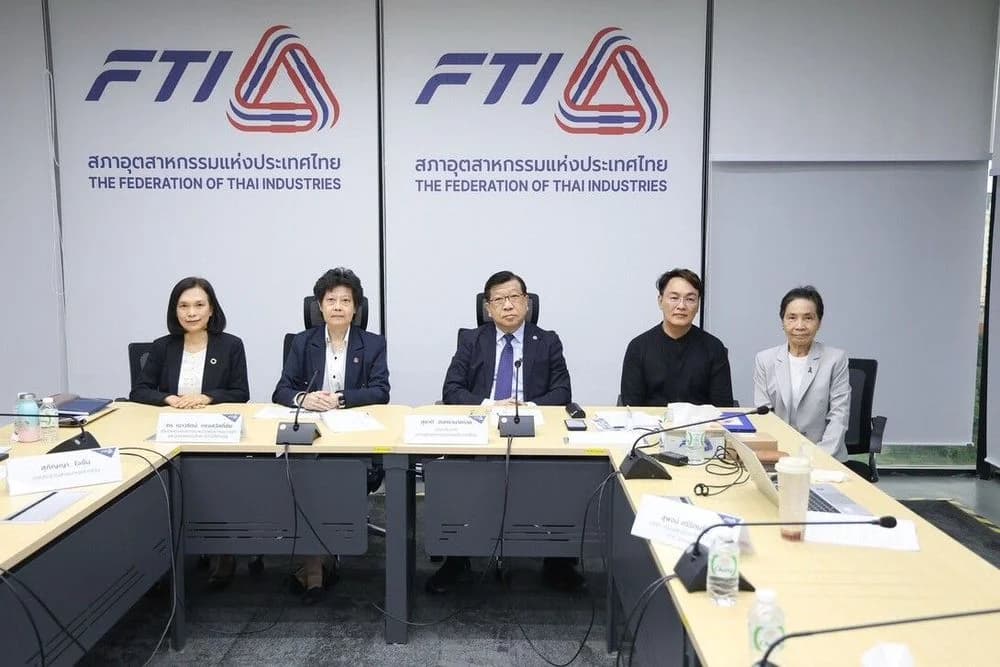

เมื่อวันศุกร์ที่ 14 กุมภาพันธ์ 2568 นายนาวา จันทนสุรคน รองประธานสภาอุตสาหกรรมแห่งประเทศไทย (ส.อ.ท.) ได้รับเกียรติเป็นวิทยากร ให้ความรู้หลักสูตร “ผู้บริหารกระบวนการยุติธรรมระดับสูง” รุ่นที่ 29 ซึ่งจัดโดย สถาบันพัฒนาข้าราชการฝ่ายตุลาการศาลยุติธรรม ณ สถาบันพัฒนาข้าราชการฝ่ายตุลาการศาลยุติธรรม
การบรรยายดังกล่าว นายนาวา ได้มีการนำเสนอปัจจัยที่ส่งผลต่อเศรษฐกิจไทย ปี 2568 ประกอบด้วย 4 ปัจจัยลบ ได้แก่ 1. นโยบายทรัมป์ 2.0 กดดันต่อระบบการค้าโลก เกิดมาตรการกีดกันการค้า 2. ปัญหาสินค้าทุ่มตลาด ลดทอนขีดความสามารถในการแข่งขันของผู้ประกอบการ 3. ต้นทุนการผลิตที่ยังอยู่ในระดับสูง ทั้งค่าแรง ราคาพลังงาน ราคาวัตถุดิบ รวมถึงภาระหนี้ครัวเรือนและหนี้ธุรกิจ กระทบกำลังซื้อภายในประเทศและสภาพคล่องทางการเงิน 4. การเปลี่ยนแปลงสภาพภูมิอากาศ เกิดความเสี่ยงภัยธรรมชาติ ส่งผลต่อผลผลิตทางการเกษตร
สำหรับ 4 ปัจจัยบวก ได้แก่ 1. งบลงทุนภาครัฐที่เพิ่มขึ้นเป็น 9.08 แสนล้านบาท +27.9% YoY ช่วยหนุนเศรษฐกิจ 2. การลงทุนยังขยายตัวอย่างต่อเนื่อง จากการจัดระเบียบห่วงโซ่อุปทาน (Supply Chain) ใหม่ของโลก 3. ภาคท่องเที่ยวฟื้นตัวต่อเนื่องจำนวนนักท่องเที่ยวต่างชาติ เพิ่มขึ้นใกล้เคียงช่วงก่อนโควิด ประกอบกับการเพิ่มขึ้นของค่าใช้จ่ายต่อหัว 4. นโยบายกระตุ้นเศรษฐกิจของภาครัฐ ใน 5 มิติ ทั้งอสังหาริมทรัพย์-เกษตร-การลงทุน-ท่องเที่ยว-การบริโภค ส่งผลให้ภาพรวมเศรษฐกิจเติบโต
นอกจากนี้ ยังได้มีข้อเสนอ 8 แนวทางการพัฒนาเพื่อส่งเสริมการปรับโครงสร้างภาคอุตสาหกรรมประกอบด้วย 1. การปฏิรูปกฎหมาย & ส่งเสริมความยากง่ายในการประกอบธุรกิจ (Ease of Doing Business) 2. ลดต้นทุนการผลิตเพื่อให้สามารถแข่งขันได้ 3. ส่งเสริมเทคโนโลยีและนวัตกรรม 4. การพัฒนากำลังคน การศึกษา ยกระดับผลิตภาพแรงงาน (Labor Productivity) 5. ส่งเสริมการลงทุนในอุตสาหกรรมเป้าหมาย
S-curve 6. สร้างแต้มต่อทางการค้า ผ่านการเจรจาเขตการค้าเสรี (FTA) 7. พัฒนาโครงสร้าง (Infrastructure) ระบบโลจิสติกส์ (Logistic & Digital) 8. การพัฒนาอย่างยั่งยืนตามแนวทาง SDGs, ESG, และการมุ่งสู่เป้าหมายการปลดปล่อยก๊าซคาร์บอนไดออกไซด์สุทธิเป็นศูนย์ (Net Zero) ทั้งนี้ การบรรยายดังกล่าว มีผู้เข้ารับฟังบรรยายกว่า 110 ท่าน
On Friday, February 14, 2025, Mr. Nava Chantanasurakhan, Vice Chairman of the Federation of Thai Industries (FTI), was honored as a speaker to provide knowledge in the 29th Executive Course on High-Level Justice Process Management organized by the Judiciary Development Institute at the Judiciary Development Institute.
During the lecture, Mr. Nava presented factors affecting the Thai economy in 2025, which include four negative factors: 1. The Trump 2.0 policy putting pressure on the global trading system, leading to trade barriers. 2. The problem of dumping goods reducing the competitiveness of entrepreneurs. 3. The high production costs, including labor, energy prices, raw material prices, as well as household and business debt burdens affecting domestic purchasing power and financial liquidity. 4. Climate change resulting in natural disaster risks affecting agricultural production.
As for the four positive factors: 1. The increased public investment budget to 908 billion Baht (+27.9% YoY) supporting economic growth. 2. Continuous expansion of investments from the reorganization of the global supply chain. 3. The tourism sector is recovering continuously with the number of international tourists approaching pre-COVID levels, along with an increase in spending per capita. 4. The government's economic stimulus policies across five dimensions: real estate, agriculture, investment, tourism, and consumption leading to overall economic growth.
In addition, there were eight proposed development directions to promote industry restructuring, including: 1. Legal reform & facilitating ease of doing business. 2. Reducing production costs to enhance competitiveness. 3. Promoting technology and innovation. 4. Developing human resources and education, and enhancing labor productivity. 5. Promoting investment in target industries S-curve. 6. Creating trade advantages through free trade agreement negotiations. 7. Developing infrastructure and logistics systems (Logistics & Digital). 8. Sustainable development in accordance with SDGs, ESG, and aiming for net zero carbon dioxide emissions. The lecture was attended by over 110 participants.