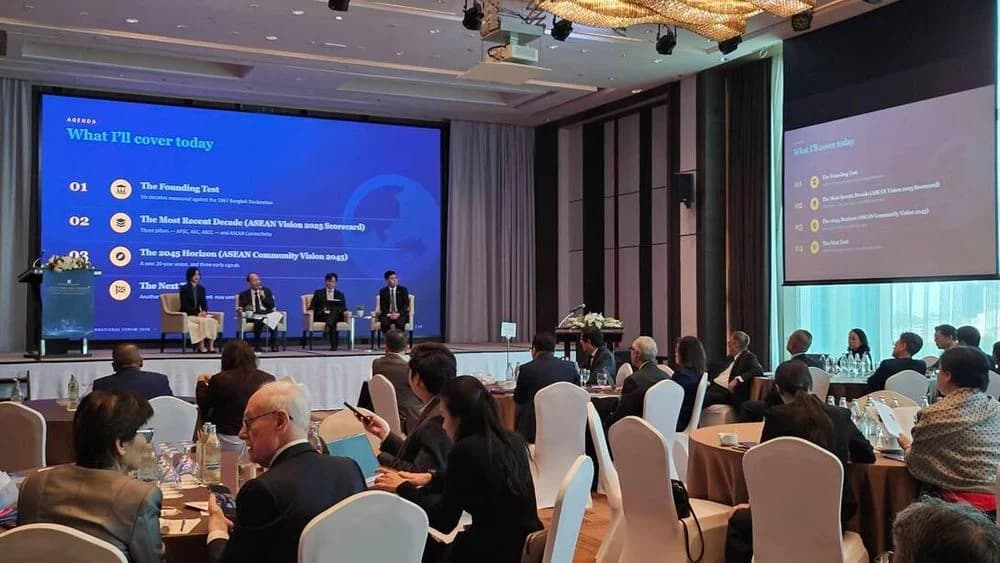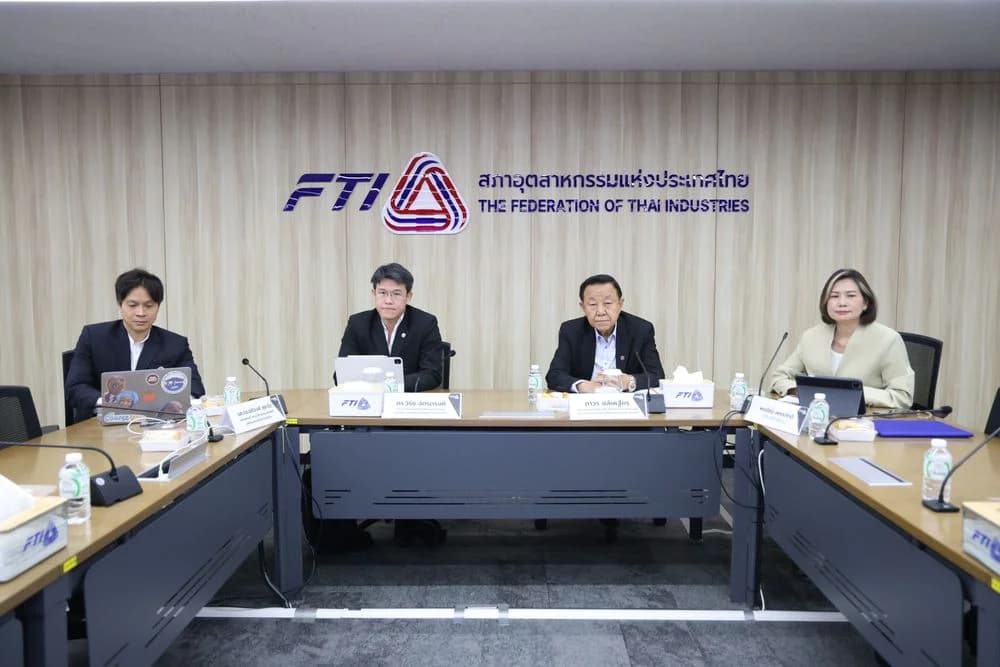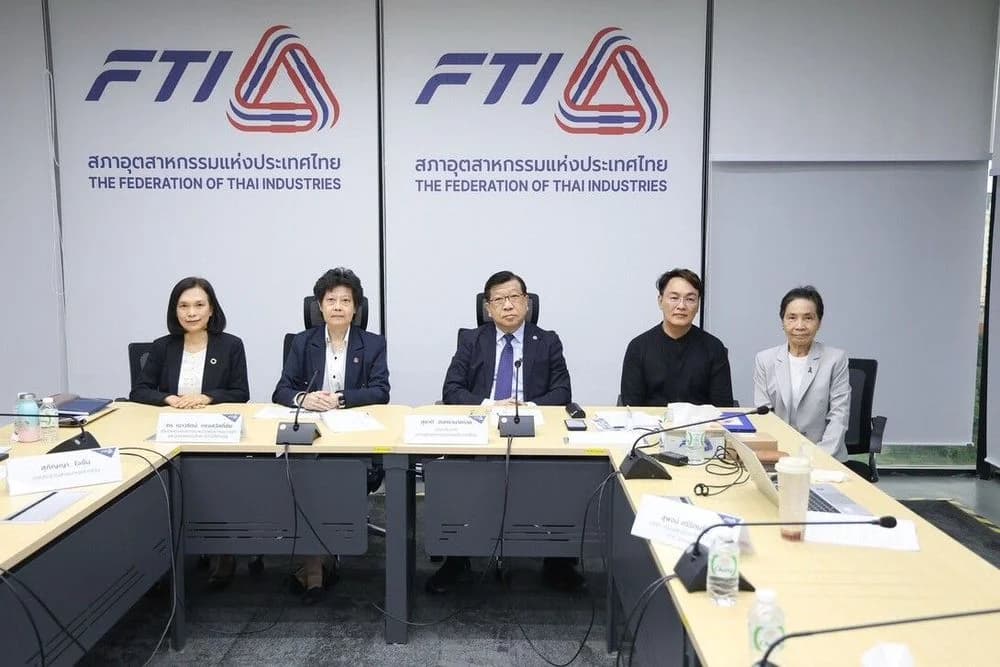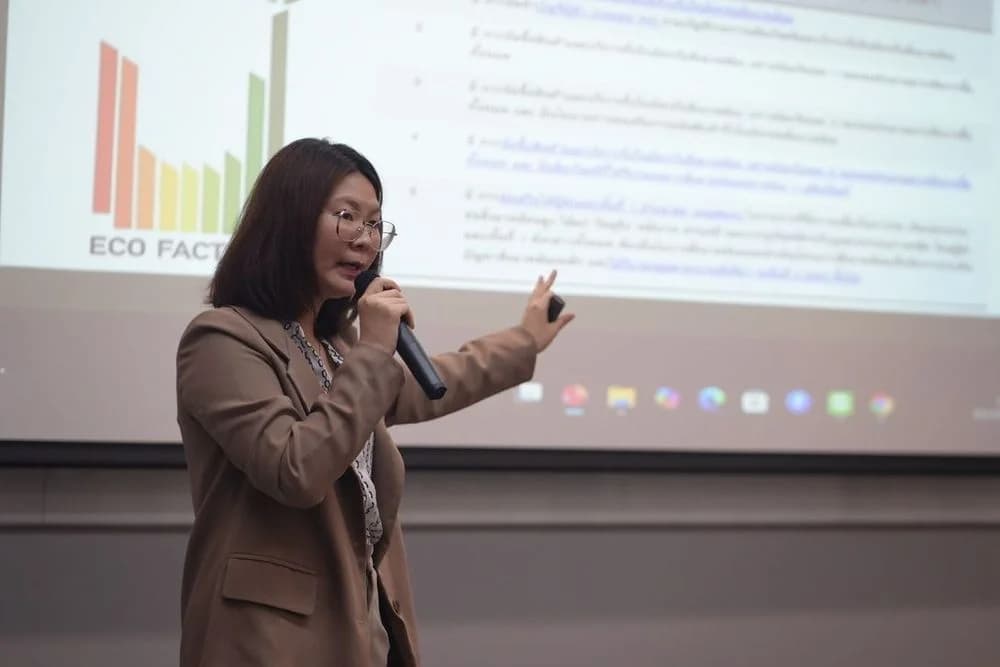
เมื่อวันที่ 24 กรกฎาคม 2569 ดร.ทองดี ปาโส กรรมการสภาอุตสาหกรรมแห่งประเทศไทย (ส.อ.ท.) และรองประธานสายงานเศรษฐกิจและวิชาการ ได้รับเกียรติเป็นวิทยากรในหัวข้อ “การพัฒนาเศรษฐกิจและสังคมภาคมหานคร” ภายใต้หลักสูตรโครงการศึกษาอบรมผู้บริหารระดับสูงด้านการการพัฒนามหานคร รุ่นที่ 14 ซึ่งจัดโดยมหาวิทยาลัยนวมินทราธิวาส ณ ห้องบุหงา ชั้น 3 โรงแรมโกลเด้น ทิวลิป ซอฟเฟอริน ถนนพระราม 9
ในการบรรยายครั้งนี้ ดร.ทองดี ได้ถ่ายทอดมุมมองต่อการเปลี่ยนแปลงของเศรษฐกิจโลกที่กำลังเผชิญความท้าทายจากการปฏิวัติเทคโนโลยีปัญญาประดิษฐ์ (AI) การแบ่งขั้วทางเศรษฐกิจและภูมิรัฐศาสตร์ สังคมสูงวัย รวมถึงผลกระทบจากการเปลี่ยนแปลงสภาพภูมิอากาศ ซึ่งล้วนเป็นปัจจัยสำคัญที่ส่งผลต่อทิศทางการพัฒนาเศรษฐกิจและสังคมในอนาคต พร้อมชี้ว่าไทยจำเป็นต้องเร่งพัฒนาศักยภาพกำลังคน ยกระดับการใช้เทคโนโลยีและนวัตกรรม ตลอดจนสร้างความยืดหยุ่นให้กับภาคเศรษฐกิจ เพื่อรองรับการเปลี่ยนแปลงของโลกยุคใหม่
สำหรับประเทศไทย แม้เศรษฐกิจยังขับเคลื่อนด้วยภาคการส่งออกเป็นสำคัญ แต่ยังเผชิญข้อจำกัดจากปัญหาเชิงโครงสร้าง ทั้งสังคมสูงวัย หนี้ครัวเรือน หนี้สาธารณะ การแข่งขันทางการค้า ตลอดจนผลกระทบจากมาตรการทางภาษีและความขัดแย้งด้านภูมิรัฐศาสตร์
อย่างไรก็ตาม ไทยยังมีศักยภาพในการแข่งขัน โดยในปี 2569 อันดับขีดความสามารถในการแข่งขันของประเทศปรับตัวดีขึ้นสู่อันดับที่ 26 ของโลก สะท้อนถึงโอกาสในการยกระดับเศรษฐกิจผ่านการดึงดูดการลงทุน การประยุกต์ใช้ AI และการพัฒนาโครงสร้างพื้นฐานที่ตอบโจทย์เศรษฐกิจแห่งอนาคต
นอกจากนี้ ยังได้เสนอแนวทางการพัฒนามหานคร เพื่อยกระดับคุณภาพชีวิตของประชาชนควบคู่กับการเติบโตทางเศรษฐกิจ โดยให้ความสำคัญกับการลดความเหลื่อมล้ำ การพัฒนาโครงข่ายคมนาคม การบริหารจัดการน้ำและการรับมือการเปลี่ยนแปลงสภาพภูมิอากาศ การแก้ไขปัญหาฝุ่น PM2.5 การเพิ่มพื้นที่สีเขียว ตลอดจนการพัฒนาเมืองด้วยเทคโนโลยีและนวัตกรรม เพื่อสร้างมหานครที่มีความยั่งยืน สามารถรองรับการเปลี่ยนแปลงของโลก และยกระดับคุณภาพชีวิตของประชาชนได้อย่างทั่วถึงในระยะยาว
ทั้งนี้ มีผู้เข้ารับฟังการบรรยายซึ่งประกอบด้วยผู้บริหารระดับสูงจากหน่วยงานภาครัฐ ภาคเอกชน และภาคประชาชน เข้าร่วมกว่า 144 คน
On July 24, 2026, Dr. Thongdee Pahso, a committee member of the Federation of Thai Industries (FTI) and Vice Chairman of the Economic and Academic Division, was honored to be a speaker on the topic "Metropolitan Economic and Social Development" under the 14th Executive Training Course on Metropolitan Development held by Nawaminthra Thiraj University at the Bunga Room, 3rd Floor, Golden Tulip Sovereign Hotel, Rama 9 Road.
In this lecture, Dr. Thongdee shared his insights on the changes in the global economy, which is being challenged by the revolution of artificial intelligence (AI), economic and geopolitical bifurcation, an aging society, and the impacts of climate change, all of which are significant factors influencing the direction of future economic and social development. He emphasized that Thailand needs to accelerate the development of human potential, enhance the use of technology and innovation, and create resilience in the economic sector to adapt to the changes of the new world era.
For Thailand, although the economy is still primarily driven by the export sector, it continues to face limitations due to structural issues, including an aging society, household debt, public debt, trade competition, as well as impacts from tax measures and geopolitical conflicts.
However, Thailand still holds competitive potential, as in 2026, the country's competitiveness ranking improved to 26th in the world, reflecting opportunities to elevate the economy by attracting investments, applying AI, and developing infrastructure that meets the future economy's demands.
Moreover, he proposed directions for metropolitan development aimed at improving the quality of life for citizens alongside economic growth, emphasizing reducing inequality, developing transportation networks, managing water resources, addressing climate change, tackling PM2.5 dust problems, increasing green spaces, and utilizing technology and innovation to create sustainable metropolises that can adapt to global changes and uplift the quality of life for all citizens in the long term.
A total of over 144 participants including senior executives from government agencies, the private sector, and civil society attended the lecture.