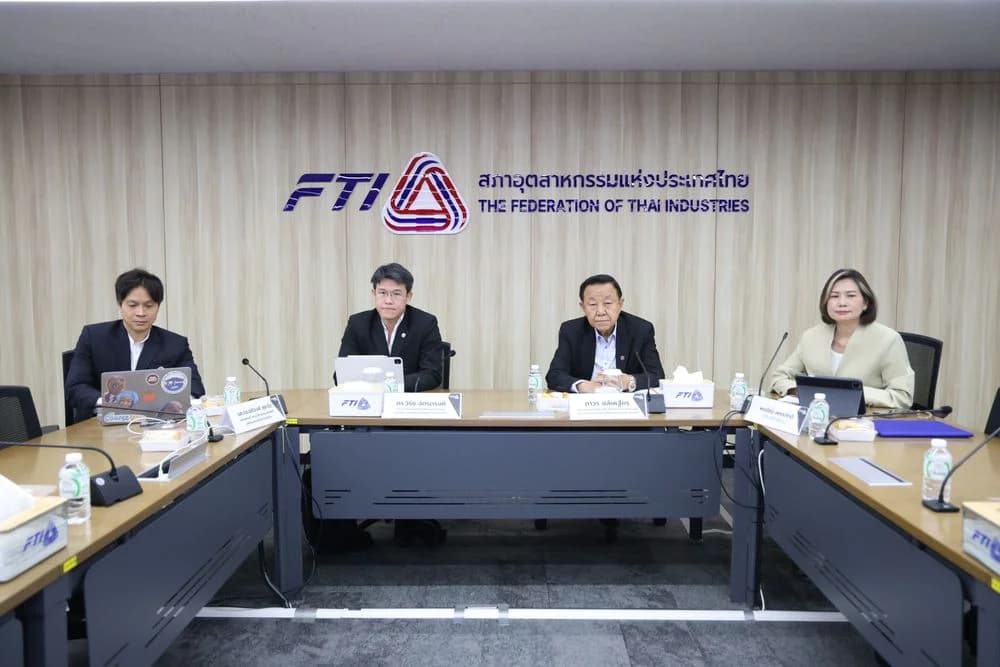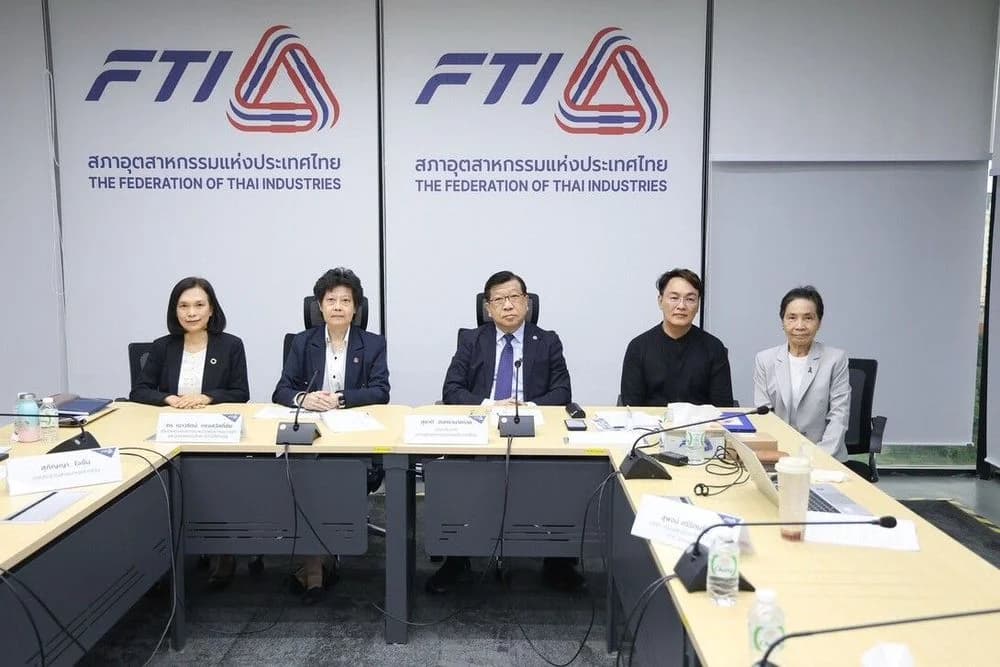

เมื่อธุรกิจไทยขยายการค้าและการลงทุนออกสู่ต่างประเทศ ความเสี่ยงไม่ได้จำกัดอยู่เพียงเรื่องตลาด เงินทุน หรือการแข่งขัน แต่ยังรวมถึง กฎระเบียบ เงื่อนไขการลงทุน และมาตรการทางการค้า ที่แตกต่างกันในแต่ละประเทศ ขณะที่กติกาใหม่ด้านสิ่งแวดล้อมอย่าง CBAM กำลังเข้ามามีบทบาทต่อโครงสร้างต้นทุนและการแข่งขันของภาคธุรกิจมากขึ้น
ประเด็นดังกล่าวถูกหยิบยกขึ้นแลกเปลี่ยนในเวทีของศาลอุทธรณ์คดีชำนัญพิเศษ เพื่อเชื่อมโยงมุมมองจากภาคธุรกิจกับกระบวนการยุติธรรมให้สอดคล้องกับบริบททางเศรษฐกิจที่เปลี่ยนแปลง
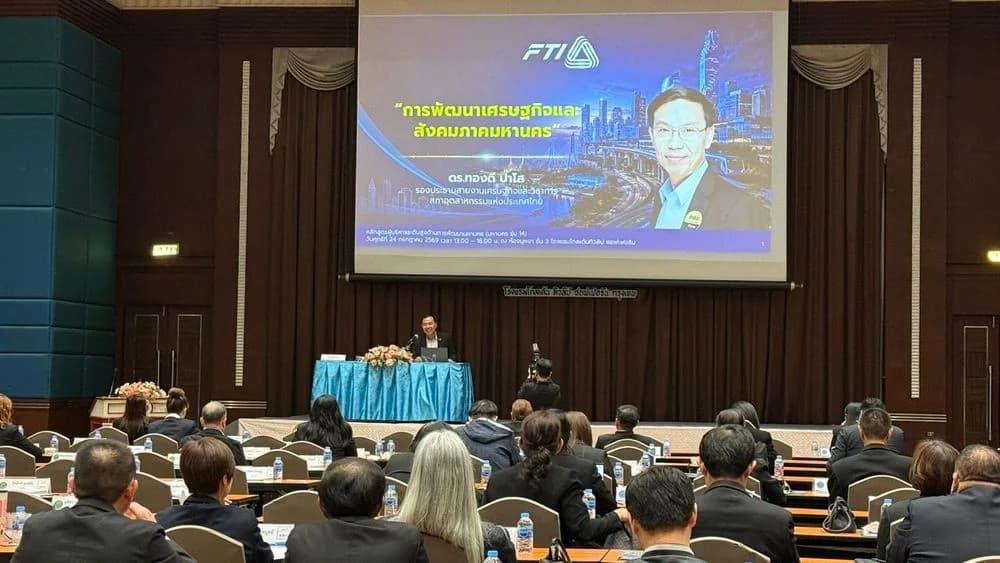
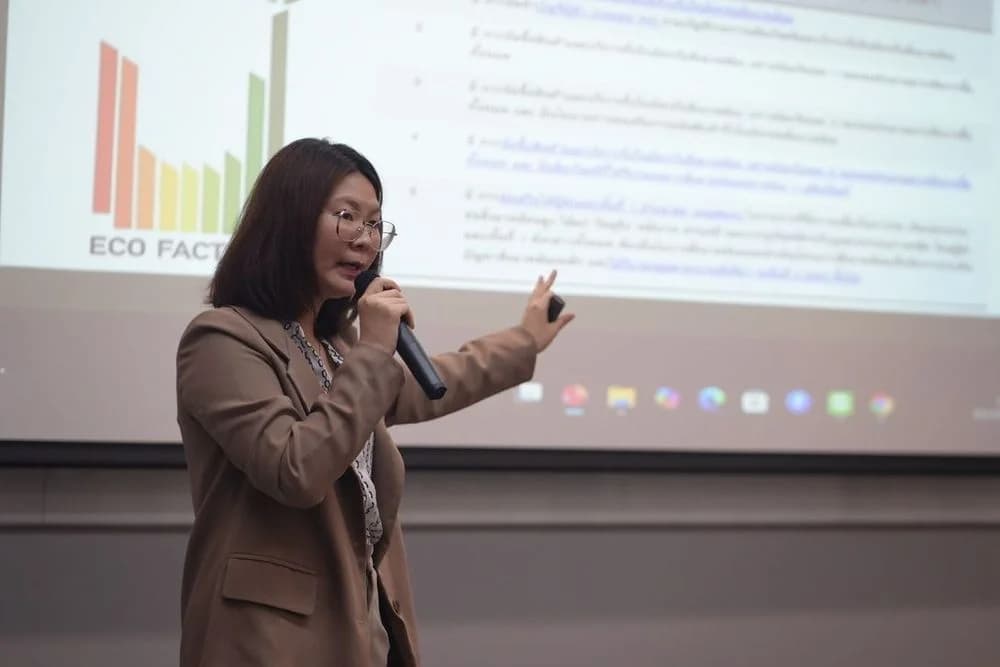
เมื่อวันที่ 14 สิงหาคม 2569 นายรัฐไกร ลิ้มศิริตระกูล รองประธานสภาอุตสาหกรรมแห่งประเทศไทย (ส.อ.ท.) เป็นวิทยากรในการประชุมเชิงปฏิบัติการเพื่อเสริมสร้างมาตรฐานการอำนวยความยุติธรรมของศาลอุทธรณ์คดีชำนัญพิเศษ ในหัวข้อ “ความเสี่ยงจากการค้าและการลงทุนระหว่างประเทศ : มุมมองภาคธุรกิจ” ณ โรงแรมอัศวิน แกรนด์ คอนเวนชั่น กรุงเทพมหานคร
นายรัฐไกร ได้แลกเปลี่ยนข้อมูลและประสบการณ์กับผู้พิพากษาแผนกคดีทรัพย์สินทางปัญญาและการค้าระหว่างประเทศ โดยสะท้อนมุมมองจากภาคธุรกิจถึงความเสี่ยงที่ผู้ประกอบการต้องเผชิญเมื่อลงทุนในต่างประเทศ ทั้งความแตกต่างของกฎหมาย กฎระเบียบ เงื่อนไขการลงทุน และแนวทางปฏิบัติของแต่ละประเทศ ซึ่งล้วนมีผลต่อการตัดสินใจลงทุนและการดำเนินธุรกิจ
[ลงทุนต่างประเทศต้องเข้าใจกติกา ไม่ใช่แค่เข้าใจตลาด]
ในฐานะผู้มีประสบการณ์ดำเนินธุรกิจในภูมิภาคอาเซียน โดยเฉพาะ เวียดนามและอินโดนีเซีย นายรัฐไกร ได้ถ่ายทอดประสบการณ์เกี่ยวกับความแตกต่างของกฎระเบียบและเงื่อนไขการลงทุนในแต่ละประเทศ พร้อมชี้ให้เห็นถึงความสำคัญของการศึกษากฎหมายและเตรียมความพร้อมก่อนเข้าไปลงทุน
อีกปัจจัยสำคัญคือ การมีพันธมิตรหรือผู้ประกอบการท้องถิ่น ซึ่งสามารถช่วยให้ธุรกิจต่างชาติทำความเข้าใจบริบทของตลาด กฎระเบียบ และแนวทางการดำเนินธุรกิจในพื้นที่ได้ดียิ่งขึ้น ลดความเสี่ยงและเพิ่มโอกาสในการขยายธุรกิจอย่างมีประสิทธิภาพ
ขณะเดียวกัน ภาคธุรกิจยังต้องติดตามกติกาการค้าใหม่ที่มีผลต่อการแข่งขันระหว่างประเทศ โดยเฉพาะ มาตรการปรับราคาคาร์บอนข้ามพรมแดนของสหภาพยุโรป (CBAM) ซึ่งอาจส่งผลต่อโครงสร้างต้นทุนและรูปแบบการแข่งขันของผู้ประกอบการไทยในอนาคต
การแลกเปลี่ยนครั้งนี้จึงไม่เพียงเป็นการถ่ายทอดประสบการณ์ของภาคธุรกิจ แต่เป็นการเชื่อมโยง “มุมมองธุรกิจ” กับ “กระบวนการยุติธรรม” เพื่อสร้างความเข้าใจร่วมกันต่อความซับซ้อนของการค้าและการลงทุนระหว่างประเทศ และสนับสนุนให้มาตรฐานการพิจารณาคดีสามารถเท่าทันบริบททางธุรกิจและกติกาโลกที่เปลี่ยนแปลงอย่างรวดเร็วต่อไป
As Thai businesses expand their trade and investment internationally, risks are not limited to market, capital, or competition but also include regulations, investment conditions, and trade measures that vary across countries. Meanwhile, new environmental regulations such as the Carbon Border Adjustment Mechanism (CBAM) are increasingly influencing the cost structure and competitiveness of the business sector.
This issue was raised for discussion in the forum of the Appeal Court on Special Cases to connect perspectives from the business sector with the justice process in accordance with the changing economic context.
On August 14, 2026, Mr. Ruttakrai Limchiritrakul, Vice Chairman of the Federation of Thai Industries (FTI), served as a speaker at the workshop aimed at enhancing the standards of justice administration of the Appeal Court on Special Cases, focusing on 'Risks from International Trade and Investment: Perspectives from the Business Sector' at the Ashwin Grand Convention Hotel in Bangkok.
Mr. Ruttakrai exchanged information and experiences with judges from the Intellectual Property and International Trade Court, reflecting business sector perspectives on the risks that entrepreneurs must face when investing abroad, including differences in laws, regulations, investment conditions, and practices of each country, all of which impact investment decisions and business operations.
[International Investment Requires Understanding Regulations, Not Just Markets]
As someone with experience operating businesses in the ASEAN region, particularly in Vietnam and Indonesia, Mr. Ruttakrai shared experiences regarding the differences in regulations and investment conditions in each country, highlighting the importance of studying laws and being prepared prior to investing.
Another crucial factor is having local partners or operators who can help foreign businesses better understand the market context, regulations, and business operations in the area, reducing risks and enhancing opportunities for efficient business expansion.
Simultaneously, the business sector must monitor new trade rules that affect international competition, especially the EU's Carbon Border Adjustment Mechanism (CBAM), which may impact the cost structure and competitive landscape for Thai operators in the future.
This exchange, therefore, is not merely about conveying business sector experiences but connecting 'business perspectives' with the 'justice process' to foster mutual understanding of the complexities of international trade and investment and to support the judicial standards to keep pace with the rapidly changing business context and global regulations.