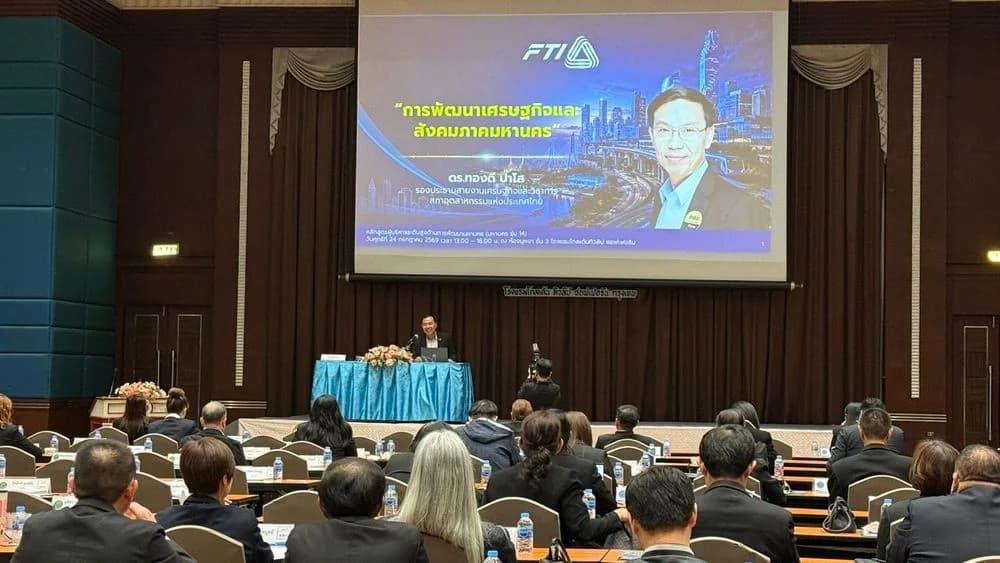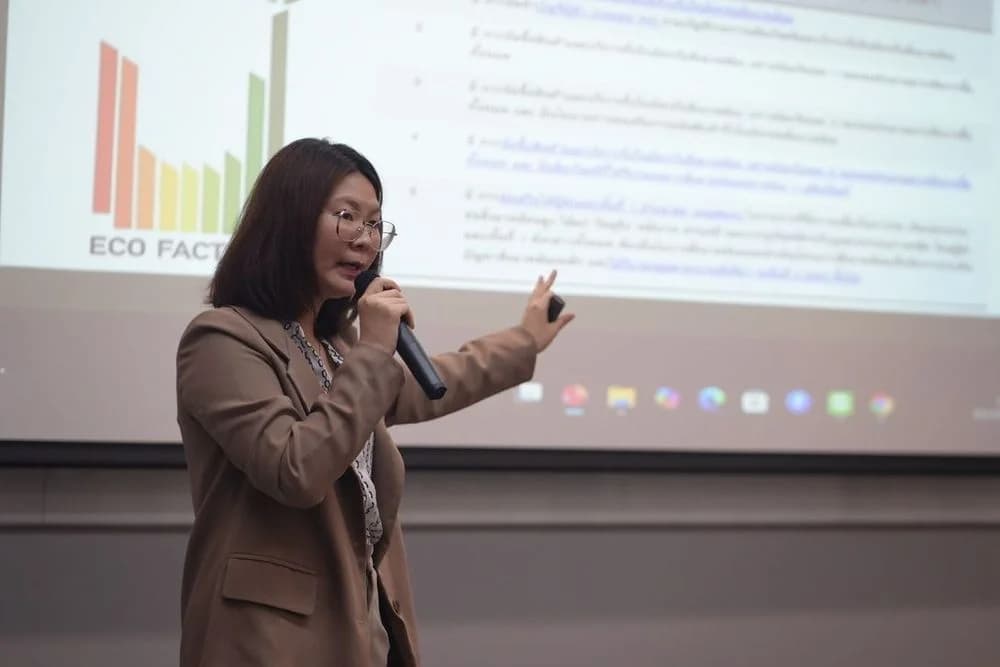

“Legacy ที่แท้จริงไม่ใช่ทรัพย์สิน แต่คือคุณค่า วิธีคิด และความรับผิดชอบที่ส่งต่อสู่คนรุ่นถัดไป” นางพิมพ์ใจ ลี้อิสสระนุกูล ประธานสภาอุตสาหกรรมแห่งประเทศไทย (ส.อ.ท.) กล่าวในโอกาสเป็นวิทยากรหลักสูตร “Executive & Talent Club (ETC)” รุ่นที่ 2 ในหัวข้อ “Legacy, Leadership & Succession” จัดโดยศูนย์บริการวิชาการแห่งจุฬาลงกรณ์มหาวิทยาลัย เมื่อวันศุกร์ที่ 11 กันยายน 2569 ณ Gaysorn Urban Resort โดยมีผู้เข้าร่วมกว่า 90 คน
นางพิมพ์ใจได้นำประสบการณ์ “100 ปีสิทธิผล จากห้องแถวเยาวราชสู่ป่าอุตสาหกรรมไทย” ถ่ายทอดบทเรียนจากการสืบทอดธุรกิจครอบครัวสู่การสร้างอนาคต โดยชี้ว่า หัวใจของการเป็นผู้นำคือการสร้าง การยอมรับ ความเชื่อถือ และศรัทธา ขณะที่ครอบครัวที่เข้มแข็งและมีเป้าหมายร่วมกันจะเป็นพลังสำคัญในการขับเคลื่อนธุรกิจ
สำหรับการส่งต่อธุรกิจ หรือ Succession นั้น ต้องเตรียมความพร้อมทั้งคนรุ่นใหม่และคนรุ่นเดิม โดยคนรุ่นใหม่ต้องได้รับการบ่มเพาะทั้ง Mindset, Education, Experience, Health และ Social Capital ขณะที่คนรุ่นเดิมต้องพร้อมทำหน้าที่เป็น Mentor เพื่อให้การเปลี่ยนผ่านเกิดขึ้นอย่างราบรื่นและยั่งยืน ควบคู่กับการดำเนินธุรกิจบนพื้นฐานของความซื่อสัตย์ การเสียภาษีอย่างถูกต้อง และ Compliance รวมถึงการสร้าง Resilience และความมั่นคงทางการเงิน
ในมิติของประธาน ส.อ.ท. นางพิมพ์ใจ ยังได้สะท้อนสภาวะเศรษฐกิจไทยท่ามกลางภูมิรัฐศาสตร์ (Geopolitics) และความเสี่ยงรอบด้าน (Multi-Risk) ที่กระทบเศรษฐกิจและภาคอุตสาหกรรม โดยเฉพาะภาวะ K-Shaped Economy และการใช้กำลังการผลิตที่ยังต่ำกว่าศักยภาพ (Under Capacity) ซึ่งเป็นความท้าทายที่ต้องเร่งแก้ไข
นอกจากนี้ ยังได้อธิบายถึงคณะกรรมการร่วมภาครัฐและเอกชนเพื่อแก้ไขปัญหาทางเศรษฐกิจ (กรอ.) ซึ่งเป็นเวทีสำคัญในการบูรณาการความร่วมมือภาครัฐ–เอกชน เพื่อพัฒนาประเทศให้สามารถแข่งขันและยั่งยืนได้
“True legacy is not assets but the values, mindset, and responsibilities passed on to the next generation,” said Ms. Pimjai Leeissaranukul, President of the Federation of Thai Industries (FTI), during her keynote speech at the “Executive & Talent Club (ETC)” course, Batch 2, on the topic of “Legacy, Leadership & Succession,” organized by Chulalongkorn University's Academic Services Center on Friday, September 11, 2026, at Gaysorn Urban Resort, attended by over 90 participants.
Ms. Pimjai shared insights from “100 Years of Sithipol: From Yaowarat Shophouse to the Thai Industrial Forest,” conveying lessons learned from family business succession toward future building, emphasizing that the essence of leadership is to create acceptance, trust, and faith. A strong family with shared goals will be a crucial force in driving the business forward.
Regarding business succession, Ms. Pimjai stressed the need to prepare both the new and the old generations. The younger generation must be equipped with Mindset, Education, Experience, Health, and Social Capital, while the older generation must be ready to serve as Mentors to ensure a smooth and sustainable transition, accompanied by conducting business based on integrity, accurate taxation, and compliance, as well as fostering resilience and financial stability.
In her capacity as President of the FTI, Ms. Pimjai also reflected on the condition of the Thai economy amidst geopolitical challenges and multifaceted risks affecting the economy and the industrial sector, notably the K-Shaped Economy and under-capacity utilization, which are challenges that require urgent resolution.
Additionally, she explained the Joint Public-Private Sector Committee for Economic Problem Solving (Gor.), which serves as a crucial platform for integrating public-private cooperation aimed at developing a competitive and sustainable nation.