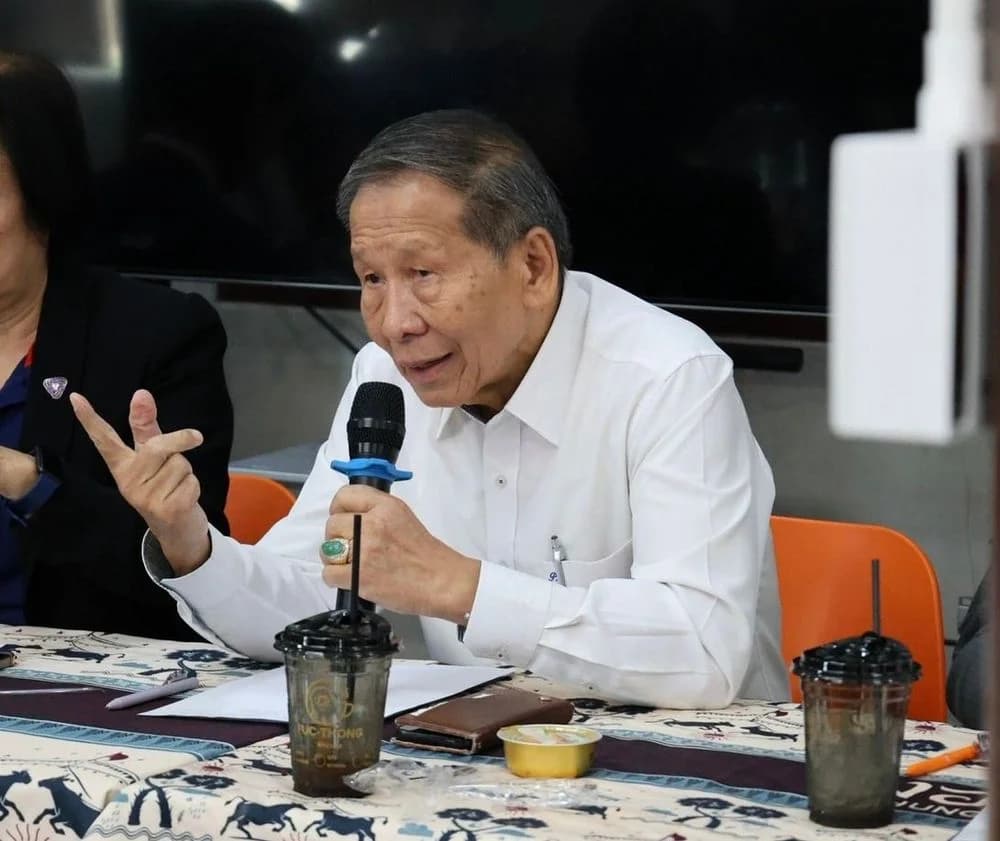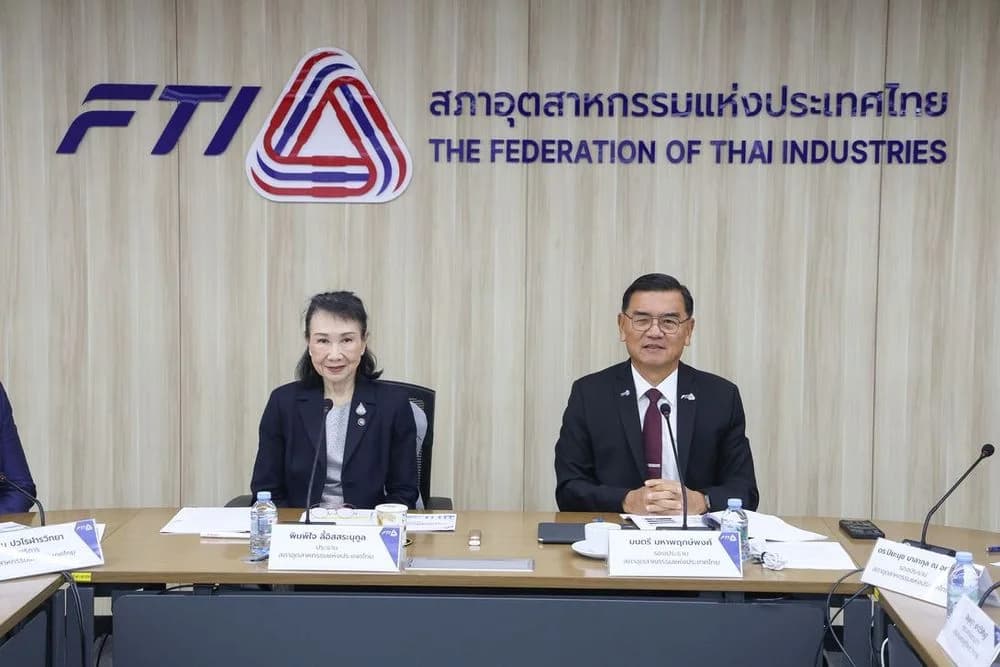
เมื่อวันจันทร์ที่ 10 มีนาคม 2568 นายเกรียงไกร เธียรนุกุล ประธานสภาอุตสาหกรรมแห่งประเทศไทย (ส.อ.ท.) ได้เข้าร่วมเป็นวิทยากรเสวนางานสมาคมเศรษฐศาสตร์แห่งประเทศไทยในหัวข้อ "Trade War 2025: จะรับมือกับ Trump อย่างไร?" ร่วมกับนายพิศาล มาณวพัฒน์ อดีตสมาชิกวุฒิสภาและอดีตเอกอัครราชทูตไทยประจำสหรัฐอเมริกา และ ดร.ดอน นาครทรรพ ผู้อำนวยการอาวุโสฝ่ายบริหารเงินสำรองธนาคารแห่งประเทศไทย โดยมี ดร.เบญจรงค์ สุวรรณคีรี รองกรรมการผู้จัดการ ธนาคารเพื่อการส่งออกและนำเข้าแห่งประเทศไทย (EXIM Bank) เป็นผู้ดำเนินการอภิปราย ณ หอประชุมศาสตราจารย์สังเวียน อินทรชัย ชั้น 7 ตลาดหลักทรัพย์แห่งประเทศไทย
ในการเสวนาครั้งนี้ นายเกรียงไกร ได้กล่าวถึงนโยบายเศรษฐกิจของสหรัฐอเมริกาภายใต้การนำของประธานาธิบดีทรัมป์ ที่มุ่งแก้ไขปัญหาการขาดดุลการค้ากับต่างประเทศ โดยเฉพาะจีนที่มีนโยบาย Made in China 2025 และเป็นโรงงานของโลกด้วยการเติบโตและขนาดตลาดที่ใหญ่ ในยุคทรัมป์ 1.0 สหรัฐฯ ใช้สงครามการค้าเพื่อชะลอการเติบโตของจีน ขณะที่ไทยมีการค้ากับทั้งสหรัฐฯ และจีน โดยได้เปรียบดุลการค้ากับสหรัฐฯ แต่เสียเปรียบดุลการค้ากับจีน อย่างไรก็ตาม ญี่ปุ่น เกาหลีใต้ และไต้หวันได้ย้ายฐานการผลิตออกจากจีนไปยังสหรัฐฯ ผ่านมาตรการ Friend-shoring, Reshoring และ Near-shoring และในปี 2562 ไทยได้ดุลการค้ากับสหรัฐฯ เป็นอันดับ 14 และในปี 2567 เป็นอันดับ 11 ซึ่งอาจนำไปสู่การถูกใช้สงครามการค้า ถัดมาในยุคทรัมป์ 2.0 สหรัฐฯ เน้นนโยบาย Reshoring เป็นหลัก มีการเก็บภาษีเหล็กและอะลูมิเนียมเพิ่มขึ้น ส่งผลกระทบต่อภาคอุตสาหกรรมไทย นอกจากนี้ การที่จีนถูกขึ้นภาษีการค้าทำให้จีนปรับเปลี่ยนรูปแบบการค้า โดยลดสัดส่วนการส่งออกไปยังสหรัฐฯ และส่งออกสินค้ามายังอาเซียนมากขึ้น
ดังนั้น ประเทศไทยจำเป็นต้องเร่งส่งเสริมและปรับโครงสร้างภาคอุตสาหกรรม โดยในระยะสั้น ควรดำเนินการดังนี้ 1) บูรณาการการค้า 2) จัดตั้ง War room เพื่อแก้ไขปัญหาเร่งด่วน 3) เข้มงวดการใช้กฎหมายกับสินค้านำเข้าราคาถูกแต่ไม่ได้มาตรฐาน และ 4) สร้างมาตรฐาน Made in Thailand เพื่อสร้างความน่าเชื่อถือในตลาด ส่วนในระยะยาว ควรดำเนินการดังนี้ 1) ส่งเสริมการผลิตแบบ ODM (Original Design Manufacturer) เพื่อเพิ่มมูลค่าสินค้า 2) ปรับโครงสร้างอุตสาหกรรมให้สอดคล้องกับเทคโนโลยีและตลาดโลก 3) ปฏิรูปการศึกษาเพื่อพัฒนาบุคลากรให้มีทักษะที่ตรงกับความต้องการของภาคอุตสาหกรรม 4) ปรับปรุงกฎหมายให้เอื้อต่อการลงทุนและการแข่งขัน 5) ส่งเสริมความแข็งแกร่งในภูมิภาคอาเซียน และ 6) พยายามหาตลาดใหม่ในการส่งออกเพื่อกระจายความเสี่ยง
On Monday, March 10, 2025, Mr. Kriangkrai Theeranukul, Chairman of the Federation of Thai Industries (FTI), participated as a speaker in the Thai Economics Association forum on the topic "Trade War 2025: How to Handle Trump?" alongside Mr. Pisarn Manawapat, former Senator and former Ambassador of Thailand to the United States, and Dr. Don Nakornthab, Senior Director of the Reserve Management Department of the Bank of Thailand. The discussion was moderated by Dr. Benjarong Suwankiri, Deputy Managing Director of the Export-Import Bank of Thailand (EXIM Bank) at the Professor Sangwian Intachai Auditorium, 7th Floor, Stock Exchange of Thailand.
During this forum, Mr. Kriangkrai discussed the economic policies of the United States under President Trump's leadership, which aim to address the trade deficit with foreign countries, particularly China, which has the Made in China 2025 policy and is considered the world's factory due to its large growth and market size. In the Trump 1.0 era, the U.S. utilized trade wars to slow down China’s growth, while Thailand maintains trade with both the U.S. and China, experiencing a trade surplus with the U.S. but a trade deficit with China. However, Japan, South Korea, and Taiwan have shifted their manufacturing bases from China to the U.S. via Friend-shoring, Reshoring, and Near-shoring initiatives. In 2019, Thailand was ranked 14th in terms of trade surplus with the U.S., improving to 11th position in 2024, which may lead to Thailand being utilized in the trade war. In the Trump 2.0 era, the U.S. is primarily focusing on Reshoring policies, increasing taxes on steel and aluminum, thus impacting the Thai industrial sector. Additionally, the increased tariffs on trade with China have prompted China to alter its trading patterns by reducing its exports to the U.S. and increasing exports to ASEAN instead.
Therefore, Thailand must expedite the promotion and restructuring of its industrial sector. In the short term, the following actions should be undertaken: 1) Integration of trade, 2) Establish a War Room to address urgent issues, 3) Strict enforcement of laws against low-cost imported goods that do not meet standards, and 4) Create the Made in Thailand standard to establish credibility in the market. In the long term, the following should be pursued: 1) Promote production in the ODM (Original Design Manufacturer) model to increase product value, 2) Restructure the industry to align with global technology and market trends, 3) Reform education to develop personnel with skills that match the demands of the industrial sector, 4) Update laws to facilitate investment and competition, 5) Strengthen regional capacity within ASEAN, and 6) Seek new markets for exports to diversify risk.