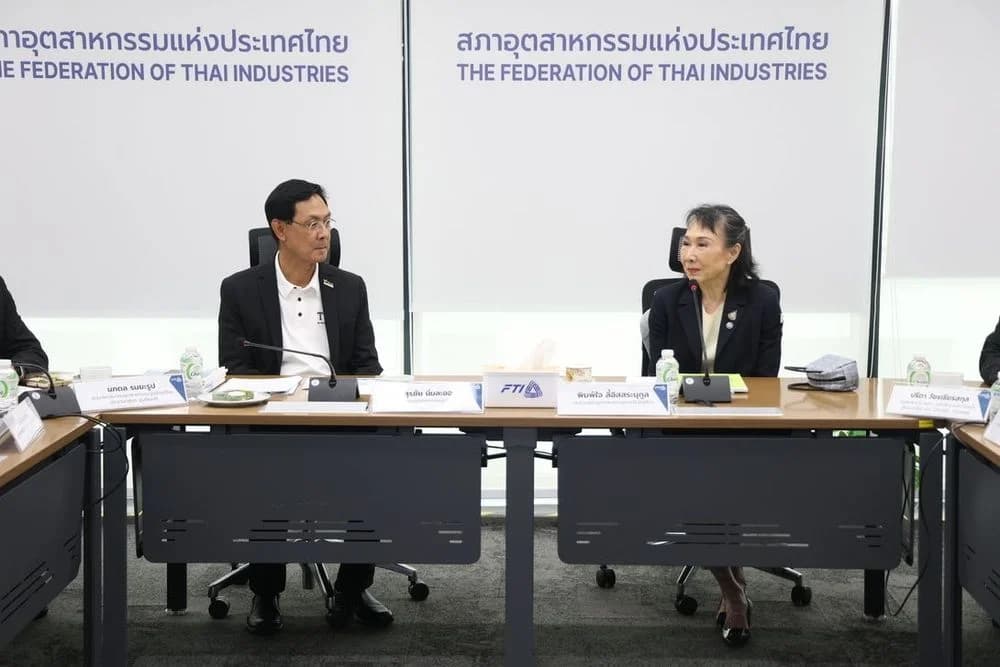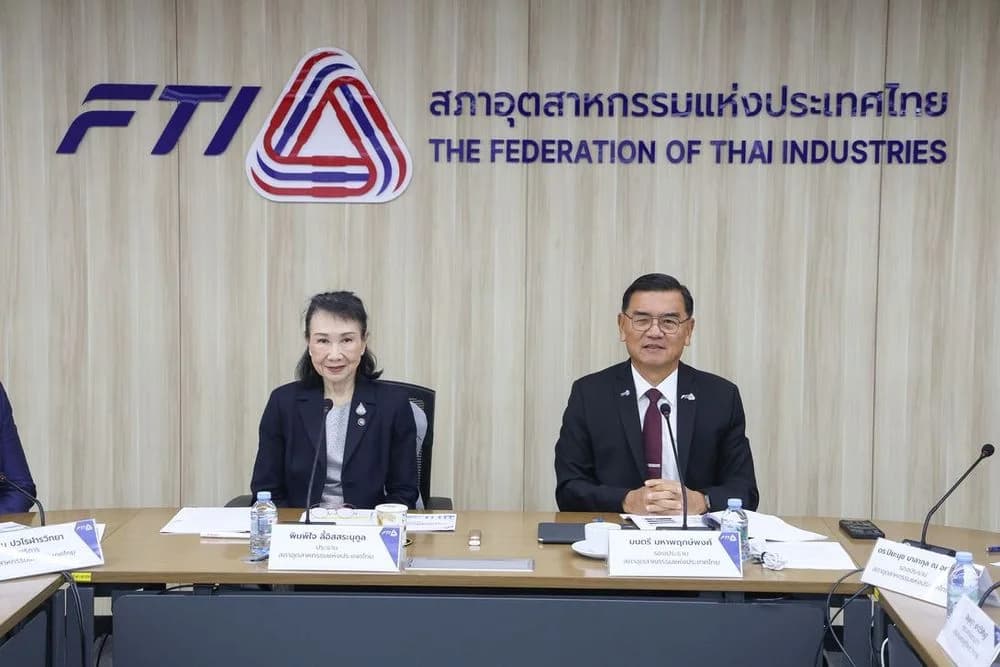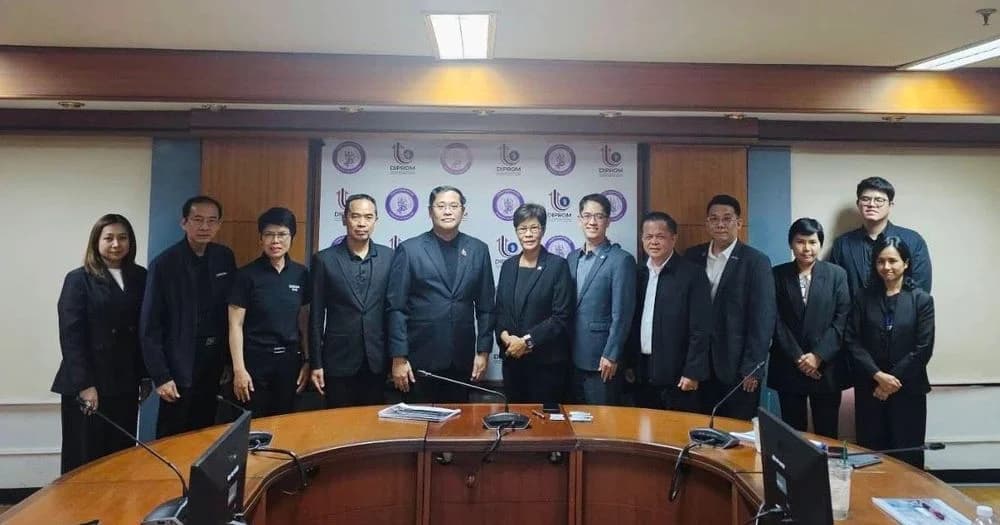

วันพุธที่ 2 เมษายน 2568 นายทวี ปิยะพัฒนา รองประธานอาวุโสสภาอุตสาหกรรมแห่งประเทศไทย (ส.อ.ท.) เป็นประธานการประชุมคณะกรรมการร่วมภาคเอกชน 3 สถาบัน (กกร.) โดยมี ดร.พจน์ อร่ามวัฒนานนท์ ประธานกรรมการหอการค้าไทย และนายกอบศักดิ์ ดวงดี เลขาธิการสมาคมธนาคารไทย ร่วมในการแถลงข่าว ณ ศูนย์การประชุมแห่งชาติสิริกิติ์
เศรษฐกิจไทยเผชิญหลายปัจจัยเสี่ยงที่อาจทำให้ GDP ปี 2568 ต่ำกว่าที่เคยคาด จากกรอบประมาณการเดิมอยู่ในช่วง 2.4-2.9% ซึ่งได้คำนึงถึงผลกระทบบางส่วนจากมาตรการภาษีของสหรัฐฯ ไว้แล้ว แต่ยังมีความไม่แน่นอนถึงขนาดและขอบเขตของมาตรการภาษีของสหรัฐฯ ที่จะประกาศในคืนนี้ ซึ่งอาจจะกระทบต่อ GDP เพิ่มขึ้นอีกราว 0.2-0.6% ฉะนั้นไทยต้องเร่งดำเนินการ ดังนี้ 1) นโยบายระยะสั้น มุ่งลดผลกระทบจากความไม่แน่นอนภายนอก ปรับกรอบนโยบายมหภาคให้เอื้อต่อการปรับโครงสร้างทางเศรษฐกิจ และ 2) นโยบายระยะยาว มุ่งเพิ่มความสามารถในการแข่งขันของประเทศด้านต่าง ๆ และยกระดับขีดความสามารถของภาครัฐ
จากเหตุการณ์แผ่นดินไหวที่เกิดขึ้น ที่ประชุมกกร.ขอเป็นกำลังใจให้กับเจ้าหน้าที่อาสาสมัคร และหน่วยงานที่เกี่ยวข้องในการช่วยเหลือผู้ประสบภัย นอกจากนี้ ที่ประชุมเห็นว่าขณะนี้เป็น Moment of opportunity ในการสร้างความเชื่อมั่นท่ามกลางความไม่แน่นอนรอบด้าน จากทั้งเรื่องของสงความการค้า และเหตุแผ่นดินไหวที่เพิ่งเกิดขึ้น โดยร่วมกันบูรณาการความร่วมมือ ทั้งในส่วนกระบวนงานของส่วนราชการและองค์กรภาคเอกชนที่ควรมีการปฏิรูป โดยให้ความสำคัญกับการมีข้อมูลที่ครบถ้วนและเป็นปัจจุบัน ประกอบการพิจารณาแผนการรับมือและการจัดการกับปัญหา ทั้งนี้ เห็นว่า ควรใช้โอกาสที่มีการสำรวจความปลอดภัยของอาคารและสิ่งปลูกสร้างจากเหตุแผ่นดินไหว เปิดเผยข้อมูลการสำรวจอย่างโปร่งใส และตรวจสอบได้ เพื่อสร้างความเชื่อมั่นให้กับทุกภาคส่วน รวมถึงนักท่องเที่ยวและนักลงทุนจากต่างประเทศ
มาตรการกีดกันทางการค้าของสหรัฐฯ ยกระดับขึ้น สหรัฐฯ ดำเนินนโยบายการค้าที่มีความไม่แน่นอนสูง นโยบายสำคัญที่เตรียมจะประกาศใช้ คือ ภาษีศุลกากรตอบโต้ (Reciprocal Tariffs) และภาษีศุลกากรเฉพาะสินค้า (Specific Tariffs) ซึ่งคาดว่าจะกระทบประเทศคู่ค้าและสินค้าเป็นวงกว้าง ซึ่งคาดว่าจะประกาศใช้กับประเทศที่มีการเกินดุลการค้ากับสหรัฐฯ ในระดับสูง โดยอัตราภาษีศุลกากรตอบโต้จะขึ้นอยู่กับส่วนต่างระหว่างภาษีศุลกากรที่ประเทศคู่ค้าเรียกเก็บจากสหรัฐฯ กับอัตราที่สหรัฐฯ เรียกเก็บ
จับตามาตรการภาษีศุลกากรตอบโต้ (Reciprocal Tariff) กระทบส่งออกไทย โดยไทยถือเป็นประเทศเป้าหมายหนึ่ง เนื่องจากมีส่วนต่างอัตราภาษีศุลกากรและการเกินดุลกับสหรัฐฯ อยู่ในระดับสูง ธุรกิจอุตสาหกรรมที่เน้นการส่งออก เช่น อิเล็กทรอนิกส์ ยานยนต์และชิ้นส่วน ปิโตรเคมี ของไทย อาจเผชิญความเสี่ยงมากขึ้นจากนโยบาย Reciprocal Tariffs ของสหรัฐฯ นอกจากนี้ ยังต้องจับตาผลกระทบทางอ้อมผ่านคู่ค้าสำคัญ เช่น จีน ในอุตสาหกรรมที่มีความเชื่อมโยงกับห่วงโซ่อุปทานการผลิตเพื่อส่งออกไปยังตลาดสหรัฐฯ ในสัดส่วนสูง นอกจากนี้ ปัญหาสินค้าจีนทะลักเข้ามาไทยอาจรุนแรงขึ้น รวมถึงสินค้าจากสหรัฐฯ ที่ไทยอาจต้องนำเข้าเพิ่มขึ้นหลังการเจรจาการค้า
เศรษฐกิจไทยเผชิญหลายปัจจัยเสี่ยงที่อาจทำให้จีดีพีปี 2568 ต่ำกว่าที่เคยคาด จากกรอบประมาณการเดิมอยู่ในช่วง 2.4-2.9% ซึ่งได้คำนึงถึงผลกระทบบางส่วนจากมาตรการภาษีของสหรัฐฯ ไว้แล้ว แต่ยังมีความไม่แน่นอนถึงขนาดและขอบเขตของมาตรการภาษีของสหรัฐฯ ที่จะประกาศในคืนวันนี้ ซึ่งอาจจะกระทบต่อจีดีพีเพิ่มขึ้นอีกราว 0.2-0.6% นอกจากนี้ เศรษฐกิจไทยยังอาจถูกกระทบจากจำนวนนักท่องเที่ยวต่างชาติ ตามนักท่องเที่ยวจีนที่ฟื้นตัวได้ช้าและเหตุการณ์แผ่นดินไหว ฉะนั้นไทยต้องเร่งสร้างความเข้มแข็งจากภายใน โดยเร่งดำเนินการผ่าน 1) นโยบายระยะสั้น มุ่งลดผลกระทบจากความไม่แน่นอนภายนอก ปรับกรอบนโยบายมหภาคให้เอื้อต่อการปรับโครงสร้างทางเศรษฐกิจ และ 2) นโยบายระยะยาว มุ่งเพิ่มความสามารถในการแข่งขันของประเทศด้านต่าง ๆ และยกระดับขีดความสามารถภาครัฐ
กรอบประมาณการเศรษฐกิจปี 2568 ของ กกร.
(ณ ก.พ. 68) ปี 2568
GDP 2.4 ถึง 2.9
ส่งออก 1.5 ถึง 2.5
เงินเฟ้อ 0.8 ถึง 1.2
(ณ มี.ค. 68) ปี 2568
GDP 2.4 ถึง 2.9
ส่งออก 1.5 ถึง 2.5
เงินเฟ้อ 0.8 ถึง 1.2
(ณ เม.ย. 68) ปี 2568
GDP 2.4 ถึง 2.9
ส่งออก 1.5 ถึง 2.5
เงินเฟ้อ 0.8 ถึง 1.2
ที่ประชุม กกร. มีความกังวลต่อนโยบายการปรับโครงการสร้างราคาก๊าซธรรมชาติ (Pool Gas) ที่มีแนวคิดจะผลักภาระต้นทุนราคาก๊าซธรรมชาติไปให้ภาคอุตสาหกรรม เพื่อทำให้ค่าไฟฟ้าลดลง ซึ่งนโยบายดังกล่าวคาดว่าจะทำให้ราคาก๊าซภาคอุตสาหกรรมปรับเพิ่มขึ้นเกือบ 60% จะส่งผลกระทบต่อต้นทุนการผลิตภาคอุตสาหกรรมสูงถึง 30,000 ล้านบาทต่อปี ดังนั้น การปรับโครงสร้างราคาพลังงานจึงควรมีการศึกษาความเป็นไปได้และผลกระทบของผู้มีส่วนได้ส่วนเสียทุกภาคส่วนอย่างสมดุล ตลอดจนพิจารณาแนวทางการแก้ปัญหาที่ต้นเหตุของโครงสร้างพลังงาน ไม่ใช่การโยกตัวเลขหรือผลักภาระต้นทุนพลังงานไปให้อีกภาคส่วนหนึ่ง นอกจากนี้ขอให้พิจารณาช่วงเวลาที่เหมาะสมในการดำเนินการเพื่อไม่ให้เกิดภาระต้นทุนกับการผลิตของภาคอุตสาหกรรม และยังคงให้ความสำคัญกับการดูแลค่าไฟฟ้าสำหรับประชาชนกลุ่มเปราะบาง
On Wednesday, April 2, 2025, Mr. T. Piyapattanapong, Senior Vice President of the Federation of Thai Industries (FTI), presided over the meeting of the Joint Private Sector Committee of 3 Institutions (JPS) with Dr. Phot Aramvananont, Chairman of the Thai Chamber of Commerce, and Mr. Kobsak Duangdee, Secretary-General of the Thai Bankers' Association, participating in the press conference at the Queen Sirikit National Convention Center.
The Thai economy faces several risk factors that may lead to a lower GDP for 2025 than previously expected. The original estimate was in the range of 2.4-2.9%, which already considered some impacts from U.S. tax measures. However, there remains uncertainty regarding the scale and scope of the U.S. tax measures to be announced tonight, which could potentially further impact GDP by approximately 0.2-0.6%. Therefore, Thailand must expedite actions, as follows: 1) Short-term policies aimed at reducing the effects of external uncertainties and adjusting macroeconomic policies to facilitate economic restructuring, and 2) Long-term policies aimed at enhancing the country’s competitiveness in various sectors and improving the capabilities of the government.
In light of the recent earthquake, the JPS meeting expressed its support for the volunteer officials and relevant agencies in assisting those affected by the disaster. Additionally, the meeting observed that this is a Moment of Opportunity to build confidence amidst the surrounding uncertainties, both with respect to trade conflicts and the earthquake that recently occurred. Collaborative efforts should be integrated among government agencies and private sector organizations that require reform, with an emphasis on having comprehensive and up-to-date information to inform preparedness and problem management plans. It was noted that opportunities should be taken to ensure transparency and verifiability in the data disclosed regarding the safety inspections of buildings and structures affected by the earthquake to build confidence among all sectors, including tourists and foreign investors.
Trade barriers imposed by the United States have escalated, with a high degree of uncertainty in U.S. trade policy. Key measures set to be announced include Reciprocal Tariffs and Specific Tariffs, which are expected to broadly impact trading partners and products. These tariffs are likely to target countries that have a high trade surplus with the U.S. The Reciprocal Tariff rates will depend on the difference between the tariffs imposed by trading partners on U.S. goods versus those imposed by the U.S.
Monitoring the Reciprocal Tariffs is crucial as they may impact Thai exports, given that Thailand is a target country due to significant tariff differentials and trade surpluses with the U.S. Export-oriented industries in Thailand, such as electronics, automotive, and petrochemicals, may face increased risks from U.S. Reciprocal Tariff policies. Additionally, the indirect effects through key trading partners, such as China, in industries linked to supply chains for exports to the U.S. market are also concerning. The ongoing issue of Chinese goods flooding into Thailand may worsen, alongside an increased necessity for Thailand to import U.S. goods following trade negotiations.
The Thai economy continues to confront several risk factors that may lower GDP for 2025 below earlier expectations, with the original estimate ranging from 2.4-2.9%. This includes the consideration of some impacts from U.S. tax measures, while uncertainty remains regarding the scale and scope of the tax measures to be announced this evening, which could further affect GDP by approximately 0.2-0.6%. Moreover, the Thai economy may also be influenced by declining numbers of foreign tourists, particularly with the slow recovery of Chinese tourists and the recent earthquake. Thus, Thailand must strengthen its domestic resilience by hastening action through: 1) Short-term policies aimed at reducing the impacts of external uncertainties, adjusting macroeconomic policies to facilitate economic restructuring, and 2) Long-term policies aimed at enhancing the country’s competitiveness across various sectors and improving government capabilities.
Economic estimates for 2025 from the JPS
(as of February 2025) 2025
GDP 2.4 to 2.9
Exports 1.5 to 2.5
Inflation 0.8 to 1.2
(as of March 2025) 2025
GDP 2.4 to 2.9
Exports 1.5 to 2.5
Inflation 0.8 to 1.2
(as of April 2025) 2025
GDP 2.4 to 2.9
Exports 1.5 to 2.5
Inflation 0.8 to 1.2
The JPS meeting expressed concerns regarding the policy to adjust the natural gas pricing scheme (Pool Gas), which involves shifting the cost burden of natural gas pricing onto the industrial sector to reduce electricity costs. This policy is expected to lead to an increase in industrial gas prices by nearly 60%, impacting industrial production costs by up to 30 billion baht per year. Therefore, energy price restructuring should involve a balanced study of feasibility and the impacts on all stakeholders, along with considering solutions to the root issues of the energy structure, rather than merely reallocating figures or shifting the cost burden onto another sector. Moreover, it is important to consider the appropriate timing for implementation to avoid creating cost burdens on industrial production while continuing to safeguard electricity rates for vulnerable populations.