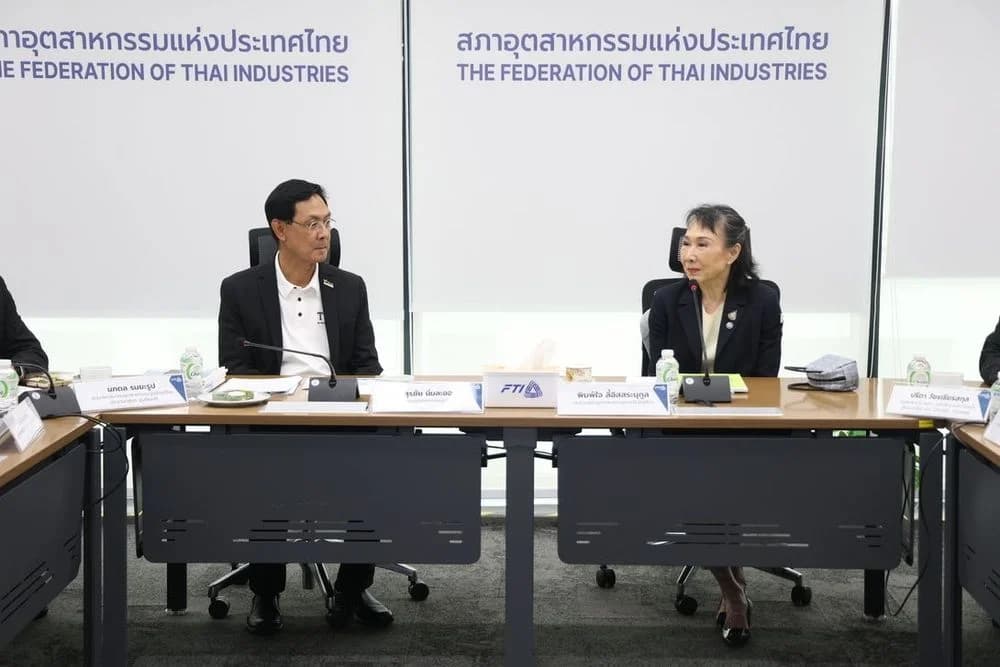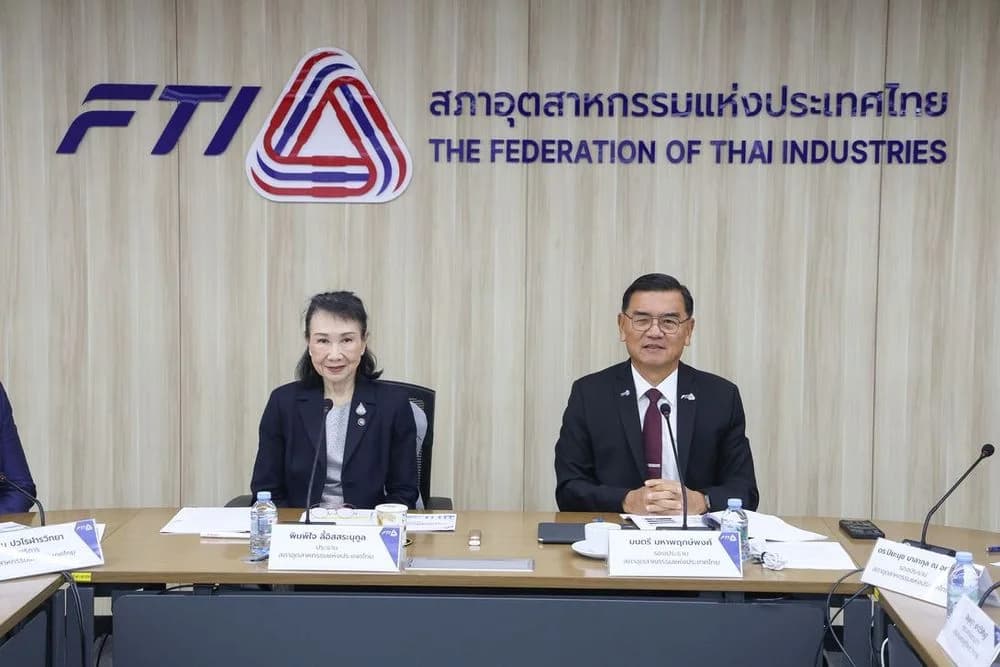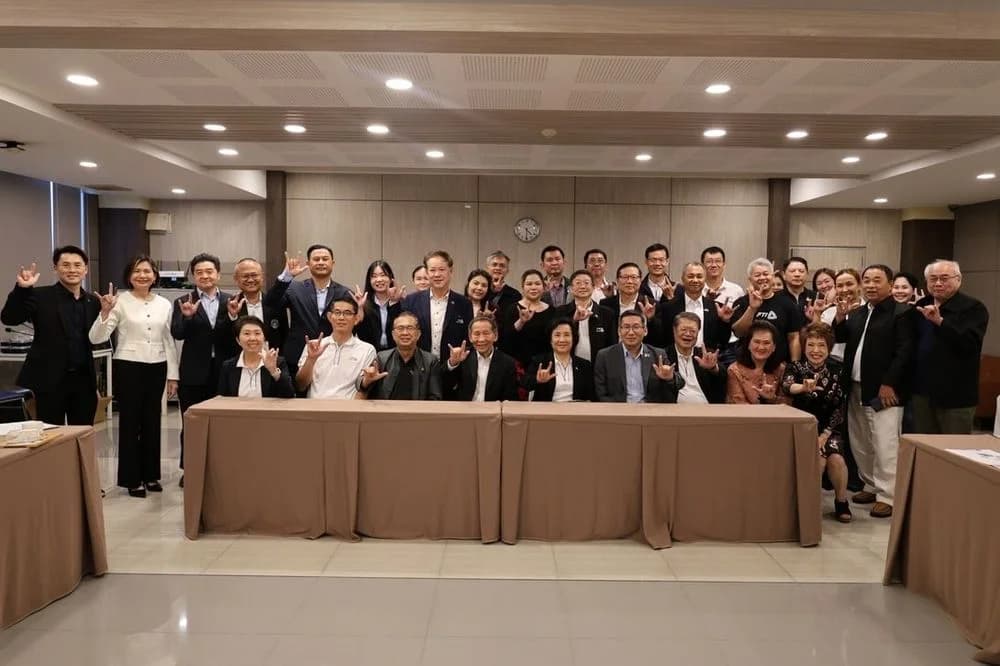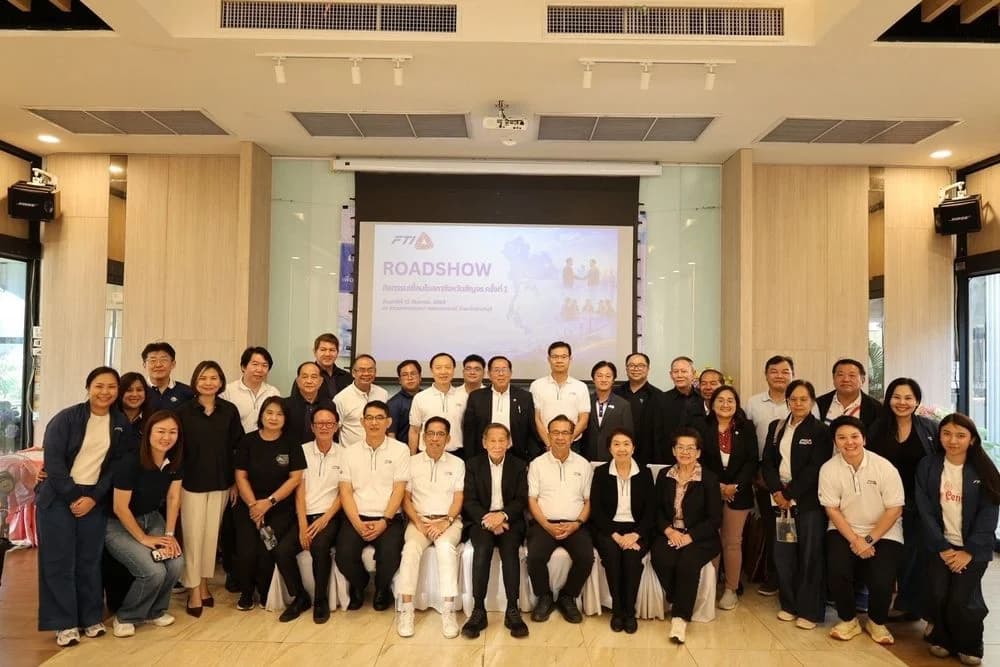

วันที่ 22 เมษายน 2568 นายอภิชิต ประสพรัตน์ รองประธานสภาอุตสาหกรรมแห่งประเทศไทย (ส.อ.ท.) พร้อมด้วย ม.ล.ปีกทอง ทองใหญ่ รองประธานสภาอุตสาหกรรมแห่งประเทศไทย (ส.อ.ท.) และประธานสายงานเศรษฐกิจและวิชาการ ร่วมเปิดเผยผลการสำรวจดัชนีความเชื่อมั่นภาคอุตสาหกรรมในเดือนมีนาคม 2568 อยู่ที่ระดับ 91.8 ปรับตัวลดลงจาก 93.4 ในเดือนกุมภาพันธ์ 2568 ซึ่งเป็นผลจากเหตุการณ์แผ่นดินไหวและอาฟเตอร์ช็อก (Aftershock) กระทบต่อความเชื่อมั่นนักท่องเที่ยวและส่งผลให้เกิดการชะลอตัวของกิจกรรมทางเศรษฐกิจในประเทศ มีการปรับขึ้นภาษีนำเข้าสินค้าเหล็กและอะลูมิเนียม ภาคท่องเที่ยวมีแนวโน้มชะลอตัวลง ด้านยอดส่งออกรถยนต์ลดลง จากการชะลอคำสั่งซื้อของประเทศคู่ค้าเพื่อรอความชัดเจนในนโยบายการขึ้นภาษีนำเข้าของสหรัฐฯ
นายอภิชิต ประสพรัตน์ รองประธานสภาอุตสาหกรรมแห่งประเทศไทย (ส.อ.ท.) พร้อมด้วย ม.ล.ปีกทอง ทองใหญ่ รองประธานสภาอุตสาหกรรมแห่งประเทศไทย (ส.อ.ท.) และประธานสายงานเศรษฐกิจและวิชาการ ร่วมเปิดเผยผลการสำรวจดัชนีความเชื่อมั่นภาคอุตสาหกรรมในเดือนมีนาคม 2568 อยู่ที่ระดับ 91.8 ปรับตัวลดลง จาก 93.4 ในเดือนกุมภาพันธ์ 2568 ซึ่งเป็นผลจากเหตุการณ์แผ่นดินไหวและอาฟเตอร์ช็อก (Aftershock) กระทบต่อความเชื่อมั่นนักท่องเที่ยวและส่งผลให้เกิดการชะลอตัวของกิจกรรมทางเศรษฐกิจในประเทศ มีการปรับขึ้นภาษีนำเข้าสินค้าเหล็กและอะลูมิเนียม ในอัตรา 25% (เริ่ม 12 มีนาคม 2568) อาจส่งผลให้การส่งออกไปสหรัฐฯ ซึ่งเป็นตลาดหลักชะลอตัวลง โดยในปี 2567 ไทยมีการส่งออกเหล็กและอะลูมิเนียม คิดเป็น 18.16% และ 13.29% ของการส่งออกทั้งหมด ภาคท่องเที่ยวมีแนวโน้มชะลอตัวลง จากนักท่องเที่ยวในกลุ่มตลาดหลักที่ลดลงโดยในเดือนกุมภาพันธ์ 2568 เช่น จำนวนนักท่องเที่ยวจีน (-44.92% YoY) และมาเลเซีย (-16.57% YoY) ลดลงจากความกังวลด้านความปลอดภัย และการเข้าสู่ช่วงถือศีลอด ด้านยอดส่งออกรถยนต์ลดลง จากการชะลอคำสั่งซื้อของประเทศคู่ค้าเพื่อรอความชัดเจนในนโยบายการขึ้นภาษีนำเข้าของสหรัฐฯ ในวันที่ 2 เมษายน 2568 โดยในเดือนกุมภาพันธ์ 2568 ยอดการส่งออกลดลง 8.34% (YoY) กระทบอุตสาหกรรมต่อเนื่อง อาทิ ชิ้นส่วนและอะไหล่ยานยนต์ รวมไปถึงกำลังซื้อในภูมิภาคยังคงเปราะบาง จากแนวโน้มราคาสินค้าเกษตรที่ปรับตัวลดลงโดยเฉพาะข้าว อ้อยและมันสำปะหลังส่งผลต่อการใช้จ่ายในภูมิภาค
อย่างไรก็ตาม ในเดือนมีนาคม ยังคงมีปัจจัยบวกจากมาตรการกระตุ้นธุรกิจอสังหาริมทรัพย์ อาทิ การผ่อนคลายเกณฑ์การกำกับดูแลสินเชื่อเพื่อที่อยู่อาศัย (เกณฑ์ LTV) ส่งผลดีต่อคลัสเตอร์วัสดุก่อสร้าง ทางคณะกรรมการบริหารกองทุนน้ำมันเชื้อเพลิง (กบน.) มีมติปรับลดอัตราเงินส่งเข้ากองทุนน้ำมันเชื้อเพลิง เพื่อลดภาระค่าพลังงานลง 50 สตางค์/ลิตร ในกลุ่มน้ำมันเบนซิน และน้ำมันดีเซล โดยมีการปรับลดราคาในสองช่วง ได้แก่ ครั้งที่ 1 เมื่อวันที่ 28 มีนาคม 2568 และครั้งที่ 2 ในวันที่ 4 เมษายน 2568 และการจัดงานมอเตอร์โชว์ (26 มีนาคม - 6 เมษายน 2568) ที่คาดว่าจะช่วยกระตุ้นยอดขายให้กับอุตสาหกรรมยานยนต์ภายในประเทศได้
จากการสำรวจผู้ประกอบการ 1,357 ราย ครอบคลุม 47 กลุ่มอุตสาหกรรมของสภาอุตสาหกรรมแห่งประเทศไทย (ส.อ.ท.) ในเดือนมีนาคม 2568 พบว่าปัจจัยที่ผู้ประกอบการมีความกังวลเพิ่มขึ้น ได้แก่ เศรษฐกิจในประเทศ 57.3% เศรษฐกิจโลก 53.4% และสถานการณ์การเมืองในประเทศ 43.6% ส่วนปัจจัยที่มีความกังวลลดลง ได้แก่ ราคาน้ำมัน 31.9% อัตราแลกเปลี่ยน (มุมมองผู้ส่งออก) 30.5% อัตราดอกเบี้ยเงินกู้ 18.3%
ขณะที่ดัชนีฯ คาดการณ์ 3 เดือนข้างหน้า ปรับตัวลดลงเช่นกัน อยู่ที่ระดับ 95.7 ลดลงจาก 97.6 ในเดือนกุมภาพันธ์ 2568 เนื่องจากผู้ประกอบยังคงห่วงกังวลในเรื่อง มาตรการปรับขึ้นภาษีนำเข้ารถยนต์ 25% ของสหรัฐฯ เริ่มวันที่ 2 เมษายน 2568 กระทบอุตสาหกรรมการส่งออกยานยนต์ รวมถึงชิ้นส่วนและอะไหล่ยานยนต์ของไทย อีกทั้ง มาตรการตอบโต้ทางภาษี (Reciprocal Tariff) กับทุกประเทศที่เรียกเก็บภาษีนำเข้าจากสหรัฐฯ คาดว่าจะเริ่มมีผลบังคับใช้วันที่ 2 เมษายน 2568 ที่กระทบภาคการส่งออกของไทย
อย่างไรก็ตาม ยังมีปัจจัยสนับสนุนที่คาดว่าจะมาจากมาตรการค้ำประกันสินเชื่อเช่าซื้อรถกระบะผ่านกลไกการค้ำประกันสินเชื่อของบรรษัทประกันสินเชื่ออุตสาหกรรมขนาดย่อม (บสย.) ช่วยให้ผู้ประกอบการ SMEs สามารถเข้าถึงสินเชื่อได้มากขึ้น และมีส่วนช่วยกระตุ้นอุตสาหกรรมยานยนต์ในประเทศ (เริ่มรับคำขอตั้งแต่วันที่ 1 เมษายน 2568) มาตรการกระตุ้นเศรษฐกิจ อาทิ มาตรการเที่ยวคนละครึ่งและโครงการกระตุ้นเศรษฐกิจ 10,000 บาทเฟส 3 คาดว่าจะช่วยกระตุ้นให้เกิดการบริโภคและการหมุนเวียนเม็ดเงินในระบบเศรษฐกิจในช่วงไตรมาสที่ 2 ของปี 2568
ข้อเสนอแนะต่อภาครัฐ
1. เสนอให้ภาครัฐบูรณาการความร่วมมือในการจัดทำแผนรับมือเหตุแผ่นดินไหวและมีระบบการตรวจสอบความปลอดภัยในการก่อสร้างอาคารและสิ่งปลูกสร้าง รวมทั้งเร่งเยียวยาผู้ได้รับผลกระทบจากภัยพิบัติ เพื่อสร้างความเชื่อมั่นให้กับทุกภาคส่วน ลดความเสียหายต่อชีวิต ทรัพย์สิน และผลกระทบต่อเศรษฐกิจ
2. เสนอให้ภาครัฐเร่งเปิดตลาดต่างประเทศที่มีศักยภาพรองรับสินค้าไทยเพื่อบรรเทาผลกระทบจากสงครามการค้าเช่น อินเดีย ตะวันออกกลาง แอฟริกา ลาตินอเมริกา เป็นต้น รวมทั้งเร่งเจราจาความร่วมมือ FTA Thai-EU เพื่อสร้างโอกาสในการส่งออก
3. เสนอให้ภาครัฐออกมาตรการเพื่อส่งเสริมการเปลี่ยนผ่านอุตสาหกรรมในประเทศไปสู่อุตสาหกรรมเป้าหมายใหม่ (S-Curve และ New S-Curve) เช่น มาตรการทางภาษี เงินอุดหนุนในการเปลี่ยนผ่านธุรกิจ การ Upskill และ Reskill แรงงาน รวมทั้งการปรับลดค่าสาธารณูปโภค เป็นต้น
ทั้งนี้ ส.อ.ท. ได้ทำการรวบรวมข้อมูลผลการสำรวจดัชนีความเชื่อมั่นภาคอุตสาหกรรมและข้อมูลตัวชี้วัดทางเศรษฐกิจและอุตสาหกรรมจากหน่วยงานต่างๆ ย้อนหลัง 3 ปี จัดทำเป็น Dashboard เผยแพร่ในเว็บไซต์ศูนย์ข้อมูลภาคเศรษฐกิจและอุตสาหกรรม Industry Data Space (iDS) ของ ส.อ.ท. เพื่ออำนวยความสะดวกให้แก่ผู้ประกอบการและบุคคลทั่วไปให้สามารถเข้าถึงข้อมูลที่เป็นประโยชน์ในการดำเนินธุรกิจ โดยสามารถเข้าไปใช้บริการข้อมูลดังกล่าวได้ที่ https://fti.or.th/ids
ส.อ.ท. มุ่ง “เสริมสร้างความเข้มแข็งให้อุตสาหกรรมไทย เพื่อประเทศไทยที่เข้มแข็งกว่าเดิม (Strengthen Thai Industries for Stronger Thailand)”
.................................................................................
เผยแพร่โดย ฝ่ายสื่อสารองค์กร สภาอุตสาหกรรมแห่งประเทศไทย (โทร. 0-2345-1051)
จัดทำข้อมูลโดย ฝ่ายเศรษฐกิจและวิชาการ สภาอุตสาหกรรมแห่งประเทศไทย (โทร. 0-2345-1111)
On April 22, 2025, Mr. Apichit Prasoprat, Vice Chairman of the Federation of Thai Industries (FTI), along with M.L. Pikitong Thongyai, Vice Chairman of the Federation of Thai Industries (FTI) and Chairman of the Economic and Academic Affairs Division, announced the results of the industrial confidence index survey for March 2025, which stood at 91.8, a decrease from 93.4 in February 2025. This decline is attributed to the earthquake and aftershocks affecting tourist confidence and leading to a slowdown in domestic economic activities. Additionally, there has been an increase in import tax on steel and aluminum, and the tourism sector is showing signs of slowing down. The export volume of automobiles has decreased due to a reduction in orders from trading partners awaiting clarity on the U.S. import tax policy.
Mr. Apichit Prasoprat, Vice Chairman of the Federation of Thai Industries (FTI), along with M.L. Pikitong Thongyai, Vice Chairman of the Federation of Thai Industries (FTI) and Chairman of the Economic and Academic Affairs Division, announced the results of the industrial confidence index survey for March 2025, which stood at 91.8, a decrease from 93.4 in February 2025. This decline is attributed to the earthquake and aftershocks affecting tourist confidence and leading to a slowdown in domestic economic activities. An increase in import taxes on steel and aluminum at a rate of 25% (effective March 12, 2025) may result in a slowdown of exports to the U.S., which is a key market. In 2024, Thailand's exports of steel and aluminum accounted for 18.16% and 13.29% of total exports, respectively. The tourism sector is showing signs of slowing down, with a decrease in visitors from key markets in February 2025, such as Chinese tourists (-44.92% YoY) and Malaysian tourists (-16.57% YoY), attributed to safety concerns and the onset of the fasting month. Meanwhile, the export volume of automobiles has decreased due to a slowdown in orders from trading partners awaiting clarity on the U.S. import tax policy announced on April 2, 2025. In February 2025, exports decreased by 8.34% (YoY), impacting related industries such as automotive parts and components, coupled with weak purchasing power in the region due to declining agricultural product prices, especially rice, sugarcane, and cassava, affecting regional spending.
However, in March, there were positive factors from measures to stimulate the property business, such as the relaxation of mortgage lending guidelines (LTV criteria), benefiting the construction materials cluster. The Fuel Fund Administration Committee (FFC) has resolved to reduce the contribution rate to the fuel fund to alleviate energy costs by 50 satang/liter for gasoline and diesel. The price adjustments were made in two phases, the first on March 28, 2025, and the second on April 4, 2025. The organization of the Motor Show (March 26 - April 6, 2025) is expected to help boost sales in the domestic automotive industry.
According to a survey of 1,357 entrepreneurs across 47 industrial groups of the Federation of Thai Industries (FTI) in March 2025, concerns among entrepreneurs have increased regarding domestic economy (57.3%), global economy (53.4%), and the political situation in the country (43.6%). Conversely, concerns have decreased regarding oil prices (31.9%), exchange rates (exporters' perspective) (30.5%), and borrowing interest rates (18.3%).
Meanwhile, the confidence index forecast for the next three months has also decreased to 95.7 from 97.6 in February 2025, as entrepreneurs continue to express concerns regarding the U.S. 25% import tax on automobiles effective April 2, 2025, which will impact the automotive export industry as well as automotive parts and components. Additionally, reciprocal tariff measures with all countries imposing tariffs on imports from the U.S. are expected to take effect on April 2, 2025, affecting Thailand's export sector.
Nonetheless, there are supporting factors expected from measures to guarantee vehicle loan leasing through the credit guarantee mechanism of the Small and Medium Enterprise Development Bank (SME D Bank), which will enable SMEs to access loans more easily, thus helping stimulate the domestic automotive industry (applications accepted starting April 1, 2025). Economic stimulus measures, such as the “Half Half” travel scheme and the 10,000 Baht economic stimulus project phase 3, are anticipated to enhance consumption and circulate money within the economy during the second quarter of 2025.
Recommendations to the government:
1. It is proposed that the government integrate cooperation in preparing a disaster response plan for earthquakes, establish safety inspection systems for buildings and constructions, and expedite relief for those affected by disasters to restore confidence across all sectors, mitigate damage to lives and property, and reduce economic impacts.
2. It is proposed that the government expedite the opening of foreign markets with potential for Thai products to alleviate impacts from trade wars, such as India, the Middle East, Africa, Latin America, etc., and accelerate negotiations for the Thai-EU FTA cooperation to create export opportunities.
3. It is proposed that the government issue measures to facilitate the transition of the domestic industry to new target industries (S-Curve and New S-Curve), including tax measures, subsidies for business transitions, upskilling and reskilling labor, and reducing utility costs.
The FTI has compiled survey data on the industrial confidence index and economic and industrial indicators from various agencies over the past three years, creating a dashboard available on the Industry Data Space (iDS) website of FTI. This is intended to facilitate access to useful information for businesses and the public. Users can access this information at https://fti.or.th/ids
The FTI aims to “Strengthen Thai Industries for Stronger Thailand.”
.................................................................................
Published by the Corporate Communications Department, Federation of Thai Industries (Phone: 0-2345-1051)
Data compiled by the Economic and Academic Affairs Department, Federation of Thai Industries (Phone: 0-2345-1111)