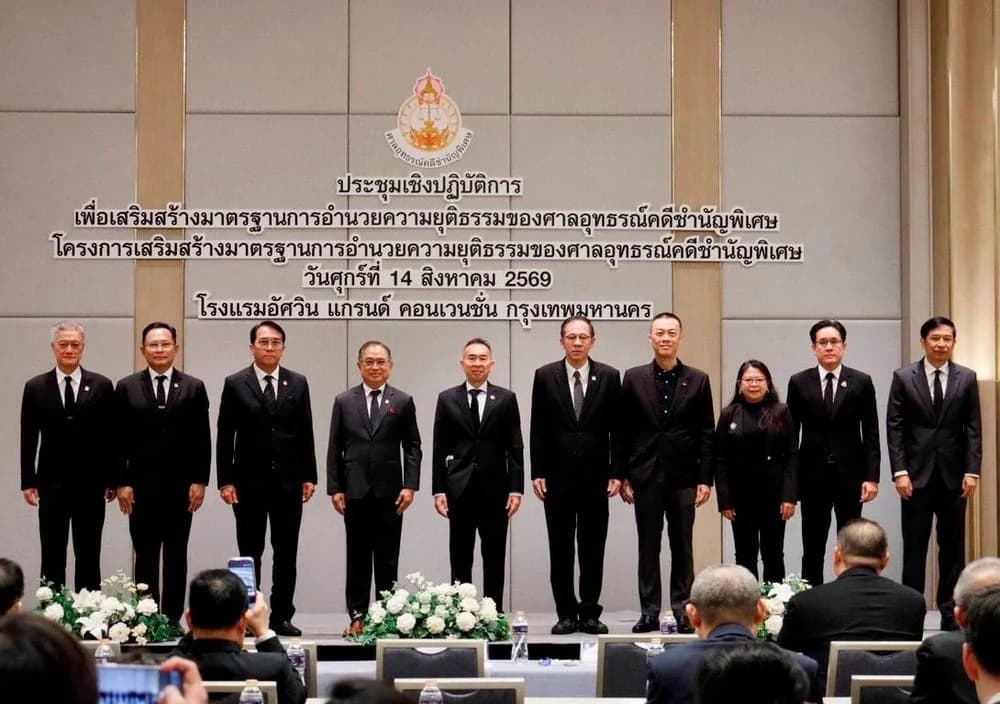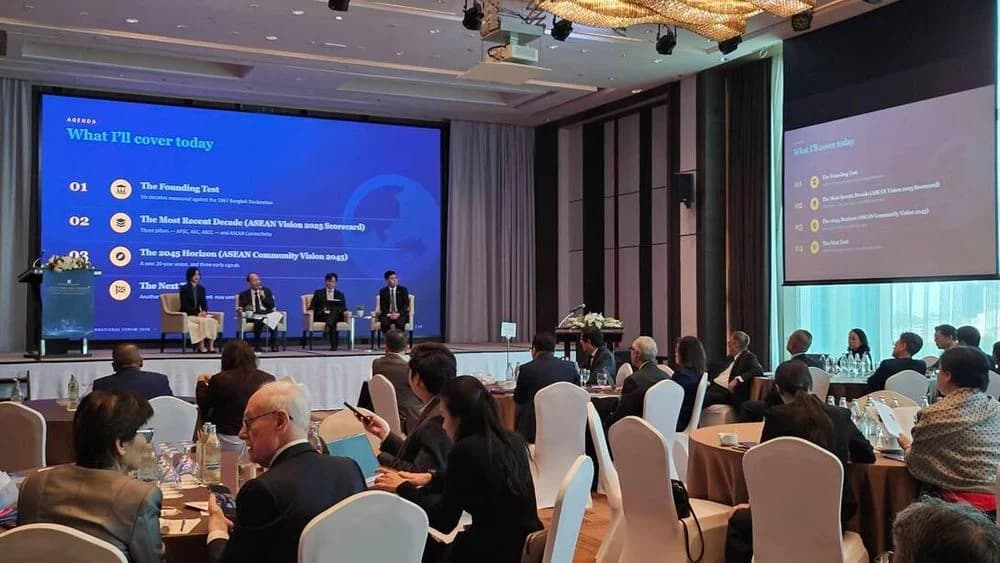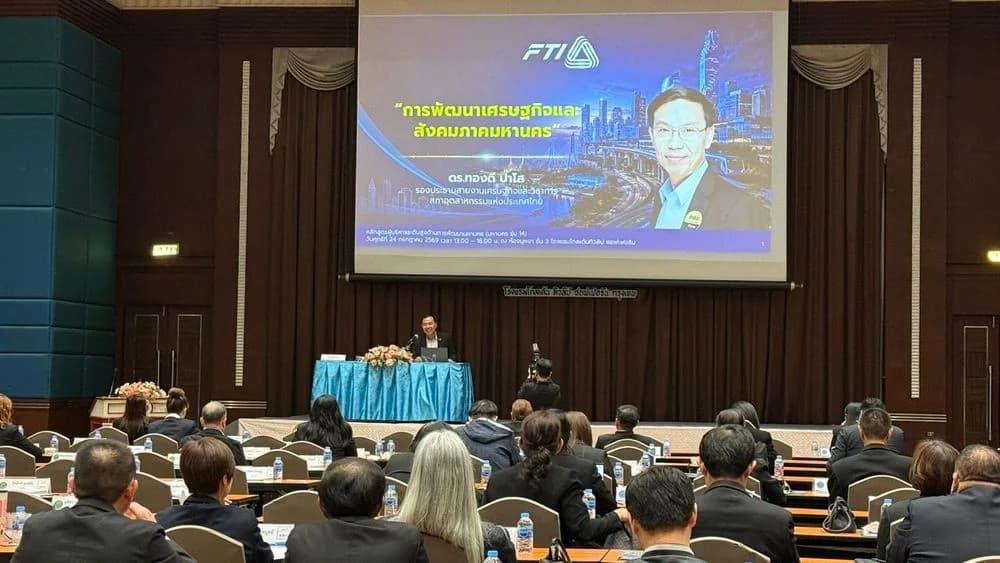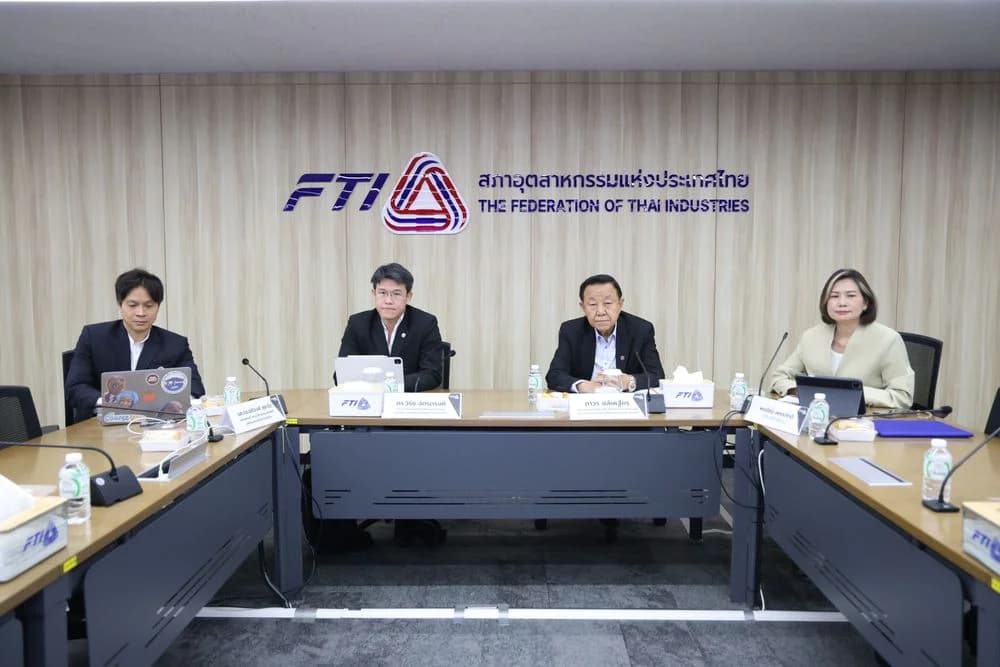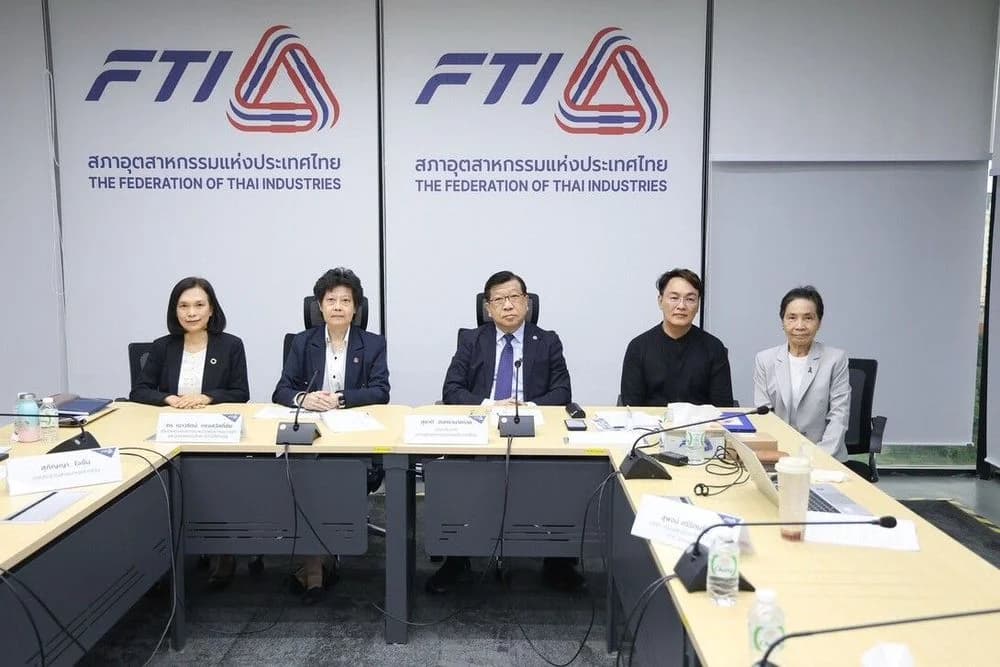

เมื่อวันที่ 7 พฤษภาคม 2568 นายเกรียงไกร เธียรนุกุล ประธานสภาอุตสาหกรรมแห่งประเทศไทย (ส.อ.ท.) มอบหมายให้นายวิวรรธน์ เหมมณฑารพ รองประธาน ส.อ.ท. ร่วมเสวนาเชิงวิชาการเรื่อง "บทบาทในการดำเนินคดีทุจริต ภายใต้แนวนโยบายของรัฐบาล" เพื่อตอบสนองความต้องการของประชาชน ภายใต้แนวคิด “พลังศรัทธา พลังล่าทุจริต” จัดโดย สำนักงานคณะกรรมการป้องกันและปราบปรามการทุจริตในภาครัฐ (ป.ป.ท.)
โดยได้รับเกียรติจากนายภูมิธรรม เวชยชัย รองนายกรัฐมนตรี และรัฐมนตรีว่าการกระทรวงกลาโหม เป็นประธานในพิธี ณ ห้องจูปิเตอร์ 4–6 อาคารอิมแพ็ค ชาเลนเจอร์ เมืองทองธานี
โครงการเสวนาเชิงวิชาการดังกล่าว จัดขึ้นโดยกองกฎหมาย สำนักงาน ป.ป.ท. ภายใต้ความร่วมมือจากหน่วยงานที่เกี่ยวข้อง ซึ่งได้เชิญผู้แทนจากหน่วยงานภาครัฐ องค์กรอิสระ ภาควิชาการ ภาคเอกชน และสื่อมวลชน ขึ้นเวทีเสวนาแลกเปลี่ยนความคิดเห็น ข้อเสนอแนะ และแนวทางในการพัฒนากระบวนการดำเนินคดีทุจริตให้มีประสิทธิภาพ สอดคล้องกับนโยบายของรัฐบาลในด้านการยึดหลักนิติธรรม ความโปร่งใส การปฏิรูประบบราชการ และยกระดับการบริการภาครัฐให้ทันสมัยและมีประสิทธิภาพ สามารถนำไปพัฒนา เพื่อเพิ่มประสิทธิภาพของหน่วยงานในการบูรณาการเพื่อป้องกันการทุจริตประพฤติมิชอบอย่างเป็นระบบและตอบสนองต่อความต้องการของประชาชนอย่างแท้จริง
ทั้งนี้ นายวิวรรธน์ ได้กล่าวเน้นย้ำว่า สภาอุตสาหกรรมแห่งประเทศไทย (ส.อ.ท.) มองว่า ปัจจุบันปัญหาการทุจริตในประเทศไทยยังคงเป็นอุปสรรคสำคัญต่อการดำเนินธุรกิจและการพัฒนาเศรษฐกิจโดยรวม การทุจริตในกระบวนการอนุมัติ อนุญาต หรือจัดซื้อจัดจ้างในภาครัฐ ส่งผลให้เกิดต้นทุนแฝงในการดำเนินธุรกิจ ลดความสามารถในการแข่งขันของผู้ประกอบการ และบั่นทอนความเชื่อมั่นจากนักลงทุนทั้งในและต่างประเทศ
ดังนั้น จึงควรมีแนวทางเพื่อป้องกันและแก้ไข ดังนี้
- ยกระดับระบบดิจิทัลในการบริการภาครัฐ (Digital Government) เพื่อลดการพึ่งพาดุลยพินิจของเจ้าหน้าที่
- ส่งเสริมความโปร่งใสในการจัดซื้อจัดจ้างภาครัฐ ด้วยระบบ e-bidding และเปิดเผยข้อมูลให้ประชาชนสามารถตรวจสอบได้
- สนับสนุนกลไกภาคเอกชนในการตรวจสอบซึ่งกันและกัน เช่น แนวทางโครงการแนวร่วมปฏิบัติของภาคเอกชนไทยในการต่อต้านการทุจริต หรือเรียกสั้น ๆ ว่า CAC (Thai Private Sector Collective Action Against Corruption)
- ส่งเสริมการศึกษาและจริยธรรมในภาคอุตสาหกรรม โดยเฉพาะในกลุ่ม SMEs ที่อาจขาดความรู้เกี่ยวกับแนวปฏิบัติที่ดี
- ผลักดันการบังคับใช้กฎหมายอย่างเคร่งครัดและเป็นธรรม เพื่อให้เห็นผลลัพธ์ที่ชัดเจนในการดำเนินคดีกับผู้ทุจริต
หากทุกภาคส่วนร่วมมือกันและมีจุดยืนที่ชัดเจนในการต่อต้านการทุจริต ประเทศไทยจะสามารถสร้างระบบเศรษฐกิจที่โปร่งใส เป็นธรรม และยั่งยืนได้ในอนาคต
On May 7, 2025, Mr. Kriangkrai Thiennukul, Chairman of the Federation of Thai Industries (FTI), assigned Mr. Wiwat Hemmantharap, Vice Chairman of FTI, to participate in an academic seminar titled "The Role in Prosecuting Corruption Under Government Policy" to respond to the public's needs, under the theme “Faith Power, Anti-Corruption Power” organized by the Office of the National Anti-Corruption Commission (NACC).
The seminar was honored by the presence of Mr. Phumitham Wechayachai, Deputy Prime Minister and Minister of Defence, who presided over the ceremony at Jupiter Room 4–6, Impact Challenger, Muang Thong Thani.
The aforementioned academic seminar was organized by the Legal Division of the NACC in collaboration with relevant agencies, inviting representatives from government bodies, independent organizations, academia, the private sector, and the media to participate in discussions and exchanges of opinions, suggestions, and strategies to enhance the effectiveness of corruption prosecution processes in line with government policies on upholding the rule of law, transparency, public service reform, and modernizing and improving the efficiency of public services. This can lead to the development of measures to increase the efficiency of agencies in systematically integrating efforts to prevent corruption and misconduct in a manner that genuinely addresses the public's needs.
Mr. Wiwat emphasized that the Federation of Thai Industries (FTI) views that the current issue of corruption in Thailand remains a significant obstacle to business operations and overall economic development. Corruption in approval processes or public procurement leads to hidden costs for business operations, reduces competitiveness for entrepreneurs, and undermines confidence from both domestic and foreign investors.
Therefore, preventive and corrective measures should be implemented as follows:
- Elevate the digital government services system to reduce dependency on officials' discretion.
- Promote transparency in government procurement through e-bidding systems and make information available for public scrutiny.
- Support the private sector's mechanisms for mutual oversight, such as the Thai Private Sector Collective Action Against Corruption (CAC).
- Promote education and ethics in the industrial sector, especially among SMEs that may lack knowledge of good practices.
- Advocate for strict and fair law enforcement to achieve clear outcomes in prosecuting corrupt individuals.
If all sectors cooperate and have a clear stance against corruption, Thailand can build a transparent, equitable, and sustainable economic system in the future.