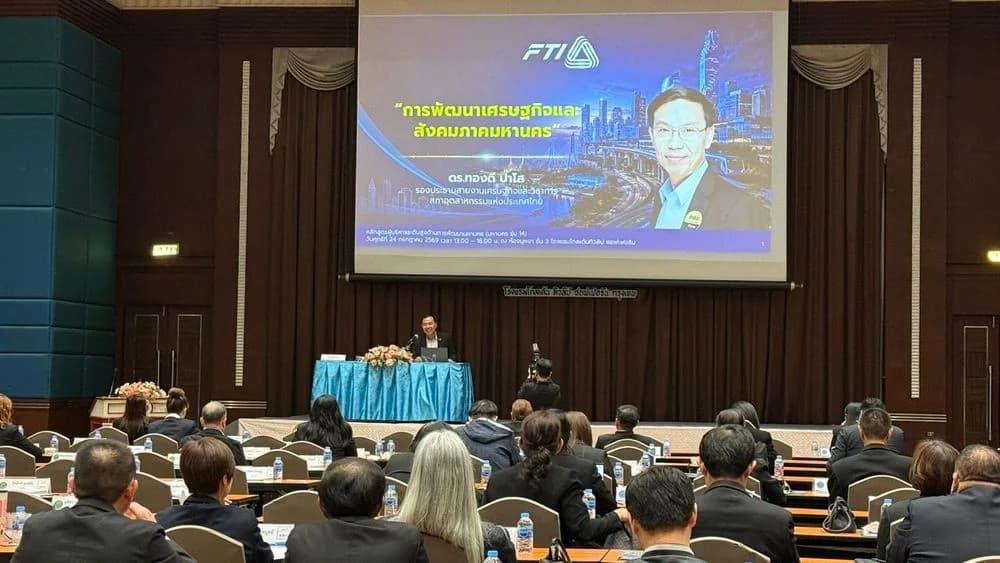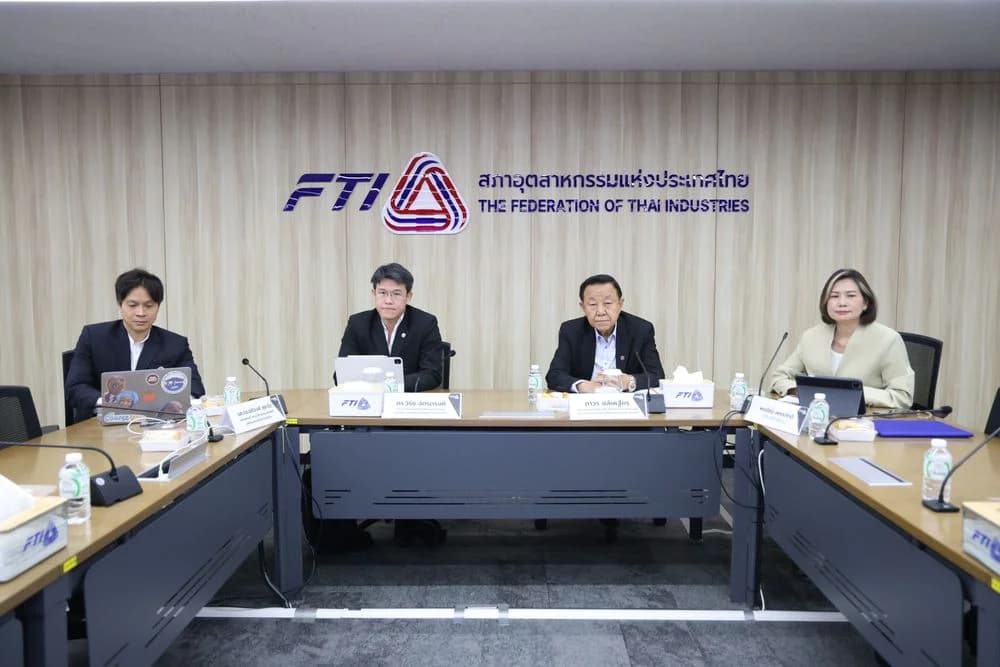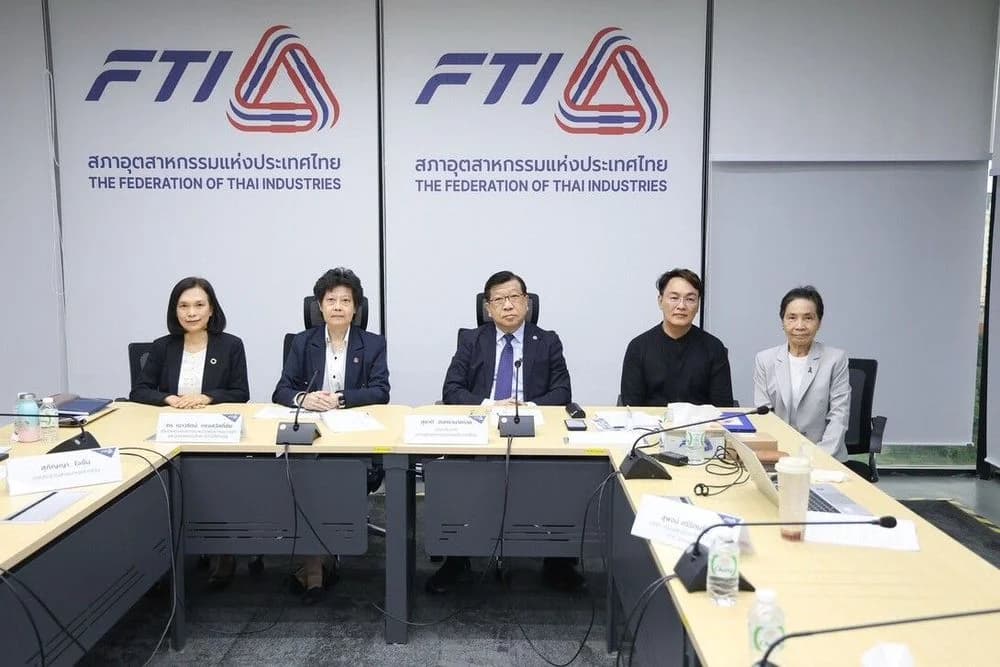

เมื่อวันที่ 31 พฤษภาคม 2568 นายอิศเรศ รัตนดิลก ณ ภูเก็ต รองประธานสภาอุตสาหกรรมแห่งประเทศไทย (ส.อ.ท.) ได้รับเกียรติเป็นวิทยากรบรรยายให้ความรู้กับผู้เข้ารับการศึกษาในหลักสูตรประกาศนียบัตรชั้นสูงการบริหารงานภาครัฐและกฎหมายมหาชน (ปรม.) รุ่นที่ 24 สถาบันพระปกเกล้าในหัวข้อ “การบริหารงานความร่วมมือระหว่างรัฐและเอกชน” ร่วมกับ นางวชิรญา เพิ่มภูศรี รองผู้อำนวยการสำนักงานคณะกรรมการนโยบายรัฐวิสาหกิจ โดยมีดร.อนุสรณ์ ธรรมใจ รองศาสตราจารย์ เป็นวิทยากรผู้ดำเนินการ ทั้งนี้มีผู้เข้ารับฟังบรรยายเป็นผู้บริหารระดับสูงหน่วยงานรัฐ และภาคเอกชนกว่า 144 ท่าน ณ ห้องประชาธิปก สถาบันพระปกเกล้า
การบรรยายดังกล่าว นายอิศเรศได้มีการนำเสนอปัจจัยที่ส่งผลต่อเศรษฐกิจไทย ปี 2568 ประกอบด้วย 4 ปัจจัยลบ ได้แก่ 1. นโยบายทรัมป์ 2.0 กดดันต่อระบบการค้าโลก เกิดมาตรการกีดกันการค้า 2. ปัญหาสินค้าทุ่มตลาด และสวมสิทธิ์ส่งออกลดทอนขีดความสามารถในการแข่งขันของผู้ประกอบการ 3. ภาระหนี้ครัวเรือนและหนี้ธุรกิจ กระทบกำลังซื้อภายในประเทศ และสภาพคล่องทางการเงินของผู้ประกอบการ 4. การเปลี่ยนแปลงสภาพภูมิอากาศ เกิดความเสี่ยงภัยธรรมชาติ ส่งผลต่อผลผลิตทางการเกษตรที่ลดลง และ 4 ปัจจัยบวก ได้แก่ 1. งบลงทุนภาครัฐที่เพิ่มขึ้น เป็น 9.08 แสนล้านบาท +27.9%YoY ช่วยหนุนเศรษฐกิจ 2. การลงทุน FDI ยังขยายตัวต่อเนื่อง จากการจัดระเบียบซัพพลายเชน (Supply Chain) ใหม่ของโลก รวมถึงการกระจายฐานการผลิต 3. ภาคท่องเที่ยวฟื้นตัวต่อเนื่องจำนวนนักท่องเที่ยวต่างชาติ เพิ่มขึ้นใกล้เคียงช่วงก่อนโควิด ประกอบกับการเพิ่มขึ้นของค่าใช้จ่ายต่อหัว 4. แผนการขับเคลื่อนเศรษฐกิจ กรอบวงเงิน 157,000 ล้านบาท พัฒนาโครงสร้างพื้นฐาน พัฒนาทุนมนุษย์ ปลดล็อคกฎเกณฑ์
นอกจากนี้ นายอิศเรศ ยังได้กล่าวถึงการเพิ่มการเติบโตทางเศรษฐกิจ ด้วยวิธีการปฏิรูปกฎหมายเป็นวิธีที่มีต้นทุนต่ำสุดและมีโอกาสสำเร็จได้ง่าย เมื่อเทียบกับเครื่องมือทางการเงินการคลัง โดยจะต้องอาศัย 8 ปัจจัยที่ทำให้ ความร่วมมือของภาครัฐและเอกชนประสบความสำเร็จด้านเศรษฐกิจ ได้แก่ 1. การกำหนดนโยบายและวางแผนส่งเสริมและผลักดันเศรษฐกิจร่วมกัน 2. การตั้ง KPI ร่วมกัน 3. การจัดลำดับความสำคัญ และจัดสรรงบประมาณให้เหมาะสมก่อนดำเนินงาน 4. การมีระบบตรวจสอบ และทำให้เกิดความโปร่งใส 5. การแก้ปัญหาเชิงโครงสร้างและขับเคลื่อนเศรษฐกิจในทุกมิติ 6. การเร่งเพิ่มขีดความสามารถในการแข่งขัน (Competitiveness) 7. การสร้าง New Growth Engine ขับเคลื่อนเศรษฐกิจในอนาคต 8. การส่งเสริมการลงทุนโครงสร้างพื้นฐานผ่านการร่วมทุนของภาคเอกชน (PPP)
On May 31, 2025, Mr. Isares Rathandilok na Phuket, Vice Chairman of the Federation of Thai Industries (FTI), was honored to serve as a guest speaker for the attendees of the Executive Certificate Program in Public Administration and Public Law (EPP), 24th cohort, at King Prajadhipok's Institute. He presented on the topic of “The Management of Cooperation between the State and the Private Sector” alongside Mrs. Wachiraya Phengpoolsri, Deputy Director of the State Enterprise Policy Office, with Dr. Anusorn Thamjai, Associate Professor, serving as the moderator. The lecture was attended by over 144 high-ranking officials from public and private sectors, held at the Democrat Room of King Prajadhipok's Institute.
During the lecture, Mr. Isares presented factors impacting the Thai economy for 2025, comprised of four negative factors: 1. The impact of Trump 2.0 policies on global trade, leading to trade barriers; 2. Issues of dumped goods and fraud in exports that diminish the competitiveness of entrepreneurs; 3. Household and business debt burdens affecting domestic purchasing power and the financial liquidity of entrepreneurs; 4. Climate change resulting in natural disaster risks affecting agricultural production decline. Additionally, he identified four positive factors: 1. Increased public investment budget to 908 billion baht, +27.9% YoY, supporting the economy; 2. Continuous expansion of Foreign Direct Investment (FDI) due to global supply chain restructuring and production base diversification; 3. Ongoing recovery in the tourism sector with the number of foreign tourists approaching pre-COVID levels, along with an increase in per capita spending; 4. Economic driving plan with a budget of 157 billion baht aimed at developing infrastructure, human capital, and deregulation.
Furthermore, Mr. Isares discussed enhancing economic growth through legal reforms as the most cost-effective method with a higher chance of success compared to fiscal instruments. This requires eight factors to ensure the success of public-private cooperation in economic matters: 1. Defining policies and planning joint economic promotion and support; 2. Establishing common KPIs; 3. Prioritizing and appropriately allocating budgets before implementation; 4. Having a system for oversight and ensuring transparency; 5. Addressing structural issues and advancing the economy in all dimensions; 6. Accelerating the enhancement of competitiveness; 7. Creating new growth engines for future economic momentum; 8. Promoting infrastructure investment through private sector partnerships (PPP).