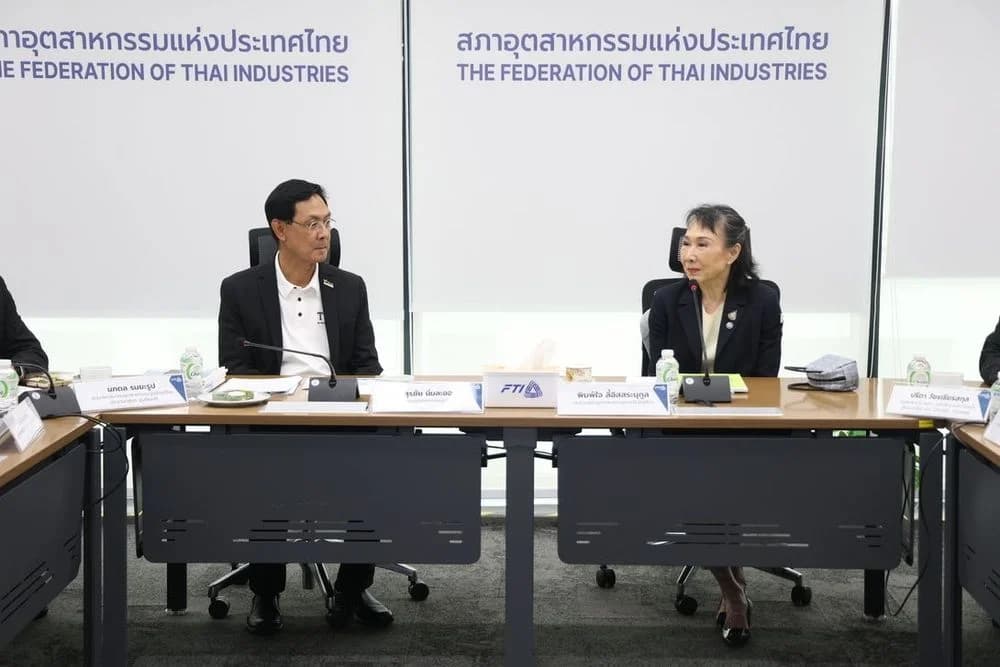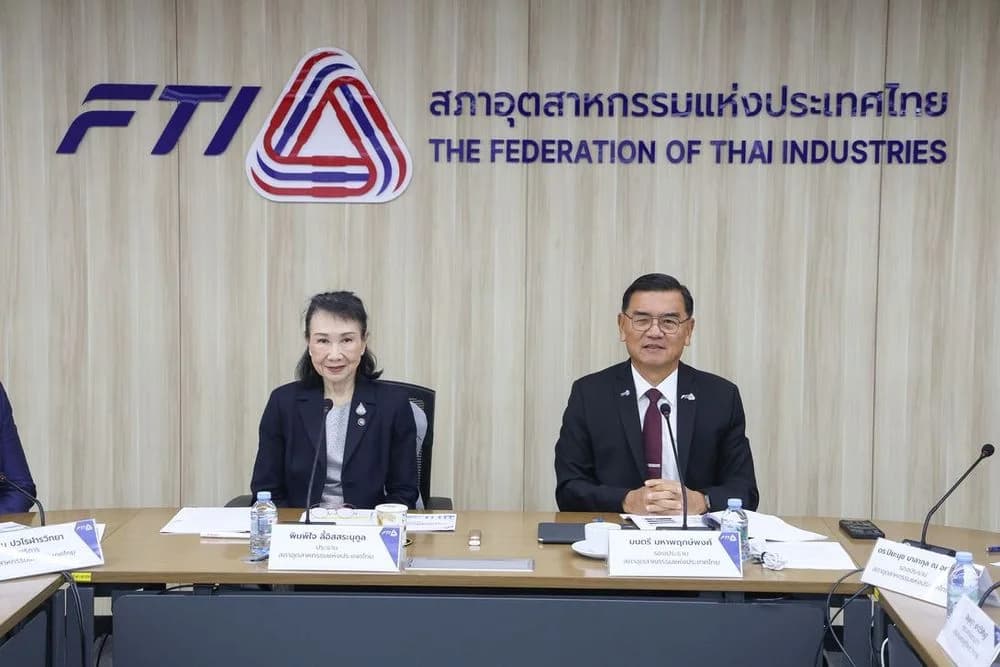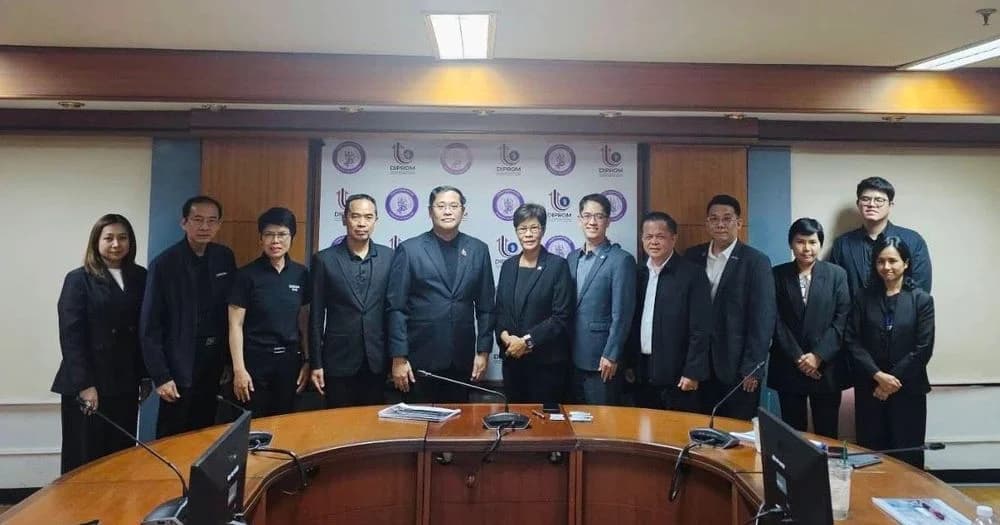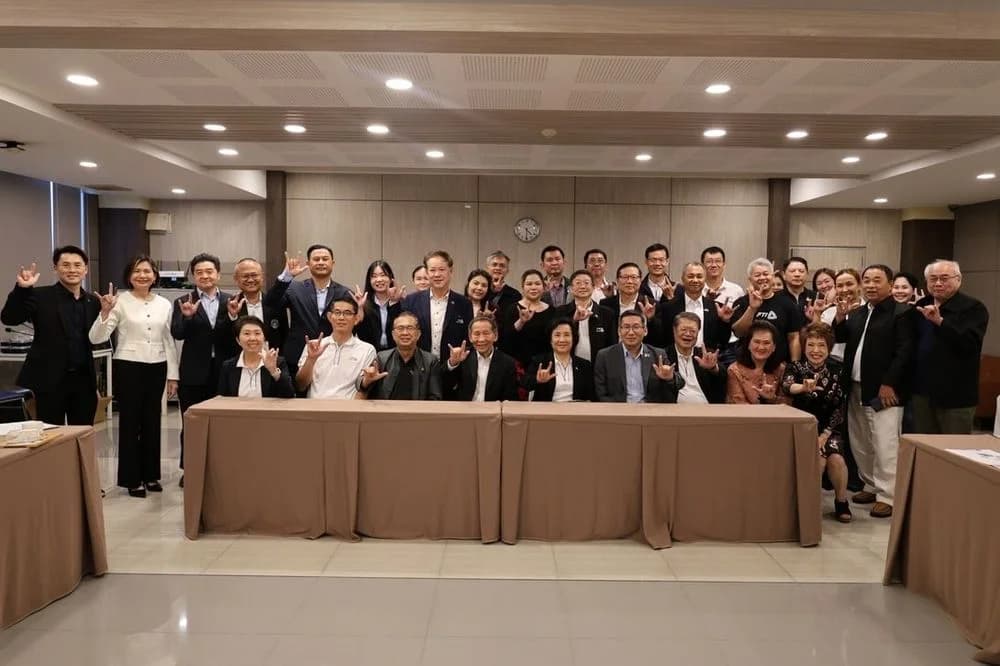

วันพุธที่ 4 มิถุนายน 2568 นายผยง ศรีวณิช ประธานกรรมการสมาคมธนาคารไทย เป็นประธานการประชุมคณะกรรมการร่วมภาคเอกชน 3 สถาบัน (กกร.) โดยมี นายเกรียงไกร เธียรนุกุล ประธานสภาอุตสาหกรรมแห่งประเทศไทย (ส.อ.ท.) และนายภูมินทร์ หะรินสุต รองประธานกรรมการหอการค้าไทย ร่วมในการแถลงข่าว ณ โรงแรมแกรนด์ ไฮแอท เอราวัณ กรุงเทพฯ
เศรษฐกิจโลกมีแนวโน้มชะลอตัวลง และมีความไม่แน่นอนสูงขึ้น หลังมาตรการภาษีของรัฐบาลสหรัฐฯ อยู่ระหว่างการพิจารณาทางกฎหมาย นอกจากนี้ล่าสุดรัฐบาลสหรัฐฯ ได้เพิ่มภาษี sectoral tariff เหล็กและอะลูมิเนียมจาก 25% เป็น 50% อย่างไรก็ตาม ความคืบหน้าของการเจรจาการค้าระหว่างสหรัฐฯ กับ จีน สหราชอาณาจักร และสหภาพยุโรป มีส่วนช่วยลดความตึงเครียดของสงครามการค้าในระดับหนึ่ง
แรงส่งของเศรษฐกิจไทยแผ่วลง ตัวเลขเศรษฐกิจไทยในไตรมาสที่ 1 ปี 2568 ขยายตัวที่ 3.1%YOY แต่ส่วนหนึ่งเป็นผลจากปัจจัยชั่วคราวตามการลงทุนภาครัฐซึ่งเทียบกับฐานต่ำในปีก่อน หากไม่นับปัจจัยดังกล่าวเศรษฐกิจไทยจะขยายตัวได้ประมาณ 2.1%YOY เท่านั้น โดยการบริโภคภาคเอกชนชะลอลง ขณะที่การลงทุนภาคเอกชนหดตัวต่อเนื่อง และจำนวนนักท่องเที่ยวจีนลดลง ด้านการส่งออกสินค้าแม้จะขยายตัวสูงกว่า 15%YOY ตามการเร่งส่งออก แต่กลับไม่ได้ส่งผลบวกต่อภาคการผลิตซึ่งขยายตัวเพียง 0.6%YOY โดยส่วนใหญ่เป็นการส่งออกโดยใช้สินค้าคงคลังและผู้ประกอบการไม่ได้ผลิตเพื่อทดแทนสินค้าคงคลังที่ลดลง
เศรษฐกิจไทยปี 2568 มีแนวโน้มขยายตัวต่ำกว่าที่ประเมินไว้ โดยคาดว่าจะเติบโตได้ที่ 1.5-2.0% ตามการส่งออกสินค้าและการลงทุนภาคเอกชนที่มีแนวโน้มชะลอตัวลงในครึ่งปีหลัง ทั้งนี้ การที่เศรษฐกิจจะเติบโตได้ที่ 2.0% จำเป็นต้องมีโครงการกระตุ้นเศรษฐกิจที่มุ่งเป้า และเป็นไปตามวัตถุประสงค์ที่ต้องการกระตุ้นเศรษฐกิจอย่างมีประสิทธิภาพ รวมทั้งเร่งรัดการใช้จ่ายภาครัฐให้ได้อย่างน้อย 70% ของวงเงินกระตุ้นเศรษฐกิจ 1.57 แสนล้านบาท นอกจากนี้ยังต้องเร่งขยายตลาดนักท่องเที่ยวระยะไกล (Long-haul) ซึ่งตั้งแต่ต้นปีขยายตัวราว 17.0% เพื่อทดแทนนักท่องเที่ยวจากจีนที่ลดลงและสร้างความเชื่อมั่นด้านความปลอดภัยให้กับนักท่องเที่ยว ทั้งนี้ แม้คาดว่าในช่วงครึ่งแรกของปี 2568 เศรษฐกิจจะขยายตัวใกล้เคียง 3.0%YOY แต่ครึ่งหลังมีแนวโน้มที่จะขยายตัวไม่ถึง 1%YOY โดยขึ้นอยู่กับผลการเจรจาภาษีระหว่างสหรัฐฯ และไทย เทียบกับประเทศคู่แข่ง ตลอดจนแนวโน้มการเพิ่มขึ้นของสินค้านำเข้าจากจีน ซึ่งอาจส่งผลกระทบเป็นวงกว้างต่อธุรกิจและการจ้างงาน ดังนั้น มาตรการภาครัฐที่ปัจจุบันเป็นมาตรการระยะสั้น จึงควรมองต่อเนื่องทั้งมาตรการระยะกลางและระยะยาวเพื่อให้เกิดการแก้ปัญหาเชิงโครงสร้างต่อเนื่อง อีกทั้งควรมีความยืดหยุ่นและสอดรับกับสถานการณ์ที่มีความไม่แน่นอนสูง โดยเฉพาะการช่วยเหลือผู้ประกอบการที่ได้รับผลกระทบจากการส่งออก ตลอดจนป้องกันการไหลบ่าของสินค้านำเข้าผ่านการควบคุมมาตรฐานและตรวจสอบสินค้าผ่านด่านอย่างเข้มงวด รวมทั้งป้องกันการสวมสิทธิ์เพื่อส่งออก และสอดรับกับสถานการณ์ที่มีความไม่แน่นอนสูง โดยเฉพาะการช่วยเหลือผู้ประกอบการที่ได้รับผลกระทบจากการส่งออก ตลอดจนป้องกันการไหลบ่าของสินค้านำเข้าผ่านการควบคุมมาตรฐานและตรวจสอบสินค้าผ่านด่านอย่างเข้มงวด รวมทั้งป้องกันการสวมสิทธิ์เพื่อส่งออก
ที่ประชุม กกร. มีความกังวลประเด็นการสวมสิทธิ์การส่งออก และการ re-export โดยใช้ local content ต่ำ ซึ่งไม่ได้ส่งผลบวกต่อเศรษฐกิจ แม้ว่าการส่งออกจะขยายตัวได้สูง แต่ก็มีการนำเข้าที่สูง ขณะที่ภาคการผลิต การบริโภคในประเทศ และการลงทุนภาคเอกชนที่ไม่ได้เพิ่มขึ้นตาม นอกจากนี้ ประเทศไทยยังขาดการเชื่อมโยงด้านการนำเข้ากับส่งออก ที่ทำให้เข้าใจภาพเศรษฐกิจในเชิงลึก เพื่อให้สามารถติดตามและแก้ปัญหา re-export ได้อย่างเป็นรูปธรรมมากขึ้น
กรอบประมาณการเศรษฐกิจปี 2568 ของ กกร.
(ณ เม.ย. 68) ปี 2568
GDP 2.4 ถึง 2.9
ส่งออก 1.5 ถึง 2.5
เงินเฟ้อ 0.8 ถึง 1.2
(ณ พ.ค. 68) ปี 2568
GDP 2.0 ถึง 2.2
ส่งออก 0.3 ถึง 0.9
เงินเฟ้อ 0.5 ถึง 1.0
(ณ มิ.ย. 68) ปี 2568
GDP 1.5 ถึง 2.0
ส่งออก -0.5 ถึง 0.3
เงินเฟ้อ 0.5 ถึง 1.0
กกร. แสดงความกังวลเกี่ยวกับความคืบหน้าในการเจรจาอัตราภาษีระหว่างไทยและสหรัฐฯ ซึ่งปัจจุบันกรอบเวลาในการเจรจายังไม่ชัดเจน และมีความเสี่ยงสูง โดยเชื่อมโยงกับประเด็นด้านภูมิรัฐศาสตร์ซึ่งอาจส่งผลกระทบต่อการเจรจา โดยระยะเวลาผ่อนปรนภาษี 90 วันของสหรัฐฯ จะสิ้นสุดลงในวันที่ 8 ก.ค.
กกร. เห็นด้วยกับการขยายเวลาลงทะเบียนโครงการ “คุณสู้ เราช่วย” เฟส 1 จนถึง 30 มิ.ย. และแนวทาง เฟส 2 ที่ขยายคุณสมบัติลูกหนี้ที่เข้าโครงการได้ เช่น ผ่อนเกณฑ์เรื่องการค้างชำระหนี้สำหรับลูกค้าที่เคยปรับโครงสร้างหนี้ ในมาตรการ “จ่ายตรงคงทรัพย์” และการขยายภาระหนี้ที่สามารถเข้ามาตรการ “จ่าย ปิด จบ” ได้ อย่างไรก็ดี ยังจำเป็นต้องมีมาตรการรองรับในระยะถัดไป โดยเฉพาะการสร้างรายได้ เสริมสวัสดิการ ให้ลูกหนี้มีศักยภาพได้ด้วยตนเองภายหลังจบโครงการ 3 ปี เพื่อไม่เป็นการแก้ปัญหาที่ปลายเหตุไปเรื่อยๆ
ที่ประชุม กกร. มีความกังวลต่อสถานการณ์ค่าเงินบาทที่แข็งค่าขึ้นอย่างรวดเร็ว มาอยู่ในช่วง 32.5-32.7 บาทต่อดอลลาร์ฯ โดยแข็งค่ามากกว่าประเทศในภูมิภาค เช่น เวียดนาม สิงคโปร์ และจีน ในเดือนที่ผ่านมา ทำให้ค่าเงินบาทแข็งค่ากว่าระดับที่ธุรกิจแข่งขันได้ โดยมองว่าควรให้ความสำคัญกับการดูแลค่าเงินไม่ให้แข็งค่าหรือผันผวนเร็วจนเกินไป และการสื่อสารฯเชิงรุกเพื่อให้ภาคธุรกิจสามารถรับรู้และปรับตัวได้ทันการณ์ อีกทั้งยังจำเป็นต้องมีการส่งผ่านประโยชน์จากค่าเงินบาทแข็ง เช่นต้นทุนนำเข้าสินค้าพลังงาน และวัตถุดิบในภาคเกษตรฯ ที่ลดลงไปยังภาคการผลิตและภาคประชาชนให้ได้อย่างเป็นระบบ
นอกจากนี้ ที่ประชุม กกร. มีความกังวลต่อขีดความสามารถในการแข่งขันของผู้ประกอบการไทยทั้งจากสภาพเศรษฐกิจไทยที่ชะลอตัว แรงกดดันจากสงครามการค้า และการไหลทะลักเข้ามาของสินค้าจากต่างประเทศ ทำให้ผู้ประกอบการประสบปัญหาสภาพคล่องทางการเงินโดยเฉพาะผู้ประกอบการ SMEs ดังนั้นเพื่อเป็นมาตรการลดภาระให้กับผู้ประกอบการไทย กกร. จึงเสนอให้ภาครัฐพิจารณาปรับลดวงเงินประกันการใช้ไฟฟ้าสำหรับผู้ประกอบการประเภทที่ 3 กิจการขนาดกลาง ประเภทที่ 4 กิจการขนาดใหญ่ และประเภทที่ 5 กิจการเฉพาะอย่าง (กิจการโรงแรมและให้เช่าพักอาศัย) ที่ปัจจุบันมีการวางเงินประกันการใช้ไฟฟ้ารวมกว่า 3 หมื่นล้านบาท โดยขอให้ปรับลดวงเงินประกันฯ ให้เหลือ 0.5 เท่า สำหรับผู้ใช้ไฟฟ้าที่มีการชำระค่าไฟฟ้าตามกำหนด จากเดิมที่สำนักงานคณะกรรมการกำกับกิจการพลังงาน (กกพ.) มีมติเมื่อวันที่ 28 ตุลาคม 2567 ปรับเหลือ 0.8 เท่า ทั้งนี้อาจปรับเพิ่มวงเงินขึ้นตามสัดส่วนที่เหมาะสมสำหรับผู้ประกอบการที่มีการผิดนัดชำระค่าไฟฟ้า โดยการปรับลดวงเงินประกันดังกล่าวจะมีส่วนช่วยส่งเสริมให้ผู้ประกอบการมีสภาพคล่องทางการเงินในการดำเนินธุรกิจมากขึ้นในช่วงที่สภาพเศรษฐกิจที่ความผันผวนสูง
แถลงข่าวโดย
คุณผยง ศรีวณิช : ประธานกรรมการสมาคมธนาคารไทย
คุณเกรียงไกร เธียรนุกุล : ประธานสภาอุตสาหกรรมแห่งประเทศไทย
คุณภูมินทร์ หะรินสุต : รองประธานกรรมการหอการค้าไทย
On Wednesday, June 4, 2025, Mr. Payong Srivanich, Chairman of the Thai Bankers' Association, presided over the meeting of the Joint Committee on the Private Sector of Three Institutions (JCP) with Mr. Kriangkrai Thiennukul, President of the Federation of Thai Industries (FTI), and Mr. Phumint Harinsoot, Vice Chairman of the Thai Chamber of Commerce, participating in the press conference at the Grand Hyatt Erawan Hotel in Bangkok.
The global economy is showing signs of slowdown and increased uncertainty as U.S. government tax measures are currently under legal review. Recently, the U.S. government has raised the sectoral tariff on steel and aluminum from 25% to 50%. However, progress in trade negotiations between the U.S. and China, the United Kingdom, and the European Union has contributed to a reduction in trade war tensions to some extent.
The momentum of the Thai economy has weakened, with the Thai economic growth rate for the first quarter of 2025 expanding by 3.1% YoY. However, this rate is partially attributable to temporary factors related to public investment compared to a low base from the previous year. Excluding these factors, the Thai economy would only grow by approximately 2.1% YoY. Additionally, private consumption has slowed down, while private investment continues to contract, and the number of Chinese tourists has declined. Despite exports expanding by over 15% YoY due to acceleration in exports, this has not positively impacted the manufacturing sector, which only grew by 0.6% YoY, primarily resulting from exports using inventory, and businesses did not produce to replenish reduced stocks.
The Thai economy in 2025 is projected to grow lower than previously anticipated, expected to expand at a rate of 1.5-2.0%, mainly due to declining trends in exports and private sector investment in the second half of the year. To achieve a growth rate of 2.0%, targeted economic stimulus projects are necessary, which must effectively contribute to economic stimulation as well as expedite public spending to utilize at least 70% of the 157 billion baht stimulus package. Furthermore, there needs to be an expansion of long-haul tourism markets, which has grown by approximately 17.0% since the beginning of the year, to offset declines from Chinese tourists and to build confidence in safety for travelers. Although it is anticipated that during the first half of 2025 the economy will grow close to 3.0% YoY, the second half is projected to grow less than 1% YoY, depending on the outcomes of tax negotiations between the U.S. and Thailand, in comparison to competitors, as well as the trend of increasing imports from China that could have widespread impacts on businesses and employment. As such, current short-term government measures should also consider medium and long-term measures to provide sustainable structural solutions, along with necessary flexibility to adapt to high uncertainty situations, especially to assist operators affected by exports, prevent the influx of imported goods through strict standards and inspections, and guard against fraudulent export claims.
The JCP is concerned about the issue of export rights abuse and re-exportation using low local content, which does not positively impact the economy. Although exports have shown considerable growth, import levels remain high, while domestic consumption, manufacturing, and private investment have not grown accordingly. Furthermore, Thailand still lacks the linkage between imports and exports that would provide a deeper economic understanding to track and address re-export issues more concretely.
The JCP's economic forecast for 2025 is as follows:
As of April 2025:
GDP: 2.4 to 2.9%
Exports: 1.5 to 2.5%
Inflation: 0.8 to 1.2%
As of May 2025:
GDP: 2.0 to 2.2%
Exports: 0.3 to 0.9%
Inflation: 0.5 to 1.0%
As of June 2025:
GDP: 1.5 to 2.0%
Exports: -0.5 to 0.3%
Inflation: 0.5 to 1.0%
The JCP expresses concerns regarding the progress of tax negotiations between Thailand and the U.S., as the current timeline remains unclear and poses high risks related to geopolitical issues that may impact negotiations. The U.S.'s 90-day tax exemption period will expire on July 8.
The JCP supports the extension of the registration period for the “Khun Soo, Rao Chao” Project, Phase 1, until June 30, as well as the Phase 2 guidelines that broaden the eligibility criteria for debtors, such as relaxing overdue debt criteria for clients who have restructured debts under the “Pay Direct, Preserve Assets” measure, and extending the debt burden eligibility for “Pay Off, Finish” measures. However, there is still a need for subsequent support measures, especially focusing on income generation and enhancing self-reliance capabilities for debtors post-project completion over three years, to avoid continuously addressing the problem at its surface.
The JCP expresses concern over the rapidly strengthening Thai Baht, currently ranging from 32.5 to 32.7 baht per dollar, which has appreciated more than currencies in the region, such as Vietnam, Singapore, and China, over the past month, making the Thai baht exceed competitive business levels. It is viewed that maintaining the exchange rate to ensure it does not strengthen or fluctuate too rapidly should be prioritized, along with proactive communication strategies so that the business sector can adapt timely. Additionally, it is essential to systematically transfer the benefits of a stronger baht, such as reduced costs for energy imports and agricultural raw materials, to the manufacturing sector and the general public.
Moreover, the JCP is concerned regarding the competitiveness of Thai entrepreneurs amidst the slowing Thai economy, pressures from trade wars, and the influx of foreign goods, which have led to liquidity challenges, particularly for SMEs. Therefore, as a measure to alleviate burdens on Thai entrepreneurs, the JCP proposes that the government consider reducing the security deposit requirements for electricity use for medium enterprises (Type 3), large enterprises (Type 4), and specific businesses (Type 5) such as hotels and rental accommodations, where currently deposits total over 30 billion baht. They suggest adjusting the deposit to 0.5 times the amount for electricity users who pay on time, from the Commission's previous decision on October 28, 2024, which reduced it to 0.8 times. This adjustment may include an increase in deposit amounts proportional to suitable ratios for businesses that default on payments. Such a reduction in security deposits would enhance the liquidity of businesses during this period of high economic volatility.
News Presented By
Mr. Payong Srivanich: Chairman of the Thai Bankers' Association
Mr. Kriangkrai Thiennukul: President of the Federation of Thai Industries
Mr. Phumint Harinsoot: Vice Chairman of the Thai Chamber of Commerce