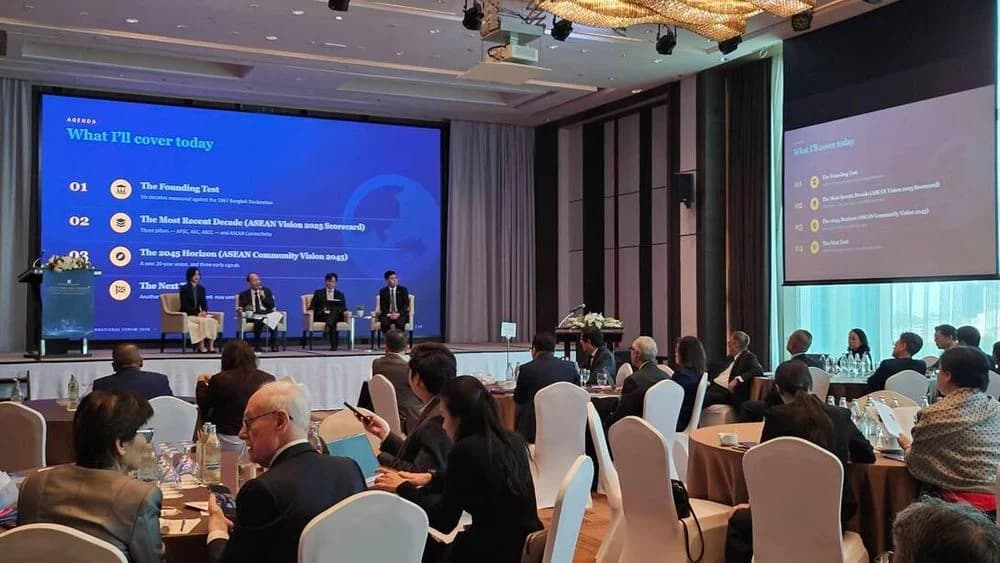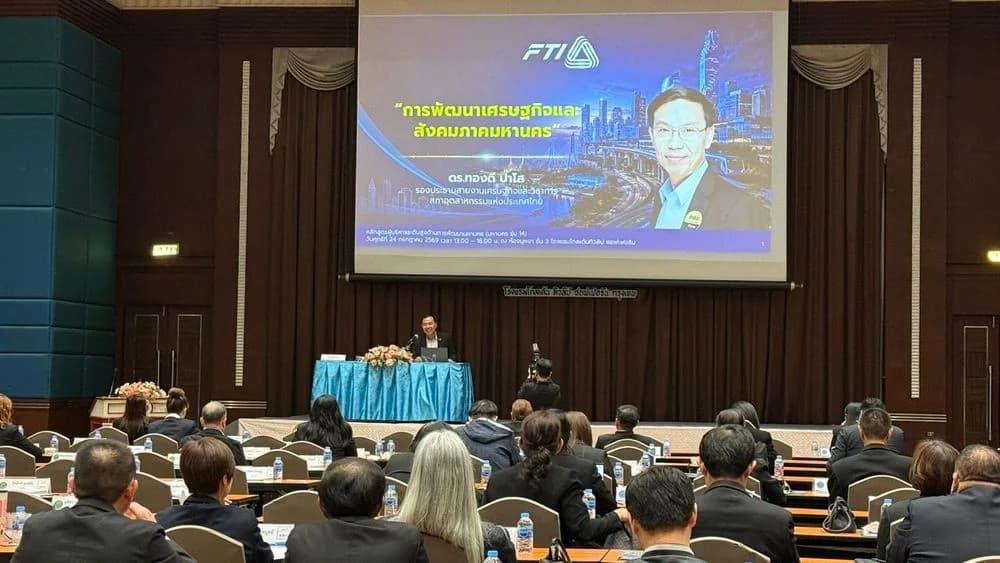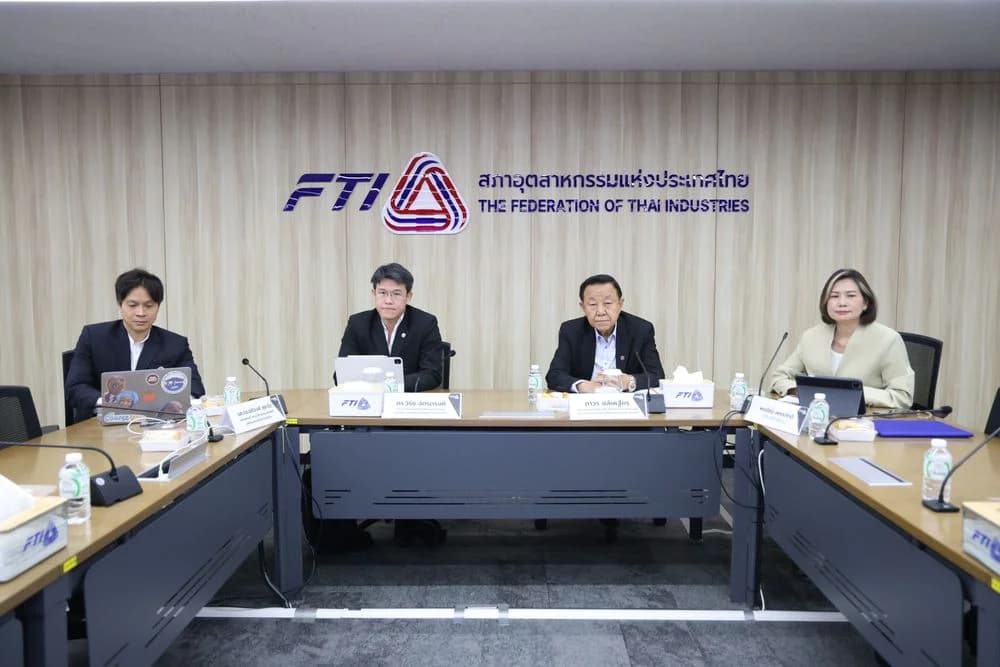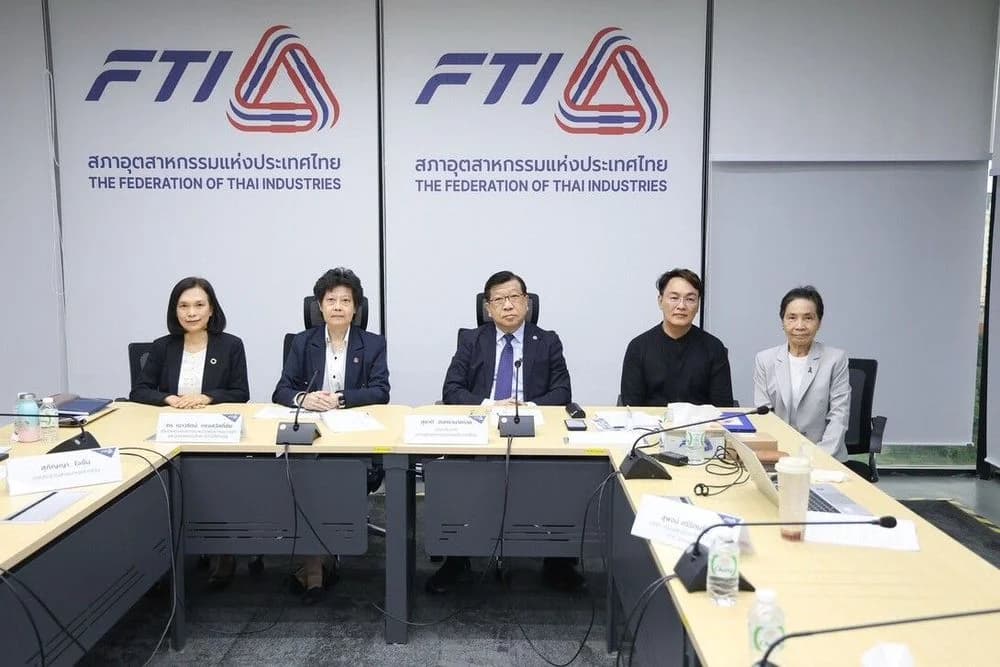

เมื่อวันพุธที่ 11 มิถุนายน 2568 นายวิวรรธน์ เหมมณฑารพ รองประธานสภาอุตสาหกรรมแห่งประเทศไทย (ส.อ.ท.) เข้าร่วมเป็นวิทยากรเสวนางาน Morning Talk ครั้งที่ 2 เรื่อง “มองอนาคตอุตสาหกรรมไทยครึ่งปีหลัง 2568 ความท้าทายภายใต้สมรภูมิการค้าโลก” ร่วมกับนายสุรงค์ บูลกุล รองประธานกรรมการ สภาหอการค้าแห่งประเทศไทย และนายลัทธกิตติ์ ลาภอุดมการ ผู้เชี่ยวชาญด้านเศรษฐศาสตร์ KKP Research ณ ห้องคริสตัล 1-2 ชั้น 3 โรงแรมเซ็นจูรี่ พาร์ค
การเสวนาครั้งนี้ นายวิวรรธน์ ได้กล่าวว่า เศรษฐกิจไทยในไตรมาสแรกปี 2568 ขยายตัวที่ 3.1% อย่างไรก็ตาม สำนักงานสภาพัฒนาการเศรษฐกิจและสังคมแห่งชาติ (สศช.) มีการปรับประมาณการทั้งปีลงเหลือเพียง 1.8% เนื่องจากแรงขับเคลื่อนจากการส่งออกเริ่มชะลอตัว ขณะที่ภาคการท่องเที่ยวยังไม่ฟื้นตัวเต็มที่ โดยเฉพาะนักท่องเที่ยวจีนที่ลดลงกว่าครึ่ง อันเป็นผลจากความกังวลด้านความปลอดภัยและกฎหมาย นอกจากนี้ ยังมีความท้าทายจากการแข่งขันด้านต้นทุนกับประเทศในภูมิภาค อาทิ เวียดนามและอินโดนีเซีย ปัญหาหนี้ครัวเรือนที่อยู่ในระดับสูง โดยเฉพาะหนี้นอกระบบ รวมถึงการทุ่มตลาดและการสวมสิทธิ์สินค้าจากจีน ซึ่งกระทบต่อผู้ประกอบการไทยโดยตรง
นายวิวรรธน์ เน้นย้ำถึงความจำเป็นที่ภาครัฐต้องบังคับใช้กฎหมายอย่างเข้มงวด พร้อมส่งเสริมการใช้สินค้าไทยผ่านนโยบาย “Made in Thailand” (MiT) เพื่อเสริมสร้างความเข้มแข็งของอุตสาหกรรมในประเทศ และยกระดับขีดความสามารถในการแข่งขันในระยะยาว สำหรับแนวทางการปรับโครงสร้างเศรษฐกิจไทย มีการเสนอกรอบการดำเนินงาน 2 แนวทางหลัก ได้แก่ 1. Move along the curve โดยทำให้การเติบโตเร็วขึ้น และ 2. Shift the curve การผลักดัน SME ไทยให้มุ่งสู่ 4 เป้าหมายหลัก ได้แก่ Go Digital & AI (ลดต้นทุน เพิ่มประสิทธิภาพ) Go Innovation (สร้างมูลค่าเพิ่มและเอกลักษณ์) Go Green (ส่งเสริม BCG Model) และ Go Global (ขยายสู่ตลาดต่างประเทศ) เพื่อเพิ่มประสิทธิภาพ สร้างมูลค่าเพิ่ม ลดการพึ่งพาต่างชาติ และเพิ่มขีดความสามารถในการแข่งขันในตลาดโลก
นอกจากนี้ ยังเสนอให้มีการปฏิรูประบบราชการ และกำหนดเป้าหมายร่วมของหน่วยงานรัฐ เพื่อเสริมสร้างเอกภาพในการพัฒนาเศรษฐกิจไทยอย่างยั่งยืน
On Wednesday, June 11, 2025, Mr. Wiwat Hemmantarap, Vice Chairman of the Federation of Thai Industries (FTI), participated as a speaker in the Morning Talk event, session 2, titled “Looking Ahead to the Thai Industry in the Second Half of 2025: Challenges Amidst Global Trade Dynamics,” alongside Mr. Surong Boulkool, Vice Chairman of the Thai Chamber of Commerce, and Mr. Lattakit Lapudomkan, an economist from KKP Research, at the Crystal Room 1-2, 3rd floor of the Century Park Hotel.
In this seminar, Mr. Wiwat stated that the Thai economy grew by 3.1% in the first quarter of 2025. However, the Office of the National Economic and Social Development Council (NESDC) has revised its forecast for the entire year down to only 1.8% due to a slowdown in export-driven growth. Meanwhile, the tourism sector has not fully recovered, particularly with a significant decline in Chinese tourists, affected by security concerns and legal issues. Furthermore, there are challenges from cost competition with countries in the region such as Vietnam and Indonesia, high household debt levels, especially informal debt, along with market dumping and product imitations from China, which directly impact Thai entrepreneurs.
Mr. Wiwat emphasized the necessity for the government to enforce laws rigorously while promoting the use of Thai products through the “Made in Thailand” (MiT) policy to strengthen the domestic industry and enhance long-term competitiveness. For the restructuring of the Thai economy, two main frameworks of action have been proposed: 1. Move along the curve, which focuses on accelerating growth, and 2. Shift the curve, which aims to drive Thai SMEs towards four main goals: Go Digital & AI (reducing costs and increasing efficiency), Go Innovation (creating value and identity), Go Green (promoting the BCG Model), and Go Global (expanding into international markets), to improve efficiency, create added value, reduce dependence on foreign resources, and increase competitiveness in the global market.
Additionally, a proposal for bureaucratic reform and setting joint goals for state agencies was suggested to enhance unity in sustainably developing the Thai economy.