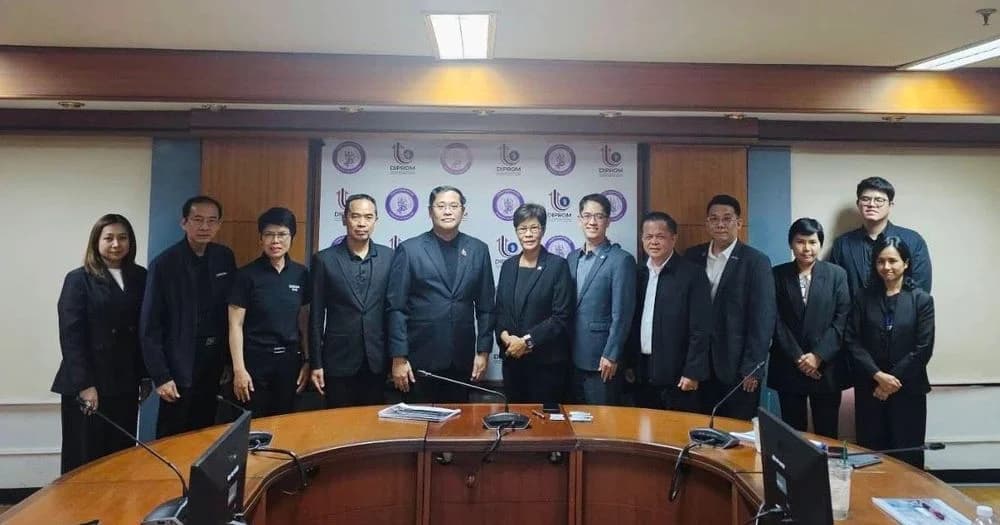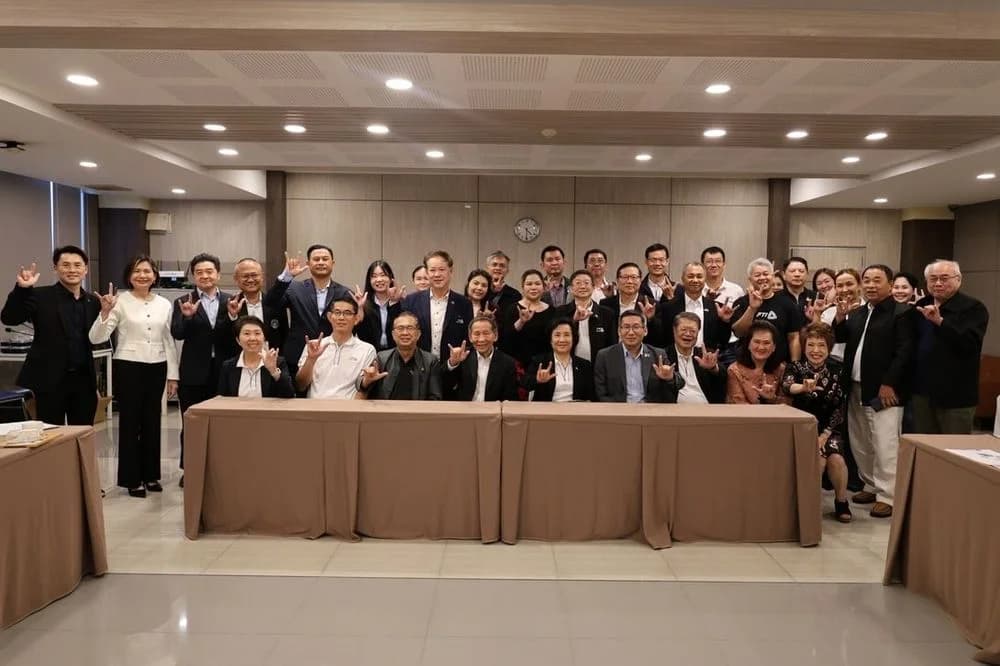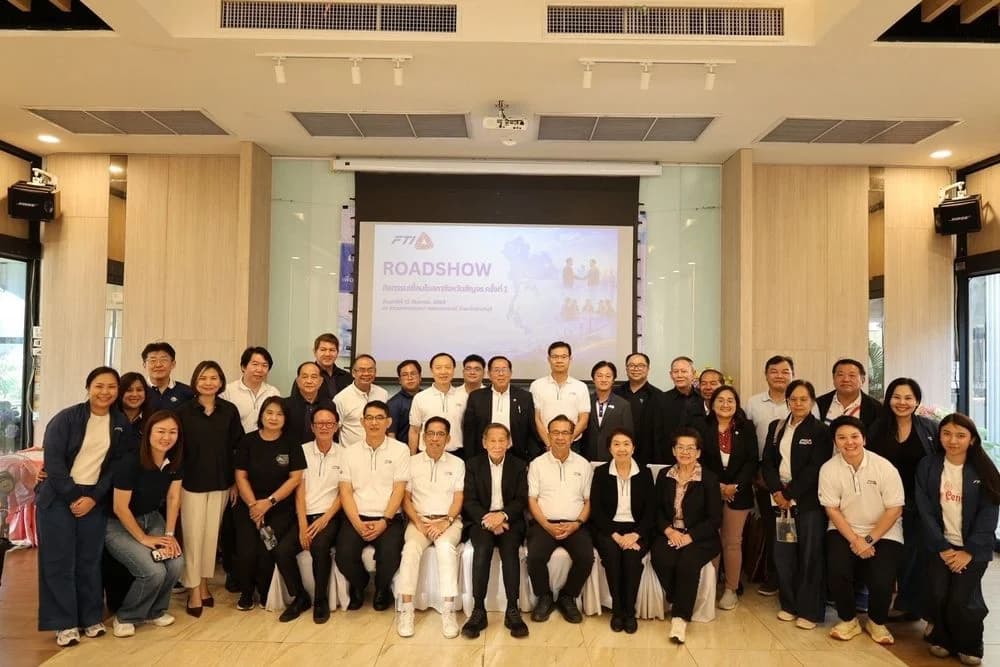

เมื่อวันที่ 22 กรกฎาคม 2568 ดร.ปิยะวัฒน์ ปิยไพชยนต์ รองเลขาธิการสภาอุตสาหกรรมแห่งประเทศไทย (ส.อ.ท.) ได้รับเชิญเป็นวิทยากรในหลักสูตร การพัฒนานักกฎหมายภาครัฐระดับชำนาญการขึ้นไป รุ่นที่ 37 จัดโดยสำนักงานคณะกรรมการกฤษฎีกา ณ ห้องประชุมราชดำเนิน โรงแรมรอยัลปริ๊นเซส หลานหลวง
ดร.ปิยะวัฒน์ ได้บรรยายในหัวข้อ “ความร่วมมือทางเศรษฐกิจของรัฐกับเอกชน” โดยได้วิเคราะห์สถานการณ์เศรษฐกิจโลกที่กำลังเผชิญแรงกดดันรอบด้าน ทั้งวิกฤตโลกร้อน ความขัดแย้งทางภูมิรัฐศาสตร์ และมาตรการกีดกันทางการค้าของประเทศมหาอำนาจ โดยเฉพาะการหวนคืนของนโยบาย “America First” ภายใต้การนำของประธานาธิบดีโดนัลด์ ทรัมป์ ซึ่งเตรียมปรับขึ้นภาษีนำเข้าสินค้าจากต่างประเทศ รวมถึงสินค้าไทยที่ถูกกำหนดอัตราภาษีใหม่ที่ 36% เริ่มบังคับใช้วันที่ 1 สิงหาคม 2568
ขณะเดียวกัน โลกกำลังก้าวเข้าสู่ยุคของ AI และ Big Data ที่เข้ามายกระดับกระบวนการผลิต การวางแผนธุรกิจ และการตัดสินใจทางการตลาด คาดว่าเทคโนโลยีเหล่านี้จะเพิ่มมูลค่าเศรษฐกิจโลกได้กว่า 15.7 ล้านล้านดอลลาร์สหรัฐภายในปี 2030 ซึ่งภาคธุรกิจไทยจำเป็นต้องเร่งพัฒนาศักยภาพให้ทันต่อการเปลี่ยนแปลง
แม้เศรษฐกิจไทยในไตรมาสแรกปี 2568 จะเติบโตได้ 3.1% จากแรงหนุนภาคส่งออก แต่ยังเผชิญความเปราะบางจากหนี้ครัวเรือนสูง ค่าครองชีพที่ยังแพง ต้นทุนการผลิตที่แข่งขันยาก และผลผลิตอุตสาหกรรมบางส่วนที่ยังชะลอตัว ในด้านบวก การลงทุนจากต่างชาติ (FDI) โดยเฉพาะอุตสาหกรรมเทคโนโลยีและดิจิทัลเพิ่มขึ้นอย่างมีนัยสำคัญ ถือเป็นโอกาสสำคัญในการปรับโครงสร้างเศรษฐกิจ
อย่างไรก็ตาม ไทยยังต้องจับตาความตึงเครียดทางการเมืองระหว่างประเทศ ทั้งความสัมพันธ์ทางการค้ากับสหรัฐฯ ความขัดแย้งในตะวันออกกลางที่อาจกระทบราคาพลังงาน รวมถึงข้อพิพาทชายแดนไทย–กัมพูชา ซึ่งอาจกระทบการค้าชายแดนและเศรษฐกิจท้องถิ่น
ในช่วงครึ่งปีหลัง 2568 คาดว่าเศรษฐกิจไทยจะขยายตัวชะลอลงเหลือ 1.5–2.0% จากเดิม 2.4–2.9% และอาจต่ำสุดที่ 0.7–1.4% หากไม่สามารถบรรลุข้อตกลงผ่อนปรนมาตรการภาษีกับสหรัฐฯ ได้ ส.อ.ท. เน้นย้ำถึงความจำเป็นเร่งด่วนในการออกมาตรการกระตุ้นเศรษฐกิจ และเพิ่มขีดความสามารถการแข่งขันของผู้ประกอบการไทย เพื่อให้พร้อมรับมือการเปลี่ยนแปลงในระดับโลก ทั้งด้านภูมิรัฐศาสตร์ เทคโนโลยี และสิ่งแวดล้อม
On July 22, 2025, Dr. Piyawat Piyapichaiyont, Deputy Secretary-General of the Federation of Thai Industries (FTI), was invited as a speaker for the 37th Advanced Government Lawyers Development Course organized by the Office of the Council of State at the Rajadamnern Meeting Room, Royal Princess Laanluang Hotel.
Dr. Piyawat delivered a lecture on the topic “Economic Cooperation Between the State and the Private Sector,” analyzing the global economic situation facing various pressures, including the climate crisis, geopolitical conflicts, and trade barriers imposed by major powers, especially the revival of the “America First” policy under President Donald Trump, who is preparing to raise import tariffs on foreign goods, including Thai products, which will face a new tariff rate of 36% effective August 1, 2025.
At the same time, the world is entering an era of AI and Big Data, which are enhancing production processes, business planning, and marketing decisions. It is anticipated that these technologies could add more than 15.7 trillion US dollars to the global economy by 2030, necessitating that Thai businesses accelerate their capacity development in response to changes.
Although the Thai economy grew by 3.1% in the first quarter of 2025, driven by the export sector, it still faces vulnerabilities from high household debt, rising living costs, competitive production costs, and stagnating industrial output in some areas. On a positive note, foreign direct investment (FDI), particularly in the technology and digital sectors, has significantly increased, presenting a crucial opportunity to restructure the economy.
However, Thailand must closely monitor geopolitical tensions, including trade relations with the United States, conflicts in the Middle East that may impact energy prices, and the Thai-Cambodian border disputes, which could affect cross-border trade and the local economy.
For the second half of 2025, it is expected that the Thai economy will slow to growth of 1.5–2.0% from the previous projection of 2.4–2.9%, with a potential low of 0.7–1.4% if an agreement on tax relief measures with the United States cannot be reached. The FTI emphasizes the urgent need for economic stimulus measures and enhancing the competitiveness of Thai entrepreneurs to be ready to cope with global changes in geopolitics, technology, and the environment.