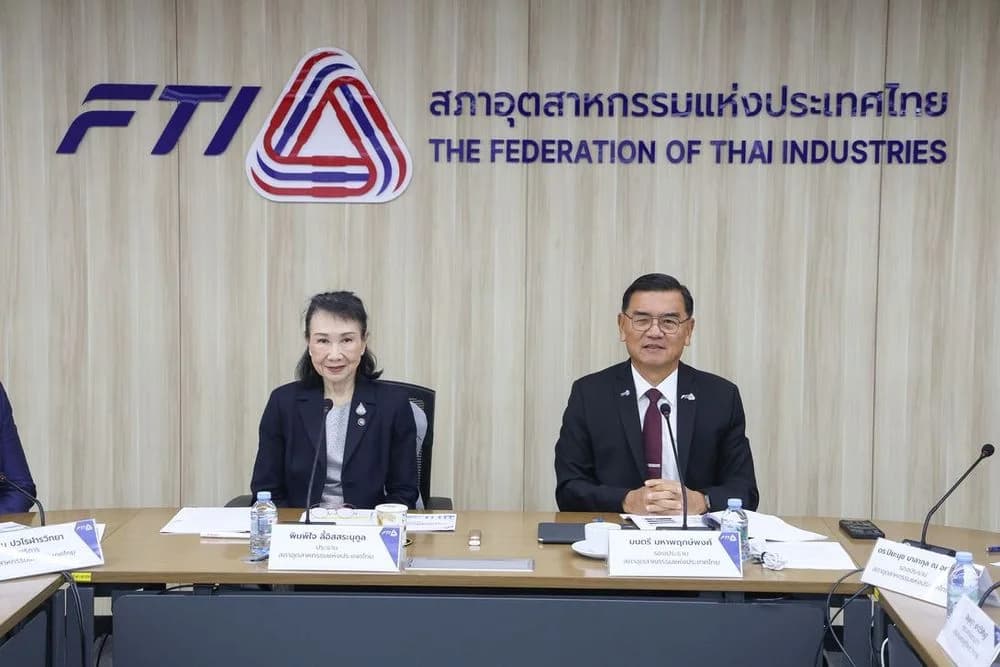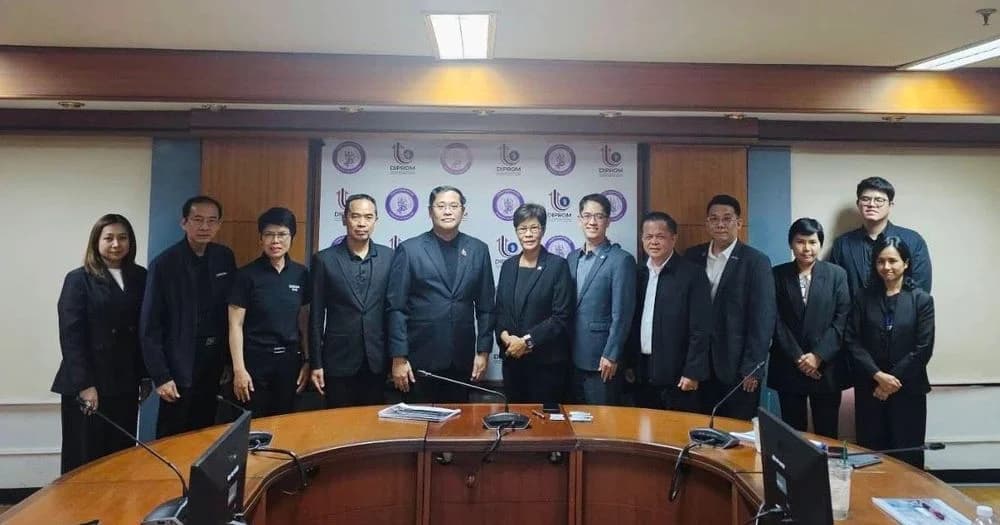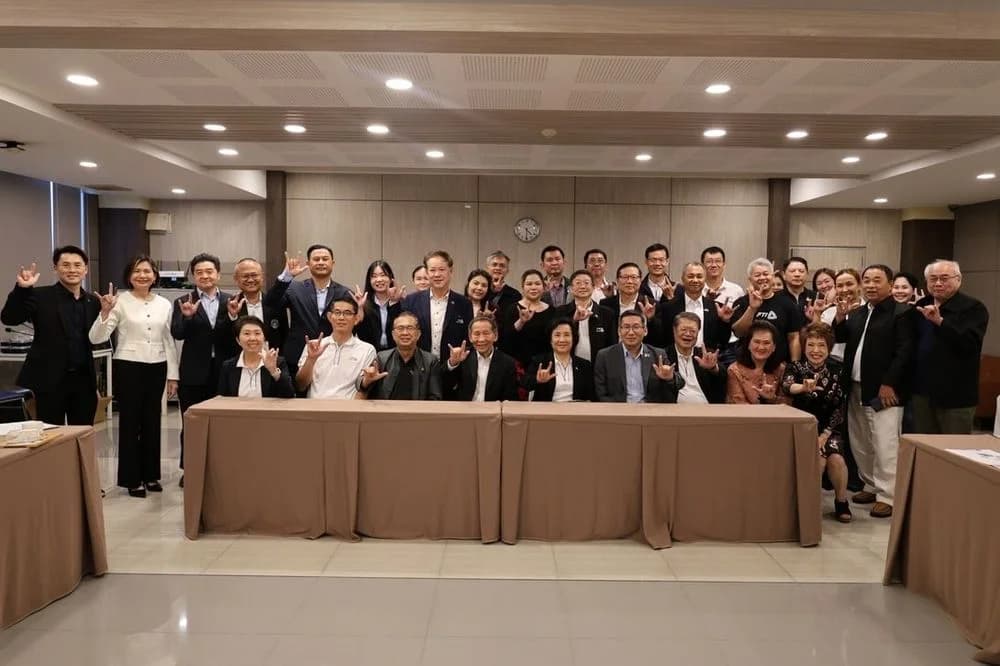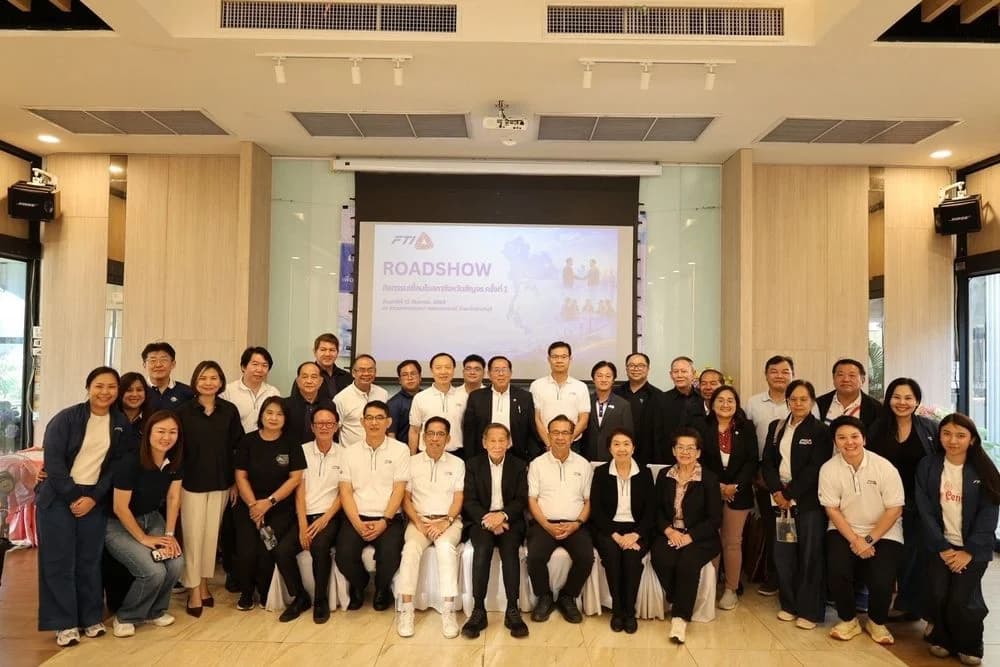

เมื่อวันพุธที่ 23 กรกฎาคม 2568 นายเกรียงไกร เธียรนุกุล ประธานสภาอุตสาหกรรมแห่งประเทศไทย (ส.อ.ท.) พร้อมคณะกรรมการ ส.อ.ท. เข้าพบนายพงศ์กวิน จึงรุ่งเรืองกิจ รัฐมนตรีว่าการกระทรวงแรงงาน พร้อมด้วยนายสมชาย มรกตศรีวรรณ อธิบดีกรมการจัดหางาน และนายเดชา พฤกษ์พัฒนรักษ์ อธิบดีกรมพัฒนาฝีมือแรงงาน ในโอกาสเข้ารับตำแหน่งรัฐมนตรีว่าการกระทรวงแรงงาน รวมทั้งหารือแนวทางความร่วมมือระหว่างภาครัฐและภาคเอกชน ณ ห้องประชุม ศ.นิคม จันทรวิทรุ ชั้น 5 อาคารกระทรวงแรงงาน กระทรวงแรงงาน
ทั้งนี้ นายเกรียงไกร นำคณะผู้บริหารเข้าหารือ ประกอบด้วย
• นายกฤษณ์ อิ่มแสง เลขาธิการ ส.อ.ท.
• นายสุชาติ จันทรานาคราช รองประธาน ส.อ.ท. และประธานสายงานแรงงาน
• นายอภิชิต ประสพรัตน์ รองประธาน ส.อ.ท. ประธานสถาบันวิสาหกิจขนาดกลางและขนาดย่อมอุตสาหกรรมการผลิต และประธานสายงานสมาชิกสัมพันธ์ กิจกรรมและรายได้
• นายถาวร ชลัษเฐียร รองประธาน ส.อ.ท. และประธานสถาบันเสริมสร้างขีดความสามารถมนุษย์
• ดร. ดารัตน์ วิภาตะกลัศ รองประธาน ส.อ.ท. และงานสำนักประธาน
• นางสาวเพชรรัตน์ เอกแสงกุล รองประธาน ส.อ.ท. และงานสำนักประธาน
• นางสาวพิมพ์นารา จิรานิธิศนนท์ รองประธาน ส.อ.ท. และงานสำนักประธาน
• ดร.เนาวรัตน์ ทรงสวัสดิ์ชัย กรรมการบริหาร ส.อ.ท.
• ดร. ปิยะวัฒน์ ปิยไพชยนต์ รองเลขาธิการ ส.อ.ท.
• นายหัสดิน สุวัฒนะพงศ์เชฏ รองเลขาธิการ ส.อ.ท.
นายพงศ์กวิน จึงรุ่งเรืองกิจ รัฐมนตรีว่าการกระทรวงแรงงาน กล่าวว่า กระทรวงมีความยินดีที่จะทำงานร่วมกันระหว่างภาครัฐและเอกชน โดยเป้าหมายหลักของกระทรวงแรงงาน คือ การยกระดับแรงงานไทยด้วย 5 นโยบาย ได้แก่ 1) การใช้ AI พัฒนาแรงงาน 2) การคุ้มครองแรงงานเท่าเทียม 3) การส่งเสริมเยาวชนทำงานระหว่างเรียน (Learn to Earn) 4) การสร้างโอกาสทางเศรษฐกิจ และ 5) การจัดระเบียบแรงงานต่างด้าว
นายเกรียงไกร เธียรนุกุล ประธานสภาอุตสาหกรรมแห่งประเทศไทย (ส.อ.ท.) กล่าวว่า ด้วยการเปลี่ยนแปลงอย่างรวดเร็วของเทคโนโลยี ส่งผลให้ประเทศไทยโดยเฉพาะแรงงานต้องปรับตัว เพื่อให้อยู่รอด ดังนั้น ส.อ.ท. ขับเคลื่อนแนวทางการปรับตัวของภาคอุตสาหกรรมไทย โดยพัฒนาอุตสาหกรรมดั้งเดิม (First Industries) ควบคู่กับการก้าวสู่อุตสาหกรรมใหม่หรืออุตสาหกรรมแห่งอนาคต (Next-Gen Industries) ผ่านแนวทาง ดังนี้
1) เปลี่ยนการผลิตจาก OEM - Original Equipment Manufacturer (ผู้ผลิตตามสั่งแบรนด์อื่น) เป็น ODM - Original Design Manufacturer (ผู้ผลิตที่ออกแบบเองด้วย) หรือ OBM - Original Brand Manufacturer (ผู้ผลิตและทำแบรนด์เอง)
2) เปลี่ยนการใช้แรงงาน มาใช้เทคโนโลยี นวัตกรรม เช่น ดิจิทัล, AI และระบบอัตโนมัติ เป็นต้น
3) เปลี่ยนการผลิตเพื่อกำไร มาเป็นการผลิตเพื่อความยั่งยืน
4) เปลี่ยนจาก Unskilled Labour มาเป็น High-skilled labour ผ่านกลไก Pay by skills
ด้านนายสุชาติ จันทรานาคราช รองประธาน ส.อ.ท. และประธานสายงานแรงงาน เสนอมาตรการพัฒนาผลิตภาพแรงงาน เพื่อความสามารถในการแข่งขัน ประกอบด้วย
1. เพิ่มผลิตภาพแรงงาน สร้างความสามารถในการแข่งขันของไทยกับประเทศคู่แข่ง ดังนี้
- ผลักดันผลิตภาพแรงงานเป็นวาระแห่งชาติ
- พัฒนาทักษะ โดยการเพิ่มทักษะ (Upskill) การฝึกทักษะใหม่ (Reskill) และทักษะอนาคต
(Future Skill) ให้ตรงความต้องการของผู้ประกอบการและตลาดแรงงาน
- หนุนการผลิตแบบลีน (ลดความสูญเปล่า) หรือ Lean Manufacturing พร้อมการเปลี่ยนผ่านสู่ดิจิทัล (Digital Transformation)
2. ส่งเสริม พัฒนา SMEs นำระบบอัตโนมัติ ทดแทนแรงงานที่ขาดแคลน
- ภาครัฐควรมีนโยบายและจัดสรรงบประมาณ เพื่อส่งเสริมและพัฒนา SMEs
3. จัดทำฐานข้อมูลขนาดใหญ่ (Big data) ที่ทันสมัย แม่นยำ เพื่อบริหารจัดการ Demand & Supply ด้านแรงงาน
- ภาครัฐควรพัฒนาระบบฐานข้อมูล Big data โดยมีหน่วยงานเฉพาะกิจมารับผิดชอบ
4. ประสานความร่วมมือระหว่างรัฐ เอกชน และภาคการศึกษา ในการผลิตแรงงานตามความต้องการของตลาดแรงงาน โดยเฉพาะสาย Science, Technology, Engineering, Mathematics (วิทยาศาสตร์ เทคโนโลยี วิศวกรรม คณิตศาสตร์) หรือ STEM
5. แก้ไขปัญหาขาดแคลนแรงงานต่างด้าวที่แรงงานไทยไม่ทำ
- ให้หน่วยงานที่เกี่ยวข้องปรับปรุงกฎหมายและข้อกำหนดที่เกี่ยวข้องกับการนำเข้าและจ้างงานแรงงานต่างด้าวให้มีประสิทธิภาพ ลดขั้นตอน ค่าใช้จ่าย เพื่อลดภาระผู้ประกอบการที่ใช้แรงงานต่างด้าว
- จัดทำยุทธศาสตร์การบริหารจัดการแรงงานต่างด้าวระยะยาว เช่น เจรจากับประเทศต้นทางในการปรับปรุงบันทึกข้อตกลง MOU
6. แก้ปัญหาไทยเข้าสู่สังคมสูงวัย บรรเทาปัญหาการขาดแคลนแรงงาน
- ภาครัฐควรส่งเสริมการจ้างงานผู้สูงวัยที่มีทักษะและความเชี่ยวชาญ
- พิจารณามาตรการจูงใจจ้างงานผู้สูงวัย เช่น ลดหย่อนภาษี และมาตรการอื่นๆ ที่เกี่ยวข้อง
- พัฒนาทักษะผู้สูงอายุ และส่งเสริมผู้สูงอายุปรับตัวตามตลาดแรงงานที่เปลี่ยนแปลงไป
- จัดทำฐานข้อมูลแรงงานผู้สูงวัย เพื่อผู้ประกอบการจะได้นำฐานข้อมูลมาบริหารจัดการด้าน Demand ของผู้ประกอบการ
7. เพิ่มรายได้ให้กับแรงงาน
- หนุนจ่ายค่าจ้างตามมาตรฐานฝีมือแรงงาน (Pay by Skills) เพื่อเพิ่มรายได้ให้กับแรงงาน ลดภาระให้กับผู้ประกอบการ และลดต้นทุนต่อหน่วย
- ปรับปรุงระบบสวัสดิการแรงงาน เพื่อพัฒนาคุณภาพชีวิตแรงงาน เช่น ลดค่าสาธารณูปโภคขั้นพื้นฐาน ค่าเล่าเรียนบุตร เป็นต้น
8. ปรับอัตราค่าจ้างขั้นต่ำ เพื่อให้เกิดความเป็นธรรมระหว่างนายจ้างและลูกจ้าง
- การปรับอัตราค่าจ้างขั้นต่ำ ควรเป็นไปตามอำนาจหน้าที่ของคณะอนุกรรมการค่าจ้างไตรภาคีจังหวัด เป็นผู้พิจารณาให้สอดคล้องกับปัจจัยทางเศรษฐกิจ อัตราเงินเฟ้อและอัตราการเติบโตของ GDP
ในส่วนของปัญหาความเดือดร้อนของ SMEs ไทย นายอภิชิต ประสพรัตน์ รองประธาน ส.อ.ท. ประธานสถาบันวิสาหกิจขนาดกลางและขนาดย่อมอุตสาหกรรมการผลิต และประธานสายงานสมาชิกสัมพันธ์ กิจกรรมและรายได้ กล่าวว่า ขณะนี้การขึ้นค่าแรง 400 บาทในพื้นที่ Eastern Economic Corridor (เขตพัฒนาพิเศษภาคตะวันออก) หรือ EEC เท่ากันแบบเหมารวมทั้ง 3 จังหวัด คือ ฉะเชิงเทรา ชลบุรีและระยอง แต่พื้นที่ EEC ที่ได้สิทธิประโยชน์ทางภาษีมีเพียง 15% ของพื้นที่ทั้งหมดเท่านั้น ทำให้ 98.5% ได้รับผลกระทบ ซึ่งส่วนใหญ่เป็น SMEs
ทั้งนี้ ขอเสนอภาครัฐในการออกมาตรการเยียวยาผู้ประกอบการที่ได้รับผลกระทบค่าแรง 400 บาท ได้แก่
- มาตรการลดหย่อนภาษี
- เงินกู้ดอกเบี้ยต่ำสำหรับพยุงการจ้างงาน
- การส่งเสริมเทคโนโลยีและการปรับตัว
- การลดอัตราการส่งเงินสมทบประกันสังคมฝ่ายนายจ้างจาก 5% เหลือ 0-1%
- การลดอัตราภาษีที่ดินและสิ่งปลูกสร้าง 90% เหมือนช่วงโควิด
- การลดอัตราค่าไฟฟ้าเหลือ 3.50 บาท จาก 3.70 บาท
- การยกเว้นค่าธรรมเนียมในการออกใบอนุญาตต่างๆ
ในส่วนของข้อเสนอสภาอุตสาหกรรมจังหวัด ดร. ดารัตน์ วิภาตะกลัศ รองประธาน ส.อ.ท. และงานสำนักประธาน เสนอแนะแนวทางการปรับอัตราค่าจ้างขั้นต่ำในอนาคต โดยควรกำหนดรูปแบบและหลักการคำนวณที่ชัดเจนที่สัมพันธ์กับผลิตภาพแรงงานและประสิทธิภาพของกระบวนการผลิตของแต่ละธุรกิจและสถานประกอบการ
นอกจากนี้ ขอให้ทบทวนการจ่ายเงินสมทบเข้า “กองทุนสงเคราะห์ลูกจ้าง” ใหม่ หรือขยายเวลาวันที่มีผลบังคับใช้ออกไปอีกอย่างน้อย 2 ปี เพื่อช่วยเหลือผู้ประกอบการที่ประสบปัญหาทางด้านเศรษฐกิจ จากปัญหาปัจจัยระหว่างประเทศและภูมิรัฐศาสตร์ต่างๆ อาทิ ความขัดแย้งระหว่างประเทศ นโยบายทางการค้าระหว่างประเทศ ปัญหาสินค้าจีน เป็นต้น
ทางด้านนายพงศ์กวิน กล่าวว่า เบื้องต้นกระทรวงจะมีการขยายการจ่ายเงินสมทบเข้า “กองทุนสงเคราะห์ลูกจ้าง” ให้อีกประมาณ 6 เดือน – 1 ปี และจะต้องจับตาดูสถานการณ์ทางการเมืองและเศรษฐกิจอย่างต่อเนื่อง เพื่อประเมินนโยบายนี้ต่อไป
ในส่วนการปรับอัตราค่าแรง นายพงศ์กวิน กล่าวเพิ่มเติมว่า การปรับอัตราค่าแรง ต้องดูความสมดุลและให้ความเป็นธรรมระหว่างทั้งสองฝ่าย ไม่ว่าจะเป็นนายจ้างหรือลูกจ้าง และด้วยการประชุมคณะกรรมการค่าจ้าง (ไตรภาคี) เพื่อพิจารณาขึ้นค่าจ้างขั้นต่ำ 400 บาท/วัน เพิ่มเติมจากก่อนหน้านี้ มีมติให้ปรับขึ้นในพื้นที่กรุงเทพฯ และธุรกิจบริการ และคงจะไม่มีการพิจารณาปรับขึ้นค่าแรงอีกในเร็ว ๆ นี้ เพราะเพิ่งจะมีการพิจารณาไปไม่นาน
ส่วนกรอบเวลาในการพิจารณานั้น นายพงศ์กวิน กล่าวว่า ตามปกติจะปรับขึ้นปีละครั้ง แต่ปีนี้ขึ้นไปแล้ว 2 ครั้ง ถ้าจะมีการประชุมเรื่องค่าแรงก็คงจะเป็นปีหน้าไปเลย
อย่างไรก็ตาม ขณะนี้กระทรวงแรงงานยังไม่มีการวางกรอบเวลาที่จะพิจารณาปรับขึ้นค่าแรง แต่หากจะมีการประชุมอีกครั้ง ก็คาดว่าจะเป็นปี 2569
ในส่วนของประเด็นแรงงานบังคลาเทศและศรีลังกา นายสมชาย มรกตศรีวรรณ อธิบดีกรมการจัดหางาน กล่าวว่า ทั้งบังคลาเทศและศรีลังกา มีค่าแรงในประเทศตนเองค่อนข้างต่ำ และด้วยไทยและประเทศทั้งสองนี้ มีความสัมพันธ์ที่ดีต่อกันมาโดยตลอด ซึ่งกระทรวงแรงงานจะให้การดูแลให้ได้รับสิทธิเท่าเทียมคนไทยทุกประการ จึงเป็นเรื่องที่ดีที่จะมีการนำแรงงานของทั้งสองประเทศเข้ามา โดยทางประเทศไทยต้องมีการตกลงร่วมกับสองประเทศด้วย และจะหารือร่วมกับฝ่ายความมั่นคงของกระทรวงแรงงาน พร้อมสภาอุตสาหกรรมแห่งประเทศไทยและสภาหอการค้าแห่งประเทศไทยในลำดับถัดไป
การประชุมครั้งนี้ถือเป็นอีกก้าวสำคัญของความร่วมมือระหว่างภาครัฐและภาคเอกชน เพื่อขับเคลื่อนเศรษฐกิจไทยให้ก้าวไปข้างหน้าอย่างมั่นคงและยั่งยืน
On Wednesday, July 23, 2025, Mr. Kriangkrai Theeranukul, Chairman of the Federation of Thai Industries (FTI), along with the FTI Board of Directors, met with Mr. Phongkwan Chearungruengkit, Minister of Labour, accompanied by Mr. Somchai Morakotsriwan, Director-General of the Department of Employment, and Mr. Decha Prukphatthanarak, Director-General of the Department of Skill Development, on the occasion of Mr. Phongkwan’s appointment as Minister of Labour. The meeting also discussed ways to collaborate between the public and private sectors at the meeting room of Assoc. Prof. Nikom Chantharawit, 5th floor, Ministry of Labour.
During this, Mr. Kriangkrai led the management team for discussions, including:
• Mr. Kritsana Imsaeng, Secretary-General of FTI
• Mr. Suchart Chantharanakrat, Vice Chairman of FTI and Chairman of Labour Line
• Mr. Apichit Prasoprat, Vice Chairman of FTI, Chairman of the Small and Medium Enterprise Development Institute for Industrial Production, and Chairman of the Member Relations, Activities, and Revenue Line
• Mr. Thaworn Chaladsitthian, Vice Chairman of FTI and Chairman of the Human Capability Enhancement Institute
• Dr. Darat Wipatakalas, Vice Chairman of FTI and Office of the Chairman
• Ms. Petsarat Eksangkun, Vice Chairman of FTI and Office of the Chairman
• Ms. Pimnara Jiranitthisanon, Vice Chairman of FTI and Office of the Chairman
• Dr. Naowarat Songsawatchai, Executive Committee of FTI
• Dr. Piyawat Piyapaisayon, Deputy Secretary-General of FTI
• Mr. Hasadin Suwattanapongchet, Deputy Secretary-General of FTI.
Mr. Phongkwan Chearungruengkit, Minister of Labour, stated that the Ministry is pleased to work together with both the public and private sectors. The main objective of the Ministry of Labour is to elevate Thai workers through five policies, namely: 1) the use of AI to develop workers, 2) ensuring equal protection for workers, 3) promoting youth to work while studying (Learn to Earn), 4) creating economic opportunities, and 5) organizing the foreign labour workforce.
Mr. Kriangkrai Theeranukul, Chairman of the Federation of Thai Industries (FTI), remarked that the rapid technological changes require Thailand, especially its workforce, to adapt to survive. Therefore, FTI will drive the adaptation of the Thai industrial sector through the development of traditional industries (First Industries) alongside a move towards new or future industries (Next-Gen Industries) through the following strategies:
1) Shifting from OEM - Original Equipment Manufacturer (custom producers for other brands) to ODM - Original Design Manufacturer (self-design producers) or OBM - Original Brand Manufacturer (producers who design and brand themselves).
2) Transitioning from labor-intensive approaches to utilizing technology and innovation such as digital, AI, and automation systems, etc.
3) Transforming profit-oriented production into sustainable production.
4) Transitioning from unskilled labor to high-skilled labor through a pay-by-skills mechanism.
In this regard, Mr. Suchart Chantharanakrat, Vice Chairman of FTI and Chairman of the Labour Line, proposed measures to develop labor productivity for competitiveness, including:
1. Enhancing labor productivity to strengthen Thailand's competitiveness against competing countries as follows:
- Promoting labor productivity as a national agenda.
- Developing skills through upskilling, reskilling, and future skills to meet the demands of employers and the labor market.
- Supporting lean manufacturing to reduce waste along with the transition to digital transformation.
2. Promoting and developing SMEs to adopt automation to replace scarce labor.
- The government should establish policies and allocate budgets to support and develop SMEs.
3. Creating a modern, accurate big data database for managing demand and supply of labor.
- The government should develop a big data system with a specific agency responsible for it.
4. Coordinating cooperation between the state, private sector, and education sector to produce labor according to the needs of the labor market, especially in Science, Technology, Engineering, and Mathematics (STEM).
5. Addressing the shortage of foreign labor in positions that Thai workers are not filling.
- Assigning relevant agencies to improve laws and regulations concerning the importation and employment of foreign labor for greater efficiency, reducing procedures and costs, thus alleviating burdens on operators using foreign labor.
- Formulating long-term strategies for managing foreign labor, such as negotiations with source countries to improve MOU records.
6. Addressing the issue of Thailand entering an aging society to alleviate the problem of labor shortages.
- The government should promote the employment of skilled and experienced elderly workers.
- Considering incentives for hiring elderly workers, such as tax reductions and related measures.
- Developing skills for the elderly and facilitating their adaptation to the changing labor market.
- Creating a labor database for elderly workers to assist employers in managing their demand.
7. Increasing income for workers.
- Supporting the payment of wages according to skill standards (Pay by Skills) to enhance worker income, alleviate burdens on employers, and reduce unit costs.
- Improving labor welfare systems to enhance the quality of life for workers, such as reducing basic utility costs and school expenses for children, among others.
8. Adjusting the minimum wage rates to ensure fairness between employers and employees.
- Adjusting the minimum wage should align with the jurisdiction of the provincial tripartite wage committee, which considers economic factors, inflation rates, and GDP growth rates.
Regarding the challenges faced by Thai SMEs, Mr. Apichit Prasoprat, Vice Chairman of FTI, Chairman of the Small and Medium Enterprises Development Institute for Industrial Production, and Chairman of the Member Relations, Activities, and Revenue Line stated that the recent wage increase to 400 Baht in the Eastern Economic Corridor (EEC) applies uniformly across all three provinces: Chachoengsao, Chonburi, and Rayong. However, only 15% of the EEC area benefits from tax incentives, affecting 98.5% of operators, primarily SMEs.
In this context, he proposed that the government issue measures to alleviate the impact of the 400 Baht wage increase on affected businesses, including:
- Tax reduction measures.
- Low-interest loans to sustain employment.
- Promotion of technology and adaptation.
- Reducing the employer's social security contribution rate from 5% to 0-1%.
- Reducing land and building tax rates by 90%, as during the COVID period.
- Reducing electricity tariffs to 3.50 Baht from 3.70 Baht.
- Exempting various licensing fees.
As for the proposals from the Provincial Industrial Council, Dr. Darat Wipatakalas, Vice Chairman of FTI and Office of the Chairman, suggested a clear framework and principles for calculating future minimum wages that correlate with labor productivity and the efficiency of production processes of each business and establishment.
Additionally, he urged a reconsideration of the contributions to the “Employee Welfare Fund”, or extending the effective date of enforcement for at least another two years to assist entrepreneurs facing economic challenges arising from international and geopolitical issues, such as conflicts between nations, international trade policies, and challenges related to Chinese products.
Mr. Phongkwan noted that the Ministry is preliminarily considering to extend the contributions to the “Employee Welfare Fund” for approximately another 6 months to 1 year. The situation will be continuously monitored regarding political and economic circumstances to assess this policy further.
Regarding wage adjustments, Mr. Phongkwan further stated that the wage adjustment must consider balance and fairness between both employers and employees. The tripartite wage committee will discuss the increase of the minimum wage to 400 Baht/day, and while adjustments were recently agreed upon for Bangkok and service sectors, no further increases will be considered in the immediate future since discussions occurred not long ago.
As for the timeline for consideration, Mr. Phongkwan remarked that typically adjustments occur annually, but there have been two increases this year. If wage discussions do take place again, it will likely be in the following year.
However, the Ministry of Labour has not yet set a timeline for the next wage adjustments. Should there be another meeting, it is anticipated to occur in 2026.
Regarding Bangladeshi and Sri Lankan labor, Mr. Somchai Morakotsriwan, Director-General of the Department of Employment, indicated that both Bangladesh and Sri Lanka have relatively low domestic wage rates, and since Thailand has maintained good relations with both countries, the Ministry of Labour will ensure that workers from these nations receive equal rights as Thai workers. Therefore, it is favorable to bring workers from both countries into Thailand. However, negotiations between Thailand and both countries will need to take place, also in coordination with the Ministry of Labour's security office and the FTI as well as the Thai Chamber of Commerce in subsequent discussions.
This meeting represents an important step forward in cooperation between the public and private sectors to drive the Thai economy toward sustainable and stable progress.