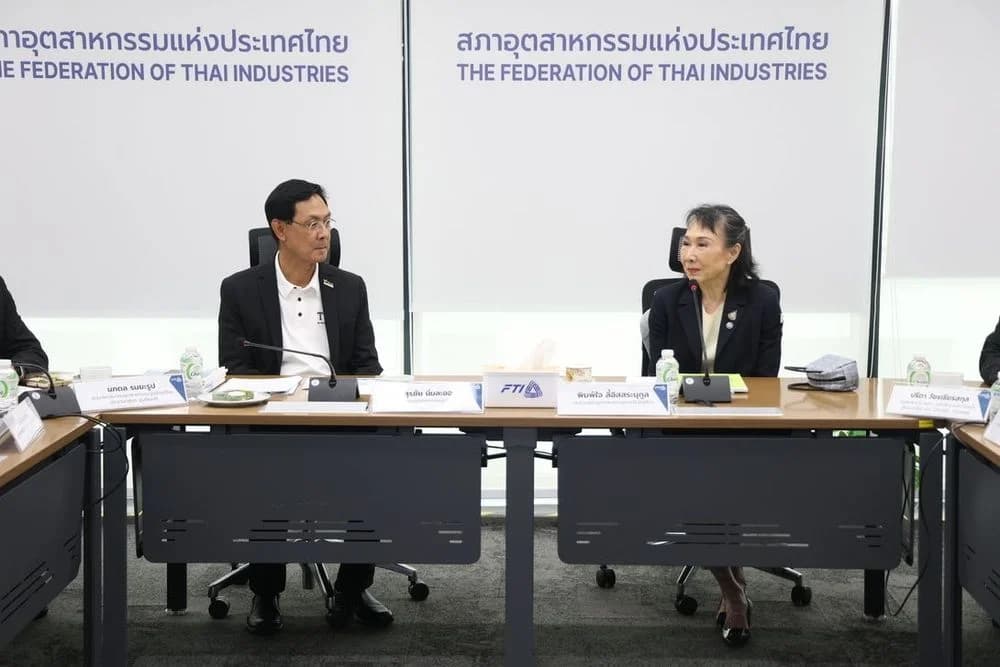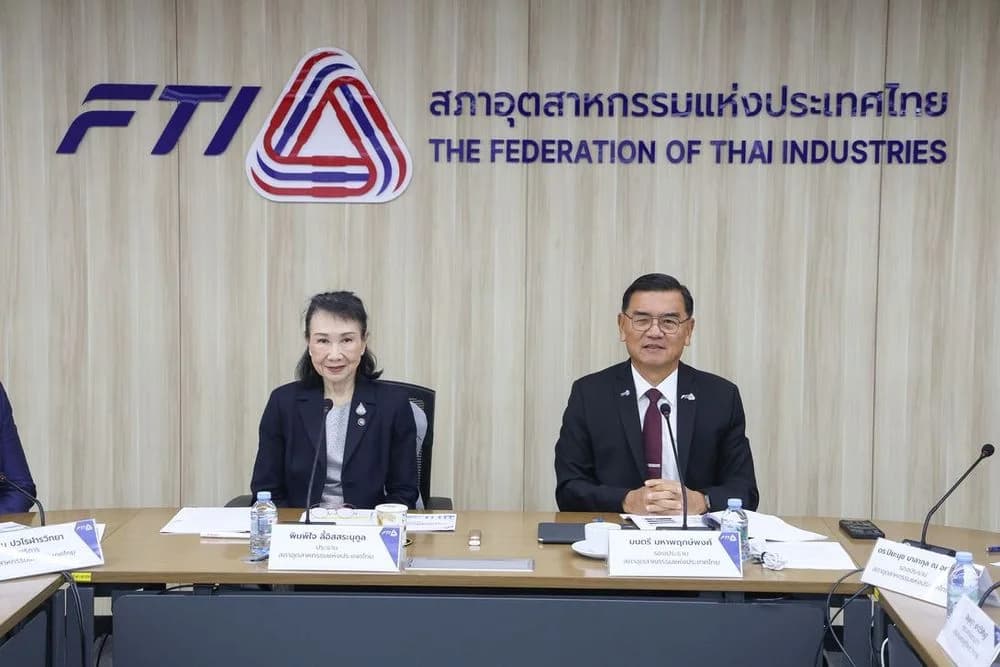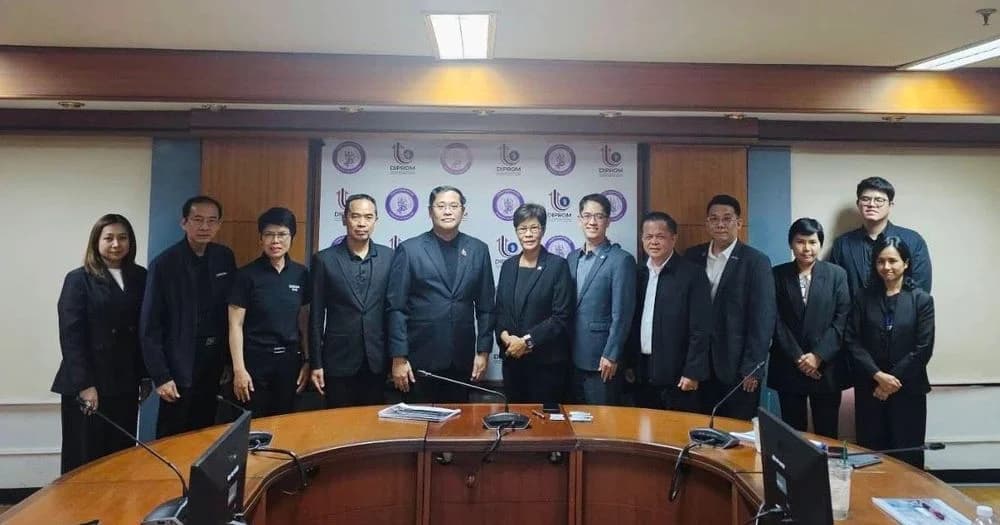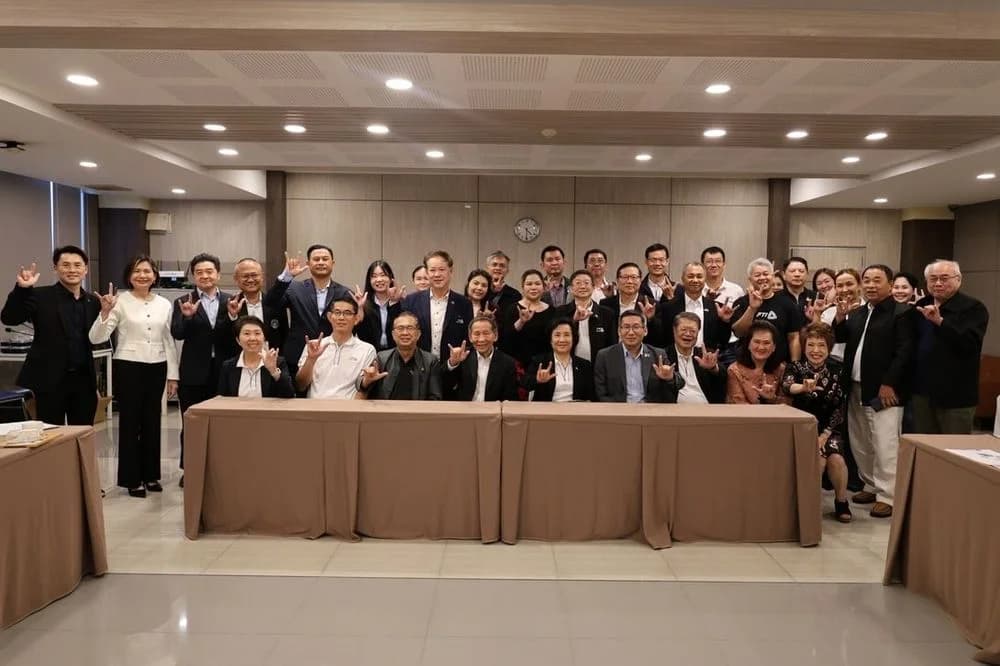

วันที่ 19 สิงหาคม 2568 นายเกรียงไกร เธียรนุกุล ประธานสภาอุตสาหกรรมแห่งประเทศไทย (ส.อ.ท.) พร้อมด้วย ม.ล.ปีกทอง ทองใหญ่ รองประธานสภาอุตสาหกรรมแห่งประเทศไทย และประธานสายงานเศรษฐกิจและวิชาการ ส.อ.ท. นายอภิชิต ประสพรัตน์ นายนาวา จันทนสุรคน รองประธาน ส.อ.ท. และนางสาวพรรรัตน์ เพชรภักดี ผู้อำนวยการใหญ่ ส.อ.ท. เปิดเผยผลการสำรวจดัชนีความเชื่อมั่นภาคอุตสาหกรรมในเดือนกรกฎาคม 2568 อยู่ที่ระดับ 86.6 ปรับตัวลดลงจาก 87.7 ในเดือนมิถุนายน 2568 การปรับตัวลดลงครั้งนี้ มีสาเหตุมาจากสถานการณ์ข้อพิพาทบริเวณชายแดนไทย–กัมพูชา ที่ส่งผลกระทบต่อกิจกรรมทางเศรษฐกิจและการค้าชายแดน ประกอบกับเหตุอุทกภัยและน้ำป่าไหลหลากในพื้นที่ภาคเหนือ รวมถึงความกังวลต่อการจัดทำงบประมาณรายจ่ายประจำปี 2569 ที่อาจล่าช้า และการเร่งรัดเบิกจ่ายงบประมาณปี 2568 ที่ยังไม่เป็นไปตามเป้าหมาย นอกจากนี้ กำลังซื้อภายในประเทศยังคงชะลอตัว โดยเฉพาะในกลุ่มสินค้าคงทน ซึ่งล้วนเป็นปัจจัยที่กดดันความเชื่อมั่นของภาคอุตสาหกรรมในช่วงที่ผ่านมา
อย่างไรก็ตาม ในเดือนกรกฎาคม ยังคงมีปัจจัยบวกจากโครงการ “เที่ยวไทยคนละครึ่ง 2568” จำนวน 500,000 สิทธิ์ ภายใต้งบประมาณ 1,750 ล้านบาท (เริ่มดำเนินการตั้งแต่วันที่ 1 กรกฎาคม 2568) ซึ่งคาดว่าจะช่วยกระจายรายได้สู่ท้องถิ่น และกระตุ้นเศรษฐกิจชุมชนอย่างทั่วถึง ขณะเดียวกันการลงทุนมีแนวโน้มเติบโตต่อเนื่อง โดยในช่วงครึ่งปีแรก 2568 มีมูลค่าเงินลงทุนรวม 1.06 ล้านล้านบาท เพิ่มขึ้น 138% จากช่วงเดียวกันของปีก่อน (YoY) ทั้งนี้ คาดว่าจะช่วยกระตุ้นการลงทุน ยกระดับโครงสร้างเศรษฐกิจ และเพิ่มการจ้างงานในภาคอุตสาหกรรม อีกทั้ง ราคาน้ำมันที่ทรงตัว ยังมีส่วนช่วยลดต้นทุนให้แก่ผู้ประกอบการ
จากการสำรวจผู้ประกอบการ 1,356 ราย ครอบคลุม 47 กลุ่มอุตสาหกรรมของสภาอุตสาหกรรมแห่งประเทศไทย (ส.อ.ท.) ในเดือนกรกฎาคม 2568 พบว่าปัจจัยที่ผู้ประกอบการมีความกังวลเพิ่มขึ้น ได้แก่ เศรษฐกิจภายในประเทศ 70.1% เศรษฐกิจโลก 66.7% นโยบายภาครัฐ 57.2% อัตราแลกเปลี่ยน (มุมมองผู้ส่งออก) 44.9% ราคาพลังงาน 35.5% และอัตราดอกเบี้ยเงินกู้ 27.1% ส่วนปัจจัยที่มีความกังวลลดลง ได้แก่ การเข้าถึงสินเชื่อ 42.3%
ขณะที่ดัชนีฯ คาดการณ์ 3 เดือนข้างหน้า ปรับตัวลดลงเช่นกัน อยู่ที่ระดับ 89.2 ลดลงจาก 90.8 ในเดือนมิถุนายน 2568 เนื่องจากผลการเจรจาภาษี Reciprocal Tariff กับสหรัฐฯ อาจส่งผลต่อขีดความสามารถในการแข่งขัน หากอัตราภาษีไทยสูงกว่าประเทศคู่แข่งในภูมิภาค อีกทั้งข้อพิพาทระหว่างไทยและกัมพูชาที่ยืดเยื้อยังคงส่งผลกระทบต่อมูลค่าการค้าชายแดน
อย่างไรก็ตาม ยังมีปัจจัยสนับสนุนที่คาดว่าจะช่วยประคับประคองสถานการณ์ทางเศรษฐกิจ ได้แก่ มาตรการตรึงราคาพลังงาน โดยค่าไฟฟ้างวดเดือนกันยายน–ธันวาคม 2568 คงอยู่ที่ 3.94 บาทต่อหน่วย รวมถึงมาตรการส่งเสริมการติดตั้ง Solar Rooftop ซึ่งช่วยลดต้นทุนผู้ประกอบการและสนับสนุนการใช้พลังงานสะอาด อีกทั้งมาตรการรถไฟฟ้า 20 บาทตลอดสาย (เริ่ม 1 ตุลาคม 2568) ที่จะช่วยบรรเทาภาระค่าครองชีพของประชาชน
ข้อเสนอแนะต่อภาครัฐ
1. เสนอให้ภาครัฐออกมาตรการเยียวยาผู้ประกอบการที่ได้รับผลกระทบจากความขัดแย้งบริเวณชายแดนไทย–กัมพูชา เพื่อให้สามารถกลับมาดำเนินธุรกิจได้โดยเร็ว พร้อมทั้งจัดทำโครงการสนับสนุนและ
ให้ความช่วยเหลือแก่ผู้ประกอบการไทยที่เข้าไปลงทุนในประเทศกัมพูชา เพื่อบรรเทาผลกระทบและลดความเสี่ยงต่อการประกอบธุรกิจในระยะยาว
2. เสนอให้ภาครัฐออกมาตรการสนับสนุนด้านสินเชื่อดอกเบี้ยต่ำหรือเงื่อนไขผ่อนปรนเพื่อเสริมสภาพคล่องทางการเงินและสนับสนุนการปรับตัวของผู้ประกอบการที่ได้รับผลกระทบจากมาตรการภาษีนำเข้าของสหรัฐฯ และผู้ประกอบการ SMEs ที่อยู่ในห่วงโซ่อุปทาน รวมทั้งเตรียมความพร้อมให้ผู้ประกอบการในการปรับตัว เพื่อรับมือกับอัตราภาษี Reciprocal Tariff ที่ประกาศในวันที่ 1 สิงหาคม 2568
3. เสนอให้ภาครัฐเร่งลงทุนพัฒนาโครงสร้างพื้นฐานด้านการบริหารจัดการทรัพยากรน้ำเป็นระบบ
เพื่อป้องกันและบรรเทาปัญหาอุทกภัยในพื้นที่ภาคเหนือ รวมถึงเพิ่มประสิทธิภาพ
ในการเก็บกัก กระจายน้ำ และฟื้นฟูระบบนิเวศน้ำอย่างยั่งยืน
ทั้งนี้ ส.อ.ท. ได้ทำการรวบรวมข้อมูลผลการสำรวจดัชนีความเชื่อมั่นภาคอุตสาหกรรมและข้อมูลตัวชี้วัดทางเศรษฐกิจและอุตสาหกรรมจากหน่วยงานต่างๆ ย้อนหลัง 3 ปี จัดทำเป็น Dashboard เผยแพร่ในเว็บไซต์ศูนย์ข้อมูลภาคเศรษฐกิจและอุตสาหกรรม Industry Data Space (iDS) ของ ส.อ.ท. เพื่ออำนวยความสะดวกให้แก่ผู้ประกอบการและบุคคลทั่วไปให้สามารถเข้าถึงข้อมูลที่เป็นประโยชน์ในการดำเนินธุรกิจ โดยสามารถเข้าไปใช้บริการข้อมูลดังกล่าวได้ที่ https://fti.or.th/ids
ส.อ.ท. มุ่ง “เสริมสร้างความเข้มแข็งให้อุตสาหกรรมไทย เพื่อประเทศไทยที่เข้มแข็งกว่าเดิม (Strengthen Thai Industries for Stronger Thailand)”
...................................................
เผยแพร่โดย ฝ่ายสื่อสารองค์กร สภาอุตสาหกรรมแห่งประเทศไทย (โทร. 0-2345-1051)
จัดทำข้อมูลโดย ฝ่ายเศรษฐกิจและวิชาการ สภาอุตสาหกรรมแห่งประเทศไทย (โทร. 0-2345-1111)
On August 19, 2025, Mr. Kriangkrai Thiennukul, Chairman of the Federation of Thai Industries (FTI), together with M.L. Pikthong Thongyai, Vice Chairman of FTI and Chairman of the Economic and Academic Department of FTI, Mr. Apichit Prasoprat, Mr. Nawa Chantanasurakorn, Vice Chairman of FTI, and Ms. Pannarat Petchphakdee, Director-General of FTI, announced the results of the industrial sector's confidence index survey for July 2025, which stood at 86.6, a decrease from 87.7 in June 2025. This decline is attributed to the dispute at the Thai-Cambodian border affecting economic activities and border trade, along with flooding in the Northern region and concerns over the preparation of the budget for fiscal year 2026 which may be delayed, as well as the accelerated disbursement of the budget for fiscal year 2025 not meeting targets. Additionally, domestic purchasing power remains sluggish, particularly in durable goods, which have all contributed to the declining confidence of the industrial sector in recent times.
However, in July, there were positive factors from the “Thailand Half-Price Travel 2025” project, offering 500,000 rights within a budget of 1.75 billion baht (which commenced on July 1, 2025), expected to distribute income to local areas and stimulate the community economy broadly. Simultaneously, investments continued to show growth, with total investment value in the first half of 2025 reaching 1.06 trillion baht, an increase of 138% from the same period last year (YoY). This is expected to stimulate investment, enhance economic structure, and increase employment in the industrial sector. Additionally, stable oil prices contribute to reduced costs for operators.
A survey of 1,356 entrepreneurs across 47 industry groups from the Federation of Thai Industries (FTI) in July 2025 revealed that concerns among entrepreneurs have increased regarding domestic economic conditions at 70.1%, global economic conditions at 66.7%, government policy at 57.2%, exchange rates (exporter's perspective) at 44.9%, energy prices at 35.5%, and loan interest rates at 27.1%. Meanwhile, concerns over access to credit have decreased to 42.3%.
Meanwhile, the confidence index forecast for the next three months has also declined, standing at 89.2, down from 90.8 in June 2025, due to the outcomes of the Reciprocal Tariff negotiations with the United States which may affect competitive capabilities if Thailand's tariffs are higher than those of regional competitors. Additionally, the prolonged disputes between Thailand and Cambodia continue to impact border trade values.
Nonetheless, there are supportive factors expected to help stabilize the economic situation, including measures to cap energy prices, as the electricity rate for the September–December 2025 billing period will remain at 3.94 baht per unit, as well as measures to promote Solar Rooftop installations which help reduce operator costs and support clean energy use. Furthermore, the 20-baht electric train fare for all routes (starting on October 1, 2025) is expected to alleviate the cost of living burden on citizens.
Recommendations to the Government:
1. Suggest that the government implement measures to alleviate the impact on entrepreneurs affected by the Thai-Cambodian border conflict, enabling them to resume business operations swiftly, alongside establishing support projects for Thai entrepreneurs investing in Cambodia to mitigate impacts and reduce long-term business risks.
2. Recommend that the government introduce measures to support low-interest loans or relaxed terms to enhance financial liquidity and assist in the adaptation of entrepreneurs affected by U.S. import tariff measures, and assist SMEs in the supply chain, as well as prepare entrepreneurs to adapt to the Reciprocal Tariff rate instituted on August 1, 2025.
3. Propose that the government expedite investments in developing infrastructure for water resource management systems to prevent and alleviate flooding issues in the northern region, enhancing efficiency in water storage, distribution, and sustainable ecosystem restoration.
The FTI has compiled data from the industrial confidence index survey and economic and industrial indicators from various agencies over the past three years, creating a dashboard published on the Industry Data Space (iDS) website of FTI to facilitate access to useful information for entrepreneurs and the public in conducting business, available at https://fti.or.th/ids
The FTI aims to “Strengthen Thai Industries for Stronger Thailand.”
...................................................
Published by the Corporate Communications Department, Federation of Thai Industries (Tel. 0-2345-1051)
Prepared by the Economic and Academic Department, Federation of Thai Industries (Tel. 0-2345-1111)