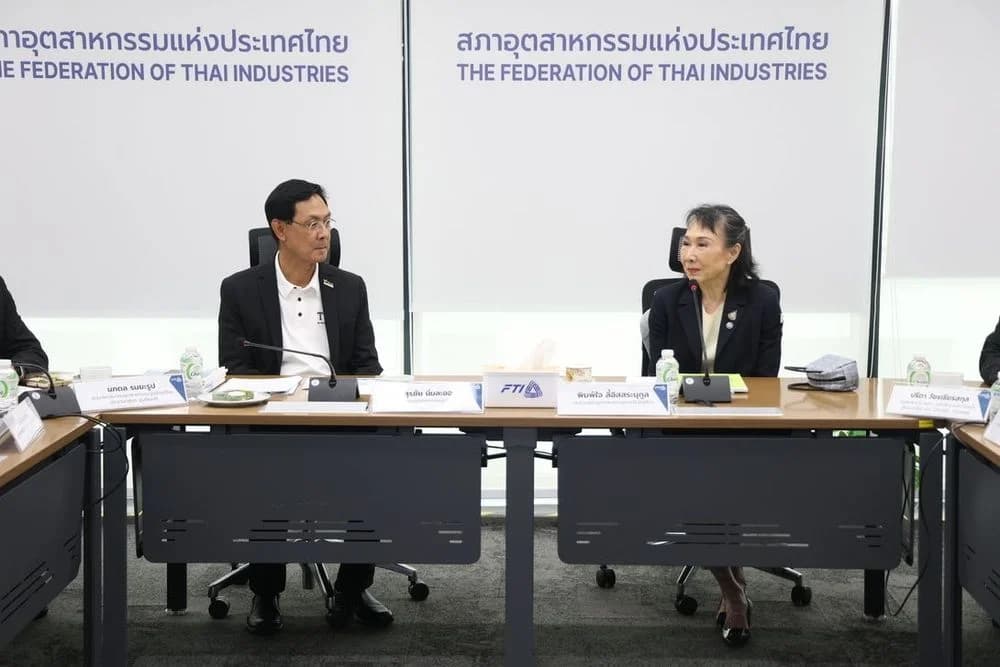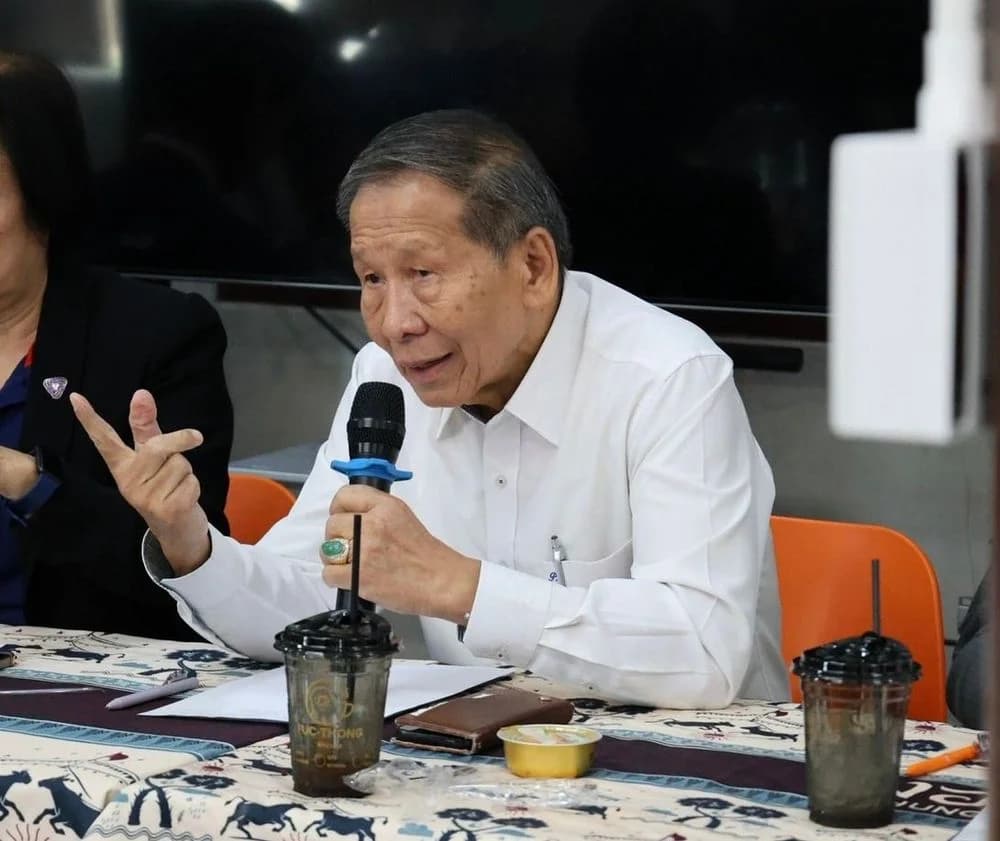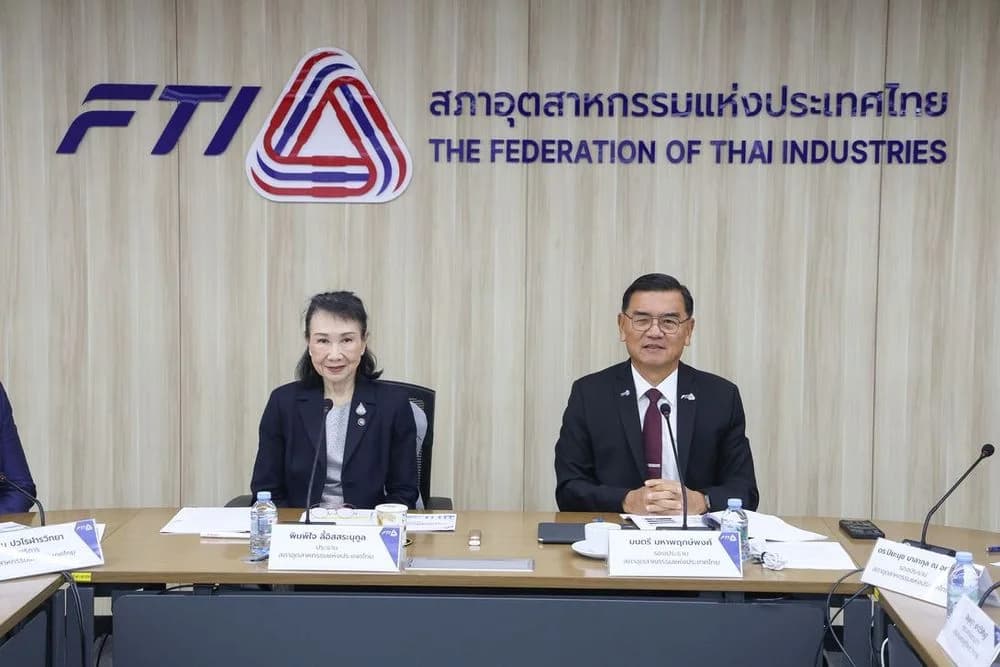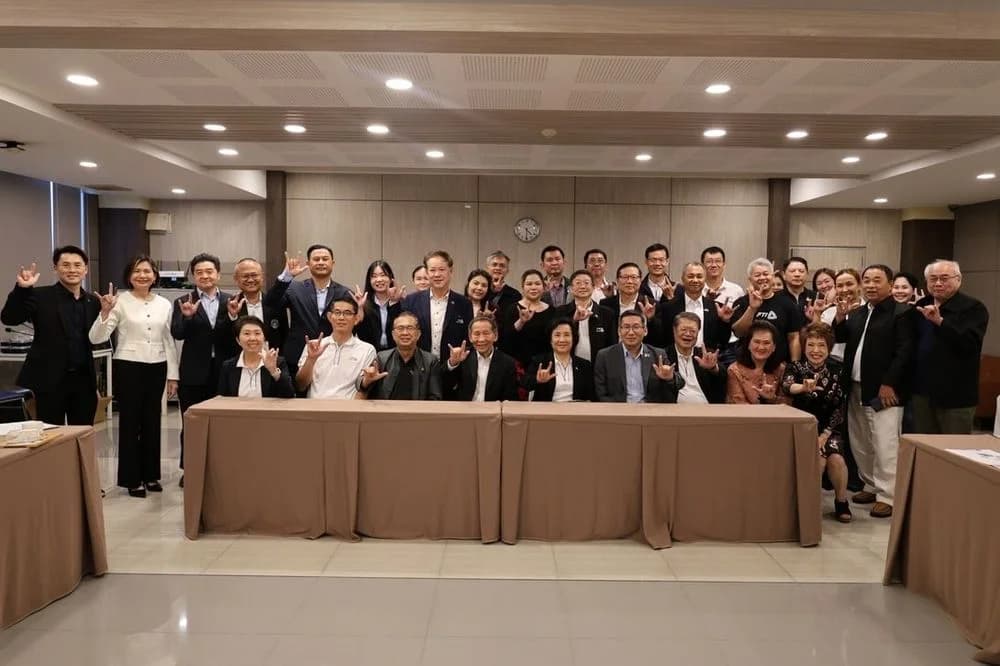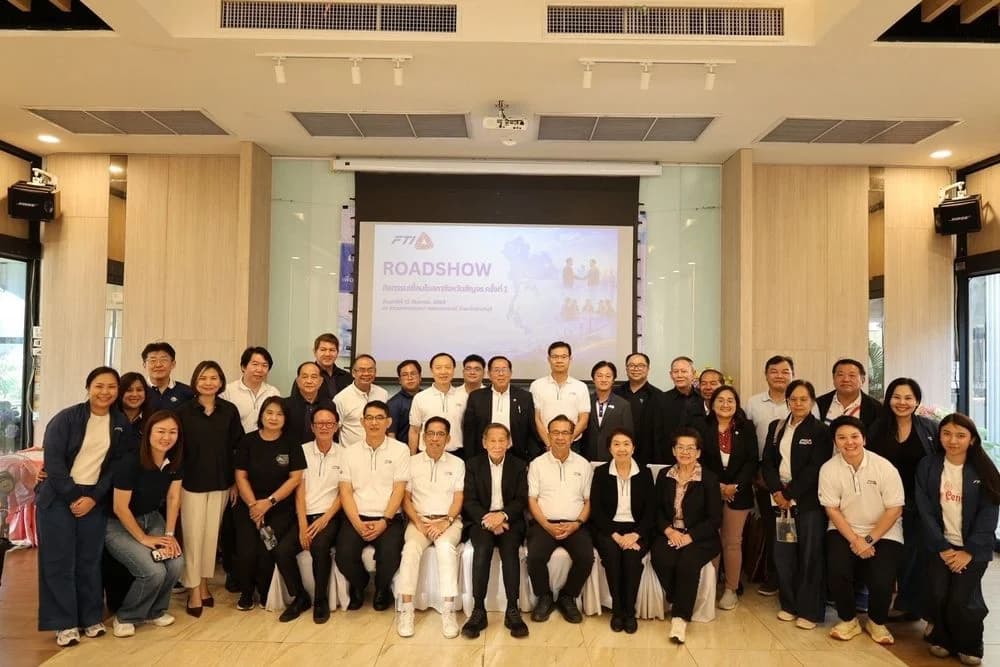
วันพฤหัสบดีที่ 21 สิงหาคม 2568 นางสาวยุพิน บุญศิริจันทร์ กรรมการสภาอุตสาหกรรมแห่งประเทศไทย (ส.อ.ท.) และประธานกลุ่มอุตสาหกรรมยานยนต์ ร่วมเป็นวิทยากรในการเสวนาพิเศษหัวข้อ “พลิกเกมเศรษฐกิจไทย: ความตกลงการค้าเสรีไทย–สหภาพยุโรป กับโอกาสเชิงยุทธศาสตร์” ในเวทีรับฟังความคิดเห็นจากผู้มีส่วนได้ส่วนเสียต่อการเจรจาความตกลงการค้าเสรี (FTA) ไทย–สหภาพยุโรป ภายใต้แนวคิด ““VOICE x VISION: Thai–EU FTA in Focus”
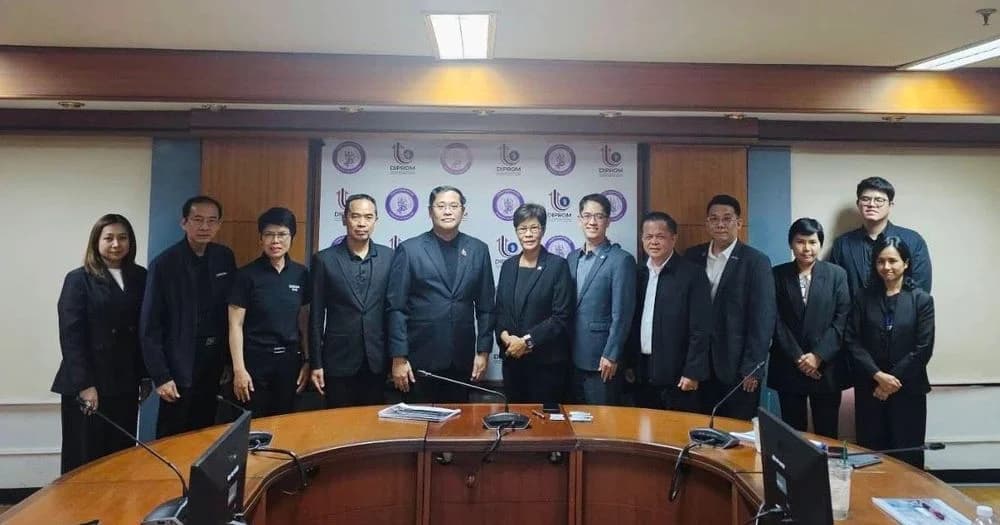
พิธีเปิดได้รับเกียรติจากนายจตุพร บุรุษพัฒน์ รัฐมนตรีว่าการกระทรวงพาณิชย์ เป็นประธาน พร้อมด้วย นายฉันทวิชญ์ ตัณฑสิทธิ์ รัฐมนตรีช่วยว่าการกระทรวงพาณิชย์ โดยมี ดร. ปิยะนุช มาลากุล ณ อยุธยา รองประธาน ส.อ.ท. รวมถึงผู้แทนจากหน่วยงานภาครัฐและเอกชนที่เกี่ยวข้องเข้าร่วม ณ ห้องแกรนด์ ฮอลล์ โรงแรมดิ แอทธินี
การจัดเวทีดังกล่าว มีเป้าหมายเพื่อเปิดพื้นที่ให้ทุกภาคส่วน ไม่ว่าจะเป็น ภาคธุรกิจ ผู้ประกอบการ นักวิชาการ และภาคประชาสังคม ได้ร่วมแสดงความคิดเห็น เพื่อนำมาประกอบการกำหนดท่าทีและยุทธศาสตร์การเจรจาความตกลงการค้าเสรี (FTA) ไทย–สหภาพยุโรป ให้เกิดประโยชน์สูงสุดต่อประเทศและประชาชน
ส.อ.ท. มองว่าการเจรจา FTA ไทย–สหภาพยุโรป ถือเป็นโอกาสสำคัญในการขยายตลาดส่งออก โดยเฉพาะสินค้าไทยที่มีศักยภาพ เช่น สิ่งทอ รองเท้า อาหารสำเร็จรูป และสินค้า SME ซึ่งสอดคล้องกับความต้องการของผู้บริโภคยุโรปที่ใส่ใจสิ่งแวดล้อมและความยั่งยืน
อย่างไรก็ตาม ยังมีความท้าทายด้านมาตรการและกฎระเบียบของสหภาพยุโรป ไม่ว่าจะเป็น มาตรการด้านสิ่งแวดล้อม เช่น กลไกการปรับคาร์บอนก่อนข้ามพรมแดน (Carbon Border Adjustment Mechanism: CBAM) มาตรฐานแรงงาน และสิทธิมนุษยชน ซึ่งอาจส่งผลกระทบต่อผู้ประกอบการ โดยเฉพาะ SME ที่มีข้อจำกัดด้านเงินทุนและเทคโนโลยี
ดังนั้น ไทยจำเป็นต้องเร่งยกระดับขีดความสามารถในการแข่งขัน ด้วยการพัฒนา นวัตกรรม เทคโนโลยี และการผลิตที่เป็นมิตรต่อสิ่งแวดล้อม ภายใต้แนวทาง 4GO ได้แก่
1) Go Digital & AI : เดินหน้าสู่ดิจิทัลและปัญญาประดิษฐ์
2) Go Innovation : ขับเคลื่อนด้วยนวัตกรรม
3) Go Global : ขยายสู่ตลาดโลก
4) Go Green : พัฒนาสู่เศรษฐกิจสีเขียว
ควบคู่กับการสนับสนุนการใช้วัตถุดิบท้องถิ่น (Local Content) และการปรับปรุงกฎระเบียบทางการค้า เพื่อเสริมสร้างศักยภาพผู้ประกอบการไทยให้สามารถใช้ประโยชน์จาก FTA ได้อย่างสูงสุด และรักษาความสามารถในการแข่งขันในระยะยาว
On Thursday, August 21, 2025, Ms. Yupin Boonsirichanchai, a committee member of the Federation of Thai Industries (FTI) and chair of the automotive industry group, served as a speaker at a special seminar titled “Transforming the Thai Economy: Thailand-EU Free Trade Agreement and Strategic Opportunities” within the forum to gather opinions from stakeholders on the negotiation of the Free Trade Agreement (FTA) between Thailand and the European Union under the theme “VOICE x VISION: Thai–EU FTA in Focus.”
The opening ceremony was honored by the presence of Mr. Chatupon Burutphat, Minister of Commerce, who presided over the event, along with Mr. Chantawit Thantasit, Deputy Minister of Commerce. Dr. Piyanuj Malakul na Ayudhya, Vice Chairman of FTI, along with representatives from relevant government and private agencies also attended at the Grand Hall of the Athenee Hotel.
The aim of this forum was to provide a space for all sectors, including businesses, entrepreneurs, academics, and civil society, to express their opinions, which will be used to inform the stance and strategy for negotiating the Thailand-EU Free Trade Agreement, ensuring maximum benefit for the country and its people.
FTI views the negotiation of the Thailand-EU FTA as a significant opportunity to expand export markets, especially for Thai products with potential, such as textiles, footwear, ready-to-eat food, and SME products, which align with the demands of environmentally and sustainability-conscious European consumers.
However, there remain challenges regarding the measures and regulations from the European Union, including environmental measures such as the Carbon Border Adjustment Mechanism (CBAM), labor standards, and human rights, which may impact enterprises, particularly SMEs that face constraints in funding and technology.
Therefore, Thailand needs to rapidly enhance its competitiveness by developing innovation, technology, and environmentally friendly production, under the 4GO framework as follows:
1) Go Digital & AI: Advancing towards digitalization and artificial intelligence.
2) Go Innovation: Driven by innovation.
3) Go Global: Expanding into global markets.
4) Go Green: Moving towards a green economy.
In parallel, there should be support for the use of local content and the improvement of trade regulations to bolster the capacity of Thai entrepreneurs to fully benefit from the FTA and maintain long-term competitiveness.