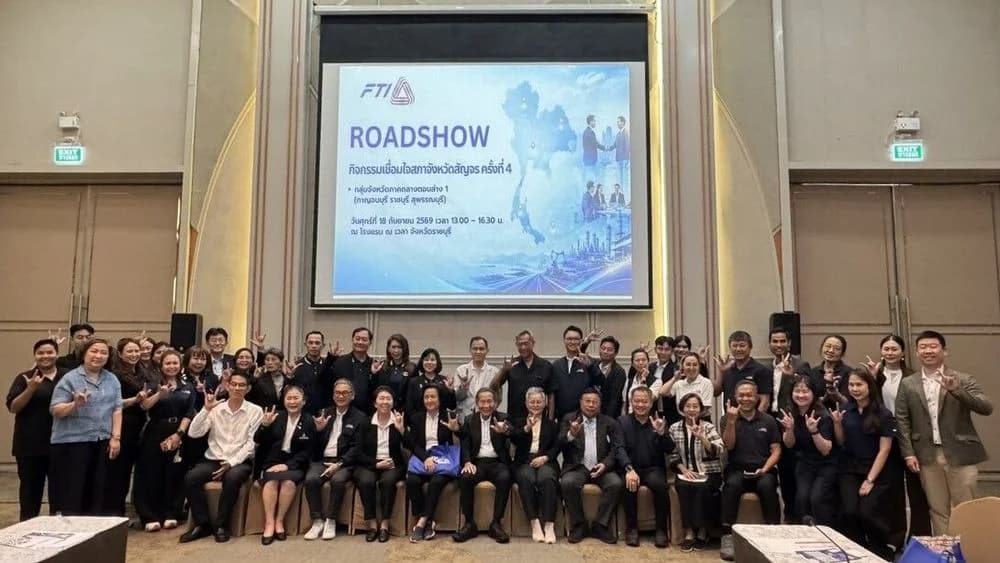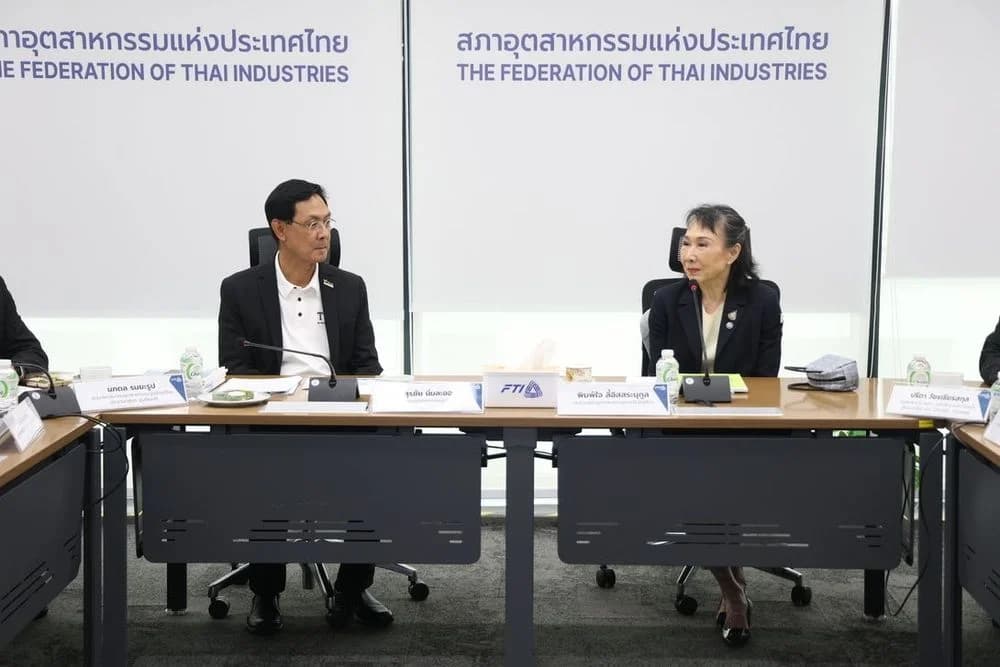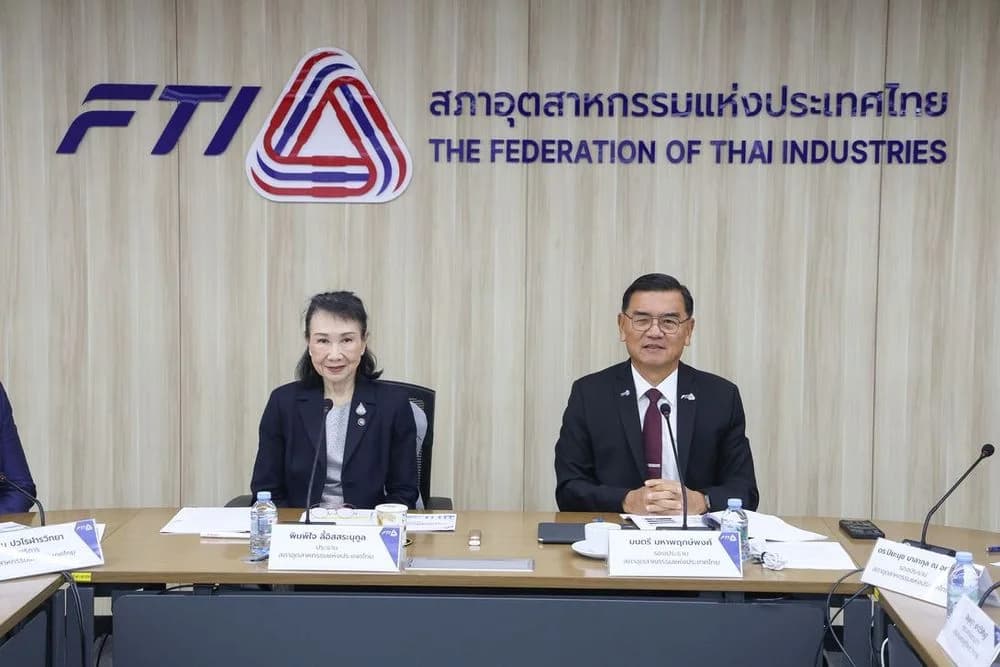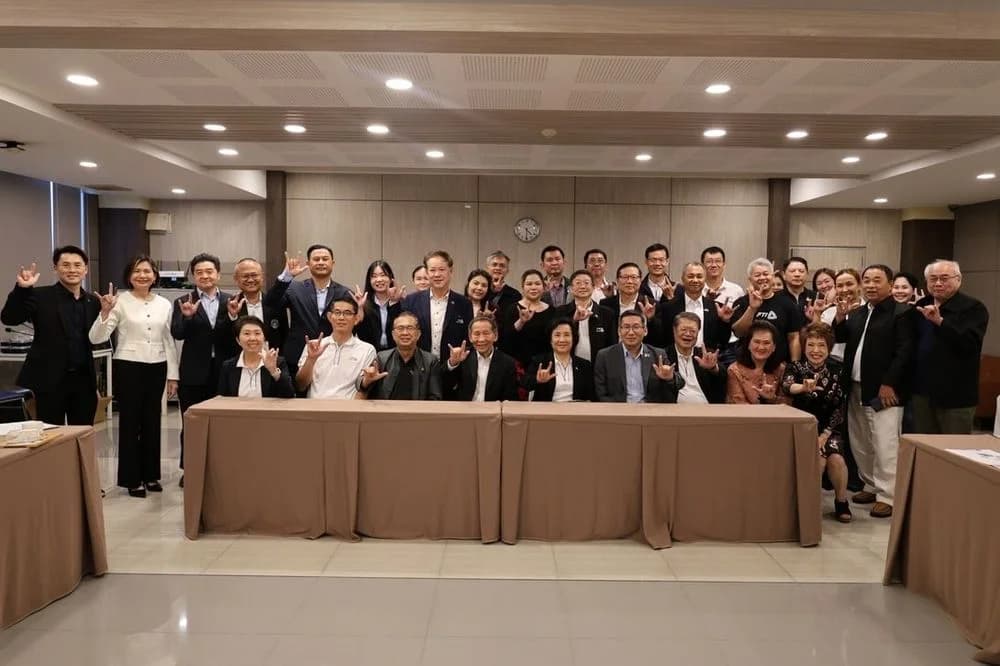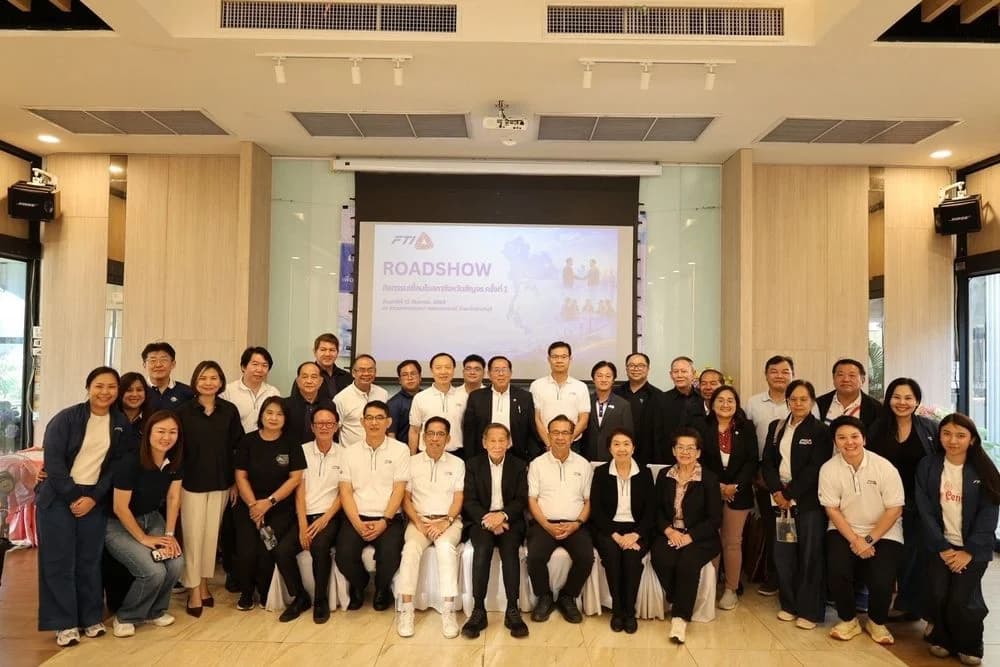

เมื่อวันที่ 18 กันยายน 2568 นายเกรียงไกร เธียรนุกุล ประธานสภาอุตสาหกรรมแห่งประเทศไทย (ส.อ.ท.) พร้อมคณะผู้บริหาร ให้การต้อนรับนางสาวปฐมา จันทรักษ์ กรรมการผู้จัดการ (Country Managing Director) ของ Accenture ประเทศไทย พร้อม Mr. Andrew Levy Global Chief Corporate & Government Affairs Officer และ Mr. Chris Tomsovic Managing Director & Global Lead, Macro Foresight บริษัท Accenture ในโอกาสเข้าพบเพื่อบรรยายพิเศษในหัวข้อ “Global Geopolitics & Macroeconomics Shifts: Implications for Thai Industries” ณ ห้องประชุม Passion 802 ชั้น 8 ส.อ.ท.
การบรรยาย ชี้ให้เห็นว่าประเทศไทยกำลังเผชิญความไม่แน่นอนจากทั้งด้านภูมิรัฐศาสตร์ การค้า และการแข่งขันทางเทคโนโลยี ซึ่งส่งผลกระทบโดยตรงต่อเศรษฐกิจและภาคธุรกิจไทย โดยเฉพาะมาตรการภาษีของสหรัฐฯ ที่กดดันการส่งออก โดยเฉพาะสินค้าอิเล็กทรอนิกส์และชิ้นส่วนยานยนต์ ขณะเดียวกัน ยังต้องรับมือกับการไหลบ่าของสินค้าจีนและความเสี่ยงจากการส่งต่อสินค้าผ่านประเทศที่สาม (Transshipment)
นอกจากนี้ การแข่งขันทางเทคโนโลยีระหว่างสหรัฐฯ–จีน กำลังสร้างระบบนิเวศดิจิทัลที่แบ่งเป็นสองขั้ว ไทยจึงจำเป็นต้องกำหนดกลยุทธ์การพัฒนาอุตสาหกรรมและความร่วมมืออย่างรอบคอบ ควบคู่กับการลงทุนในโครงสร้างพื้นฐานสำคัญ อาทิ ศูนย์ข้อมูล คลาวด์ และปัญญาประดิษฐ์ (AI)
ทั้งนี้ ไทยจำเป็นต้องเสริมความยืดหยุ่น (Resilience) ผ่านการวางแผนฉากทัศน์ การสร้างห่วงโซ่อุปทานที่มั่นคง การยกระดับผลิตภาพด้วยเทคโนโลยี การสร้างพันธมิตรเชิงกลยุทธ์ และการปรับตัวให้ทันต่อกฎระเบียบและการแข่งขันโลก เพื่อรักษาขีดความสามารถท่ามกลางความผันผวนในอนาคต
On September 18, 2025, Mr. Kriangkrai Theerakulkul, Chairman of the Federation of Thai Industries (FTI), along with executives, welcomed Ms. Patama Chandrakar, Country Managing Director of Accenture Thailand, along with Mr. Andrew Levy, Global Chief Corporate & Government Affairs Officer, and Mr. Chris Tomsovic, Managing Director & Global Lead, Macro Foresight at Accenture, on the occasion of a special lecture titled “Global Geopolitics & Macroeconomics Shifts: Implications for Thai Industries” at the Passion 802 Meeting Room, 8th Floor, FTI.
The lecture highlighted that Thailand is facing uncertainties from geopolitical issues, trade, and technological competition, which directly impact the economy and the business sector, particularly U.S. tax measures that pressure exports, especially electronic goods and automotive parts. Concurrently, it must address the influx of Chinese goods and the risks associated with transshipment through third countries.
Furthermore, the technological competition between the U.S. and China is creating a digital ecosystem that is polarized, necessitating Thailand to carefully formulate industrial development strategies and cooperation, alongside investing in critical infrastructure such as data centers, cloud services, and artificial intelligence (AI).
In this regard, Thailand must enhance its resilience through scenario planning, building a robust supply chain, elevating productivity with technology, forming strategic partnerships, and adapting to global regulations and competition to maintain its competitiveness amid future volatility.