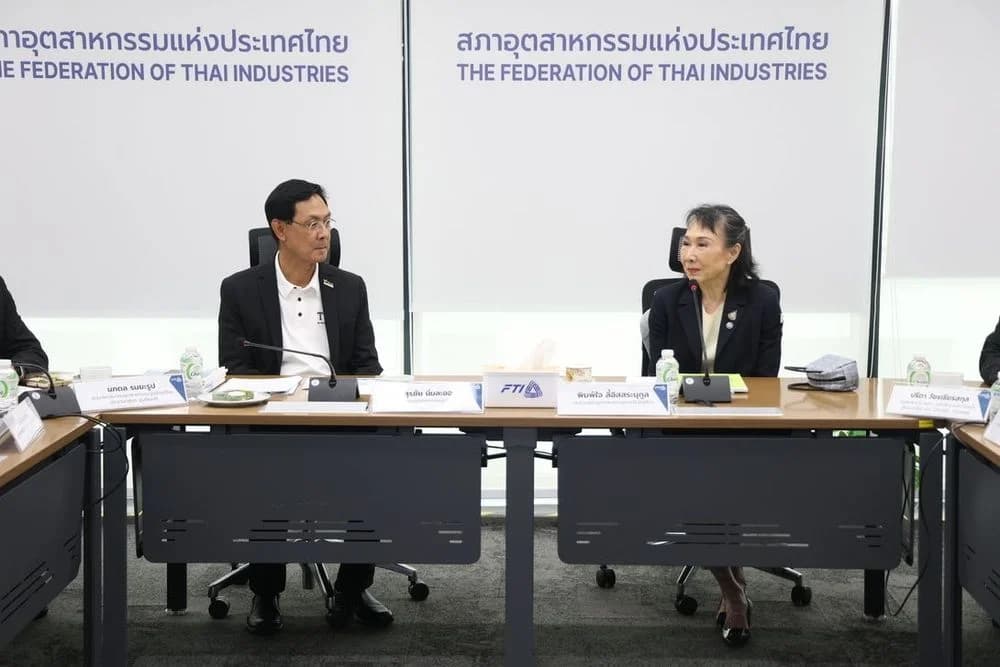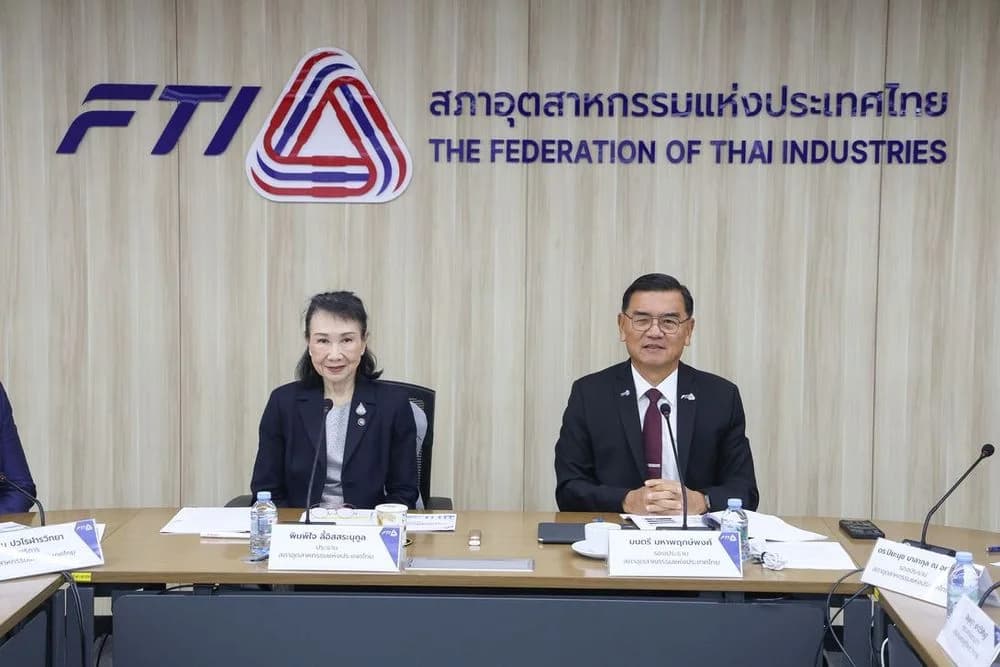

วันพุธที่ 1 ตุลาคม 2568 ดร.พจน์ อร่ามวัฒนานนท์ ประธานกรรมการสภาหอการค้าแห่งประเทศไทย เป็นประธานการประชุมคณะกรรมการร่วมภาคเอกชน 3 สถาบัน (กกร.) โดยมีนายเกรียงไกร เธียรนุกุล ประธานสภาอุตสาหกรรมแห่งประเทศไทย (ส.อ.ท.) และนายผยง ศรีวณิช ประธานสมาคมธนาคารไทย ร่วมแถลงข่าว ณ โรงแรมอนันตรา สยาม กรุงเทพฯ
กกร. แสดงความกังวลต่อทิศทางค่าเงินบาทที่ยังคงแข็งค่าอย่างต่อเนื่อง ส่งผลกระทบโดยตรงต่อการส่งออกและภาคท่องเที่ยว อีกทั้งยังมีความเชื่อมโยงกับราคาทองคำที่ปรับตัวสูงขึ้น ขณะเดียวกัน ข้อมูลเชิงลึกเกี่ยวกับธุรกรรมทองคำ คริปโตเคอร์เรนซี และการโอนเงินกลับประเทศของแรงงานต่างด้าวนอกระบบ ยังมีข้อจำกัด ส่งผลให้ตัวเลขดุลการชำระเงินส่วนใหญ่ถูกจัดอยู่ในหมวด “Errors & Omissions” โดยไม่สามารถจำแนกได้อย่างชัดเจน
กกร. เสนอให้หน่วยงานที่เกี่ยวข้องร่วมกันเชื่อมโยงข้อมูล และเร่งวิเคราะห์ผลกระทบของธุรกรรมเหล่านี้อย่างรอบด้าน
กกร. ขอแสดงความขอบคุณรัฐบาลที่ได้ให้ความสำคัญกับการหารือร่วมกับภาคเอกชน ผ่านการประชุมกับทั้ง 3 สถาบัน ได้แก่ สภาหอการค้าแห่งประเทศไทย สภาอุตสาหกรรมแห่งประเทศไทย และสมาคมธนาคารไทย ในช่วงที่ผ่านมา ซึ่งสะท้อนถึงการเปิดรับฟังความคิดเห็นและการทำงานแบบมีส่วนร่วมอย่างแท้จริง ทั้งนี้ หลายข้อเสนอของภาคเอกชนได้ถูกบรรจุไว้ในนโยบายของรัฐบาลแล้ว กกร. จึงคาดหวังเป็นอย่างยิ่งว่านโยบายเหล่านี้จะได้รับการผลักดันให้เกิดผลอย่างจริงจังและเป็นรูปธรรม เพื่อสร้างความเชื่อมั่นและขับเคลื่อนเศรษฐกิจไทยให้เดินหน้าอย่างมั่นคงต่อไป พร้อมกันนี้ กกร. ยังยืนยันความพร้อมที่จะสนับสนุนการทำงานของรัฐบาลอย่างเต็มที่ในช่วงระยะเวลาก่อนการเลือกตั้ง เพื่อให้มาตรการด้านเศรษฐกิจไม่สะดุด และสามารถสร้างความต่อเนื่องในการพัฒนาประเทศได้อย่างยั่งยืน โดย กกร. ได้เสนอร่างพิมพ์เขียว เวที “Reinvent Thailand” เพื่อเป็นกรอบการทำงานที่รวดเร็วและคล่องตัวเหมาะสมกับบริบทโลกที่มีการเปลี่ยนแปลง ในการฟื้นฟูและยกระดับเศรษฐกิจไทยในระยะต่อไป
การเร่งส่งออกที่หนุนเศรษฐกิจโลกช่วงที่ผ่านมาเริ่มแผ่วลง เศรษฐกิจโลกในช่วงไตรมาสสุดท้ายของปีนี้และในปีข้างหน้ามีทิศทางชะลอตัว โดย OECD ประเมิน GDP โลกปี 2568 โต 3.3% แต่ปัจจัยลบจากการขึ้นภาษีซึ่งกระทบการใช้จ่ายและการจ้างงาน จะกดดันเศรษฐกิจโลกปี 2569 ให้ชะลอลงเหลือโต 2.9% ทั้งนี้การส่งออกไปตลาดสหรัฐฯ จะหดตัว ซึ่งภูมิภาคอาเซียนจะหดตัว 9.7% ส่วนไทยจะหดตัว 12.7% ตามการประเมินของ UNDP สะท้อนความเปราะบางของการค้าโลก
ท่ามกลางภาวะนี้ ค่าเงินบาทยังแข็งค่าและมีความสัมพันธ์อย่างใกล้ชิดกับราคาทองคำที่เพิ่มขึ้นต่อเนื่อง ขณะที่ยังขาดข้อมูลเชิงลึกเพื่ออธิบายผลกระทบจากธุรกรรมทองคำและคริปโตเคอร์เรนซี รวมถึงการโอนเงินกลับประเทศของแรงงานต่างด้าวที่อยู่นอกระบบ ซึ่งทำให้ตัวเลขดุลการชำระเงินส่วนใหญ่ถูกจัดอยู่ในหมวด “Errors & Omissions” โดยไม่สามารถจำแนกได้ชัดเจน กกร. จึงเสนอให้หน่วยงานที่เกี่ยวข้องทำงานร่วมกัน เชื่อมโยงข้อมูล เร่งแยกแยะและวิเคราะห์ผลกระทบของธุรกรรมเหล่านี้ต่อภาคเศรษฐกิจจริง (Real Sector) พร้อมทั้งพิจารณามาตรการเชิงโครงสร้างเพื่อสร้างสมดุลในระยะยาว ที่ค่าเงินดอลลาร์มีแนวโน้มอ่อนค่า อาทิ การจัดตั้งกองทุน Sovereign Wealth Fund เพื่อเป็นกลไกเพิ่มเติมตอบโจทย์กับกิจกรรมการเคลื่อนย้ายเงินทุน ไม่ยึดติดกับผลิตภัณฑ์เดิม รองรับและบริหารความผันผวนอย่างเป็นระบบ
สำหรับตัวเลขการส่งออก กกร. ยังคงประมาณการการเติบโตไว้ที่ 2–3% โดยมีปัจจัยกดดันสำคัญจากค่าเงินบาทที่แข็งค่ารุนแรงในช่วงที่ผ่านมา ซึ่งส่งผลโดยตรงต่อความสามารถในการแข่งขันของผู้ส่งออกไทยและการท่องเที่ยว อย่างไรก็ดี ภาคเอกชนเห็นว่าหากสามารถดูแลเสถียรภาพและทำให้ค่าเงินบาทอ่อนค่าลงได้ในช่วงไตรมาสสุดท้ายของปี ก็จะช่วยเพิ่มโอกาสให้ตัวเลขการส่งออกปรับตัวสูงขึ้นได้ รวมถึงการขับเคลื่อนนโยบายเศรษฐกิจของรัฐบาลใหม่ ดังนั้น กกร. จะติดตามสถานการณ์อย่างใกล้ชิด และทบทวนประมาณการการส่งออกอีกครั้งในการประชุมเดือนหน้า
ไทยต้องเร่งยกระดับ Regional Value Content (RVC) เนื่องจากหากไม่สามารถรักษาระดับที่เหมาะสมได้ อาจกระทบต่อความสามารถในการแข่งขันของสินค้าไทยในตลาดสหรัฐฯ และส่งผลต่อแรงงานราว 4 แสนคนที่เกี่ยวข้อง จึงจำเป็นต้องเร่งพัฒนาการใช้วัตถุดิบในประเทศ และเสริมสร้างอุตสาหกรรมต้นน้ำให้แข็งแรง โดยมี RVC ที่เหมาะสมอยู่ที่ 40% ซึ่งจะเป็นเกณฑ์สำคัญที่ช่วยให้ผู้ประกอบการไทยสามารถแข่งขันได้อย่างมั่นคงในตลาดโลก
คาดเศรษฐกิจไทยปี 2568 มีแนวโน้มขยายตัวได้ที่ 1.8%-2.2% ตามที่ประเมินไว้เดิม อย่างไรก็ดี หากสามารถเร่งรัดการเบิกจ่ายงบประมาณปี 2569 ให้ได้ราว 1 ใน 3 ของงบประมาณภายในสิ้นปีนี้ กระตุ้นนักท่องเที่ยวจากต่างประเทศให้ไปถึง 34 ล้านคน ควบคู่ไปกับมาตรการกระตุ้นเศรษฐกิจคนละครึ่งพลัส สนับสนุน SMEs และ Made In Thailand ตามแนวทาง Quick Big Win ของรัฐบาล จะเป็นแรงสนับสนุนสำคัญของเศรษฐกิจไทยในปี 2568 ให้โตได้ใกล้เคียงกับปีก่อนที่โต 2.5%
กรอบประมาณการเศรษฐกิจปี 2568 ของ กกร.
ณ ม.ค.-เม.ย. 68
GDP 2.4 ถึง 2.9
ส่งออก 1.5 ถึง 2.5
เงินเฟ้อ 0.8 ถึง 1.2
ณ พ.ค. 68
GDP 2.0 ถึง 2.2
ส่งออก 0.3 ถึง 0.9
เงินเฟ้อ 0.5 ถึง 1.0
ณ มิ.ย. 68
GDP 1.5 ถึง 2.0
ส่งออก -0.5 ถึง 0.9
เงินเฟ้อ 0.5 ถึง 1.0
ณ ก.ค. 68
GDP 1.5 ถึง 2.0
ส่งออก -0.5 ถึง 0.3
เงินเฟ้อ 0.5 ถึง 1.0
ณ ส.ค. 68
GDP 1.8 ถึง 2.2
ส่งออก 2.0 ถึง 3.0
เงินเฟ้อ 0.5 ถึง 1.0
ณ ก.ย. 68
GDP 1.8 ถึง 2.2
ส่งออก 2.0 ถึง 3.0
เงินเฟ้อ 0.5 ถึง 1.0
ณ ต.ค. 68
GDP 1.8 ถึง 2.2
ส่งออก 2.0 ถึง 3.0
เงินเฟ้อ 0.5 ถึง 1.0
นอกจากนั้น กกร. ยังได้มีประเด็นสำคัญที่หารือเพิ่มเติม ดังนี้
1) สืบเนื่องจาก Problem Statement ของข้อเสนอ “Reinvent Thailand” กกร. จึงให้ความสำคัญกับสถานการณ์คอร์รัปชันในประเทศไทยที่ยังคงอยู่ในระดับรุนแรงและเป็นอุปสรรคสำคัญต่อการพัฒนาเศรษฐกิจและการสร้างความเชื่อมั่นของนักลงทุนทั้งในและต่างชาติ ผลการสำรวจของศูนย์พยากรณ์เศรษฐกิจและธุรกิจ มหาวิทยาลัยหอการค้าไทย ในเรื่องดัชนีสถานการณ์คอร์รัปชันไทย ชี้ว่าการทุจริตเชิงนโยบายและการทุจริตในระดับท้องถิ่นที่ปรากฏอย่างต่อเนื่อง ไม่ว่าจะเป็นการใช้งบประมาณภาครัฐในโครงการขนาดใหญ่ที่ขาดความโปร่งใส การเรียกรับผลประโยชน์ในการจัดซื้อจัดจ้าง หรือการบังคับใช้กฎหมายที่ไม่เสมอภาค ซึ่งส่งผลกระทบต่อผู้ประกอบการจำนวนมากที่ยังคงเผชิญแรงกดดันต้องจ่ายเงินพิเศษให้เจ้าหน้าที่รัฐหรือผู้มีอำนาจทางการเมืองเพื่อให้ได้มาซึ่งสิทธิหรือสัญญาตามระบบราชการ
ทั้งนี้ กกร. ได้จัดตั้งคณะทำงาน Zero Corruption : กกร. ไม่ทน ขึ้นมาโดยตรง เพื่อรวบรวมข้อเสนอจากภาคธุรกิจและภาคประชาสังคม พร้อมจัดทำเป็นข้อเสนอเชิงนโยบายที่จะนำเสนอต่อรัฐบาลอย่างเป็นระบบ เพื่อให้มาตรการเหล่านี้ถูกนำไปปฏิบัติได้จริง และสามารถฟื้นฟูความเชื่อมั่นของนักลงทุน รวมถึงสร้างระบบเศรษฐกิจและการเมืองไทยที่โปร่งใส เป็นธรรม และยั่งยืนในระยะยาว โดยคณะทำงานดังกล่าวประกอบด้วย ได้แก่ สภาหอการค้าแห่งประเทศไทย สภาอุตสาหกรรมแห่งประเทศไทย และสมาคมธนาคารไทย พร้อมด้วยภาคีเครือข่ายที่เข้ามาร่วมผลักดัน ได้แก่ องค์กรต่อต้านคอร์รัปชัน (ประเทศไทย) หรือ ACT, แนวร่วมปฏิบัติของภาคเอกชนไทยในการต่อต้านการทุจริต (CAC) และสำนักงานคณะกรรมการป้องกันและปราบปรามการทุจริตในภาครัฐ (ป.ป.ท.) โดบมีกรอบการทำงานของคณะทำงาน Zero Corruption ที่จะเน้นไปที่ 8 ด้านสำคัญ ได้แก่ 1) หลักธรรมาภิบาล 2) การปลูกฝังจิตสำนึก 3) นโยบายต่อต้านการทุจริต 4) ระบบบริหารความเสี่ยง 5) การมีส่วนร่วม 6) เทคโนโลยี 7) การเปิดเผยข้อมูลภาครัฐ 8) การปรับปรุงกฎหมายและกฎระเบียบ (Guillotine) ที่เคยดำเนินการมาก่อนหน้านี้ และจัดลำดับประเด็นที่จะต้องเร่งดำเนินการทั้งในระยะเร่งด่วน ระยะกลาง และระยะยาว ซึ่งคณะทำงานจะบูรณาการความร่วมมืออย่างจริงจังเพื่อต่อต้านการทุจริตอย่างเป็นรูปธรรม
สืบเนื่องจากสภาผู้แทนราษฎร อยู่ระหว่างพิจารณา (ร่าง) พระราชบัญญัติคุ้มครองแรงงาน (ฉบับที่ ..) พ.ศ. .... ซึ่ง กกร. ได้พิจารณาแล้วมีข้อกังวลต่อ ร่าง พรบ. ฉบับดังกล่าว เนื่องจากมีบางมาตราที่อาจส่งผลกระทบต่อเศรษฐกิจในภาพรวม และเพิ่มภาระต้นทุนในการจ้างงานให้กับนายจ้าง นอกจากนี้ ร่าง พรบ. ดังกล่าว ยังขาดการรับฟังความคิดเห็นจากภาคเอกชนอย่างเป็นระบบและรอบด้าน ดังนั้น กกร. จึงขอให้มีการทบทวน ร่าง พรบ. คุ้มครองแรงงานฯ และขอให้ภาคเอกชนเข้าไปมีส่วนร่วมเป็นคณะกรรมาธิการในการพิจารณา (ร่าง) พ.ร.บ. ดังกล่าว เพื่อสะท้อนความเห็นและมุมมองต่อการปรับปรุงกฎหมาย เพื่อให้เกิดความเป็นธรรมทั้งฝ่ายนายจ้างและฝ่ายลูกจ้าง รวมทั้ง ไม่ให้ส่งผลกระทบต่อความสามารถในการแข่งขันและภาพรวมเศรษฐกิจไทย
On Wednesday, October 1, 2025, Dr. Phajan Aramwattananont, Chairman of the Thai Chamber of Commerce, presided over the meeting of the Joint Private Sector Committee of three institutions (JFCCT) with Mr. Kriangkrai Theeranukul, Chairman of the Federation of Thai Industries (FTI), and Mr. Phayong Sriwinit, President of the Thai Bankers' Association, attending the press conference at Anantara Siam Bangkok Hotel.
The JFCCT expressed concern over the continuous strengthening of the baht, which has a direct impact on exports and the tourism sector. Additionally, this issue is closely linked to the rising gold prices. At the same time, there are limitations in obtaining detailed information about gold transactions, cryptocurrencies, and remittances from undocumented migrant workers, resulting in most balance of payments figures being classified under “Errors & Omissions” without clear differentiation.
The JFCCT proposed that relevant agencies collaborate to link data and expedite comprehensive analysis of the impacts of these transactions.
The JFCCT expresses gratitude to the government for prioritizing discussions with the private sector through meetings with the three institutions, namely the Thai Chamber of Commerce, the Federation of Thai Industries, and the Thai Bankers' Association in recent times, reflecting a genuine willingness to listen to feedback and work collaboratively. Many private sector proposals have already been incorporated into government policies, leading the JFCCT to hope that these policies will be actively pushed forward, producing tangible results to enhance confidence and drive the Thai economy steadily forward. Furthermore, the JFCCT reaffirms its readiness to fully support the government's work in the period leading up to the elections to ensure that economic measures remain uninterrupted and that the development of the country can continue sustainably. The JFCCT has proposed a blueprint draft for the “Reinvent Thailand” forum to provide a rapid and flexible working framework suited to the changing global context in the recovery and upgrading of the Thai economy moving forward.
The previously driving export sector that supported the global economy has begun to slow down. The global economy is expected to decelerate in the last quarter of this year and into the following year, with the OECD estimating global GDP growth for 2025 at 3.3%. However, negative factors such as tax increases impacting spending and employment will pressure global economic growth down to 2.9% in 2026. Exports to the U.S. are expected to contract, with the ASEAN region predicted to shrink by 9.7%, and Thailand expected to see a contraction of 12.7%, according to UNDP assessments, reflecting the vulnerability of global trade.
Amidst this situation, the baht continues to strengthen and has a close relationship with continually rising gold prices while lacking in-depth information to explain the impacts of gold transactions and cryptocurrencies, as well as remittances from undocumented migrant workers. This situation causes most balance of payments figures to be classified under “Errors & Omissions” without clear differentiation. Therefore, the JFCCT proposes that relevant agencies collaborate to connect data, quickly identify and analyze the impacts of these transactions on the real economy, while considering structural measures to achieve long-term balance. As the dollar is expected to weaken, establishing a Sovereign Wealth Fund could serve as an additional mechanism to address the challenges posed by capital movements, moving beyond reliance on traditional products, thereby supporting and managing volatility systematically.
Regarding export figures, the JFCCT maintains its growth projection at 2–3%, with significant pressure stemming from the sharp appreciation of the baht in recent times, which has directly affected the competitiveness of Thai exporters and tourism. However, the private sector believes that if stability can be maintained and the baht can depreciate in the final quarter of the year, there will be increased opportunities for improved export figures as well as driving the new government's economic policies. Therefore, the JFCCT will closely monitor the situation and reassess export projections in the upcoming meeting next month.
Thailand must accelerate its efforts to enhance Regional Value Content (RVC) levels, as failure to maintain appropriate levels may jeopardize the competitiveness of Thai products in the U.S. market and affect approximately 400,000 workers involved. There is a pressing need to develop domestic raw materials usage and strengthen upstream industries. An appropriate RVC level is considered to be 40%, which will serve as an essential benchmark for Thai operators to compete confidently in the global market.
It is expected that Thailand's economy in 2025 may grow by 1.8%-2.2% in line with previous estimates. However, if budget disbursement for 2026 can be expedited to around one-third of the budget by the end of this year, attracting approximately 34 million international tourists, along with economic stimulus measures such as the “Half-half” plan, support for SMEs, and promoting Made In Thailand initiatives in accordance with the government’s Quick Big Win strategy will serve as significant support for the Thai economy in 2025, bringing growth closer to the previous year’s growth rate of 2.5%.
Economic projection framework for 2025 by the JFCCT
As of Jan-April 2025
GDP 2.4 to 2.9
Exports 1.5 to 2.5
Inflation 0.8 to 1.2
As of May 2025
GDP 2.0 to 2.2
Exports 0.3 to 0.9
Inflation 0.5 to 1.0
As of June 2025
GDP 1.5 to 2.0
Exports -0.5 to 0.9
Inflation 0.5 to 1.0
As of July 2025
GDP 1.5 to 2.0
Exports -0.5 to 0.3
Inflation 0.5 to 1.0
As of August 2025
GDP 1.8 to 2.2
Exports 2.0 to 3.0
Inflation 0.5 to 1.0
As of September 2025
GDP 1.8 to 2.2
Exports 2.0 to 3.0
Inflation 0.5 to 1.0
As of October 2025
GDP 1.8 to 2.2
Exports 2.0 to 3.0
Inflation 0.5 to 1.0
Additionally, the JFCCT discussed some important issues including:
1) Following the Problem Statement of the “Reinvent Thailand” proposal, the JFCCT emphasizes the situation of corruption in Thailand, which remains at a critical level and poses major obstacles to economic development and creating confidence among both domestic and foreign investors. Survey results from the Economic and Business Forecasting Center of the University of the Thai Chamber of Commerce regarding the Thai Corruption Situation Index indicate that persistent policy corruption and local-level corruption continue to arise, whether it is transparency issues in large public budget projects, the solicitation of benefits in procurement or uneven law enforcement, which adversely impacts a large number of businesses still facing pressure to pay extra money to officials or those in political power to obtain rights or contracts through bureaucratic channels.
Therefore, the JFCCT has established a Zero Corruption Task Force to directly gather proposals from businesses and civil society, to develop them into systematic policy proposals to be presented to the government, ensuring that these measures are effectively implemented, restoring investor confidence, and creating a transparent, fair, and sustainable economic and political system in the long term. This task force consists of the Thai Chamber of Commerce, the Federation of Thai Industries, and the Thai Bankers' Association, along with supporting partners such as the Anti-Corruption Organization of Thailand (ACT), the Thai Private Sector Consortium Against Corruption (CAC), and the Office of the National Anti-Corruption Commission (NACC) with a focus on eight key areas: 1) Good Governance 2) Promoting Awareness 3) Anti-Corruption Policies 4) Risk Management Systems 5) Participation 6) Technology 7) Public Data Disclosure 8) Review of Laws and Regulations (Guillotine) that had been previously implemented, prioritizing issues that must be urgently addressed in the short, medium, and long term, which the task force will integrate serious cooperation to tangibly combat corruption.
Furthermore, the House of Representatives is currently considering the draft Labor Protection Act (No..), which the JFCCT has reviewed and raised concerns regarding certain provisions that may impact the overall economy and increase employment costs for employers. Additionally, the draft lacks systematic and holistic consultation with the private sector. Therefore, the JFCCT requests a review of the draft Labor Protection Act and requests private sector involvement as a committee in the consideration of this draft law to reflect opinions and perspectives on legal improvements to ensure fairness for both employers and employees while also preventing negative impacts on competitiveness and the overall Thai economy.