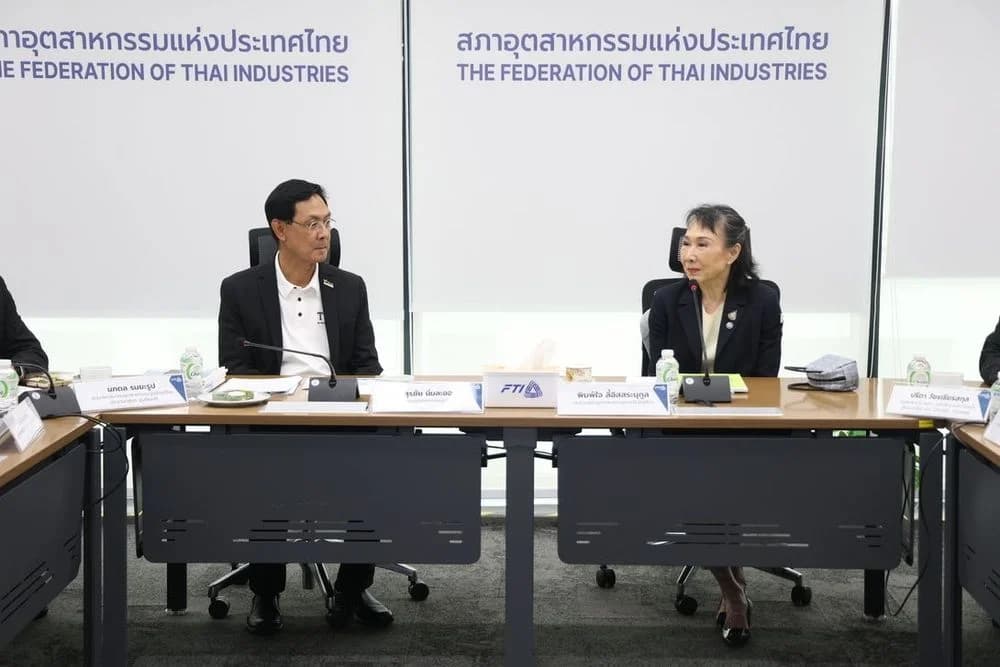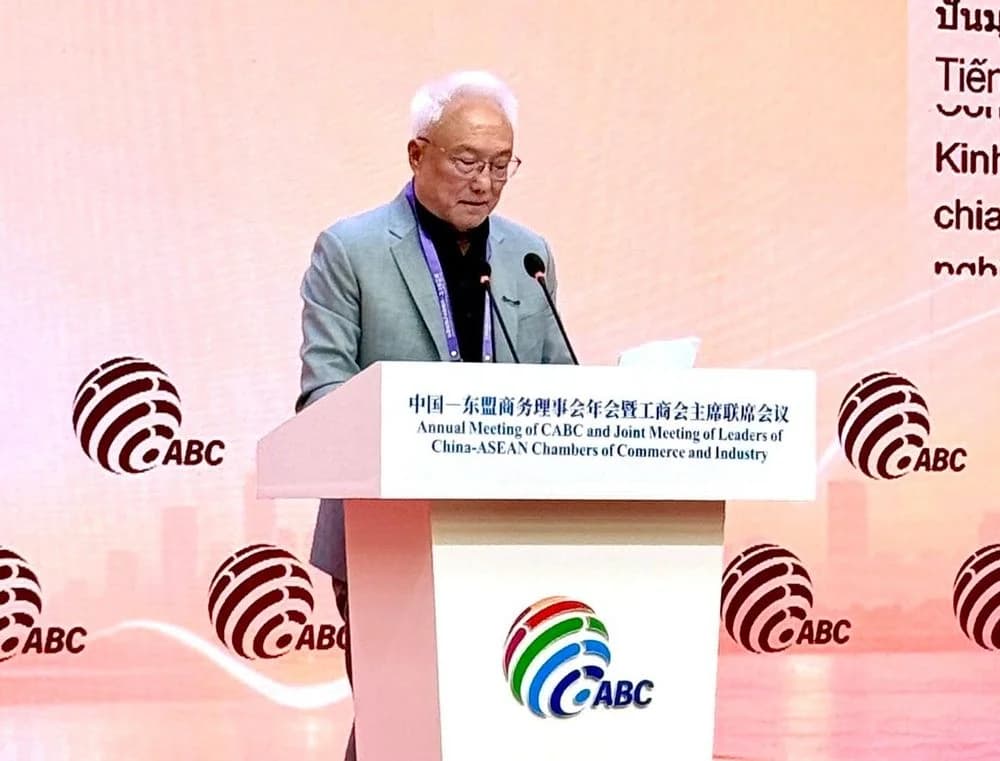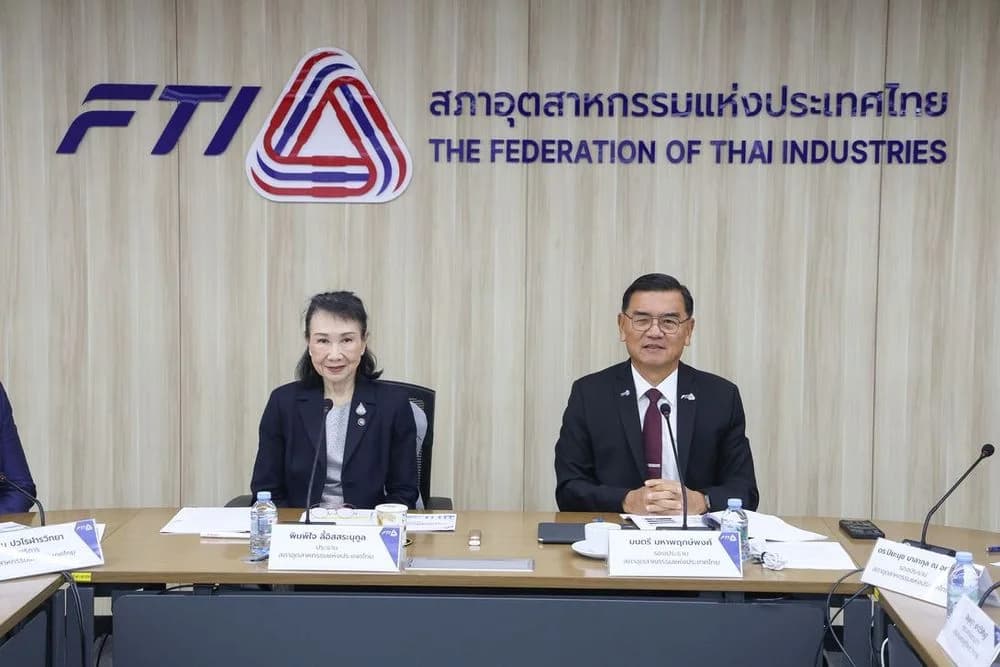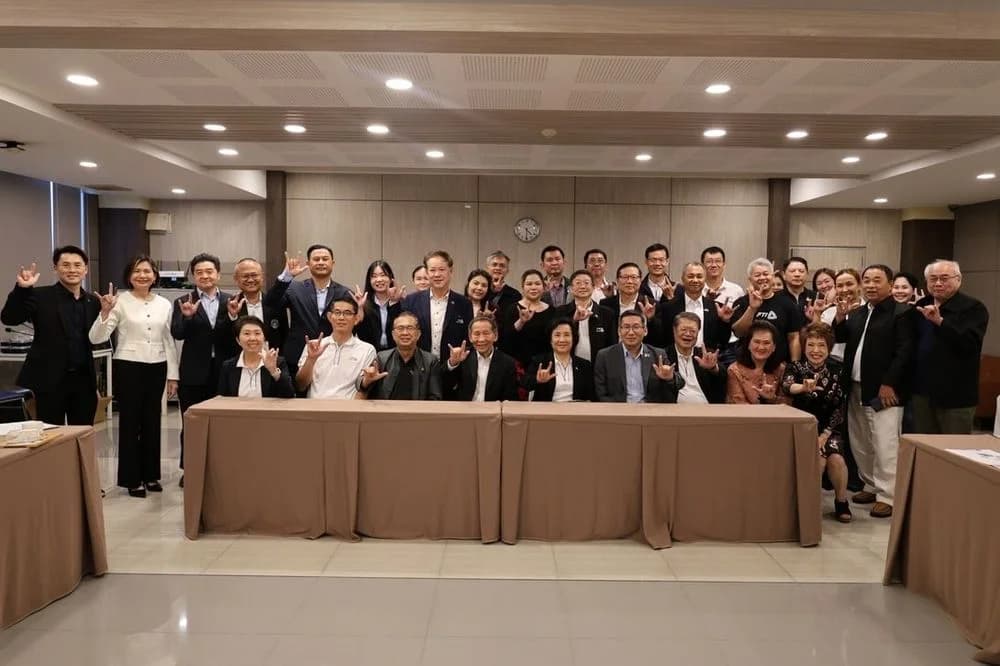

วันพุธที่ 5 พฤศจิกายน 2568 ดร.พจน์ อร่ามวัฒนานนท์ ประธานกรรมการสภาหอการค้าแห่งประเทศไทย เป็นประธานการประชุมคณะกรรมการร่วมภาคเอกชน 3 สถาบัน (กกร.) โดยมี นายเกรียงไกร เธียรนุกุล ประธานสภาอุตสาหกรรมแห่งประเทศไทย (ส.อ.ท.) และนายกอบศักดิ์ ดวงดี เลขาธิการสมาคมธนาคารไทย ร่วมในการแถลงข่าว ณ ศูนย์การประชุมแห่งชาติสิริกิติ์
ที่ประชุม กกร. คาดเศรษฐกิจไทยปี 2568 มีแนวโน้มขยายตัวได้ที่ 1.8%-2.2% ตามที่ประเมินไว้เดิม แม้การส่งออกอาจโตได้ประมาณ 9.5%-10.5% แต่เป็นสินค้าที่มี local content ต่ำมาก และทองคำซึ่งไม่ได้สร้างมูลค่าเพิ่มให้เศรษฐกิจจริง ประกอบกับการนำเข้าที่ขยายตัวสูงถึง 10.2% ขณะที่เงินเฟ้อต่ำเพียงราว -0.1% ถึง 0.1% ตามราคาพลังงานที่แผ่วลง
เศรษฐกิจโลกขยายตัวดีกว่าที่คาด นำโดยเศรษฐกิจสหรัฐฯที่ขยายตัวดีต่อเนื่องแม้จะเริ่มได้รับผลกระทบจากมาตรการภาษี โดยล่าสุด IMF ประเมิน GDP โลกปี 2568 โต 3.2% จากเดิมที่คาดไว้ที่ 3.0% ท่ามกลางความเสี่ยงจากนโยบายการค้าโลก ทั้งนี้เศรษฐกิจสหรัฐฯ ที่ขยายตัวดีส่งผลให้แนวโน้มการส่งออกไทยในปี 2568 ขยายตัวสูงกว่าที่คาดไว้มาก อย่างไรก็ดี เศรษฐกิจไทยไม่ได้รับอานิสงส์จากการส่งออกมากนัก ส่วนหนึ่งเป็นเพราะสินค้าส่งออกของไทยที่ขยายตัวแรงมี Local Content ต่ำ จึงส่งผลต่อ GDP อย่างจำกัด
ตลาดแรงงานที่เปราะบางเป็นปัจจัยท้าทายการปรับตัวของเศรษฐกิจไทย อัตราว่างงานในระบบประกันสังคมล่าสุดในไตรมาส 2/68 แตะ 2.1% สูงสุดในรอบ 2 ปี และอัตราการว่างงานภาคอุตสาหกรรมและเด็กจบใหม่เร่งตัว จากเศรษฐกิจที่ได้รับผลกระทบจากสงครามการค้าและการแข่งขันจากต่างประเทศ ซึ่งซ้ำเติมแผลเป็นจากช่วงโควิดที่แรงงานนอกระบบสูงขึ้น กระทบต่อผลิตภาพแรงงาน
คาดเศรษฐกิจไทยปี 2568 มีแนวโน้มขยายตัวได้ที่ 1.8%-2.2% ตามที่ประเมินไว้เดิม แม้การส่งออกอาจโตได้ประมาณ 9.5%-10.5% แต่เป็นสินค้าที่มี local content ต่ำมาก และทองคำซึ่งไม่ได้สร้างมูลค่าเพิ่มให้เศรษฐกิจจริง ประกอบกับการนำเข้าที่ขยายตัวสูงถึง 10.2% ขณะที่เงินเฟ้อต่ำเพียงราว -0.1% ถึง 0.1% ตามราคาพลังงานที่แผ่วลง อย่างไรก็ดีหากสามารถเร่งรัดการเบิกจ่ายงบประมาณปี 2569 ควบคู่ไปกับมาตรการกระตุ้นเศรษฐกิจคนละครึ่งพลัส สนับสนุน SMEs และ Made In Thailand ตามแนวทาง Quick Big Win ของรัฐบาล จะเป็นแรงสนับสนุนสำคัญของเศรษฐกิจไทยในปี 2568 ให้โตได้ใกล้เคียงกับปีก่อนที่โต 2.5%
กรอบประมาณการเศรษฐกิจปี 2568 ของ กกร.
ณ ม.ค.-เม.ย. 68
GDP 2.4 ถึง 2.9
ส่งออก 1.5 ถึง 2.5
เงินเฟ้อ 0.8 ถึง 1.2
ณ พ.ค. 68
GDP 2.0 ถึง 2.2
ส่งออก 0.3 ถึง 0.9
เงินเฟ้อ 0.5 ถึง 1.0
ณ มิ.ย. 68
GDP 1.5 ถึง 2.0
ส่งออก -0.5 ถึง 0.9
เงินเฟ้อ 0.5 ถึง 1.0
ณ ก.ค. 68
GDP 1.5 ถึง 2.0
ส่งออก -0.5 ถึง 0.3
เงินเฟ้อ 0.5 ถึง 1.0
ณ ส.ค. -ต.ค. 68
GDP 1.8 ถึง 2.2
ส่งออก 2.0 ถึง 3.0
เงินเฟ้อ 0.5 ถึง 1.0
ณ พ.ย. 68
GDP 1.8 ถึง 2.2
ส่งออก 9.5 ถึง 10.5
เงินเฟ้อ -0.1 ถึง 0.1
สมาคมธนาคารไทย ร่วมกับภาครัฐ และบริษัทข้อมูลเครดิตแห่งชาติ (NCB) ในการแก้ปัญหาหนี้ครัวเรือนอย่างยั่งยืน ให้ครัวเรือนหลุดพ้นจากกับดักหนี้ โดยยึดลูกหนี้เป็นศูนย์กลาง (Debtor Centric) ด้วยการรวมศูนย์หนี้ไปที่บริษัทบริหารสินทรัพย์สุขุมวิท (SAM) สำหรับลูกหนี้รายย่อย ผ่านการจัดตั้งบริษัทบริหารสินทรัพย์ร่วมทุน (JV AMC) เพื่อแก้หนี้รายย่อยที่มียอดหนี้ NPL ต่ำกว่า 1 แสนบาท ครอบคลุมกลุ่มเป้าหมายทั้งหมด 3.4 ล้านราย คิดเป็นยอดหนี้รวม 122,000 ล้านบาท พร้อมมีแนวทางในการยกระดับรายได้ โดยมีแรงจูงและให้แต้มต่อเพื่อให้ลูกหนี้มีความพร้อมและสามารถเข้าสู่ระบบกลไกตลาดตามปกติ โดยมีการพัฒนาฐานข้อมูลศักยภาพของลูกหนี้ พร้อมมุ่งเน้นให้มีการรวมประเภทหนี้ทั้งหมดจากเจ้าหนี้ทุกประเภทใบอนุญาต ที่เข้ามาในการแก้หนี้ในครั้งนี้
กกร. รับทราบความหน้าโครงการ “Reinvent Thailand” เพื่อยกระดับประเทศไทย โดยมุ่งเน้นขับเคลื่อน 6 อุตสาหกรรม (Priority Sectors) ที่บทบาทสำคัญต่อเศรษฐกิจและการจ้างงาน ได้แก่ 1) เกษตรและอาหาร 2) ยานยนต์ 3) อิเล็กทรอนิกส์อัจฉริยะ (Smart Electronics) 4) สุขภาพและการแพทย์ 5) ท่องเที่ยว และ 6) ค้าปลีก โดย กกร. จะมีเจ้าภาพในการผลักดันในแต่ละอุตสาหกรรม พร้อมให้ความสำคัญกับการสร้างความแข็งแกร่งทั้ง Supply Chain และผลักดันการช่วยเหลือในรูปแบบ “พี่ช่วยน้อง” ที่ธุรกิจขนาดใหญ่ช่วยประคอง SMEs อีกทั้ง ยังเชื่อมโยงกับมาตรการช่วยเหลือและโครงการต่างๆ ของภาครัฐและภาคเอกชน เพื่อประสิทธิภาพสูงสุด รวมถึงการปฏิรูปกฎหมายและกฎเกณฑ์ที่เกี่ยวข้อง เพื่อเสริมศักยภาพความสามารถในการแข่งขันให้กับภาคธุรกิจ
ที่ประชุมคณะกรรมการร่วมภาคเอกชน 3 สถาบัน (กกร.) ไม่เห็นด้วยและมีความกังวลกับร่างกฎหมายที่ขาดการประเมินผลกระทบกฎหมาย (Regulatory Impact Assessment: RIA) อย่างรอบด้านและเป็นระบบ โดยเฉพาะร่างพระราชบัญญัติคุ้มครองแรงงาน ร่างพระราชบัญญัติอากาศสะอาด และร่างพระราชบัญญัติโรงงาน ที่อยู่ระหว่างการพิจารณาของสภาผู้แทนราษฎร ซึ่งส่งผลกระทบโดยตรงต่อขีดความสามารถในการแข่งขันของภาคธุรกิจไทย โดยเฉพาะกลุ่มผู้ประกอบการขนาดกลางและขนาดย่อม (SMEs) ที่จะต้องเผชิญกับภาระต้นทุนการดำเนินงานที่เพิ่มขึ้นจากข้อกำหนดทางกฎหมายใหม่ นอกจากนี้ยังบั่นทอนความเชื่อมั่นของนักลงทุนต่างชาติและลดความน่าสนใจของประเทศไทยในการดึงดูดการลงทุนใหม่ ดังนั้น กกร. จึงเห็นว่าการจัดทำกฎหมายที่มีผลกระทบต่อระบบเศรษฐกิจในวงกว้างต้องดำเนินการอย่างรอบคอบ โปร่งใส เปิดรับฟังความคิดเห็นจากทุกภาคส่วน โดยเฉพาะผู้ประกอบการที่ได้รับผลกระทบโดยตรง พร้อมจัดทำการประเมินผลกระทบกฎหมาย (RIA) ที่เป็นไปตามมาตรฐานสากล เพื่อให้กฎหมายมีความสมดุลระหว่างการคุ้มครองและการรักษาขีดความสามารถในการแข่งขันของประเทศในระยะยาว
ที่ประชุม กกร. มีมติสนับสนุนแนวทางดำเนินงานของภาครัฐในการจัดทำร่างพระราชบัญญัติยกระดับการบริหารงานภาครัฐให้มีความทันสมัย พ.ศ. .. เพื่อปลดล็อคข้อจำกัดระบบราชการให้ทันต่อการเปลี่ยนแปลงและตอบสนองความต้องการประชาชนได้ทันเวลา พร้อมทั้ง สนับสนุนการขับเคลื่อนร่างพระราชบัญญัติการอำนวยความสะดวกในการพิจารณาอนุญาตและการให้บริการแก่ประชาชน พ.ศ. .... (ร่างฯ พ.ร.บ.อำนวยความสะดวกฯฉบับใหม่) ให้มีผลใช้บังคับ รวมไปถึง สนับสนุนแนวทางปรับปรุงกฎหมายที่เป็นอุปสรรคในการประกอบธุรกิจ (Regulatory Guillotine) เพื่อยกระดับการอำนวยความสะดวกในการประกอบธุรกิจและการให้บริการประชาชนไปสู่การเพิ่มขีดความสามารถในการแข่งขันของประเทศ ซึ่งสอดคล้องกับนโยบายของรัฐบาลด้านการบริหารภาครัฐและการปฏิรูปกฎหมาย โดย กกร. จะดำเนินการร่วมกับรองนายกรัฐมนตรี ศาสตราจารย์กิตติคุณ บวรศักดิ์ อุวรรณโณ อย่างต่อเนื่องเพื่อให้เกิดผลเป็นรูปธรรม
On Wednesday, November 5, 2025, Dr. Phach Aramvatthananon, Chairman of the Thai Chamber of Commerce, presided over the meeting of the Joint Private Sector Committee of 3 organizations (JCC) with Mr. Kriangkrai Thiranukul, President of the Federation of Thai Industries (FTI), and Mr. Kobchai Duenngdeek, Secretary-General of the Thai Bankers’ Association, participating in the press conference at the Queen Sirikit National Convention Center.
The JCC meeting anticipates that the Thai economy in 2025 could expand by 1.8%-2.2%, consistent with previous estimates. Although exports may grow by approximately 9.5%-10.5%, they primarily consist of products with very low local content, and gold, which does not add real value to the economy, coupled with imports that have risen significantly by 10.2%, while inflation remains low at about -0.1% to 0.1% due to easing energy prices.
The global economy is expanding better than expected, led by the U.S. economy, which continues to grow despite beginning to feel the impact of tax measures. The latest IMF estimate places global GDP growth for 2025 at 3.2%, up from a previous estimate of 3.0%, amidst risks from global trade policies. The robust growth of the U.S. economy has resulted in a much higher-than-expected growth outlook for Thai exports in 2025. However, the Thai economy has not significantly benefited from exports, partly because the strong export commodities have low local content, thus having a limited impact on GDP.
The fragile labor market poses challenges for the Thai economy's adjustment. The unemployment rate in the social security system in the latest Q2/2025 reached 2.1%, the highest in two years, while industrial unemployment and new graduates' unemployment accelerated due to the economy being impacted by the trade war and foreign competition, which exacerbated the existing wounds from the COVID-19 pandemic that increased the number of informal workers, affecting labor productivity.
The Thai economy is estimated to expand by 1.8%-2.2% in 2025, consistent with prior estimates. Although exports may grow by around 9.5%-10.5%, they consist mostly of products with very low local content and gold, which does not create added value for the real economy. Additionally, imports have surged by 10.2% while inflation remains relatively low at around -0.1% to 0.1% due to declining energy prices. However, if the disbursement of the 2026 budget can be expedited alongside the ‘Half-Half’ economic stimulus measures supporting SMEs and ‘Made in Thailand’ policies under the government’s Quick Big Win initiative, it will be a significant support for the Thai economy in 2025, enabling it to grow closer to the previous year's growth rate of 2.5%.
The JCC's economic projections for 2025:
As of January-April 2025:
GDP: 2.4 to 2.9
Exports: 1.5 to 2.5
Inflation: 0.8 to 1.2
As of May 2025:
GDP: 2.0 to 2.2
Exports: 0.3 to 0.9
Inflation: 0.5 to 1.0
As of June 2025:
GDP: 1.5 to 2.0
Exports: -0.5 to 0.9
Inflation: 0.5 to 1.0
As of July 2025:
GDP: 1.5 to 2.0
Exports: -0.5 to 0.3
Inflation: 0.5 to 1.0
As of August-October 2025:
GDP: 1.8 to 2.2
Exports: 2.0 to 3.0
Inflation: 0.5 to 1.0
As of November 2025:
GDP: 1.8 to 2.2
Exports: 9.5 to 10.5
Inflation: -0.1 to 0.1
The Thai Bankers’ Association, in collaboration with the government and the National Credit Bureau (NCB), is addressing household debt issues sustainably, aiming to help households escape the debt trap by adopting a debtor-centric approach, consolidating debts with the asset management company (SAM) for retail debtors through the establishment of a joint venture asset management company (JV AMC) to resolve debts for individual borrowers with NPLs below 100,000 baht, covering a target group of 3.4 million individuals with total debts of 122 billion baht. There are also strategies to enhance incomes with incentives and preferential treatments to prepare debtors to enter regular market mechanisms, alongside developing a database of debtor potential while focusing on integrating all types of debts from licensed creditors involved in this debt resolution.
The JCC acknowledged the progress of the “Reinvent Thailand” project, which aims to elevate Thailand by focusing on driving six priority sectors that are crucial for the economy and employment: 1) Agriculture and Food 2) Automotive 3) Smart Electronics 4) Health and Medical 5) Tourism 6) Retail. The JCC will lead initiatives in each sector while emphasizing strengthening the supply chain and promoting a “big brother helping little brother” model where large businesses support SMEs. Furthermore, it will link with government and private sector support measures to maximize efficiency, including reforming laws and regulations to enhance the competitive capacity of the business sector.
The meeting of the Joint Private Sector Committee of 3 organizations (JCC) expressed disagreement and concerns regarding proposed legislation lacking comprehensive and systematic Regulatory Impact Assessments (RIA), particularly concerning the Draft Labor Protection Act, the Clean Air Draft Act, and the Draft Factory Act currently under consideration by the House of Representatives. These laws directly impact the competitive capabilities of Thai businesses, especially small and medium enterprises (SMEs) that will face increased operational costs due to new legal requirements. This can also undermine the confidence of foreign investors and decrease Thailand’s attractiveness for new investments. Therefore, the JCC believes that the formulation of laws with widespread economic impacts should be carried out with caution, transparency, and inclusivity, especially regarding direct stakeholders who are affected, while producing RIAs that meet international standards to achieve a balanced approach between protection and maintaining competitiveness for the country in the long term.
The JCC resolved to support the government’s direction in drafting the Draft Act on Enhancing Public Administration for Modernization, B.E. .., to unlock bureaucratic constraints to adapt to changes and respond to citizens’ needs promptly. Additionally, it supports advancing the Draft Act on Facilitating the Consideration of Permits and Services for Citizens, B.E. .... (new Draft Act on Facilitation) for implementation, as well as advocating for the revision of laws that hinder business operations (Regulatory Guillotine) to enhance ease of doing business and citizen services towards increasing the country’s competitive capacity in alignment with government policies on public administration and legal reform. The JCC will collaborate continuously with Deputy Prime Minister Professor Emeritus Kittikun Bovornsak Uvanno to create tangible outcomes.