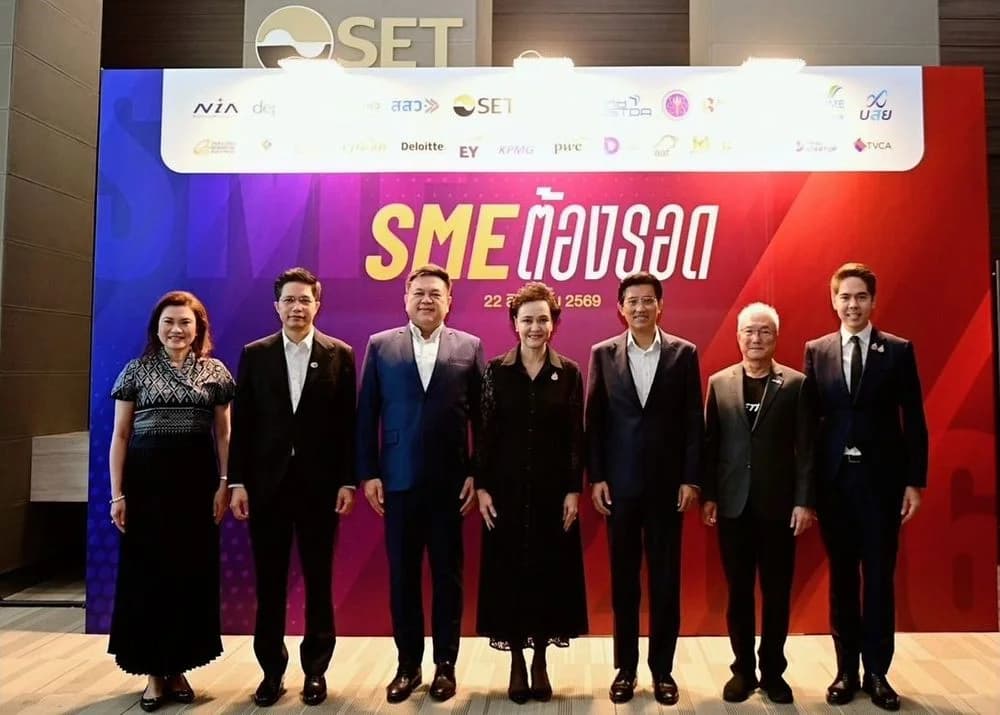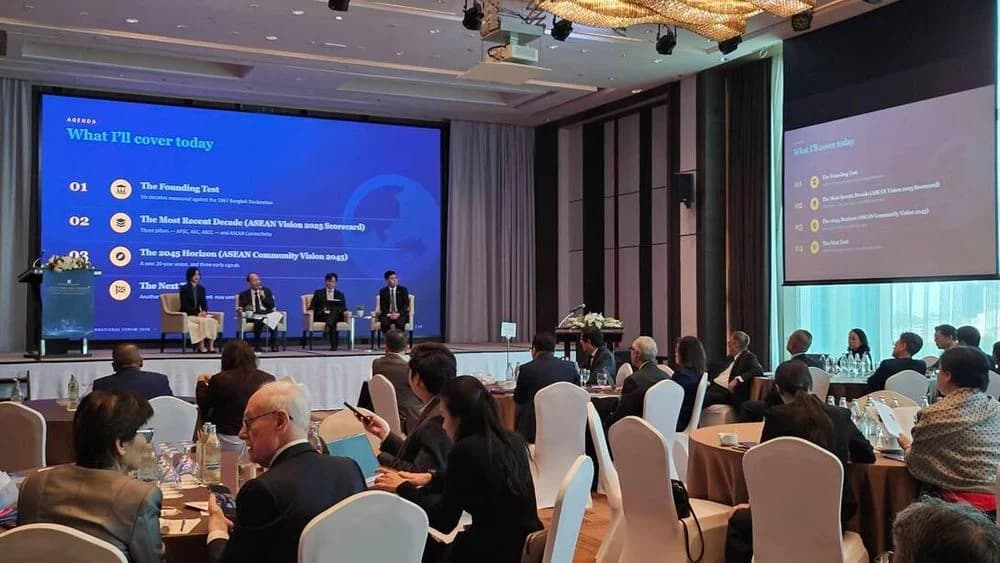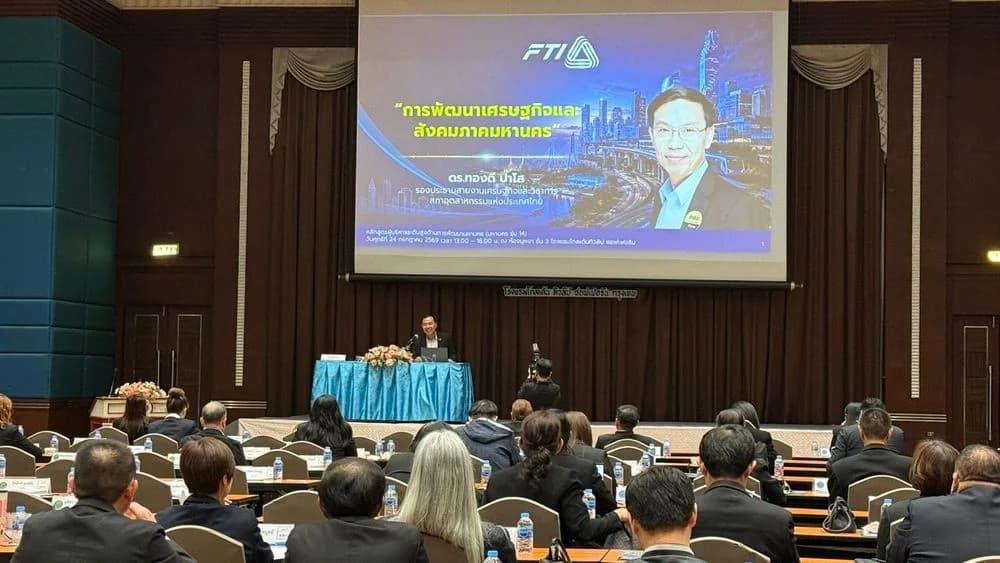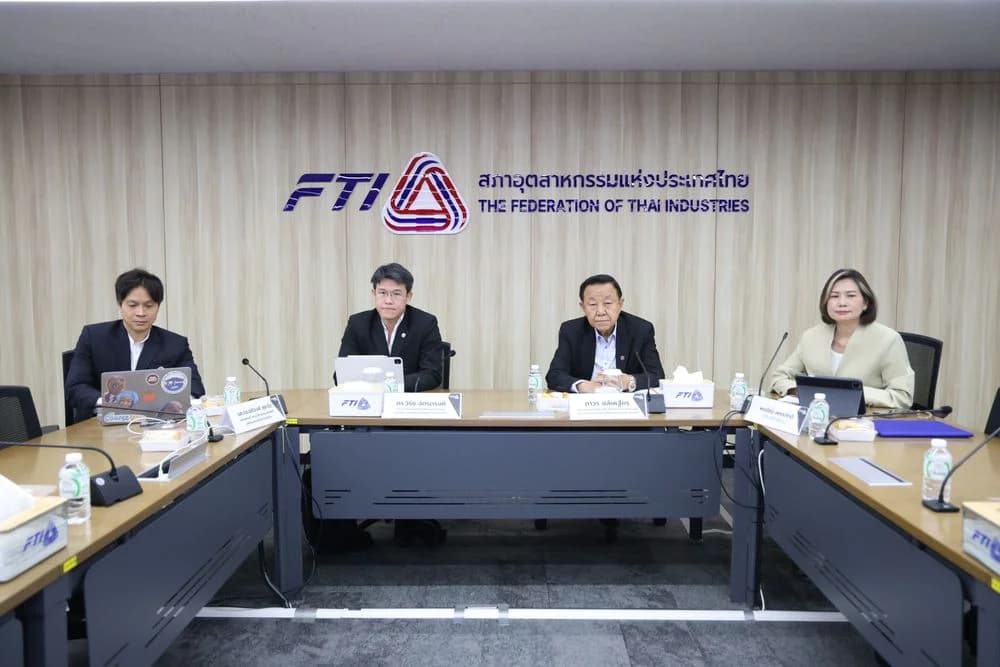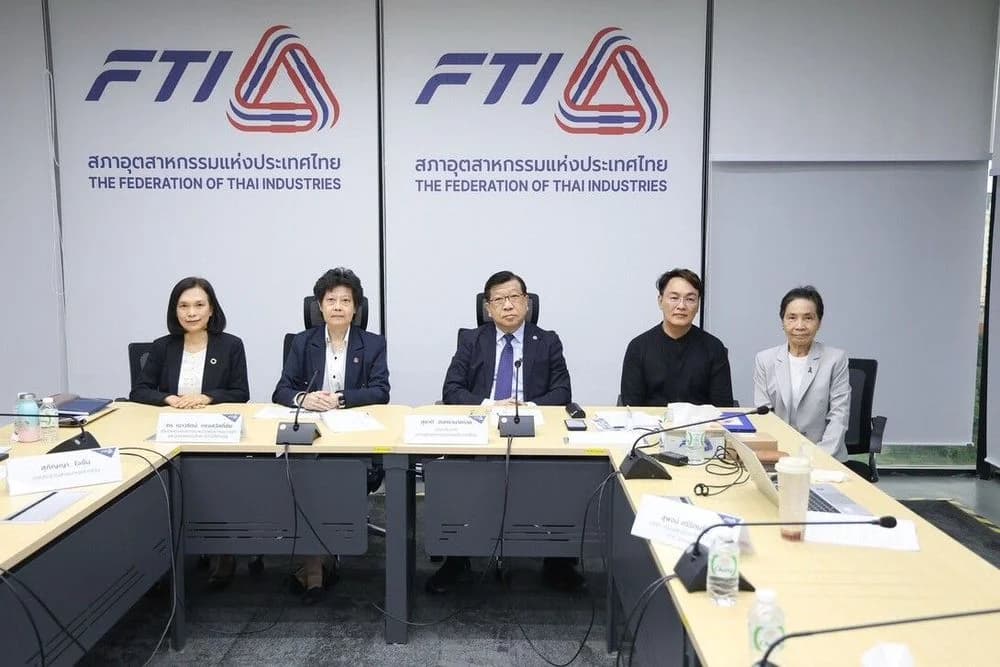

เมื่อวันพฤหัสบดีที่ 27 พฤศจิกายน 2568 นายสุพจน์ ชัยวิไล กรรมการสภาอุตสาหกรรมแห่งประเทศไทย (ส.อ.ท.) ได้รับเกียรติเข้าร่วมเสวนาในหัวข้อ “ทิศทางเศรษฐกิจและระบบสินเชื่อไทยปี 2569” โดยมี ดร.ลัษมณ อรรถาพิช ผู้จัดการใหญ่บริษัท ข้อมูลเครดิตแห่งชาติ จำกัด เป็นประธานเปิดงาน ณ โรงแรมอิสติน แกรนด์ พญาไท
งานดังกล่าวจัดขึ้นโดยบริษัท ข้อมูลเครดิตแห่งชาติ จำกัด ร่วมกับบริษัท โบลลิเกอร์ แอนด์ คอมพานี (ประเทศไทย) จำกัด เพื่อเปิดเวทีรับฟังความคิดเห็นและข้อเสนอแนะจากผู้มีส่วนได้ส่วนเสีย ทั้งภาคการเงิน ภาคอุตสาหกรรม ภาคบริการ และภาคการเกษตร สำหรับนำไปประกอบการกำหนดแนวทางและข้อเสนอแนะต่อการทบทวน พ.ร.บ. ประกอบธุรกิจข้อมูลเครดิต รวมถึงทิศทางการดำเนินงานของ บริษัท ข้อมูลเครดิตแห่งชาติ จำกัด ให้เท่าทันต่อการเปลี่ยนแปลง
ช่วงเสวนา นายสุพจน์ กล่าวว่า
“เศรษฐกิจโลกปีหน้ามีความผันผวนสูง การค้าระหว่างประเทศยังคงส่งผลกระทบต่อไทยที่พึ่งพาการส่งออก ทำให้ผู้ประกอบการไทย โดยเฉพาะรายย่อย ต้องเผชิญความเสี่ยงทางธุรกิจเพิ่มขึ้น”
หนึ่งในประเด็นสำคัญด้านระบบสินเชื่อ คือ สถาบันการเงินต้องวิเคราะห์ความสามารถในการปรับตัว ขณะเดียวกันควรสนับสนุนให้มีผู้เชี่ยวชาญช่วยภาคธุรกิจในการวิเคราะห์ความเสี่ยง เพื่อให้สามารถปรับตัวและวิเคราะห์สินค้าที่ตลาดต้องการ ซึ่งจะช่วยให้กิจการอยู่รอดและแข่งขันได้ดียิ่งขึ้น
สำหรับสินเชื่อยุคใหม่ ควรพัฒนาวิธีวิเคราะห์และประเมินความเสี่ยงที่หลากหลายมากขึ้น โดยเฉพาะการใช้ข้อมูลระยะยาว ในกรณีที่ลูกหนี้มีประวัติหนี้เสีย อาจต้องวิเคราะห์เหตุผลเชิงลึกในการเกิดประวัติเสียนั้นๆ ทั้งนี้ การนำข้อมูลทางเลือกมาปรับใช้ก็อาจเป็นประโยชน์และช่วยเพิ่มการเข้าถึงสินเชื่อได้มากขึ้น
อีกประเด็นสำคัญ คือ ประเทศไทยยังใช้ GDP เป็นตัวชี้วัดหลักของเศรษฐกิจ แต่โครงสร้างข้อมูลยังพึ่งพากลุ่มบริษัทขนาดใหญ่ ส่งผลให้ภาพรวมเศรษฐกิจอาจไม่สะท้อนธุรกิจรายย่อยจำนวนมากที่ยังคงอยู่ในเศรษฐกิจนอกระบบ (Informal sector)
ในการเสวนาช่วงสุดท้าย นายสุพจน์ได้แสดงความเห็นเพิ่มเติมว่า
“ความสำคัญของข้อมูลและการแก้ไขปัญหาเชิงโครงสร้างยังคงเป็นเรื่องสำคัญ รัฐบาลจึงควรเร่งพัฒนาระบบฐานข้อมูลกลาง เพื่อช่วยเสริมสร้างความแข็งแกร่งให้เศรษฐกิจไทยในระยะยาวต่อไป”
On Thursday, November 27, 2025, Mr. Supachai Chaiwilai, a board member of the Federation of Thai Industries (FTI), had the honor of participating in a discussion on the topic "Thai Economic Direction and Credit System in 2026," with Dr. Laksaman Artraphit, Managing Director of the National Credit Bureau, presiding over the event at the Eastin Grand Hotel Phayathai.
The event was organized by the National Credit Bureau in collaboration with Bolliger & Company (Thailand) Ltd., to provide a platform for stakeholders from the finance, industry, service, and agriculture sectors to share their opinions and suggestions for inclusion in the guidelines and recommendations for the review of the Credit Bureau Business Act, as well as the operational direction of the National Credit Bureau to keep pace with changes.
During the discussion, Mr. Supachai stated,
"The global economy is highly volatile next year, and international trade continues to impact Thailand, which relies on exports, resulting in increased business risks for Thai entrepreneurs, especially small ones."
One of the important issues regarding the credit system is that financial institutions must analyze their ability to adapt, while also supporting the involvement of experts to assist businesses in risk analysis, enabling them to adapt and analyze products needed in the market, which will help enterprises survive and compete more effectively.
Regarding new-age credit, it is essential to develop various methods for risk analysis and assessment, particularly through the use of long-term data. In cases where borrowers have a history of default, in-depth analyses of the reasons for such defaults may be necessary. Utilizing alternative data could also be beneficial and enhance access to credit.
Another important point is that Thailand continues to use GDP as the primary indicator of the economy, but the data structure still relies on large corporations, resulting in a portrayal of the economy that may not reflect the numerous small enterprises still existing in the informal sector.
In the final part of the discussion, Mr. Supachai further expressed his views,
"The importance of data and addressing structural issues remains crucial. Therefore, the government should expedite the development of a central database system to help strengthen the Thai economy in the long term."