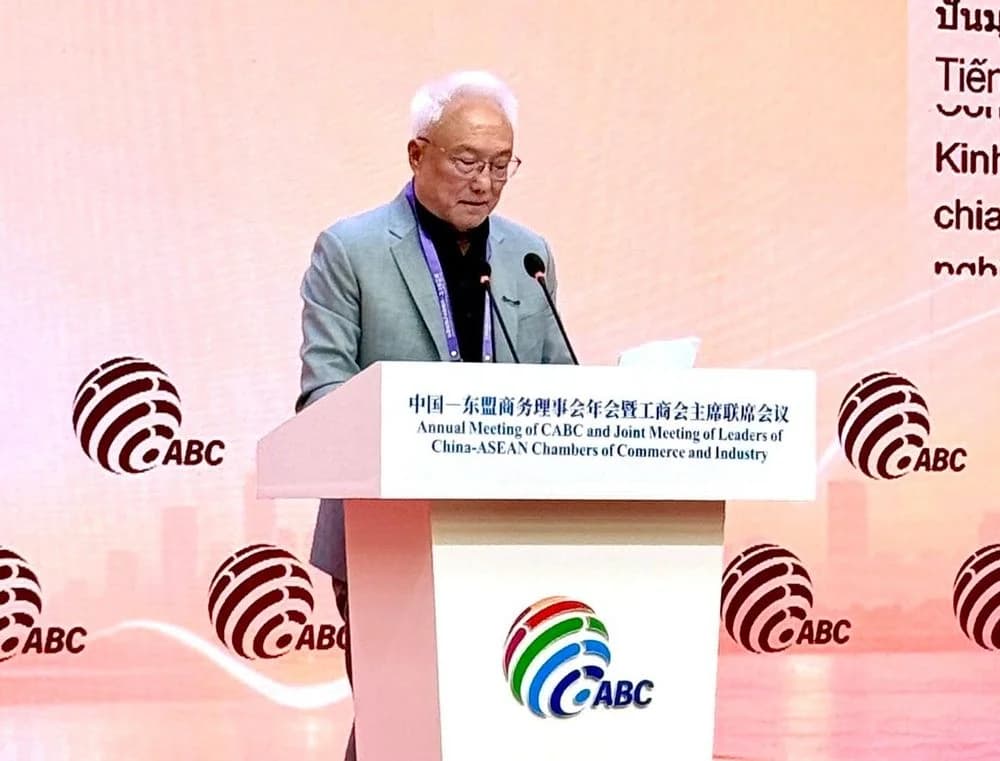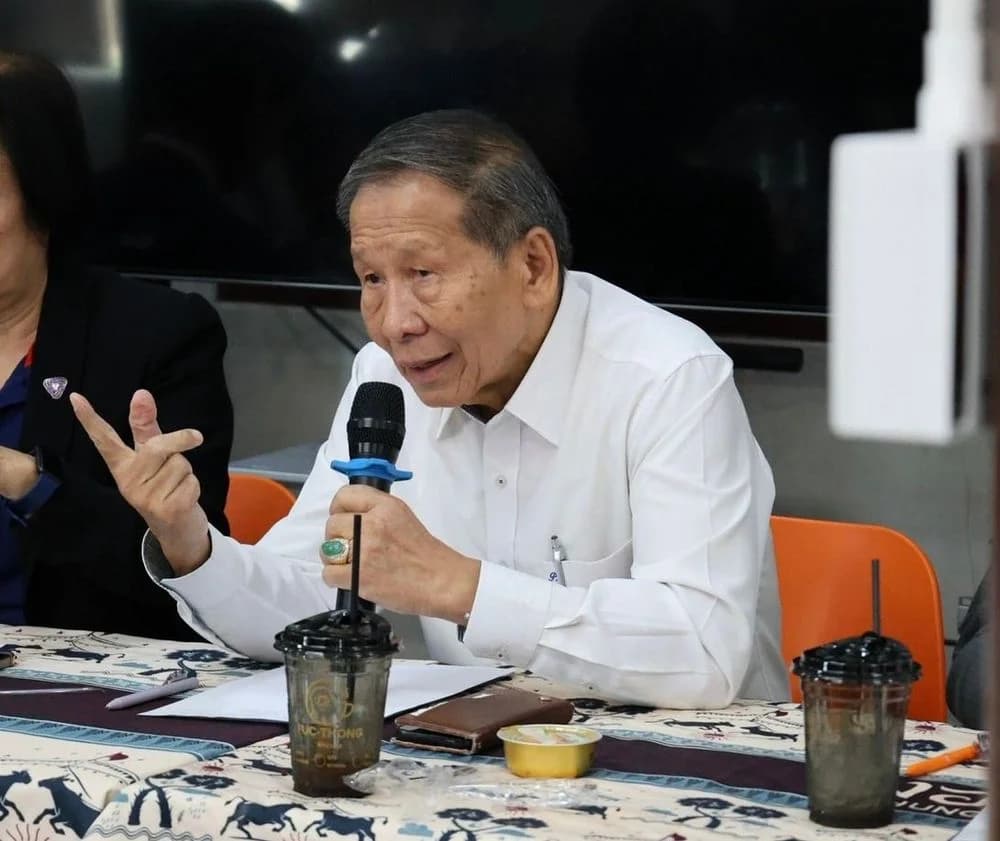

เมื่อวันที่ 22 ธันวาคม 2568 ดร.วิบูลย์ รักสาสน์เจริญผล กรรมการบริหารสภาอุตสาหกรรมแห่งประเทศไทย (ส.อ.ท.) เป็นผู้แทนเข้าร่วมงาน “การสัมมนาความร่วมมือไทย–จีน ด้านการพัฒนาที่ยั่งยืน ในวาระครบรอบ 50 ปี ความสัมพันธ์ทางการทูต” (China–Thailand Green Development Symposium: Marking the 50th Anniversary of the Establishment of China–Thailand Diplomatic Relations) โดยภายในงานได้รับเกียรติจาก นายจาง เจี้ยนเว่ย เอกอัครราชทูตจีนประจำประเทศไทย และนายชัชชาติ สิทธิพันธุ์ ผู้ว่าราชการกรุงเทพมหานคร กล่าวเปิดงาน ณ ศูนย์การประชุมแห่งชาติสิริกิติ์
งานดังกล่าวจัดขึ้นภายใต้หัวข้อ “Green High-Quality Development Through Sci-Tech Innovation” ซึ่งเป็นความร่วมมือระหว่างสถานเอกอัครราชทูตจีนประจำประเทศไทย, Chinese Research Academy of Environmental Sciences (CRAES) และสมาคมวิทยาศาสตร์และเทคโนโลยีไทย–จีน (TSAST) โดยมีวัตถุประสงค์เพื่อรับมือกับความท้าทายด้านสิ่งแวดล้อมโลกที่ทวีความรุนแรงขึ้น อาทิ การเปลี่ยนแปลงสภาพภูมิอากาศ การสูญเสียความหลากหลายทางชีวภาพ และมลพิษข้ามพรมแดน สอดคล้องกับแนวทางที่ประเทศไทยมุ่งเน้นการพัฒนาเศรษฐกิจชีวภาพ–เศรษฐกิจหมุนเวียน–เศรษฐกิจสีเขียว (BCG Economy) เพื่อบรรลุเป้าหมายความเป็นกลางทางคาร์บอนภายในปี 2593
ดร.วิบูลย์ ได้นำเสนอแนวคิดการสร้าง “จุดเปลี่ยนเชิงกลยุทธ์ (The Strategic Pivot)” ของภาคอุตสาหกรรมไทย จากเดิมที่การดำเนินกิจกรรม CSR หรือการรักษ์สิ่งแวดล้อมเป็นเรื่องของความสมัครใจ (Voluntary) ไปสู่การเป็น “ทางรอดทางเศรษฐกิจที่ต้องปฏิบัติตามกฎหมาย” (Mandatory Economic Survival) ตั้งแต่ปี 2569 เป็นต้นไป โดยเน้นย้ำว่าภาคอุตสาหกรรมต้องเลิกใช้แนวทางการซื้อคาร์บอนเครดิตเพื่อปกปิดปัญหา (Greenwashing) และหันมาลงทุนในเครื่องจักรและเทคโนโลยีเพื่อแก้ไขปัญหาที่ต้นเหตุอย่างจริงจัง
นอกจากนี้ ยังสนับสนุนให้เกิดการใช้ Direct PPA (Power Purchase Agreement) เป็นระบบสัญญาซื้อขายให้โรงงานสามารถจัดซื้อพลังงานสะอาดได้โดยตรงจากผู้ผลิตเอกชน ผ่านระบบ TPA (Third Party Access) เป็นโครงข่ายสายส่งของรัฐ เพื่อให้ได้พลังงานสีเขียวที่สามารถตรวจสอบได้ 100% รวมถึงการนำ Smart Manufacturing และระบบบริหารจัดการพลังงานด้วย AI (Energy Management System: EMS) มาใช้ เพื่อลดความสูญเสียในกระบวนการผลิตลงประมาณ 10–15% ภายในปีแรก
ส.อ.ท. ให้ความสำคัญกับการสร้างความยั่งยืนให้แก่ภาคอุตสาหกรรม ภายใต้ยุทธศาสตร์ของ ส.อ.ท. ตามแนวคิด 4GO ได้แก่ Go Digital & AI, Go Innovation, Go Global และ Go Green โดยเฉพาะแนวทาง “Go Green” ซึ่งจะเป็นกลไกสำคัญในการเสริมขีดความสามารถในการแข่งขันของอุตสาหกรรมไทยควบคู่กับการดูแลสิ่งแวดล้อม สร้างการเติบโตภายใต้เป้าหมายการพัฒนาที่ยั่งยืน (SDGs) และมุ่งสู่เป้าหมาย Net Zero และ Carbon Neutrality ภายในปี 2593
On December 22, 2025, Dr. Wiboon Raksasancharoenpol, Executive Director of the Federation of Thai Industries (FTI), represented the organization at the "China–Thailand Cooperation Seminar on Sustainable Development" (China–Thailand Green Development Symposium: Marking the 50th Anniversary of the Establishment of China–Thailand Diplomatic Relations). The event was graced by Mr. Zhang Jianwei, the Ambassador of China to Thailand, and Mr. Chadchart Sittipunt, the Governor of Bangkok, who delivered the opening remarks at the Queen Sirikit National Convention Center.
This event was organized under the theme "Green High-Quality Development Through Sci-Tech Innovation" as a collaboration between the Chinese Embassy in Thailand, the Chinese Research Academy of Environmental Sciences (CRAES), and the Thai–Chinese Science and Technology Association (TSAST). Its purpose is to address increasingly severe global environmental challenges, such as climate change, biodiversity loss, and cross-border pollution, aligning with Thailand's focus on developing a Bio-Circular-Green Economy (BCG Economy) to achieve carbon neutrality by 2050.
Dr. Wiboon presented the concept of creating a "Strategic Pivot" for the Thai industrial sector, shifting from voluntary CSR activities or environmental care to becoming a "Mandatory Economic Survival" starting in 2026. He emphasized that the industrial sector must abandon the practice of purchasing carbon credits to cover up problems (greenwashing) and instead invest in machinery and technology to address root causes seriously.
Moreover, he encouraged the use of Direct Power Purchase Agreements (PPAs) as a contractual framework allowing factories to purchase clean energy directly from private producers through a Third Party Access (TPA) network operated by the state, ensuring 100% verifiable green energy. This includes the adoption of Smart Manufacturing and an AI-based Energy Management System (EMS) to reduce production losses by approximately 10–15% within the first year.
FTI emphasizes the importance of building sustainability within the industrial sector under its strategy based on the 4GO concepts: Go Digital & AI, Go Innovation, Go Global, and Go Green. Especially, the “Go Green” approach will be a crucial mechanism to strengthen the competitiveness of Thai industries while caring for the environment, fostering growth towards sustainable development goals (SDGs), and aiming for Net Zero and Carbon Neutrality by 2050.