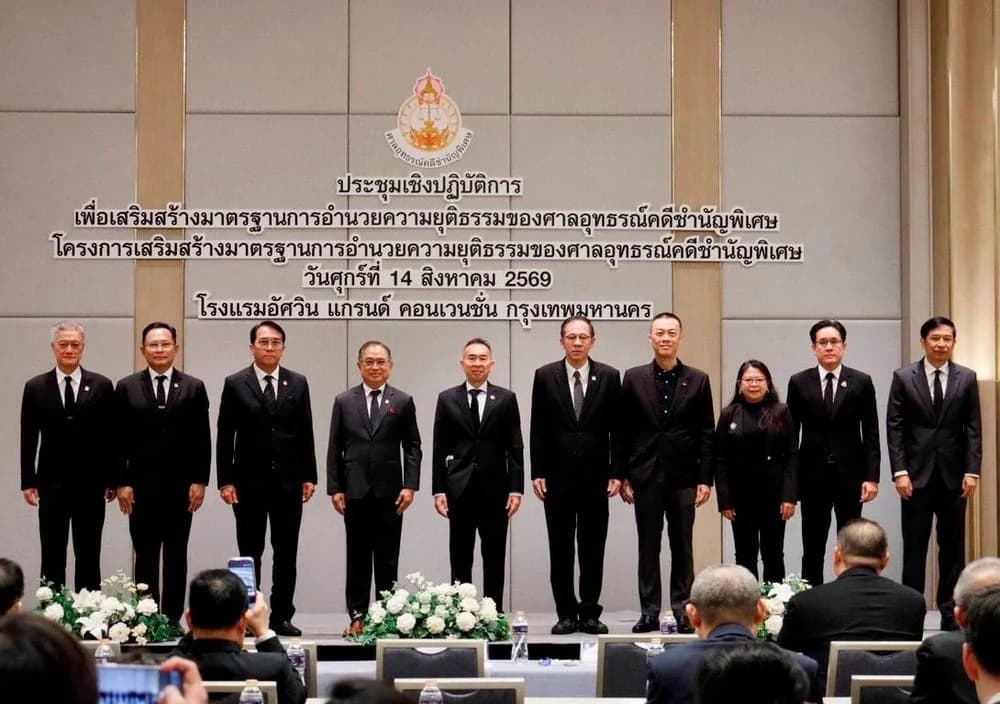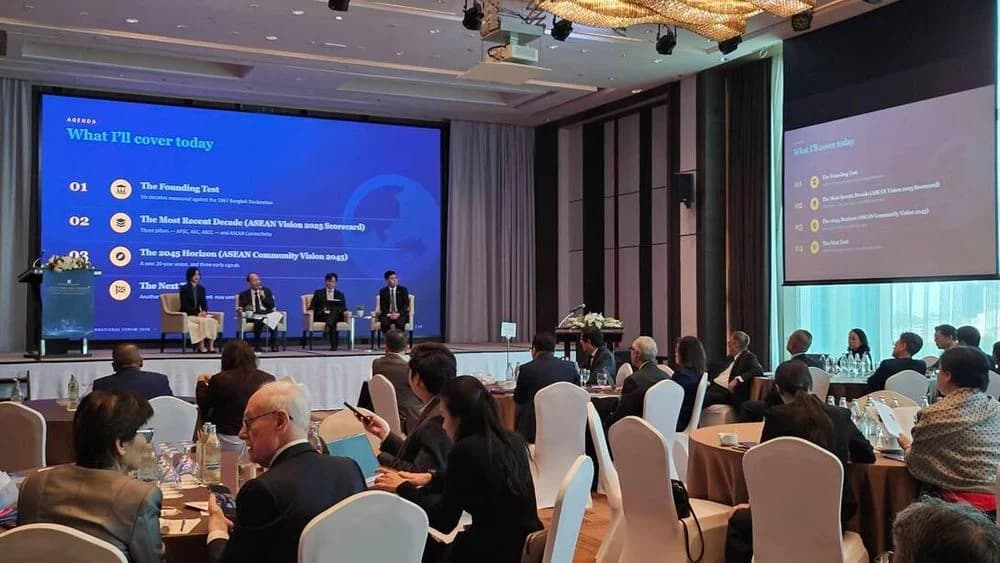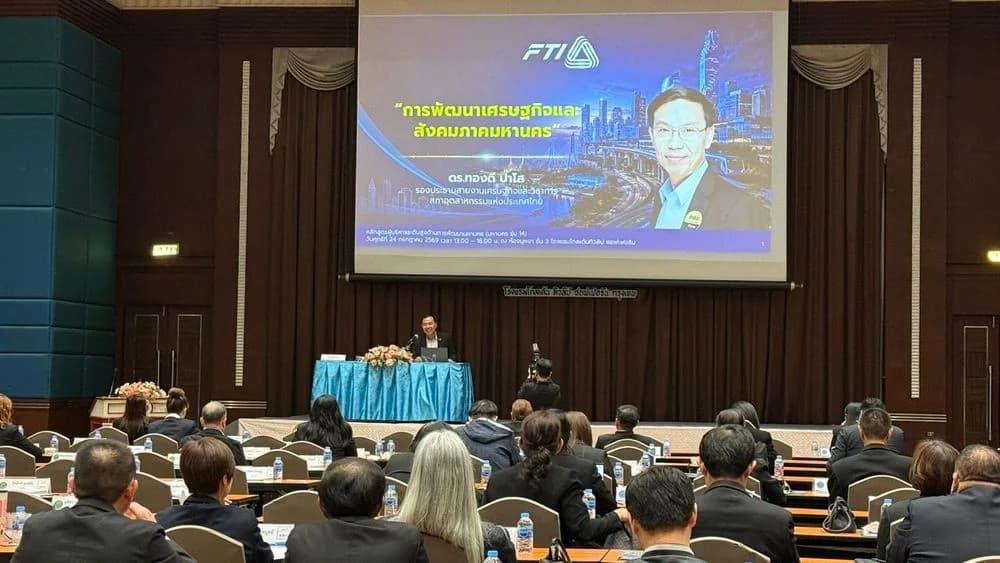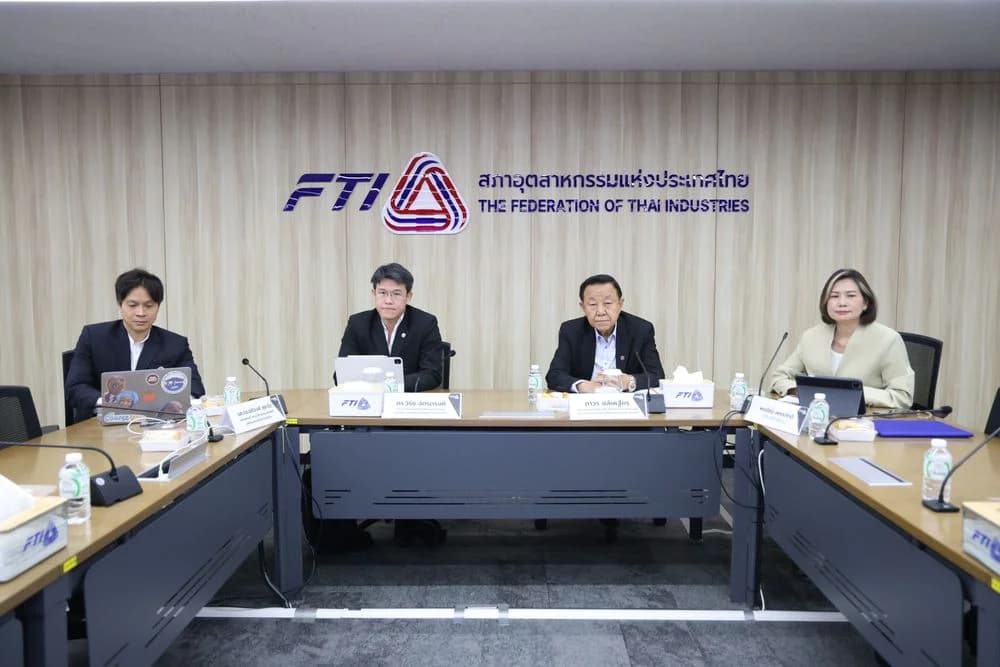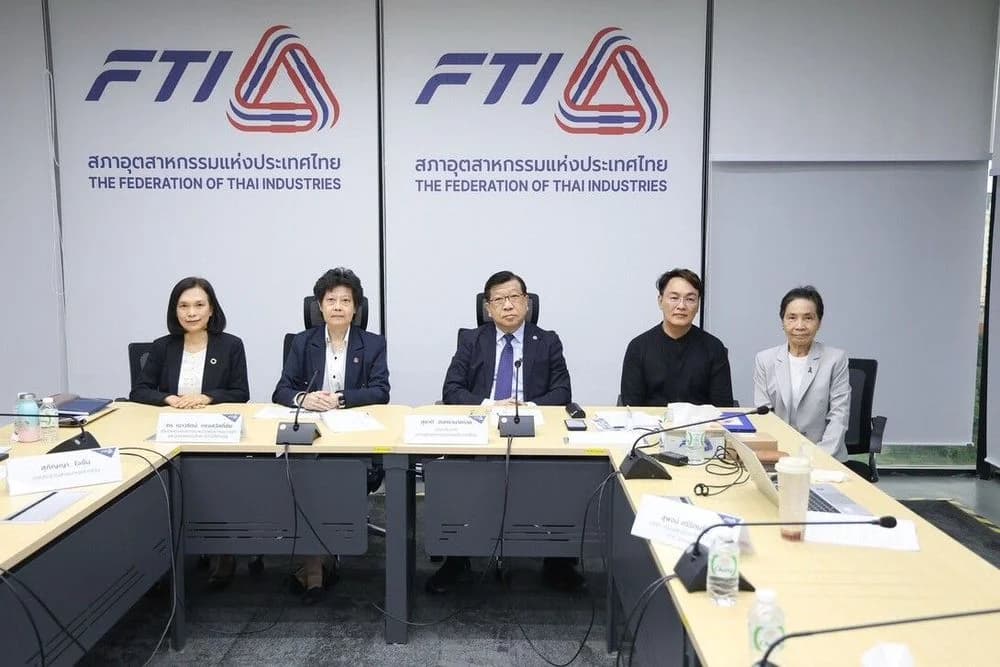

เมื่อวันจันทร์ที่ 2 กุมภาพันธ์ 2569 ดร.ปิยะวัฒน์ ปิยไพชยนต์ รองเลขาธิการสภาอุตสาหกรรมแห่งประเทศไทย (ส.อ.ท.) ได้รับเกียรติเป็นวิทยากรบรรยายให้ความรู้ในหลักสูตรการพัฒนานักกฎหมายภาครัฐระดับชำนาญการขึ้นไป รุ่นที่ 38 ในหัวข้อ “ความร่วมมือทางเศรษฐกิจของรัฐกับเอกชน” ซึ่งจัดโดยสำนักงานคณะกรรมการกฤษฎีกา โดยมีนิติกรจากส่วนราชการต่าง ๆ เข้ารับฟังรวมกว่า 80 ท่าน ณ ห้องประชุมราชดำเนิน ชั้น 1 โรงแรมรอยัลปริ๊นเซส หลานหลวง
การบรรยายครั้งนี้ ดร.ปิยะวัฒน์ ได้ชี้ให้เห็นว่า เศรษฐกิจโลกกำลังเผชิญความผันผวนในระดับสูงจากปัจจัยด้านภูมิรัฐศาสตร์ เทคโนโลยี และการเปลี่ยนแปลงสภาพภูมิอากาศ โดยเฉพาะนโยบายกีดกันทางการค้าของสหรัฐอเมริกาในบริบท “Trump 2.0” ซึ่งนำไปสู่สงครามการค้าและสงครามเทคโนโลยี ทำให้หลายประเทศลดการพึ่งพาซึ่งกันและกัน และย้ายฐานการผลิต ส่งผลให้โลกเข้าสู่ภาวะ Deglobalization และทำให้ห่วงโซ่อุปทานมีความเปราะบางมากยิ่งขึ้น
ขณะเดียวกัน การพัฒนาอย่างก้าวกระโดดของเทคโนโลยี AI และ Generative AI ได้เปลี่ยนแปลงโครงสร้างเศรษฐกิจและอุตสาหกรรมอย่างรวดเร็ว ประเทศมหาอำนาจต่างเร่งลงทุนด้านเทคโนโลยี ส่งผลให้การแข่งขันทวีความรุนแรงและเกิดความเหลื่อมล้ำทางเทคโนโลยี ภาคธุรกิจจึงจำเป็นต้องเร่งปรับตัว โดยเฉพาะในอุตสาหกรรมการผลิต อุตสาหกรรมยานยนต์ และอุตสาหกรรมพลังงาน
นอกจากนี้ ประเด็นการเปลี่ยนแปลงสภาพภูมิอากาศได้กลายเป็นวาระสำคัญของเศรษฐกิจโลก โดยประเทศไทยได้ประกาศเป้าหมายการลดการปล่อยก๊าซเรือนกระจกตาม NDC 3.0 และมุ่งสู่การปล่อยก๊าซเรือนกระจกสุทธิเป็นศูนย์ (Net Zero) ภายในปี 2050 ซึ่งภาคอุตสาหกรรมมีบทบาทสำคัญในการขับเคลื่อนเป้าหมายดังกล่าว อย่างไรก็ตาม ยังคงเผชิญข้อจำกัดด้านเงินทุน เทคโนโลยี และบุคลากร โดยเฉพาะผู้ประกอบการ SME
สำหรับเศรษฐกิจไทย แม้ว่าการส่งออกและการลงทุนจากต่างประเทศจะยังเป็นแรงขับเคลื่อนสำคัญ แต่เศรษฐกิจโดยรวมยังมีแนวโน้มเติบโตชะลอตัวจากปัญหาเชิงโครงสร้าง อาทิ สังคมผู้สูงอายุ ระดับหนี้ครัวเรือนที่อยู่ในระดับสูง และขีดความสามารถในการแข่งขันที่ลดลง ดังนั้น ความร่วมมือระหว่างภาครัฐและภาคเอกชนจึงมีความจำเป็นอย่างยิ่ง เพื่อร่วมกันปรับนโยบาย กฎหมาย และมาตรการสนับสนุนให้สอดคล้องกับบริบทเศรษฐกิจโลก และเสริมสร้างความแข็งแกร่งให้เศรษฐกิจไทยอย่างยั่งยืนในระยะยาว
On Monday, February 2, 2026, Dr. Piyawat Piyapaisal, Deputy Secretary-General of the Federation of Thai Industries (FTI), was honored to be a speaker sharing knowledge in the 38th Government Legal Professionals Development Course on the topic of “Economic Cooperation between the State and the Private Sector,” organized by the Office of the Council of State, with over 80 legal professionals from various government agencies in attendance at the Rajadamnern Conference Room, 1st Floor, Royal Princess Laan Luang Hotel.
During this lecture, Dr. Piyawat emphasized that the global economy is currently facing high volatility due to geopolitical factors, technology, and climate change. In particular, the trade barriers policies of the United States in the context of “Trump 2.0” have led to a trade war and a technology war, prompting many countries to reduce their interdependence and relocate production bases, resulting in a state of deglobalization and increasing vulnerability of supply chains.
At the same time, the rapid advancement of AI and Generative AI technology has swiftly altered the economic and industrial structures. Major powers are intensifying investments in technology, leading to heightened competition and technological disparities. Consequently, businesses must accelerate their adaptation, especially in the manufacturing, automotive, and energy sectors.
Moreover, the issue of climate change has become a significant agenda in the global economy. Thailand has announced its goal of reducing greenhouse gas emissions according to NDC 3.0 and aims for net zero greenhouse gas emissions by 2050, with the industrial sector playing a critical role in driving these goals. However, challenges remain in terms of funding, technology, and personnel, particularly for SME operators.
For the Thai economy, although exports and foreign investments remain important driving forces, the overall economy is showing signs of slowing growth due to structural problems such as an aging society, high household debt levels, and declining competitiveness. Therefore, collaboration between the public and private sectors is essential to jointly adjust policies, laws, and support measures in line with the context of the global economy and to strengthen the Thai economy sustainably in the long term.