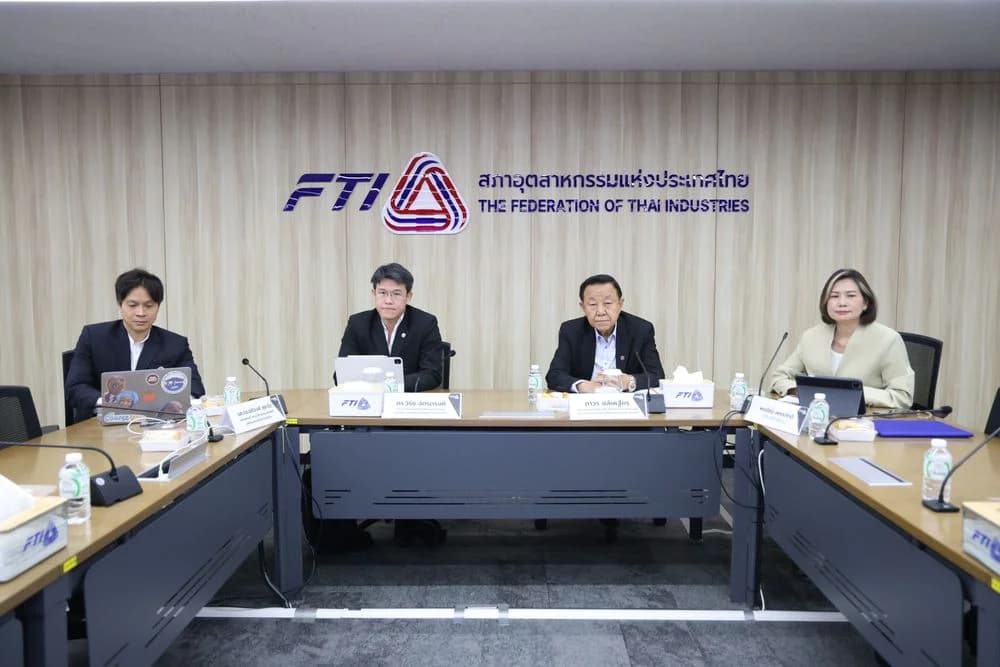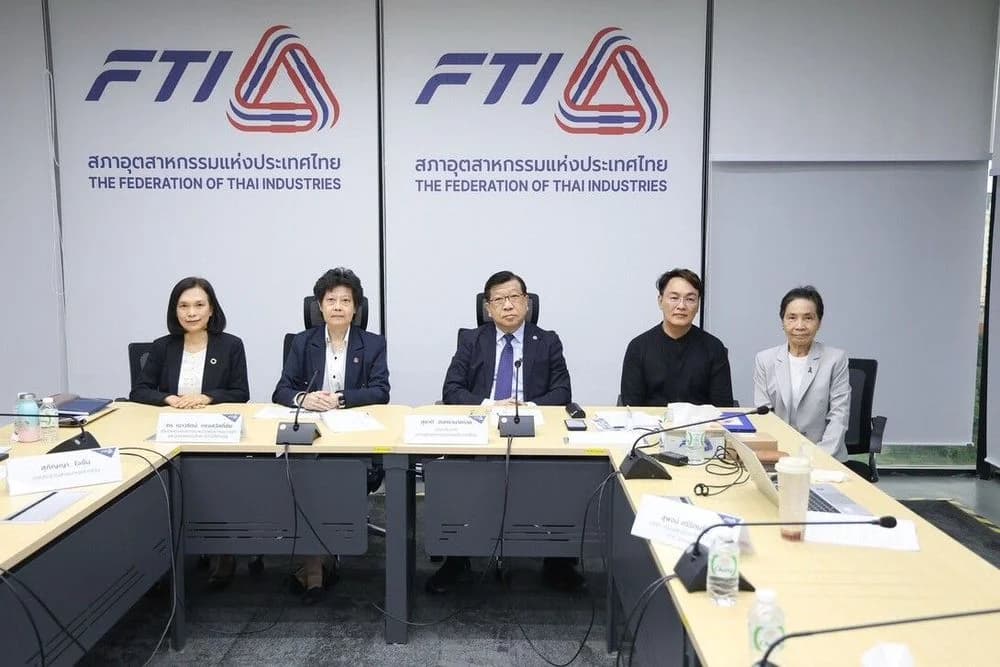

เมื่อวันพฤหัสบดีที่ 12 กุมภาพันธ์ 2569 นายอดุล ขาวละออ รองประธานสภาอุตสาหกรรมแห่งประเทศไทย (ส.อ.ท.) ได้รับเกียรติเป็นวิทยากรอภิปรายในโครงการนักบริหารยุทธศาสตร์การป้องกันและปราบปรามการทุจริตระดับสูง (นยปส.) รุ่นที่ 17 ในหัวข้อ “ภาพรวมการป้องกันและปราบปรามการทุจริตของประเทศไทย” โดยมีผู้ร่วมอภิปราย ได้แก่ นายสุรงค์ บูลกุล รองประธานกรรมการหอการค้าไทย และนายอนันท์ บำรุงสิน ผู้บริหารฝ่าย Anti Money Laundering Regulation ธนาคารกรุงไทย จำกัด (มหาชน) ทั้งนี้ มีผู้บริหารระดับสูงจากหน่วยงานภาครัฐ ภาคธุรกิจ และภาคเอกชน เข้ารับการอบรมรวมกว่า 90 คน ณ ห้องนนทบุรี 1 ชั้น 3 อาคาร 4 สำนักงาน ป.ป.ช. จังหวัดนนทบุรี
การอภิปรายได้สะท้อนสถานการณ์คอร์รัปชันของประเทศไทยที่ยังอยู่ในระดับน่ากังวล โดยดัชนีการรับรู้การทุจริต (Corruption Perceptions Index: CPI) ปี 2025 ของประเทศไทยอยู่ในอันดับที่ 116 จาก 182 ประเทศ สะท้อนถึงความเชื่อมั่นด้านความโปร่งใสที่ถดถอย โดยมีปัจจัยสำคัญมาจากปัญหาเชิงโครงสร้าง อาทิ ระบบอุปถัมภ์ การใช้ดุลพินิจในระดับสูง กลไกการตรวจสอบที่อ่อนแอ และกฎหมายที่ซ้ำซ้อนและล้าสมัย ส่งผลให้เกิดความเสียหายทางเศรษฐกิจปีละประมาณ 2–3 แสนล้านบาท ขณะที่รูปแบบการทุจริตที่พบบ่อย ได้แก่ การทุจริตด้านการจัดซื้อจัดจ้าง การซื้อขายตำแหน่ง การรับสินบน การทุจริตเชิงนโยบาย และการใช้ช่องโหว่ทางกฎหมายเพื่อแสวงหาประโยชน์ส่วนตน
ในส่วนของภาคเอกชน ส.อ.ท. ยืนยันการยึดหลักธรรมาภิบาล 6 ประการ ได้แก่ Accountability, Transparency, Responsibility, Ethics, Equitable Treatment และ Vision to Create Long-Term Value พร้อมทั้งขับเคลื่อนความร่วมมือผ่านเครือข่าย “Zero Corruption: กกร. และเพื่อนไม่ทน” รวมถึงผลักดันการปฏิรูปกฎหมายผ่านกระบวนการ Regulatory Guillotine เพื่อลดกฎระเบียบที่ไม่จำเป็นกว่า 1,000 กระบวนงาน ซึ่งจะช่วยลดต้นทุนของประเทศได้อย่างมีนัยสำคัญ ทั้งนี้ การแก้ไขปัญหาคอร์รัปชันจำเป็นต้องดำเนินการควบคู่กันทั้งการยกระดับธรรมาภิบาล การปฏิรูปกฎหมาย การนำเทคโนโลยีมาใช้เพื่อเพิ่มความโปร่งใส และการสร้างวัฒนธรรมไม่ทนต่อการทุจริต เพื่อเสริมสร้างความเชื่อมั่นและขีดความสามารถในการแข่งขันของประเทศอย่างยั่งยืน
On Thursday, February 12, 2026, Mr. Adul Khaolao, Vice Chairman of the Federation of Thai Industries (FTI), was honored to be a guest speaker at the 17th Senior Anti-Corruption Executive Program (Niyapas) discussion on the topic “An Overview of Thailand's Anti-Corruption Framework.” The panel included Mr. Surong Bulakul, Vice Chairman of the Thai Chamber of Commerce, and Mr. Anan Bumrungsin, Executive in the Anti Money Laundering Regulation Division of Krung Thai Bank Public Company Limited. More than 90 senior executives from government agencies, the business sector, and the private sector participated in the training held at Nonthaburi 1 Room, 3rd Floor, Building 4, Office of the National Anti-Corruption Commission, Nonthaburi Province.
The discussion reflected the concerning state of corruption in Thailand, with the Corruption Perceptions Index (CPI) for 2025 placing the country at 116 out of 182 countries, indicating declining confidence in transparency. Key factors contributing to this situation include structural issues such as patronage systems, discretionary power at high levels, weak oversight mechanisms, and outdated and redundant laws, resulting in annual economic losses estimated at 200–300 billion Baht. Common forms of corruption identified include procurement fraud, position-buying, bribery, policy-related corruption, and exploiting legal loopholes for personal gain.
Regarding the private sector, FTI reaffirmed its commitment to the six principles of good governance: Accountability, Transparency, Responsibility, Ethics, Equitable Treatment, and Vision to Create Long-Term Value. FTI is also promoting collaboration through the “Zero Corruption: The Private Sector Doesn’t Stand for It” network and pushing for legal reform via the Regulatory Guillotine process to eliminate over 1,000 unnecessary regulations, which will significantly reduce the country's costs. Addressing corruption requires a dual approach of enhancing good governance, reforming laws, utilizing technology to increase transparency, and fostering a culture intolerant of corruption to strengthen confidence and sustainable competitiveness in the country.