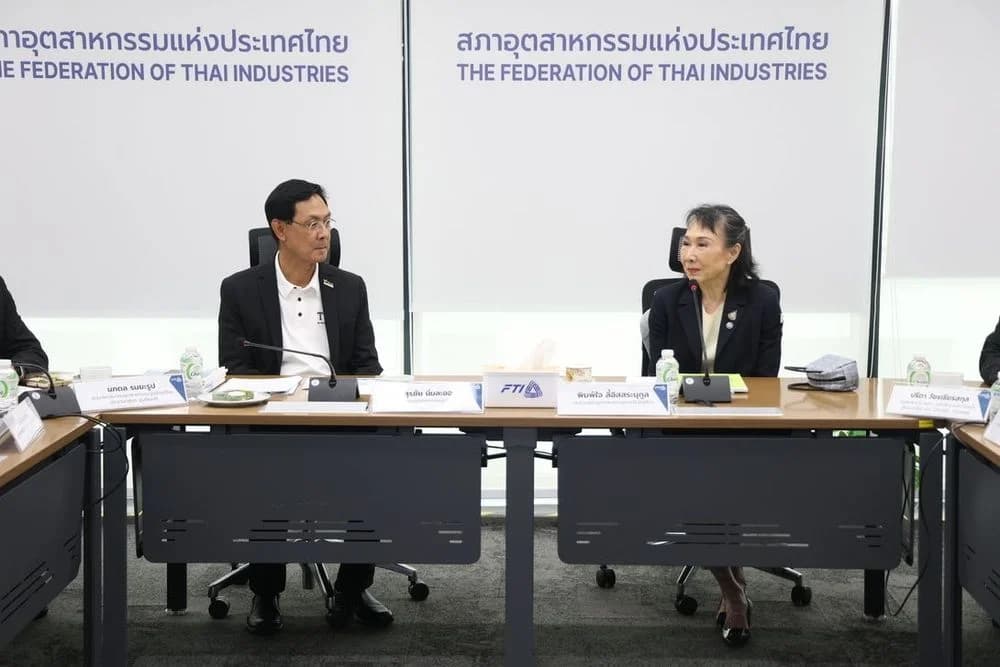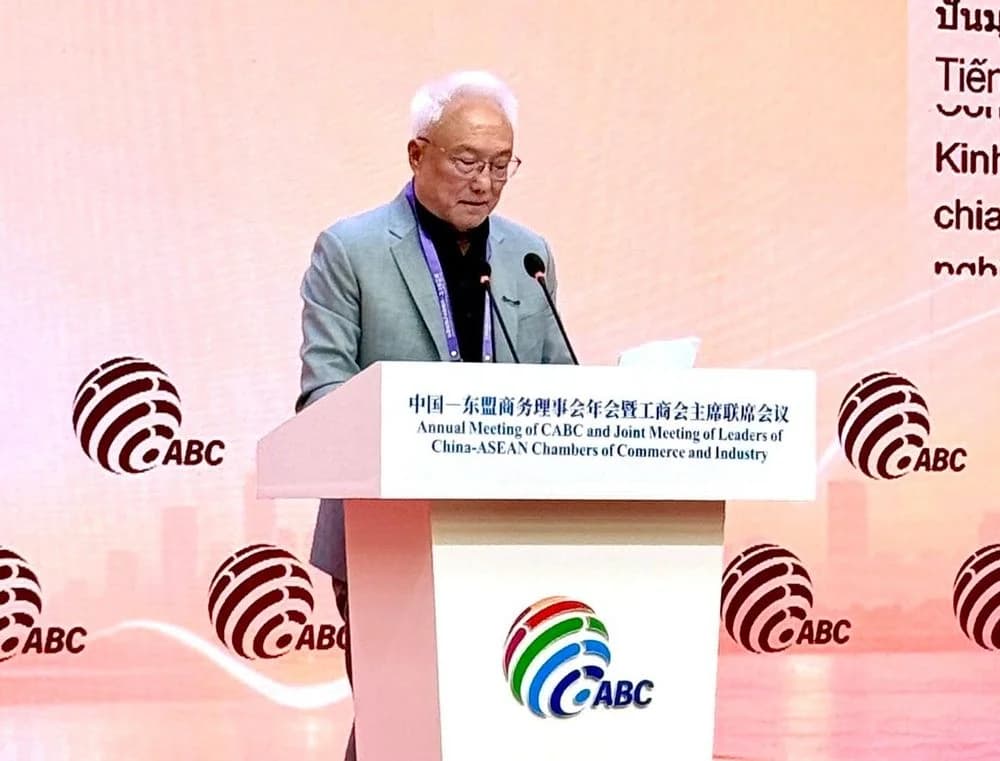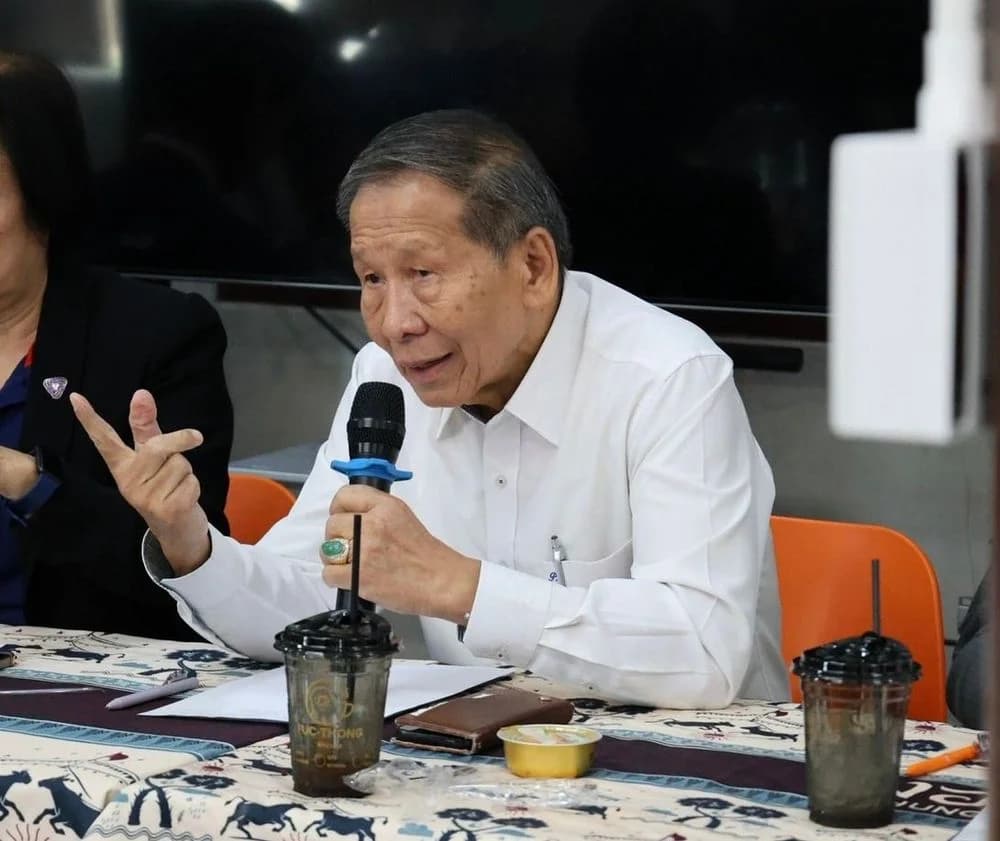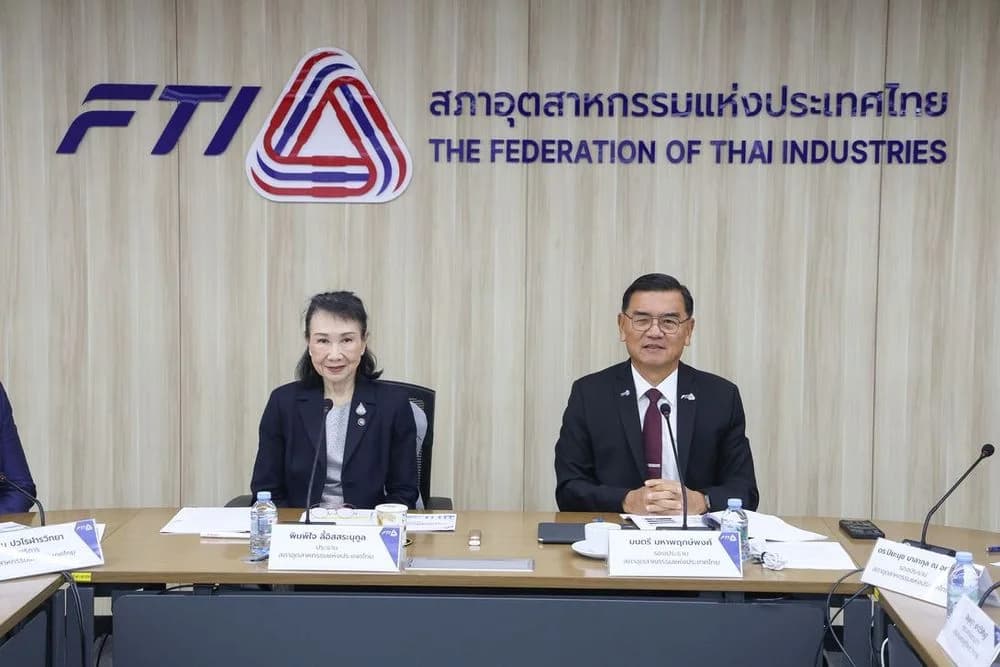

วันพุธที่ 1 เมษายน 2569 นายเกรียงไกร เธียรนุกุล ประธานสภาอุตสาหกรรมแห่งประเทศไทย (ส.อ.ท.) เป็นประธานการแถลงข่าว คณะกรรมการร่วมภาคเอกชน 3 สถาบัน (กกร.) โดยมีนายธวัชชัย เศรษฐจินดา กรรมการเลขาธิการสภาหอการค้าแห่งประเทศไทย และนายผยง ศรีวณิช ประธานสมาคมธนาคารไทย ร่วมในการแถลงข่าว ณ ศูนย์การประชุมแห่งชาติสิริกิติ์
เศรษฐกิจไทยได้รับผลกระทบจากราคาพลังงานที่ดีดตัวสูงขึ้น โดยอัตราเงินเฟ้อเฉลี่ยในปี 2569 จะเร่งตัวขึ้นมาอยู่ในช่วง 2.0% – 3.0% จากเดิมที่คาดว่าจะอยู่ในกรอบ 0.2% - 0.7% จากราคาน้ำมันขายปลีกที่ปรับตัวสูงขึ้นตามกลไกตลาด ขณะที่ต้องเฝ้าระวังผลกระทบต่อแรงขับเคลื่อนเศรษฐกิจจากค่าครองชีพที่สูงขึ้น
ความขัดแย้งในตะวันออกกลางที่ยืดเยื้อเป็นความเสี่ยงที่จะทำให้เศรษฐกิจโลกเข้าสู่ภาวะชะลอตัว การจ้างงานลดลง แต่เงินเฟ้อสูง (stagflation) สะท้อนจากผลตอบแทนพันธบัตรรัฐบาลปรับตัวสูงขึ้น ค่าเงินดอลลาร์สหรัฐฯ แข็งค่า ราคาทองคำและสินทรัพย์เสี่ยงปรับตัวลง โดยความเสี่ยงสำคัญคือการขาดแคลนสินค้าโภคภัณฑ์ อาทิ น้ำมัน ก๊าซธรรมชาติ และวัตถุดิบ ซึ่งจะทำให้การผลิตโลกเกิดภาวะชะงักงัน ส่งผ่านไปตลอดห่วงโซ่อุปทานและไปถึงผู้บริโภค
เศรษฐกิจไทยได้รับผลกระทบจากราคาพลังงานที่ดีดตัวสูงขึ้น โดยอัตราเงินเฟ้อเฉลี่ยในปี 2569 จะเร่งตัวขึ้นมาอยู่ในช่วง 2.0% – 3.0% จากเดิมที่คาดว่าจะอยู่ในกรอบ 0.2% - 0.7% จากราคาน้ำมันขายปลีกที่ปรับตัวสูงขึ้นตามกลไกตลาด ขณะที่ต้องเฝ้าระวังผลกระทบต่อแรงขับเคลื่อนเศรษฐกิจจากค่าครองชีพที่สูงขึ้น ทั้งการบริโภคและความเชื่อมั่นภาคเอกชน การปรับเปลี่ยนการใช้จ่ายของภาครัฐที่อาจจะต้องมีการก่อหนี้เพิ่มเพื่อประคองเศรษฐกิจ ภาคการผลิตที่ต้องบริหารจัดการต้นทุนเพื่อรักษาความสามารถในการแข่งขัน และการส่งออกที่จะได้รับผลกระทบจาก logistics disruption ตลอดจนจำนวนนักท่องเที่ยวต่างชาติที่คาดว่าจะได้รับผลกระทบจากข้อจำกัดการเดินทางราว 1 ล้านคนในช่วงสามเดือนข้างหน้า โดย คาดว่าการเติบโตของ GDP ไทย ปี 2569 จะลดมาอยู่ที่ 1.2% - 1.6% จากเดิมคาดว่าจะโตที่ 1.6% - 2.0% อย่างไรก็ดี ราคาน้ำมันอาจสูงขึ้นมากกว่าที่ประเมินหากเหตุการณ์ขยายวงกว้างขึ้นซึ่งต้องติดตามสถานการณ์อย่างใกล้ชิดต่อไป
ในการประชุมวันนี้ กกร. ได้รับเกียรติจาก ดร.คงกระพัน อินทรแจ้ง ประธานเจ้าหน้าที่บริหารและกรรมการผู้จัดการใหญ่ บริษัท ปตท. จำกัด (มหาชน) ให้ข้อมูลสถานการณ์พลังงาน โดยให้ความสำคัญกับการสร้างความมั่นคงทางพลังงานให้กับประเทศ พร้อมแสดงข้อมูลตลอดห่วงโซ่อุปทานอย่างโปร่งใส ปรับแผนจัดหาน้ำมันดิบโดยกระจายแหล่งนำเข้าทั่วโลก ทดแทนตะวันออกกลาง เพิ่มประสิทธิภาพโรงกลั่นให้รองรับน้ำมันดิบหลากหลายและเดินเครื่องเกิน 100% รวมถึงเพิ่มการผลิตดีเซลจากปกติ 7% และบริหารจัดการปริมาณสำรองให้เหมาะสมโดยเร่งกระจายน้ำมันผ่านระบบขนส่งครบทุกช่องทาง และให้บริการสถานี PTT Station กว่า 2,409 แห่ง อย่างต่อเนื่อง
อย่างไรก็ตาม กกร. ยังมีความกังวลต่อสถานการณ์วิกฤตพลังงานที่มีแนวโน้มยืดเยื้อ ซึ่งส่งผลกดดันต่อต้นทุนการผลิต ค่าขนส่ง และค่าครองชีพของประชาชนอย่างต่อเนื่อง โดยต้องเร่ง Connect the dots” เชื่อมโยงข้อมูลและวางแผนได้อย่างเหมาะสม พร้อมทั้งสื่อสารต่อสาธารณะอย่างโปร่งใส เพื่อให้ทุกภาคส่วนเข้าใจสถานการณ์ตรงกัน จากผลกระทบที่เกิดขึ้น กกร. จึงสนับสนุนให้รัฐบาลเร่งดำเนินมาตรการเพื่อบรรเทาผลกระทบแบบเฉพาะกลุ่ม (Targeted policy) เช่น SMEs และกลุ่มเปราะบาง รวมถึงการกำกับดูแลไม่ให้มีการกักตุนน้ำมันหรือฉวยโอกาสขึ้นราคา ตลอดจนการออกมาตรการช่วยลดต้นทุนค่าขนส่งเพื่อให้ผู้ประกอบการสามารถคงราคาสินค้าได้ ซึ่งมาตรการเหล่านี้จะช่วยบรรเทาภาระต้นทุนการผลิต เสริมสภาพคล่องให้ภาคธุรกิจ โดยคำนึงถึง Fiscal space และความสามารถในการลงทุนในอนาคตของประเทศ รวมถึงผลกระทบต่อ Credit rating ของประเทศนอกจากนั้น ประเทศไทยควรพลิกวิกฤตครั้งนี้ให้เป็นโอกาสในการปรับเปลี่ยนโครงสร้างเศรษฐกิจ พร้อมยกระดับความสามารถในการแข่งขัน เพิ่ม “กันชน” หรือศักยภาพในการรองรับแรงกระแทก สู่ความยืดหยุ่นอย่างยั่งยืน (Resilience) โดยเฉพาะในมิติความมั่นคงและการลดต้นทุนพลังงาน สอดคล้องกับแนวทางของ Reinvent Thailand
กรอบประมาณการเศรษฐกิจปี 2569 ของ กกร.
ปี 2568
GDP 2.4
ส่งออก 12.9
เงินเฟ้อ -0.1
ปี 2569 (ณ ธ.ค. 68 – มี.ค. 69)
GDP 1.6 ถึง 2.0
ส่งออก -1.5 ถึง -0.5
เงินเฟ้อ 0.2 ถึง 0.7
ปี 2569 (ณ เม.ย. 69)
GDP 1.2 ถึง 1.6
ส่งออก -1.5 ถึง -0.5
เงินเฟ้อ 2.0 ถึง 3.0
ที่มา: สศช. พณ. และประมาณการโดย กกร.
Key assumptions
(1) ราคาน้ำดิบเบรนท์ เฉลี่ยที่ราว 88 USD/บาร์เรล ในปี 69
(2) ราคาน้ำมันเชื้อเพลิงในประเทศลอยตัว
(3) Lower Bound ของเงินเฟ้อ ที่ 2.0 คาดว่ามีการลดภาษีสรรพสามิตน้ำมันลงครึ่งหนึ่งจากที่เก็บปัจจุบัน
นอกจากนี้ ที่ประชุม กกร. ได้ให้ความสำคัญกับการจัดทำแผนพัฒนากำลังผลิตไฟฟ้าของประเทศฉบับใหม่ (แผน PDP 2026) ของกระทรวงพลังงาน โดยมองว่านอกจากเป็นแผนพลังงานแล้ว ควรเป็นยุทธศาสตร์หลักในการยกระดับความสามารถแข่งขันของประเทศ ควบคู่การขับเคลื่อนการเปลี่ยนผ่านด้านพลังงาน (Energy Transition) อย่างเป็นรูปธรรม โดยเสนอให้เร่งประกาศโครงสร้างค่าไฟฟ้าปี 2569–2573 ที่สะท้อนต้นทุนจริงในปัจจุบัน ปฏิรูปกิจการไฟฟ้าสู่ตลาดเสรี เปิดให้เข้าถึงโครงข่ายอย่างเป็นธรรม และเชื่อมโยงแผนกับเป้าหมายลดก๊าซเรือนกระจก (NDC 3.0) เพื่อสร้างความเชื่อมั่นและดึงดูดการลงทุน พร้อมทั้งจะต้องส่งเสริมการใช้พลังงานหมุนเวียนอย่างเป็นระบบ ยกระดับมาตรฐานพลังงานสะอาด และสนับสนุนเครื่องมือทางการเงินช่วยภาคธุรกิจและ SMEs ปรับตัว โดยอาศัยความร่วมมือจากทุกภาคส่วน ผ่านกลไกการจัดตั้งคณะกรรมการร่วมรัฐ–เอกชนด้านพลังงาน เพื่อขับเคลื่อนเชิงยุทธศาสตร์และปลดล็อกข้อจำกัดต่างๆ ให้แผน PDP 2026 ตอบโจทย์ทั้งด้านความมั่นคง ความยั่งยืน และการแข่งขันในระยะยาว
On Wednesday, April 1, 2026, Mr. Kiangkhai Tiranukul, President of the Federation of Thai Industries (FTI), presided over a press conference for the Joint Private Sector Committee of Three Organizations (JSC). Present at the conference were Mr. Thawatchai Sethachinda, Secretary-General of the Thai Chamber of Commerce, and Mr. Phayong Srivanit, President of the Thai Bankers' Association, held at the Queen Sirikit National Convention Center.
The Thai economy is being impacted by the surge in energy prices, with the average inflation rate for 2026 projected to rise to between 2.0% and 3.0%, compared to the previous estimate of 0.2% - 0.7%. This is driven by the increase in retail fuel prices caused by market mechanisms, while vigilance is needed to monitor the effects of rising living costs on the economic drivers.
The prolonged conflict in the Middle East poses a risk of slowing the global economy, leading to reduced employment with high inflation (stagflation), as reflected by rising government bond yields. The US dollar is strengthening, while gold prices and risky assets are declining. A significant risk lies in the shortage of commodities such as oil, natural gas, and raw materials, which could cause a global production slowdown, impacting the entire supply chain and consumers.
As mentioned, the Thai economy has been affected by the surge in energy prices, with average inflation for 2026 expected to accelerate to between 2.0% and 3.0%, up from earlier projections of 0.2% to 0.7%. This is due to the higher retail fuel prices responding to market dynamics. Attention must be paid to the economic momentum affected by higher living costs, including consumption and private sector confidence, and potential adjustments to public expenditure that may require increased borrowing to stabilize the economy. The manufacturing sector is required to manage costs to maintain competitiveness, while exports may suffer from logistics disruptions. Additionally, the anticipated number of foreign tourists is estimated to be impacted by travel restrictions by approximately one million over the next three months. Consequently, Thailand's GDP growth for 2026 is forecasted to decrease to a range of 1.2% - 1.6%, down from the prior expectation of 1.6% - 2.0%. However, if events escalate, oil prices may exceed initial estimates, requiring close monitoring of the situation going forward.
During today's meeting, the JSC welcomed Dr. Kongkrapan Intarachai, Chief Executive Officer and President of PTT Public Company Limited, who provided insights into the energy situation. He emphasized the importance of ensuring energy security for the country, providing transparent information throughout the supply chain, and diversifying crude oil sourcing globally to replace Middle Eastern imports. The plan also includes enhancing refinery efficiency to handle various crude oils and operating above 100%, increasing diesel production from the normal 7%, and managing reserve volumes appropriately by rapidly distributing oil through all transportation channels, while continuously providing services at over 2,409 PTT Station locations.
Nonetheless, the JSC remains concerned about the protracted energy crisis, which continually pressures production costs, freight costs, and the living expenses of the populace. It is essential to 'connect the dots' — to link information and plan appropriately, while communicating transparently to ensure all sectors understand the situation uniformly. Given the impacts experienced, the JSC supports the government in hastily implementing targeted policies to mitigate effects on vulnerable groups, such as SMEs, while ensuring oversight to prevent oil hoarding or opportunistic price hikes. Moreover, measures should be introduced to alleviate freight costs, enabling businesses to maintain product prices. These measures will help ease the burden of production costs and enhance liquidity for enterprises, considering fiscal space and future investment capabilities of the nation, along with the impact on the country’s credit rating. Furthermore, Thailand should leverage this crisis as an opportunity to restructure the economy, enhancing competitiveness and increasing resilience against shocks, particularly regarding energy security and cost reduction, aligning with the Reinvent Thailand initiative.
Economic projections for 2026 by the JSC
2025
GDP 2.4
Exports 12.9
Inflation -0.1
2026 (as of Dec 2025 - Mar 2026)
GDP 1.6 to 2.0
Exports -1.5 to -0.5
Inflation 0.2 to 0.7
2026 (as of Apr 2026)
GDP 1.2 to 1.6
Exports -1.5 to -0.5
Inflation 2.0 to 3.0
Source: NESDC, Ministry of Commerce, and estimates by JSC.
Key assumptions
(1) Average Brent crude oil price at approximately 88 USD/barrel in 2026
(2) Domestic fuel prices are floating
(3) The lower bound of inflation at 2.0 assumes a halving of current excise tax on oil.
Additionally, the JSC meeting emphasized the importance of the new national power development plan (PDP 2026) from the Ministry of Energy, viewing it not just as an energy plan but as a core strategy to enhance the competitiveness of the nation parallel to the concrete energy transition. They suggested the expedited announcement of the electricity tariff structure for 2026-2027, reflecting the actual costs, reforming the electricity sector towards a free market, ensuring fair access to the grid, and aligning plans with greenhouse gas emission reduction goals (NDC 3.0) to build confidence and attract investments. Also, there should be systematic promotion of renewable energy usage, enhancement of clean energy standards, and support financial instruments to assist businesses and SMEs in adapting, leveraging cooperation from all sectors through the establishment of a Joint Public-Private Energy Committee to strategically drive and unlock various restrictions so that the PDP 2026 meets objectives related to security, sustainability, and long-term competitiveness.