
ภาคเกษตรไทยกำลังเผชิญโจทย์มากกว่าการเพิ่มผลผลิต แต่ต้องยกระดับไปสู่ การแปรรูป นวัตกรรม มาตรฐาน และการสร้างมูลค่าเพิ่ม ขณะเดียวกันผู้ประกอบการยังต้องรับมือกับกติกาการค้าโลกที่ให้ความสำคัญกับความยั่งยืนและการตรวจสอบย้อนกลับ ส.อ.ท. จึงเดินหน้าสร้างความร่วมมือด้านการเงิน เพื่อให้ผู้ประกอบการสามารถลงทุนและปรับตัวได้ตลอดทั้งห่วงโซ่
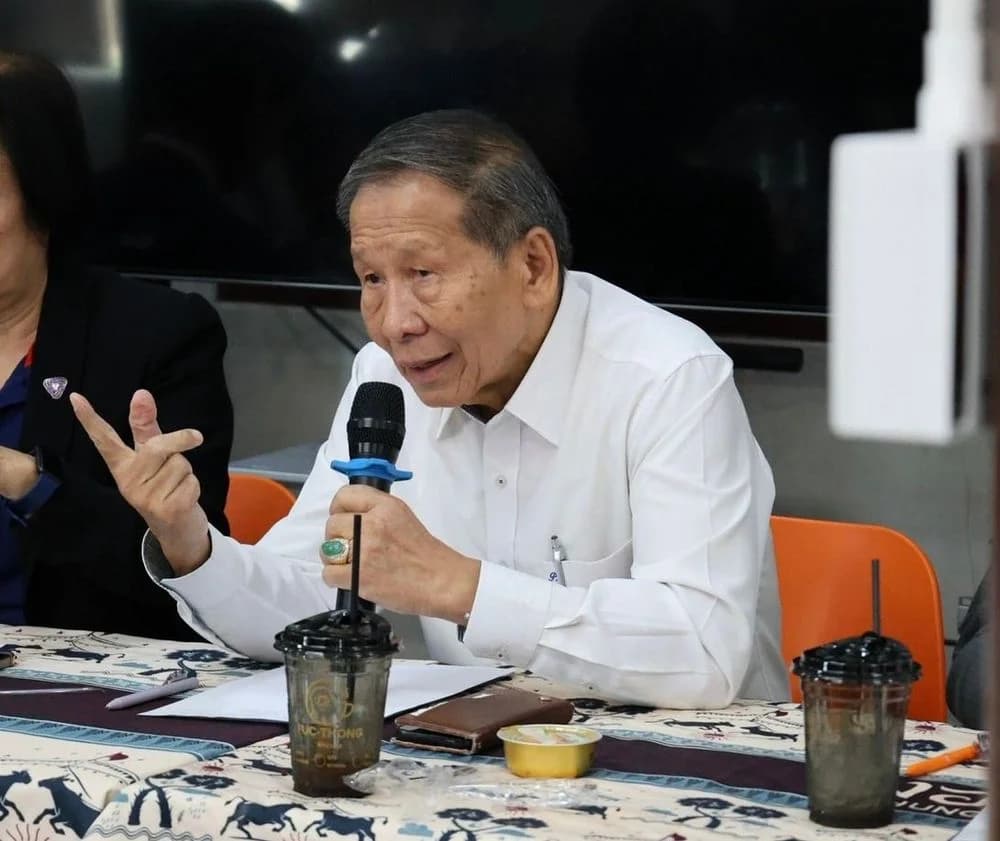
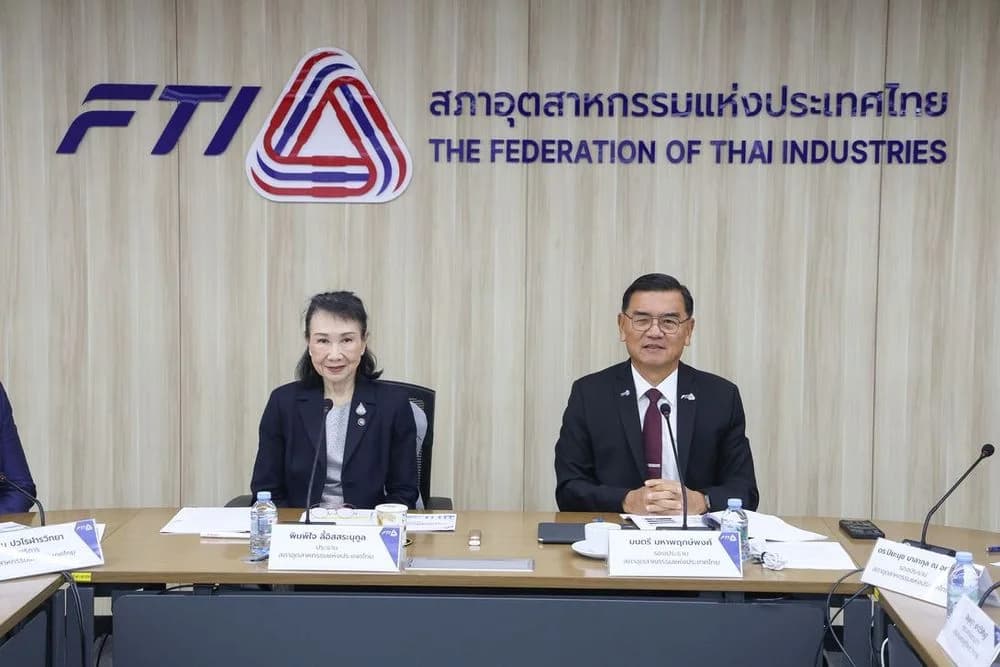
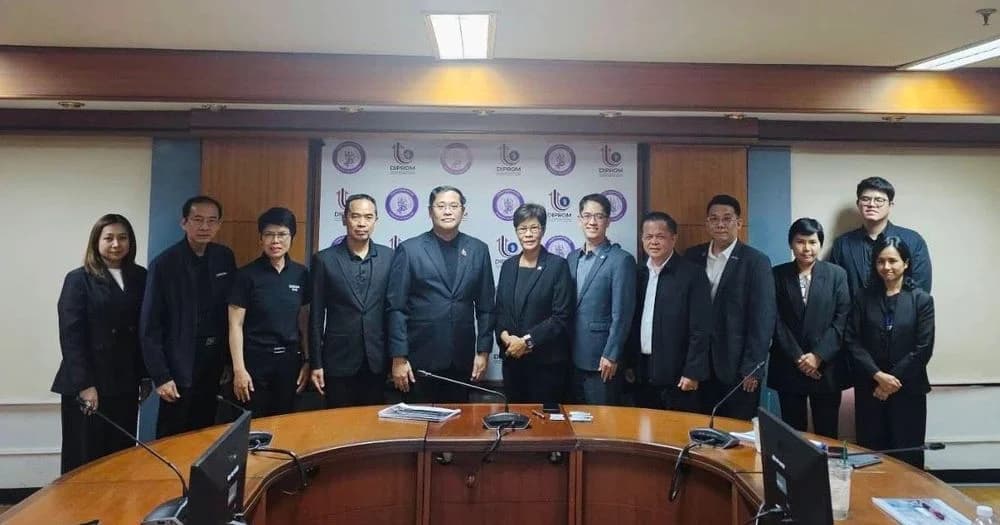
เมื่อวันที่ 17 สิงหาคม 2569 นายพิตติพัตน์ มั่นบุปผชาติ ประธานสถาบันอุตสาหกรรมเกษตร สภาอุตสาหกรรมแห่งประเทศไทย (ส.อ.ท.) พร้อมคณะ เข้าหารือกับนายพิชิต มิทราวงศ์ กรรมการผู้จัดการ SME D Bank และคณะผู้บริหารระดับสูง ณ อาคาร SME Bank Tower กรุงเทพมหานคร เพื่อหารือแนวทางสนับสนุนผู้ประกอบการ SME ภาคเกษตรและอุตสาหกรรมอาหาร
[จาก “เกษตร” สู่ “อุตสาหกรรมเกษตรมูลค่าสูง”]
ส.อ.ท. มุ่งผลักดันผู้ประกอบการที่มีศักยภาพด้าน นวัตกรรม งานวิจัย และการพัฒนาสินค้า โดยเฉพาะกลุ่มอาหาร เกษตรแปรรูป สมุนไพร Wellness และ Bio & Health ให้สามารถต่อยอดจากวัตถุดิบไทยไปสู่ผลิตภัณฑ์ที่มีมูลค่าเพิ่มและแข่งขันในตลาดสากลได้
ขณะที่ SME D Bank พร้อมสนับสนุนทั้ง แหล่งเงินทุนและผลิตภัณฑ์ทางการเงิน ให้สอดคล้องกับความต้องการของผู้ประกอบการ พร้อมผลักดัน Supply Chain Financing เพื่อกระจายสภาพคล่องไปยังเกษตรกรและผู้ประกอบการตลอดห่วงโซ่การผลิต ไม่ให้ข้อจำกัดด้านเงินทุนกลายเป็นคอขวดของการเติบโต
ทั้งสองฝ่ายยังตั้งเป้าผลักดัน Quick Win ในกลุ่มสมุนไพรและ Wellness ภายในปี 2569 เพื่อสร้างกรณีศึกษาที่สามารถต่อยอดไปยังผู้ประกอบการกลุ่มอื่นได้
[“มาตรฐานโลก” ต้องไปพร้อมกับ “เงินทุน”]
นอกจากเรื่องเงินทุนแล้ว การยกระดับการแข่งขันยังต้องเตรียมผู้ประกอบการให้พร้อมกับมาตรฐานและกติกาการค้าระหว่างประเทศ โดยทั้งสองฝ่ายเห็นพ้องในการส่งเสริม Sustainability, Traceability และการเตรียมความพร้อมด้าน EUDR รวมถึงพัฒนาระบบ Green Finance ที่เชื่อมโยงกับมาตรฐาน TFCC/PEFC
แนวทางดังกล่าวจะช่วยให้ผู้ประกอบการไทยสามารถยกระดับกระบวนการผลิตให้มีความโปร่งใส ตรวจสอบย้อนกลับได้ และตอบโจทย์ตลาดโลกมากขึ้น
การหารือครั้งนี้จึงไม่ใช่เพียงการเพิ่มช่องทางเข้าถึงสินเชื่อ แต่เป็นการเชื่อม “เงินทุน–นวัตกรรม–มาตรฐาน–ตลาด” เข้าด้วยกัน เพื่อสร้างระบบนิเวศที่ช่วยให้ผู้ประกอบการเกษตรและอาหารไทยเติบโตได้ตลอด Supply Chain และเปลี่ยนศักยภาพของวัตถุดิบไทยให้เป็น ธุรกิจมูลค่าสูงที่แข่งขันได้ในตลาดโลก
The Thai agriculture sector is facing challenges beyond increasing productivity; it must evolve towards value-added processing, innovation, standards, and enhancing value creation. Simultaneously, entrepreneurs must navigate global trade regulations that emphasize sustainability and traceability. Thus, FTI is moving forward to establish financial collaborations to enable operators to invest and adapt throughout the supply chain.
On August 17, 2026, Mr. Pittiphat Manbuppachart, President of the Agricultural Industry Institute, FTI, along with a delegation, met with Mr. Pichit Mithrawong, Managing Director of SME D Bank, and senior executives at SME Bank Tower in Bangkok to discuss supporting SME operators in the agriculture and food industry.
[From “Agriculture” to “High-Value Agricultural Industry”]
FTI aims to promote operators with potential in innovation, research, and product development, particularly in the food sector, processed agriculture, herbal products, wellness, and bio & health, to leverage Thai raw materials into value-added products that can compete in the international market.
Meanwhile, SME D Bank is ready to support both capital sources and financial products that align with the needs of operators, promoting supply chain financing to distribute liquidity to farmers and operators throughout the production chain, preventing capital limitations from becoming a bottleneck to growth.
Both parties aim to drive quick wins in the herbal and wellness sectors within 2026 to create case studies that can be scaled to other groups of operators.
[“Global Standards” Must Accompany “Capital”]
In addition to funding, elevating competition requires preparing operators to meet international standards and trading regulations. Both parties agree on promoting sustainability, traceability, and preparation for EUDR, as well as developing a Green Finance system that aligns with TFCC/PEFC standards.
This approach will facilitate Thai operators in elevating their production processes to become more transparent, traceable, and responsive to global market requirements.
This discussion is not merely about expanding access to credit; it is about connecting “Capital–Innovation–Standards–Market” together to create an ecosystem that enables Thai agricultural and food operators to grow throughout the supply chain and transform the potential of Thai raw materials into high-value competitive businesses in the global market.