
กรอบความร่วมมือ IMT-GT หรือ แผนงานการพัฒนาเขตเศรษฐกิจสามฝ่าย อินโดนีเซีย-มาเลเซีย-ไทย (Indonesia-Malaysia-Thailand Growth Triangle) จัดตั้งขึ้นเพื่อ (1) เร่งรัดการพัฒนาเศรษฐกิจและสังคมในพื้นที่อนุภูมิภาคที่อยู่ใกล้เคียงกัน (2) ส่งเสริมให้ภาคเอกชนเป็นกลไกหลักในการขับเคลื่อนเศรษฐกิจและการลงทุน และ (3) ลดความเหลื่อมล้ำทางเศรษฐกิจและกระจายความเจริญสู่พื้นที่ห่างไกล โดย ส.อ.ท. ในฐานะภาคเอกชนไทย จึงเตรียมเสนอโครงการด้านมาตรฐานฮาลาลและมาตรฐานน้ำมันอากาศยานยั่งยืน (SAF) เพื่อผลักดันให้เกิดการยอมรับร่วมในเวทีอนุภูมิภาค IMT-GT ซึ่งจะส่งผลดีต่อการส่งออกสินค้าฮาลาลไทย รวมถึงอุตสาหกรรมพลังงานสะอาดของไทยร่วมกับอินโดนีเซียและมาเลเซีย
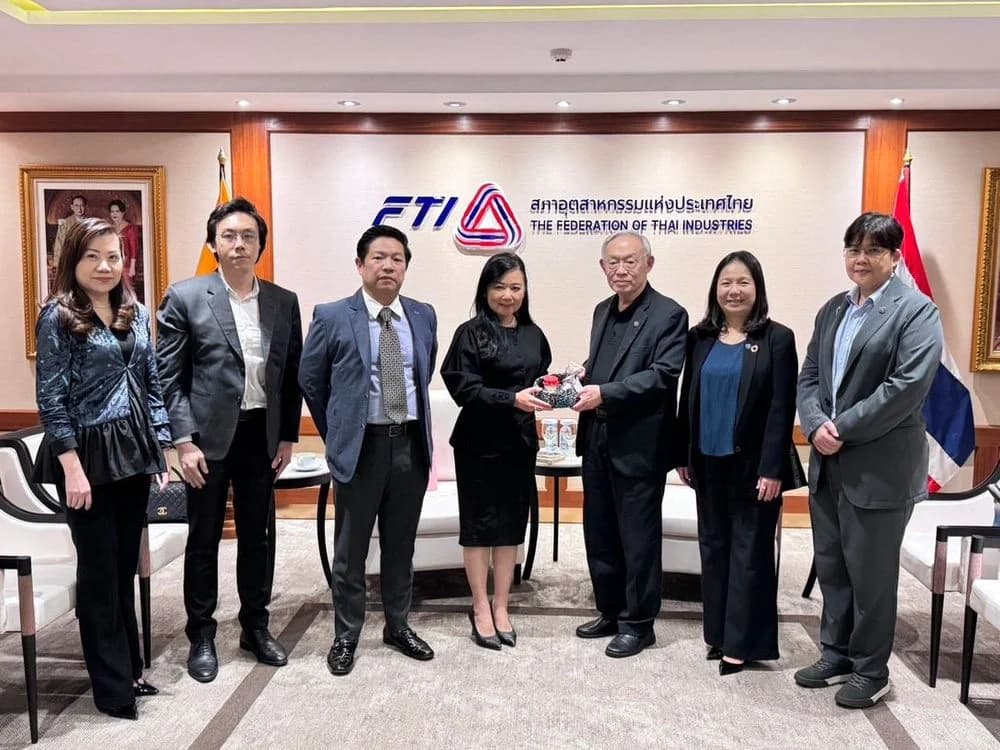
เมื่อวันที่ 18 สิงหาคม 2569 นายอัครินทร์ วงศ์อภิรัตน์ รองประธานสภาอุตสาหกรรมภาคใต้ นายสุรชาติ เชาวน์วัฒนา รองประธานกลุ่มอุตสาหกรรมโรงเลื่อยและโรงอบไม้ และกรรมการสภาอุตสาหกรรมภาคใต้ นายกฤษฎา ประเสริฐสุโข รองประธานคณะอนุกรรมการส่งเสริมธุรกิจภูมิภาคอาเซียน ฝ่ายอาเซียนและโลจิสติกส์ และ ดร.สวนิตย์ บุญญาสุวัฒน์ รองประธานสถาบันน้ำ สิ่งแวดล้อม และ Climate Change และอนุกรรมการส่งเสริมธุรกิจภูมิภาคอาเซียน ฝ่ายอาเซียนและโลจิสติกส์ สภาอุตสาหกรรมแห่งประเทศไทย (ส.อ.ท.) เข้าร่วมการประชุมคณะกรรมการสภาธุรกิจ IMT-GT (ประเทศไทย) ครั้งที่ 6/2567–2569 ผ่านระบบ Online เพื่อหารือถึงการเสนอโครงการด้านมาตรฐานฮาลาลและมาตรฐานน้ำมันอากาศยานยั่งยืน (SAF) เข้าสู่แผนงาน Implementation Blueprint (IB) ระยะ 5 ปีฉบับใหม่ (ค.ศ. 2027–2031) หวังผลักดัน 2 โครงการร่วมกับประเทศสมาชิก (อินโดนีเซีย-มาเลเซีย-ไทย) ในเวที IMT-GT ในห้วงการประชุมระดับรัฐมนตรี ครั้งที่ 32 ซึ่งจะจัดขึ้นระหว่าง 7–10 กันยายน 2569 ณ เมืองเมดาน จังหวัดสุมาตราเหนือ ประเทศอินโดนีเซีย
[เตรียม “เสียงภาคเอกชนไทย” สู่โต๊ะรัฐมนตรี]
หนึ่งในประเด็นสำคัญคือการเตรียมวาระของ IMT-GT Joint Business Council (JBC) ในวันที่ 7 กันยายน เพื่อรวบรวมปัญหาและข้อเสนอจากภาคเอกชน ก่อนนำไปสะท้อนต่อรัฐมนตรีของทั้ง 3 ประเทศ โดยมุ่งให้เวที IMT-GT เป็นกลไกที่ช่วยปลดล็อกอุปสรรคทางการค้าและการลงทุนข้ามแดน และสร้างโอกาสทางธุรกิจให้เกิดขึ้นจริงกับผู้ประกอบการ
ขณะเดียวกัน ที่ประชุมยังติดตามการทำงานของคณะทำงานด้านต่าง ๆ รวมถึงผลการประชุมวางแผนยุทธศาสตร์ IMT-GT ครั้งที่ 19 และพิจารณาโครงการศักยภาพสูงเพื่อเสนอเข้าสู่แผนงานระยะ 5 ปีฉบับใหม่ Implementation Blueprint 2027–2031 โดยให้ความสำคัญกับแนวโน้มที่จะส่งผลต่อขีดความสามารถการแข่งขันของภูมิภาค ทั้ง เทคโนโลยีดิจิทัล การพัฒนาอย่างยั่งยืน และระบบโลจิสติกส์ที่เชื่อมโยงกัน
[ไม่ใช่แค่หารือ แต่ต้องต่อยอดเป็นโอกาสทางธุรกิจ]
นอกจากการผลักดันข้อเสนอเชิงนโยบายแล้ว ภาคเอกชนไทยยังเตรียมใช้เวที IMT-GT เพื่อสร้างโอกาสทางธุรกิจโดยตรง ผ่านกิจกรรม Business Matching ที่จัดโดย Dumai Chamber of Commerce and Industry (KADIN DUMAI) ในวันที่ 8 กันยายน 2569 เปิดโอกาสให้ผู้ประกอบการไทยได้พบพันธมิตรทางธุรกิจ ขยายเครือข่าย และมองหาตลาดใหม่ในอินโดนีเซีย
ส.อ.ท. มองว่า การทำงานผ่าน IMT-GT จะช่วยเชื่อม “ข้อเสนอเชิงนโยบาย” กับ “โอกาสทางธุรกิจจริง” โดยภาคเอกชนไทยสามารถใช้กลไกความร่วมมือ 3 ประเทศในการสะท้อนอุปสรรคที่เกิดขึ้นจากการดำเนินธุรกิจ พร้อมผลักดันโครงการและความร่วมมือใหม่ ๆ ที่ตอบโจทย์การแข่งขันของภูมิภาค
ทั้งนี้ ส.อ.ท. พร้อมสนับสนุนการทำงานของคณะกรรมการสภาธุรกิจ IMT-GT (ประเทศไทย) ในการเชื่อมโยงผู้ประกอบการไทยกับพันธมิตรในมาเลเซียและอินโดนีเซีย ตลอดจนผลักดันข้อเสนอของภาคอุตสาหกรรมให้เกิดผลเป็นรูปธรรม เพื่อเพิ่มโอกาสทางการค้า การลงทุน และเสริมความแข็งแกร่งให้เศรษฐกิจของไทยและอนุภูมิภาค IMT-GT ในระยะยาว
The framework of IMT-GT or the Indonesia-Malaysia-Thailand Growth Triangle aims to (1) accelerate economic and social development in neighboring subregional areas, (2) promote the private sector as the main mechanism for driving economic growth and investment, and (3) reduce economic disparities and distribute prosperity to remote areas. As a representative of the Thai private sector, FTI is preparing to propose projects on Halal standards and Sustainable Aviation Fuel (SAF) to promote mutual recognition at the IMT-GT forum, which will positively impact the export of Thai Halal products and the clean energy industry of Thailand in collaboration with Indonesia and Malaysia.
On August 18, 2026, Mr. Akarin Wongapirat, Vice Chairman of the Southern Industrial Council, Mr. Surachart Chawathana, Vice Chairman of the Sawmill and Wood Drying Industry Group, and a member of the Southern Industrial Council, Mr. Kritsada Prasertsukho, Vice Chairman of the ASEAN Regional Business Promotion Subcommittee, ASEAN and Logistics, and Dr. Suwanit Boonyasuwat, Vice Chairman of the Water, Environment, and Climate Change Institute, and member of the ASEAN Regional Business Promotion Subcommittee, ASEAN and Logistics, FTI, attended the 6/2567-2569 IMT-GT Business Council (Thailand) Committee meeting online to discuss the proposal of projects regarding Halal standards and SAF into the new 5-year Implementation Blueprint (2027-2031), aiming to advance two projects in cooperation with member countries (Indonesia-Malaysia-Thailand) at the 32nd Ministerial Meeting to be held from September 7-10, 2026, in Medan, North Sumatra, Indonesia.
[Preparing the “Voice of the Thai Private Sector” for the Ministerial Table]
One of the key issues is preparing the agenda for the IMT-GT Joint Business Council (JBC) on September 7 to gather problems and proposals from the private sector before presenting them to the ministers of the three countries, intending to make the IMT-GT forum a mechanism that helps unlock barriers to cross-border trade and investment and create real business opportunities for entrepreneurs.
Simultaneously, the meeting will follow up on the work of the various working groups, including the outcomes from the 19th IMT-GT Strategic Plan Meeting and consider high-potential projects for inclusion in the new 5-year plan Implementation Blueprint 2027-2031, emphasizing trends that will affect the region’s competitive capacity, including digital technology, sustainable development, and interconnected logistics systems.
[Not Just Discussions, But Creating Real Business Opportunities]
In addition to pushing for policy proposals, the Thai private sector is also preparing to utilize the IMT-GT forum to create direct business opportunities through a Business Matching event organized by the Dumai Chamber of Commerce and Industry (KADIN DUMAI) on September 8, 2026, providing Thai entrepreneurs with the opportunity to meet potential business partners, expand networks, and seek new markets in Indonesia.
FTI views that working through IMT-GT will help connect “policy proposals” with “real business opportunities,” allowing the Thai private sector to use the cooperation mechanism of the three countries to reflect challenges arising from business operations while promoting new projects and collaborations that address regional competitiveness.
Moreover, FTI is ready to support the work of the IMT-GT Business Council (Thailand) in linking Thai entrepreneurs with partners in Malaysia and Indonesia, as well as pushing for the proposals of the industrial sector to yield tangible results to enhance trade and investment opportunities and strengthen the economy of Thailand and the IMT-GT subregion in the long term.