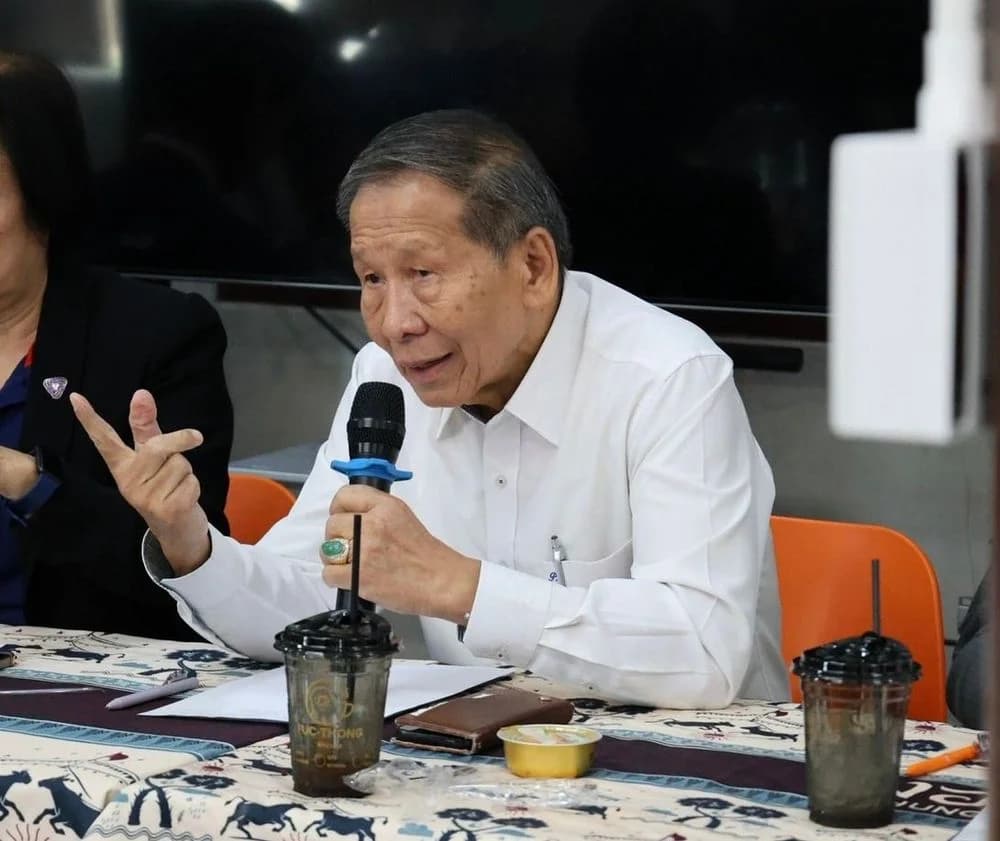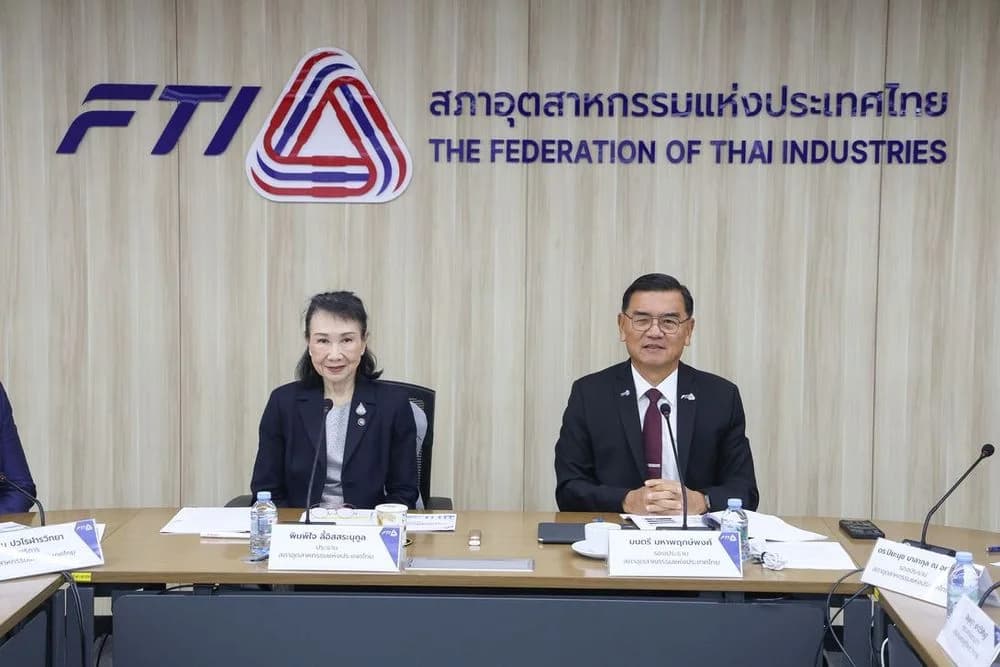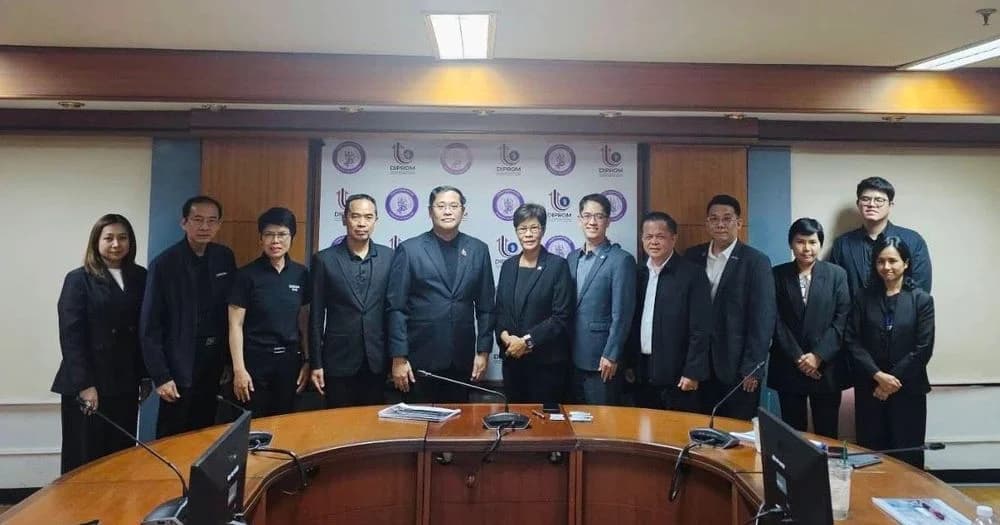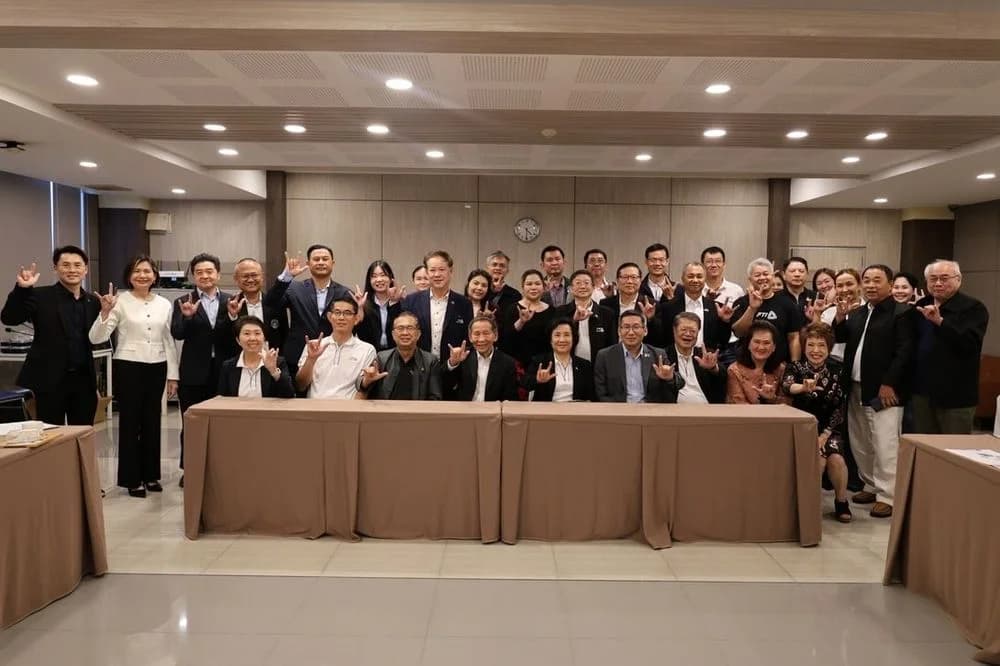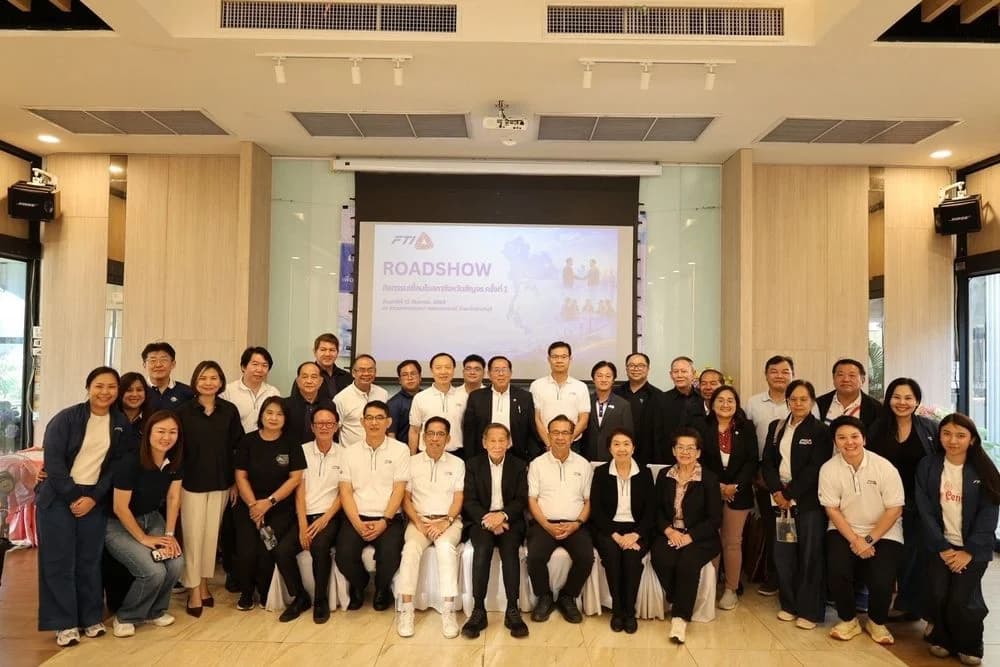

วันพุธที่ 13 มีนาคม 2567 นายเกรียงไกร เธียรนุกุล ประธานสภาอุตสาหกรรมแห่งประเทศไทย (ส.อ.ท.) มอบหมายให้ ดร.สาโรจน์ วสุวานิช กรรมการบริหาร ส.อ.ท. และประธานสภาอุตสาหกรรมภาคตะวันออก เป็นประธานเปิดงาน Automation Expo 2024 ณ ศูนย์ประชุมนานาชาตินงนุช พัทยา จังหวัดชลบุรี
ปัจจุบันภาคอุตสาหกรรมไทยเผชิญกับความท้าทายทั้งในด้านสังคม เศรษฐกิจ การเมืองระหว่างประเทศ และการเปลี่ยนแปลงเทคโนโลยี เช่น ภาวะสังคมผู้สูงวัย (Aging Society) ที่ส่งผลให้แรงงานในระบบภาคอุตสาหกรรมขาดแคลน ปัญหาภูมิรัฐศาสตร์ (Geopolitics) ในแต่ละประเทศมหาอำนาจ ที่มีส่วนเร่งให้เกิดสถานะที่เรียกว่า Regionalization ที่แต่ละประเทศต้องพึ่งพาตนเองมากยิ่งขึ้น การปรับรูปแบบซัพพลายเชนให้เกิดความมั่นคง หรือที่เรียกว่า Supply Chain Security
ความท้าทายเหล่านี้ ส่งผลให้ประเทศที่เป็นเจ้าของเทคโนโลยี เริ่มดึงเงินลงทุนกลับไปผลิตในประเทศที่มีความได้เปรียบทั้งในเชิงภูมิศาสตร์ ขนาดของตลาด และสิทธิประโยชน์ทางภาษี อีกทั้งสถานการณ์การเปลี่ยนผ่านทางเทคโนโลยีและดิจิทัลที่รุนแรงมากยิ่งขึ้น ส่งผลให้ภาคธุรกิจและอุตสาหกรรม เริ่มมีการใช้ Internet of Thing (IoT), Big Data, Artificial Intelligence และ Automation & Robotics เพื่อเพิ่มประสิทธิภาพการผลิต และให้ธุรกิจสามารถบริหารจัดการต้นทุน ประกอบกับสถานการณ์พลังงาน และนโยบายการขึ้นค่าแรงของรัฐบาลที่เป็นความเสี่ยงด้านตันทุน ให้กับภาคอุตสาหกรรมต่อจากนี้
จากสถานการณ์ดังกล่าว ถือเป็นปัจจัยสำคัญที่ทำให้ผู้ประกอบการในภาคอุตสาหกรรมจะต้องปรับตัวอย่างเร่งด่วน อย่างไรก็ตาม ยังพบว่าภาคอุตสาหกรรมไทยกว่า 70% ยังอยู่ไม่เกินระดับ Industry 2.0 ซึ่งยังมีการใช้แรงงานเข้มข้น ด้วยเหตุนี้ ส.อ.ท. จึงมีแนวทางการขับเคลื่อนภาคอุตสาหกรรม โดยผลักดันอุตสาหกรรมดั้งเดิม (First Industries) ได้แก่ 46 กลุ่มอุตสาหกรรม 11 คลัสเตอร์ และ 76 สภาอุตสาหกรรมจังหวัด ให้ปรับตัวเข้าสู่อุตสาหกรรมใหม่หรืออุตสาหกรรมแห่งอนาคต (Next-Gen Industries) โดยได้มีการจัดตั้งคณะทำงานการปฏิรูปอุตสาหกรรม และพัฒนาอุตสาหกรรม 4.0 ซึ่งมีการขับเคลื่อน 4 แนวทาง ได้แก่
(1) Knowledge Sharing การพัฒนาและเผยแพร่องค์ความรู้ เพื่อสร้างความตระหนักถึงความสำคัญของการพัฒนาองค์กร
(2) Assessment การสนับสนุนให้เข้าถึงการประเมินตนเอง เพื่อทราบสถานะศักยภาพของอุตสาหกรรม
(3) Solutioning การหาโซลูชั่นสำหรับภาคอุตสาหกรรม เพื่อความปลอดภัยและการบริหารจัดการอย่างมีคุณภาพ
(4) Implementation การหาแนวทางและการสนับสนุนให้เกิดการลงทุนในระบบอัตโนมัติ หุ่นยนต์และดิจิทัล ในองค์กรเพื่อขับเคลื่อนให้ภาคอุตสาหกรรมไทยได้เริ่มเรียนรู้ในการนำเทคโนโลยีเหล่านี้มาปรับใช้ในองค์กร เพื่อส่งเสริมให้ผู้ประกอบการไทยในภาคอุตสาหกรรมการผลิตโดยเฉพาะ SMEs สามารถพัฒนากระบวนการผลิตในโรงงาน ลดต้นทุน เพิ่มประสิทธิภาพ ซึ่งจะเป็นพื้นฐานให้เกิดการเปลี่ยนผ่านได้อย่างแท้จริง และสามารถแข่งขันได้ในอนาคต
ผู้ที่สนใจ สามารถเข้าร่วมชมงาน Automation Expo 2024 ได้ที่ศูนย์ประชุมนานาชาตินงนุช พัทยา จังหวัดชลบุรี ระหว่างวันที่ 13-15 มีนาคม 2567 นี้
On March 13, 2024, Mr. Kriangkrai Tiennukul, Chairman of the Federation of Thai Industries (FTI), assigned Dr. Saroj Vasuwanich, Executive Director of FTI and President of the Eastern Industrial Council, to preside over the opening of Automation Expo 2024 at the Nongnuch International Convention Center in Pattaya, Chonburi Province.
Currently, the Thai industrial sector faces challenges in social, economic, international political dimensions, and technological changes. For instance, the aging society is leading to a labor shortage in the industrial sector. Geopolitical issues among major countries have accelerated a status known as Regionalization, whereby each country increasingly becomes self-reliant. Additionally, adapting supply chains for stability, referred to as Supply Chain Security, poses further challenges.
These challenges have prompted technology-owning countries to begin repatriating investments to produce in countries that have advantages in terms of geography, market size, and tax benefits. Furthermore, the intensified transition of technology and digitalization has led businesses and industries to start utilizing the Internet of Things (IoT), Big Data, Artificial Intelligence, and Automation & Robotics to enhance production efficiency and enable cost management. Coupled with energy situations and government policies regarding minimum wage increases, these factors pose significant cost risks for the industrial sector moving forward.
The aforementioned situation represents a critical factor necessitating urgent adaptation by industrial operators. However, it is still observed that over 70% of the Thai industrial sector remains below Industry 2.0, relying heavily on labor. Therefore, FTI has initiated measures to drive the industrial sector by promoting traditional industries (First Industries), which include 46 industry groups across 11 clusters and 76 provincial industrial councils, to transition into new or future industries (Next-Gen Industries). This includes the establishment of a working group for industrial reform and the development of Industry 4.0, which is driven through four main approaches:
(1) Knowledge Sharing: Developing and disseminating knowledge to raise awareness of the importance of organizational development.
(2) Assessment: Supporting access to self-assessment to determine the industrial potential status.
(3) Solutioning: Providing solutions for the industrial sector to ensure safety and quality management.
(4) Implementation: Identifying methods and supporting investment in automation, robotics, and digital systems within organizations to promote the Thai industrial sector in integrating these technologies. This aims to assist Thai operators, particularly SMEs in the manufacturing sector, in enhancing production processes, reducing costs, and improving efficiency, thereby laying the groundwork for genuine transformation and future competitiveness.
Individuals interested in attending the Automation Expo 2024 can join the event at the Nongnuch International Convention Center in Pattaya, Chonburi Province, from March 13 to 15, 2024.