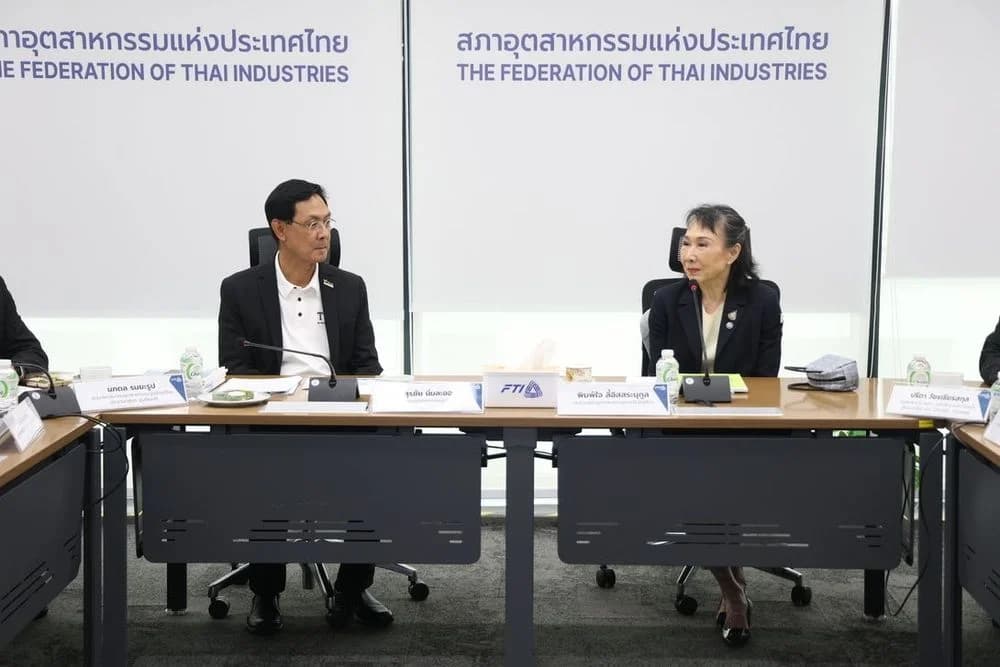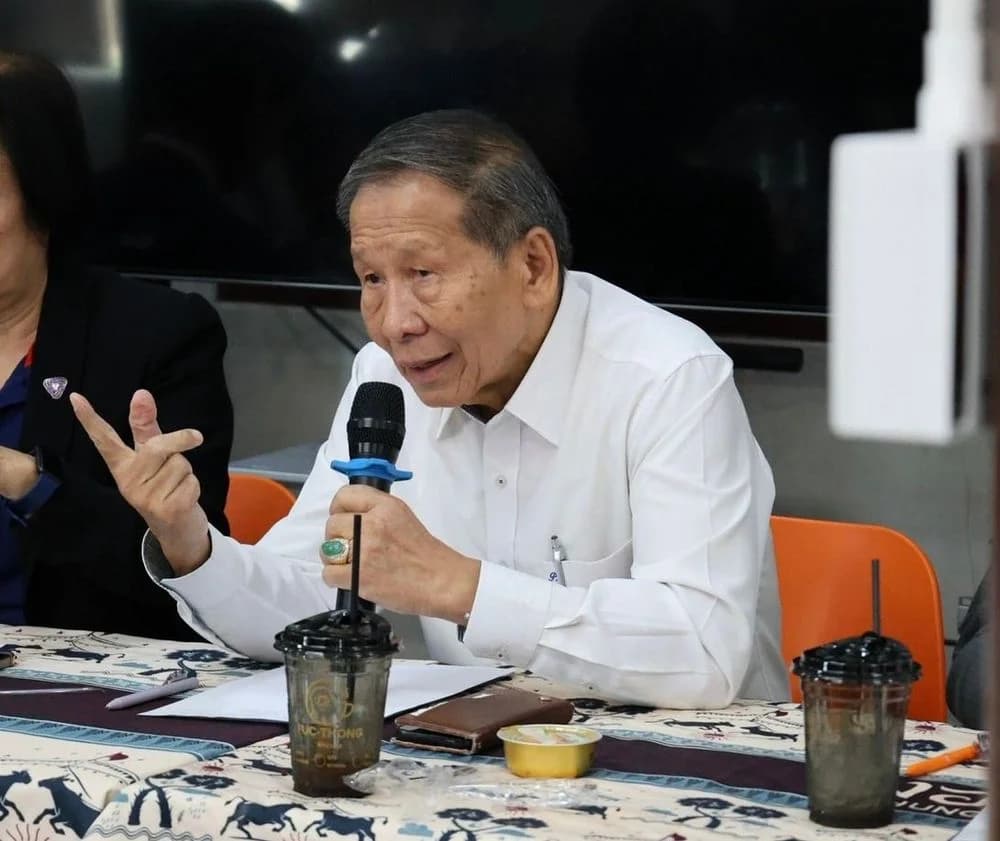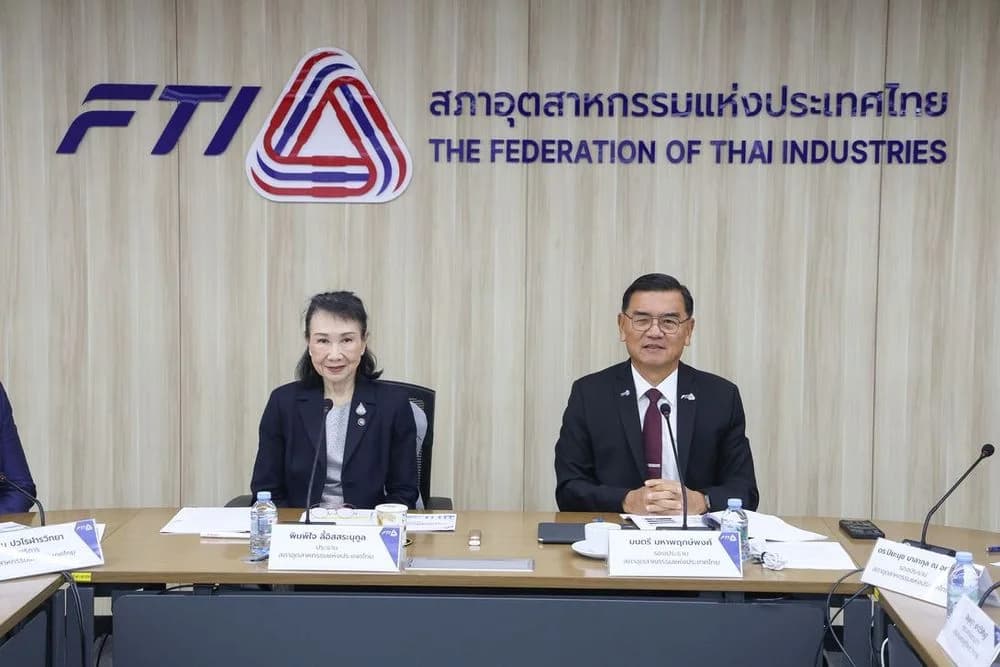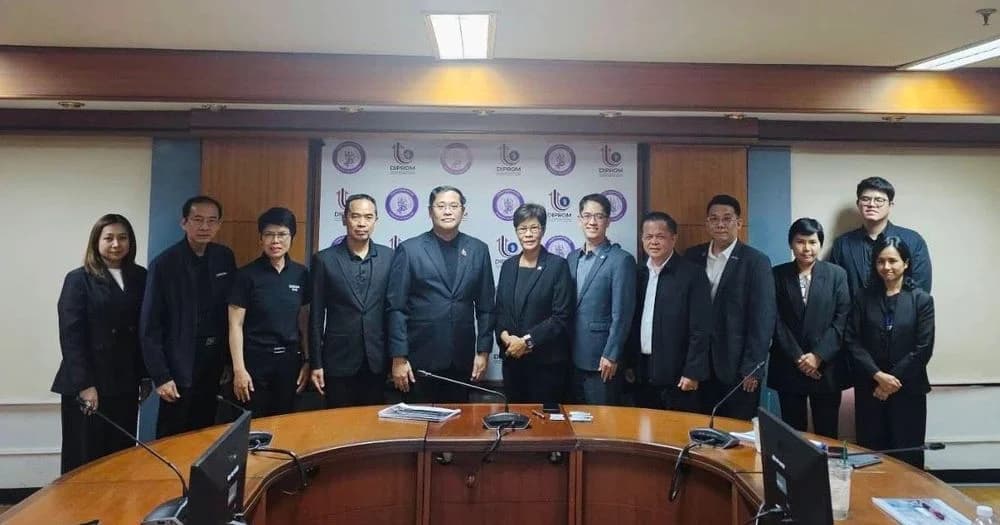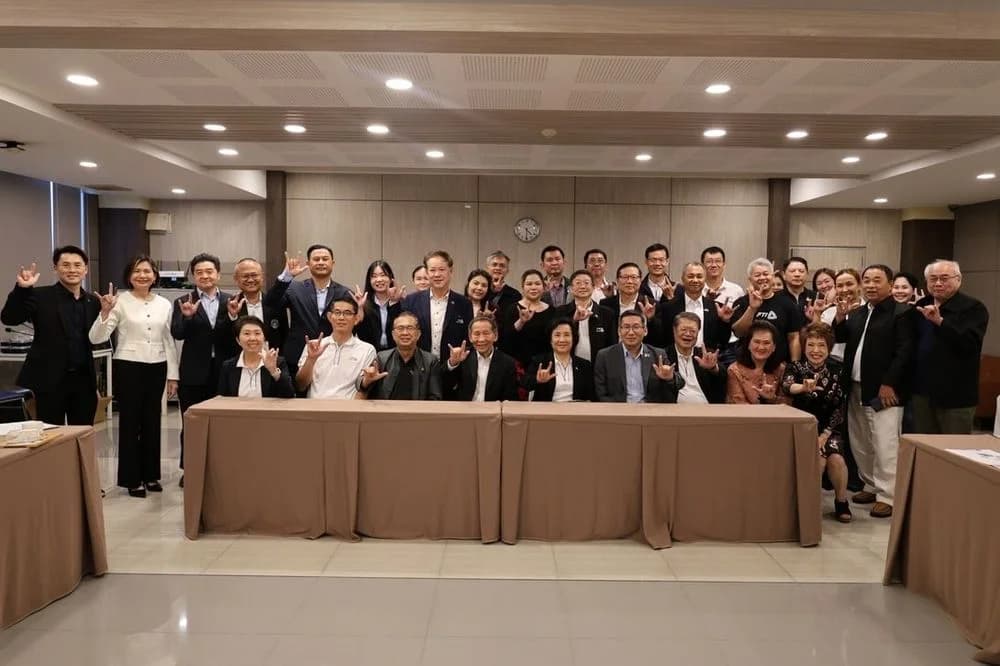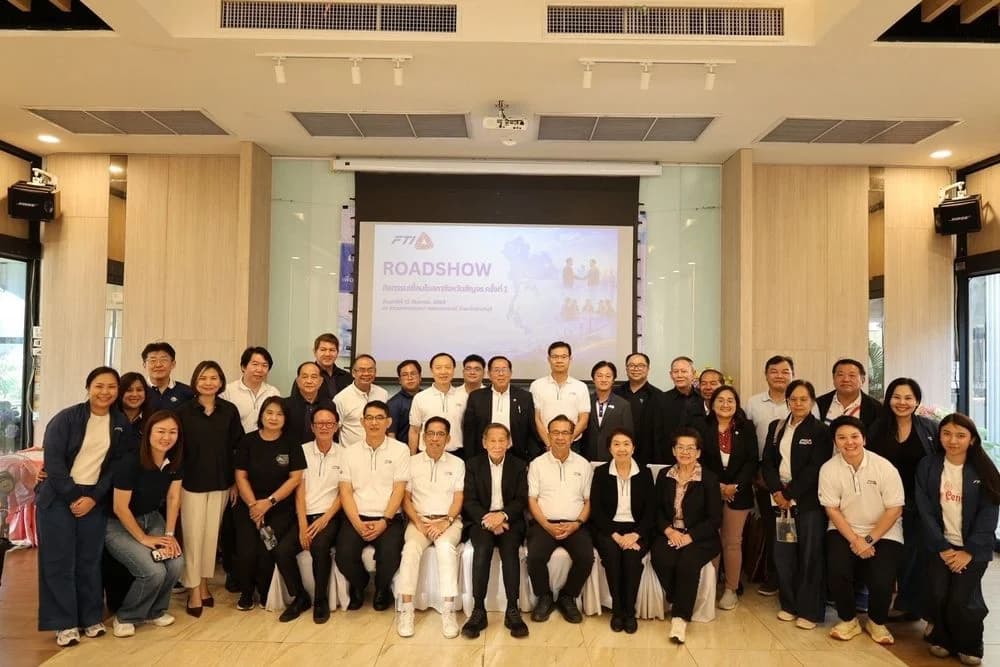

เมื่อวันจันทร์ที่ 24 มิถุนายน 2567 นายเกรียงไกร เธียรนุกุล ประธานสภาอุตสาหกรรมแห่งประเทศไทย (ส.อ.ท.) พร้อมด้วยคณะผู้บริหาร ส.อ.ท. นำทีม จัดปฐมนิเทศคณะกรรมการ ส.อ.ท. วาระปี 2567-2569 เพื่อขับเคลื่อนงาน 12 Pillars กับสายงานและสถาบันของ ส.อ.ท. รวมทั้งชี้แจงบทบาทของการเป็นกรรมการ ส.อ.ท. จรรยาบรรณของคณะกรรมการ ผังโครงสร้างสำนักงาน อำนาจดำเนินการคณะกรรมการ และสิทธิประโยชน์สมาชิก ส.อ.ท. พร้อมทั้งมีการประชุมคณะกรรมการ ส.อ.ท. ครั้งที่ 5/2567 เพื่อรายงานความคืบหน้าการดำเนินงานและกิจกรรมต่างๆ ณ อาคารไทย ซีซีทาวเวอร์ สาทร
สำหรับการปฐมนิเทศคณะกรรมการ ส.อ.ท. วาระปี 2567-2569 ได้มีการนำเสนอ ดังนี้
1) นายเกรียงไกร เธียรนุกุล ประธาน ส.อ.ท. เรื่องการขับเคลื่อนงาน 12 Pillars กับสายงานและสถาบันของ ส.อ.ท.
2) ดร.ปิยะนุช มาลากุล ณ อยุธยา รักษาการเลขาธิการ ส.อ.ท. เรื่อง บทบาทและความคาดหวังการเป็นกรรมการ ส.อ.ท. และ จรรยาบรรณของคณะกรรมการ ส.อ.ท.
3) นางสาวพรรรัตน์ เพชรภักดี รักษาการผู้อำนวยการใหญ่ เรื่องผังโครงสร้างสำนักงาน ส.อ.ท. และ อำนาจดำเนินการคณะกรรมการ ส.อ.ท.
4) นายนาวา จันทนสุรคน รองประธาน ส.อ.ท.และประธานสายงานสื่อสารองค์กร เรื่อง แนวทางการให้สัมภาษณ์สื่อของ ส.อ.ท.
5) นายวีระชัย คุณาวิชยานนท์ ประธานคณะกรรมการตรวจสอบ เรื่อง บทบาทหน้าที่คณะกรรมการตรวจสอบ
6) นายกิตติ ตั้งจิตรมณีศักดา รองประธาน ส.อ.ท. และประธานสายงานกฎหมายและภาษี เรื่อง การทำนิติกรรมสัญญา และ
7) นายอภิชิต ประสพรัตน์ รองประธาน ส.อ.ท. และประธานสายงานสมาชิกสัมพันธ์ เรื่อง สิทธิประโยชน์สมาชิก ส.อ.ท.
ภายหลังจากการปฐมนิเทศ ได้มีการจัดประชุมคณะกรรมการ ส.อ.ท. ครั้งที่ 5/2567(3) โดยมี นายเกรียงไกร เป็นประธานในที่ประชุม พร้อมด้วยนายทวี ปิยะพัฒนา รองประธานอาวุโส ส.อ.ท. และประธานสายงานส่งเสริมและสนับสนุนสภาอุตสาหกรรมจังหวัด นายสมพงษ์ นครศรี รองประธานอาวุโส ส.อ.ท. นายอิศเรศ รัตนดิลก ณ ภูเก็ต รองประธาน ส.อ.ท. และนายทะเบียน ดร.ปิยะนุช มาลากุล ณ อยุธยา รักษาการเลขาธิการ ส.อ.ท. รองประธาน ส.อ.ท. และเหรัญญิกและคณะกรรมการ ส.อ.ท. เข้าร่วมประชุม
ภายในที่ประชุม ได้มีการนำเสนอวาระการประชุมที่สำคัญและเป็นประโยชน์ต่อภาคอุตสาหกรรม ดังนี้
1. ความคืบหน้านโยบายการปรับค่าแรงขั้นต่ำ 400 บาท ทั่วประเทศ
“จุดยืน ส.อ.ท. ต่อนโยบายการปรับค่าแรงขั้นต่ำ 400 บาท ทั่วประเทศ”
1.1 การปรับอัตราค่าแรงขั้นต่ำ ควรปรับตามที่กฎหมายบัญญัติกำหนดไว้ในมาตรา 87 แห่งพระราชบัญญัติคุ้มครองแรงงาน พ.ศ. 2541 และมีการรับฟังความคิดเห็นอย่างรอบด้าน
1.2 การส่งเสริมการเพิ่มผลิตภาพแรงงาน (Labor Productivity) ด้วยการยกระดับ ทักษะฝีมือแรงงาน (Pay by Skills) เพื่อเพิ่มรายได้ให้แก่แรงงาน แทนการปรับค่าแรงขั้นต่ำ
1.3 การผลักดันให้รัฐบาลแก้ปัญหาค่าครองชีพ เพื่อช่วยลดภาระค่าใช้จ่ายให้แก่ภาคแรงงาน ยกระดับคุณภาพชีวิตแรงงานให้มีความเหมาะสม
2. การแก้ไขปัญหาความเดือดร้อนของกลุ่มอุตสาหกรรมและสภาอุตสาหกรรมจังหวัด
2.1 แผน AEDP 2024 “จุดยืน ส.อ.ท. ส่งเสริมอุตสาหกรรมเอทานอลตาม (ร่าง) AEDP 2024″#E20 ต้องเป็นน้ำมันพื้นฐาน แทน E10 และนโยบายที่ดี ต้องสนับสนุนจุดแข็งของประเทศ บูรณาการ ข้ามกระทรวง เพื่อประโยชน์ต่อประชาชนส่วนใหญ่ และเพิ่มขีดความสามารถในการแข่งขันของประเทศอย่างแท้จริง
2.2 แผน PDP 2024 “จุดยืน ส.อ.ท. ต่อ (ร่าง) แผน PDP2024” เห็นพัฒนาการที่ดีขึ้น แต่อาจยังไม่ตอบโจทย์ความต้องการ ด้านพลังงานสีเขียว และราคาค่าไฟฟ้า
โดยมีหลักการ 3 ด้าน คือ
1. ความมั่นคงของระบบไฟฟ้าควรเน้นเปิดเสรี และมองความคุ้มค่าต้นทุนที่ต้องจ่ายไปกับความมั่นคง
2. ราคาเหมาะสมและเป็นธรรม โปร่งใส รอบคอบ ปิดความเสี่ยงจากราคาพลังงานฟอสซิลผันผวน
3. มุ่งสู่เป้าพลังงานสะอาดของประเทศ เปิดกว้างรับเทคโนโลยี และความร่วมมือกับทุกภาคส่วนมากขึ้น
3. ปัญหากาก/สารเคมี มลพิษ ข้อเสนอเชิกรุก ส.อ.ท. ต่อการจัดการปัญหากากอุตสาหกรรม ดังนี้
1. หารือแนวทางการจัดการเร่งด่วน
1.1 หารือแนวทางการจัดการปัญหากากอุตสาหกรรม เพื่อลดผลกระทบต่อชุมชนโดยรอบ ที่เป็นปัญหาเร่งด่วน โดยอาศัยความร่วมมือของสมาชิก ส.อ.ท. ในการแก้ไขปัญหา
1.2 ผลักดันให้ภาครัฐเร่งรัดงบประมาณในการแก้ไขปัญหาและฟื้นฟูผลกระทบที่จะเกิดขึ้นในระยะยาว
2. ประกาศเจตนารมณ์ให้ทิ้งกากอย่างถูกต้อง
2.1 ประกาศเจตนารมณ์ เพื่อให้สมาชิกดำเนินการจัดการกากอุตสาหกรรม ให้ถูกต้องตามกฎหมายและแสดงจุดยืนว่าไม่เกี่ยวข้องกับผู้กระทำผิดที่มีการลักลอบทิ้งกากอุตสาหกรรม
2.2 ขับเคลื่อนนโยบาย “Greening Supply Chain” เลือกใช้บริษัทที่ได้รับรองมาตรฐาน Eco Factory for Waste Processor หรือบริษัทที่มีมาตรฐานการจัดการกากอุตสาหกรรมที่ดี
3. ขับเคลื่อน CG และกลไก Check & Balance เพื่อสร้างความโปร่งใส
3.1 สร้างความร่วมมือกับกรมโรงงานอุตสาหกรรม เพื่อสร้างกลไกให้เกิด Check & Balance ใน กระบวนการขออนุญาตฯ และการกำกับดูแลของภาครัฐ
ทั้งนี้ สามารถดาวน์โหลดเอกสารประกอบการประชุม ได้ที่
https://shorturl.at/Fq6TY
สามารถดาวน์โหลดภาพการประชุม ได้ที่
https://shorturl.at/FuETT
On Monday, June 24, 2024, Mr. Kriangkrai Theeranukul, President of the Federation of Thai Industries (FTI), accompanied by the executive team of FTI, led the orientation for the Board of Directors for the 2024-2026 term to drive the 12 Pillars agenda along with the sectors and institutions of FTI. Additionally, the roles and responsibilities of being an FTI board member, the code of ethics for the board, the organizational structure, the powers of the board, and member benefits were explained. Furthermore, the 5th Board Meeting of FTI for the year 2024 was also held to report the progress of various activities at the Thai CC Tower Sathorn.
The orientation for the Board of Directors for the 2024-2026 term included the following presentations:
1) Mr. Kriangkrai Theeranukul, President of FTI, on driving the 12 Pillars agenda with the sectors and institutions of FTI.
2) Dr. Piyanuj Malakul Na Ayudhya, Acting Secretary-General of FTI, on the roles and expectations of being an FTI board member and the code of ethics for the FTI board.
3) Ms. Phonrat Petchphakdee, Acting Director-General, on the organizational structure of FTI and the powers of the FTI board.
4) Mr. Nawa Chantanasurakhan, Vice President of FTI and Chairman of the Corporate Communications Sector, on the media interview guidelines of FTI.
5) Mr. Veerachai Kunavitjayanon, Chairman of the Audit Committee, on the roles and duties of the Audit Committee.
6) Mr.Kitti Tangjitrmanasakda, Vice President of FTI and Chairman of the Legal and Tax Sector, on legal affairs and contracts.
7) Mr. Apichit Prasoprat, Vice President of FTI and Chairman of the Membership Relations Sector, on member benefits of FTI.
After the orientation, the 5th Board Meeting of FTI for 2024 (3) was convened, presided over by Mr. Kriangkrai, with Mr. Thawi Piyapathana, Senior Vice President of FTI and Chairman of the Provincial Industrial Council Promotion Sector, Mr. Sompong Nakhonsri, Senior Vice President of FTI, Mr. Isares Ratnadilok Na Phuket, Vice President of FTI, and Dr. Piyanuj Malakul Na Ayudhya, Acting Secretary-General of FTI, along with other members attending the meeting.
During the meeting, significant agenda items beneficial to the industrial sector were presented as follows:
1. Progress on the policy to adjust the minimum wage to 400 Baht nationwide.
“FTI’s stance on the policy to adjust the minimum wage to 400 Baht nationwide.”
1.1 The minimum wage adjustment should align with the legal provisions set forth in Section 87 of the Labor Protection Act, B.E. 2541 (1998), and feedback should be gathered comprehensively.
1.2 The promotion of labor productivity should take precedence by enhancing skill levels (Pay by Skills) to increase labor income instead of merely adjusting the minimum wage.
1.3 The government should address the cost of living issues to alleviate the financial burden on the labor sector and improve the quality of life for workers.
2. Addressing the concerns of industries and provincial industrial councils.
2.1 AEDP 2024 plan: “FTI's stance on promoting the ethanol industry according to (draft) AEDP 2024” #E20 must be a base fuel instead of E10; well-structured policies should support the country’s strengths, integrate across ministries, benefit the majority of citizens, and truly enhance the country's competitiveness.
2.2 PDP 2024 plan: “FTI’s stance on (draft) PDP 2024” shows improvement but may not fully meet the demands for green energy and electricity rates.
The principles are as follows:
1. The stability of the power system should focus on liberalization and consider the cost-effectiveness associated with stability.
2. Fair and transparent pricing that considers the risks from volatile fossil fuel prices.
3. Aiming for the nation's clean energy goals, open to technology, and increased collaboration among all sectors.
3. Issues regarding waste/chemical pollution and proposals from FTI for industrial waste management:
1. Discuss urgent waste management strategies.
1.1 Discuss ways to address industrial waste issues to minimize impacts on surrounding communities, which is an urgent problem, relying on collaboration from FTI members to resolve the issues.
1.2 Urge the government to expedite budget allocations for addressing problems and rehabilitating long-term impacts.
2. Declaration of intent to properly dispose of waste.
2.1 A declaration to ensure that members manage industrial waste legally and express their stance of non-involvement with offenders engaged in illegal dumping of industrial waste.
2.2 Promote the policy of “Greening Supply Chain” by choosing to utilize companies certified as Eco Factory for Waste Processor or those with excellent industrial waste management standards.
3. Drive CG and Check & Balance mechanisms to ensure transparency.
3.1 Build cooperation with the Department of Industrial Works to establish Check & Balance mechanisms in the licensing process and government oversight.
All documents related to the meeting can be downloaded at:
https://shorturl.at/Fq6TY
Meeting images can be downloaded at:
https://shorturl.at/FuETT