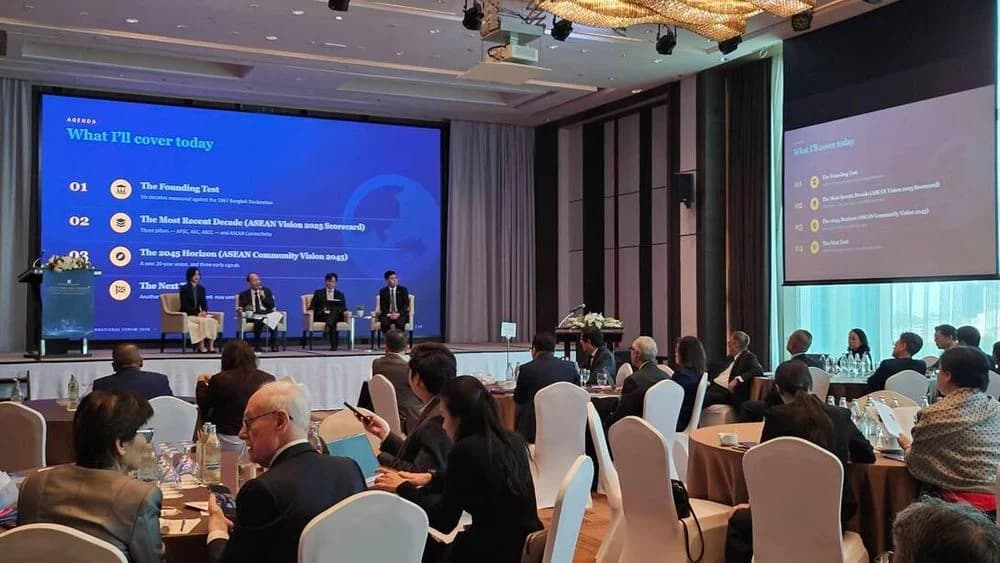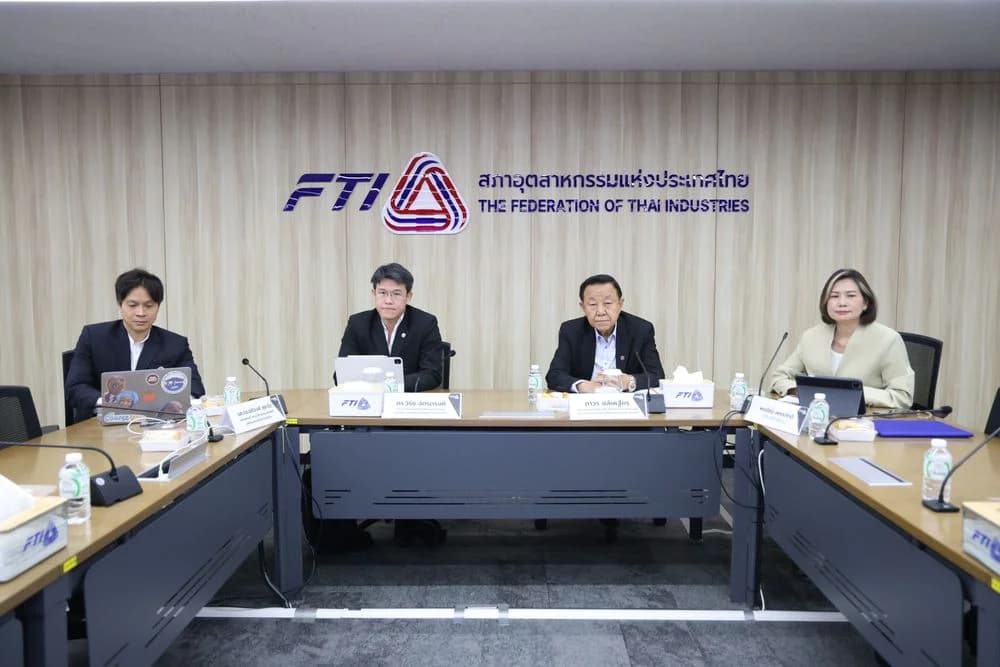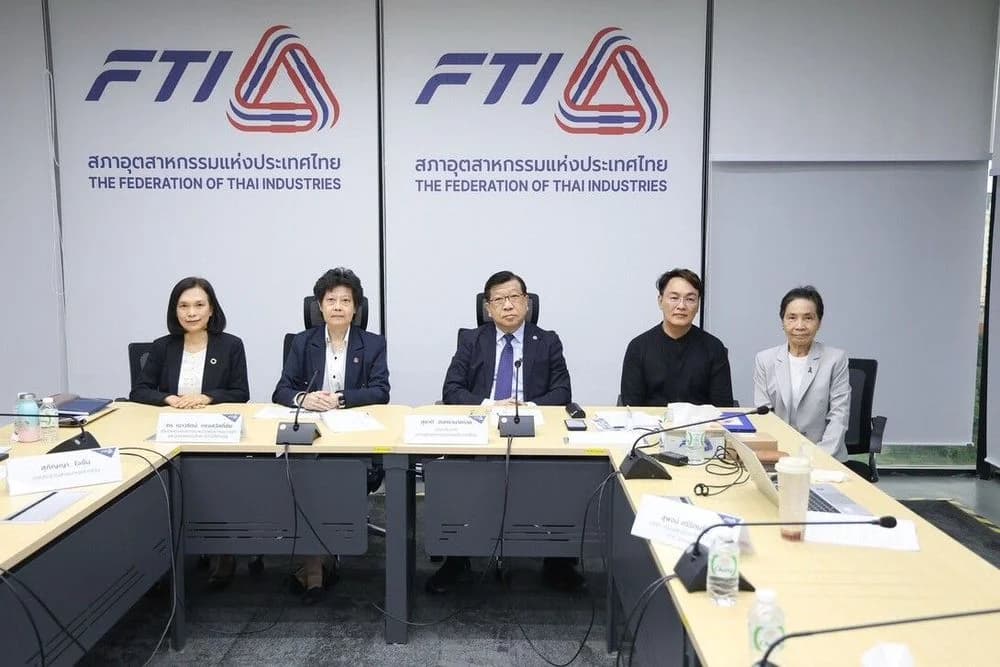

เมื่อวันพุธที่ 31 กรกฏาคม 2567 ดร.ภก. นิลสุวรรณ ลีลารัศมี รองประธานสภาอุตสาหกรรมแห่งประเทศไทย (ส.อ.ท.) พร้อมด้วย ดร.ปิยะนุช มาลากุล ณ อยุธยา รองประธาน ส.อ.ท. นายชัชวาล จันทร์แสงสุก กรรมการและเลขานุการ คณะกรรมการภาษีอากรและมาตรการทางการค้า และนางสาวสุกัญญา ใจชื่น กรรมการสายงานแรงงาน เข้าร่วมรับฟังการสัมมนาเผยแพร่โครงการวิจัยศึกษาเกี่ยวกับกรอบความร่วมมือทางเศรษฐกิจอินโด-แปซิฟิก หรือ Indo-Pacific Economic Framework หรือ IPEF เพื่อศึกษาประโยชน์และผลกระทบที่ประเทศไทยจะได้รับจากกรอบความร่วมมือ IPEF โดยมี ดร.ภก. นิลสุวรรณ เป็นผู้แทนในการร่วมเสวนาเรื่อง "ประโยชน์และผลกระทบจากกรอบความร่วมมือ IPEF ต่อประเทศไทย" ณ ห้องพญาไท 4 โรงแรม Eastin Grand พญาไท
ภายในงาน ดร. สมเกียรติ ตั้งกิจวานิชย์ ประธานสถาบันวิจัยเพื่อการพัฒนาประเทศไทย (TDRI) ได้กล่าวถึงความสำคัญของกรอบความร่วมมือ IPEF ต่อประเทศไทย และในช่วงต้นของการสัมมนา คณะผู้วิจัยจาก TDRI ได้นำเสนอถึงผลการศึกษาเกี่ยวกับผลประโยชน์ ผลกระทบ รวมถึงข้อเสนอต่อหน่วยงานที่เกี่ยวข้อง จากที่ประเทศไทยได้เข้าร่วมกรอบความร่วมมือ IPEF ทั้ง 4 เสาหลัก ได้แก่ เสาที่ 1 การค้า (Trade) เสาที่ 2 ห่วงโซ่อุปทาน (Supply Chain) เสาที่ 3 เศรษฐกิจสะอาดและเป็นมิตรต่อสิ่งแวดล้อม (Clean Economy) เสาที่ 4 เศรษฐกิจที่เป็นธรรม (Fair Economy)
ในช่วงการเสวนา ดร.ภก. นิลสุวรรณ ได้ร่วมแลกเปลี่ยนความเห็นกับผู้แทนจากหน่วยงานที่เกี่ยวข้องทั้งภาครัฐและภาคเอกชน ได้แก่ นางจุฬามณี ชาติสุวรรณ ผู้ทรงคุณวุฒิด้านการดำเนินการของไทยในกรอบ IPEF ดร.เนรัญ สุวรรณโชติช่วง ผู้อำนวยการ Hydrogen Thailand Club นายณัฐวุฒิ อินทรส ผู้อำนวยการสำนักพัฒนาอย่างยั่งยืน บริษัท ปูนซีเมนต์ไทย (มหาชน) จำกัด และ ดร.มานะ นิมิตรมงคล เลขาธิการองค์กรต่อต้านคอร์รัปชัน ดำเนินรายการโดย ดร.สมเกียรติ ตั้งกิจวานิชย์
ทั้งนี้ ส.อ.ท. ได้นำเสนอถึงความสำคัญของการใช้ประโยชน์จากการเข้าร่วมกรอบความร่วมมือ IPEF ผ่านการแบ่งปันแนวทางปฎิบัติที่มีมาตรฐานจากประเทศภาคีใน IPEF และการสร้างความร่วมมือระหว่างกัน รวมถึงได้นำเสนอถึงความสอดคล้องระหว่างแนวทางของกรอบความร่วมมือ IPEF และแนวทางยกระดับอุตสาหกรรมไทยที่ ส.อ.ท. สนับสนุน อาทิ การปรับปรุงกฎหมาย กฎระเบียบ เพื่อส่งเสริมความยากง่ายในการประกอบธุรกิจ (Ease of Doing Business) การพัฒนาบุคลากร เพิ่มผลิตภาพแรงงาน และแก้ไขปัญหาขาดแคลนแรงงานทั้งระบบ และการบริหารจัดการด้านพลังงานเพื่อรองรับการเปลี่ยนผ่านพลังงาน (Energy Transition) เป็นต้น
On Wednesday, July 31, 2024, Dr. Ph.D. Nilsuwan Leelarasmi, Vice Chairman of the Federation of Thai Industries (FTI), along with Dr. Piyanuch Malakul Na Ayutthaya, Vice Chairman of FTI, Mr. Chatchawan Jansomgsuk, Committee Member and Secretary of the Taxation and Trade Measures Committee, and Ms. Sukanya Jaichuen, Committee Member of the Labor Sector, attended a seminar to disseminate research on the Indo-Pacific Economic Framework (IPEF) to study the benefits and impacts that Thailand may gain from joining the IPEF cooperation framework. Dr. Nilsuwan represented FTI in the discussion on "Benefits and Impacts of the IPEF Cooperation Framework for Thailand" at Phayathai Room 4, Eastin Grand Hotel Phayathai.
During the event, Dr. Somkiat Tangkitvanich, President of the Thailand Development Research Institute (TDRI), emphasized the importance of the IPEF cooperation framework for Thailand. At the beginning of the seminar, the research team from TDRI presented the study results regarding benefits, impacts, and recommendations for relevant agencies based on Thailand's participation in all four pillars of the IPEF: Pillar 1 Trade; Pillar 2 Supply Chain; Pillar 3 Clean and Sustainable Economy; and Pillar 4 Fair Economy.
During the discussion, Dr. Ph.D. Nilsuwan exchanged views with representatives from relevant governmental and private sectors, including Ms. Chulamanee Chatsuwan, an expert on Thailand's operations under the IPEF, Dr. Narun Suwanachoti, Director of the Hydrogen Thailand Club, Mr. Natthawut Intras, Director of the Sustainable Development Bureau of Siam Cement Group Public Company Limited, and Dr. Mana Nimittmongkol, Secretary-General of the Anti-Corruption Organization, moderated by Dr. Somkiat Tangkitvanich.
In this respect, FTI presented the importance of leveraging benefits from joining the IPEF cooperation framework by sharing best practice guidelines from member countries in the IPEF and promoting collaboration, as well as presented the alignment between the IPEF cooperation framework guidelines and FTI's supported industrial enhancement strategies, such as improving laws and regulations to promote ease of doing business, developing human resources, increasing labor productivity, addressing labor shortages comprehensively, and energy management to support energy transition.