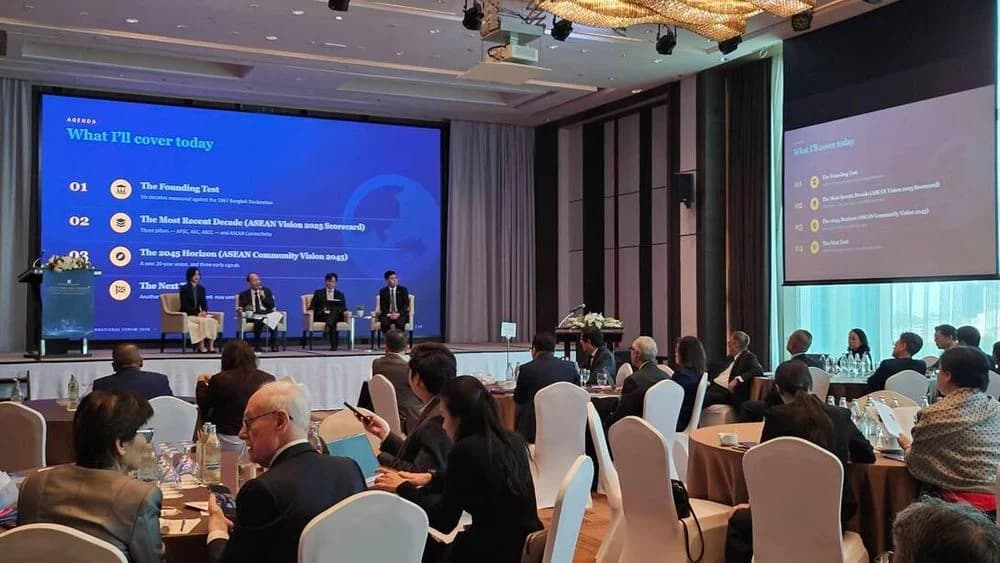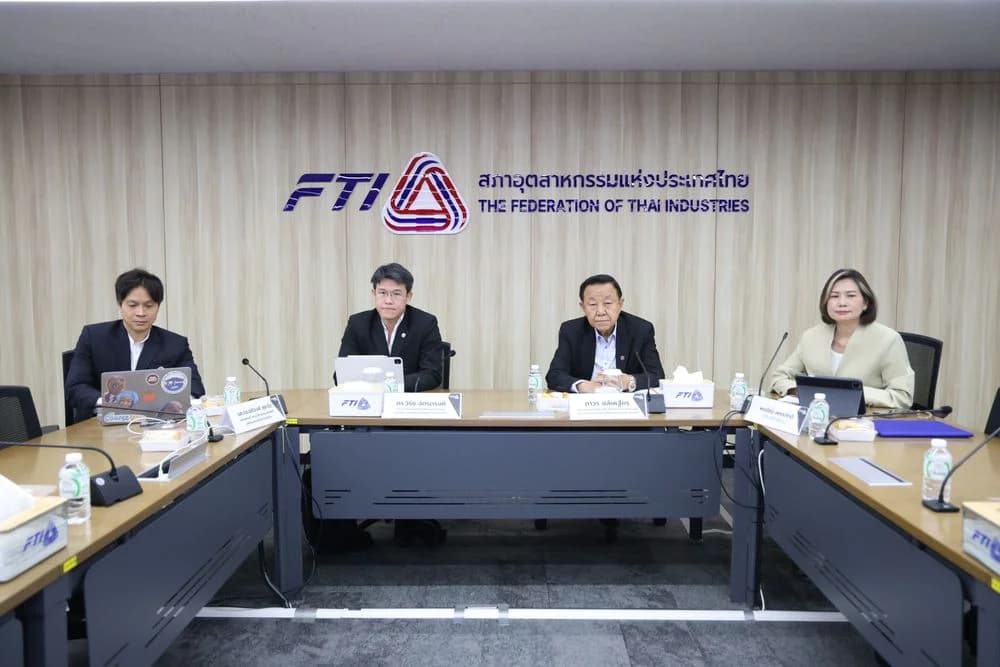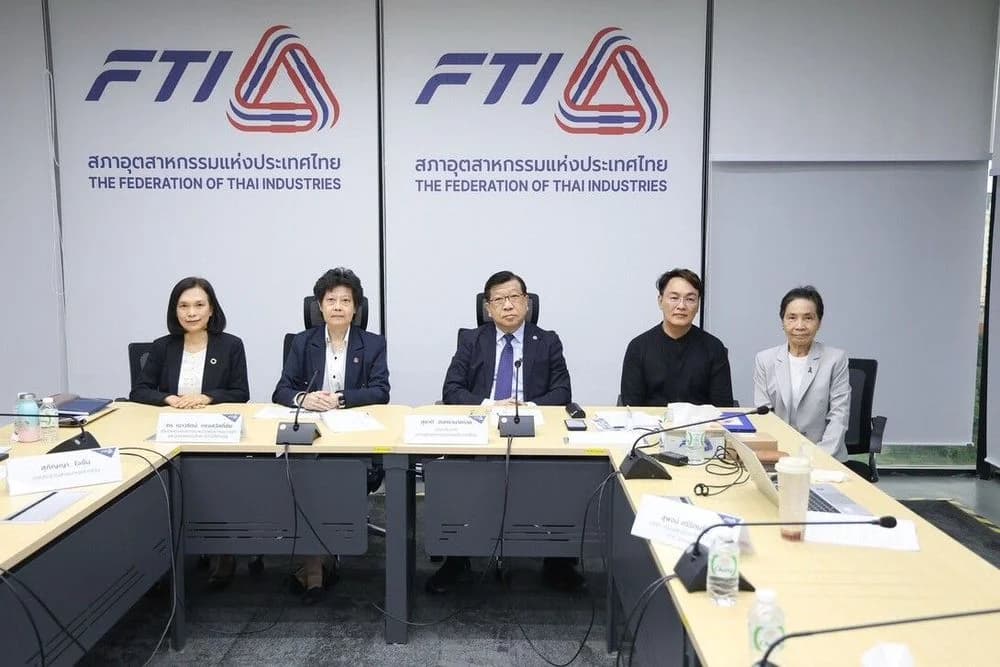
เมื่อวันอังคารที่ 17 กันยายน 2567 สภาอุตสาหกรรมแห่งประเทศไทย (ส.อ.ท) โดยสายงานอาเซียนและโลจิสติกส์ จัดประชุมเชิงปฏิบัติการ (Workshop) ในหัวข้อ “การทดลองขนส่งสินค้าจากไทยไปสหภาพยุโรปด้วยรถไฟความเร็วจีนภายใต้ยุทธศาสตร์ BRI (รูปแบบรางเชื่อมราง : ไทย-ลาว-จีน-ยุโรป)” นำโดยนายเวทิต โชควัฒนา รองประธาน ส.อ.ท.และประธานสายงานอาเซียนและโลจิสติกส์ พร้อมด้วย กรรมการสายงานอาเซียนและโลจิสติกส์ และ สมาชิกของกลุ่มอุตสาหกรรม ณ ห้องประชุม Passion (802) ส.อ.ท.
การศึกษาและจัดทำโครงการดังกล่าว เกิดจากสถานการณ์การเปลี่ยนแปลงทางภูมิทัศน์ของเส้นทางการขนส่งสินค้าทางทะเลที่ผ่านมาเป็นระยะ อาทิ 1) ความไม่แน่นอนที่เกิดจากปัญหาของทะเลแดง (Red Sea) 2) ข้อจำกัดการขนส่งผ่านช่องแคบมะละกา และ 3) การหมุนเวียนของตู้คอนเทนเนอร์ รวมถึงราคาค่าระวางทางเรือที่ปรับตัวสูงขึ้น เป็นต้น จึงเห็นถึงโอกาสความเป็นไปได้จากเส้นทางโครงข่ายเชื่อมโยงทางรถไฟความเร็วของจีนภายใต้ยุทธศาสตร์ (BRI : Belt and Road Initiative) โดยมีเป้าหมายกำหนดไว้ 3 ส่วน ประกอบด้วย 1) การขนส่งผ่านทางรางจากไทยเข้าไปยังภูมิภาคยุโรป 2) การขนส่งผ่านทางรางเชื่อมโยงกับภาคตะวันตกของจีน 3) การขนส่งเชื่อมโยงกับแนวคิดพัฒนา Land Bridge ของไทย
จากการประชุม ได้มีข้อคิดเห็นถึงปัจจัยที่อาจจะเป็นอุปสรรคและได้ให้คณะทำงานนำไปพิจารณา ประกอบด้วย 1) กระบวนการด้านพิธีการศุลกากรที่จะเป็นรอยต่อผ่านในหลายจุดทั้ง สปป.ลาว จีนและยุโรป 2) ค่าใช้จ่ายในการขนส่งและโลจิสติกส์รวมยังสูงเมื่อเปรียบเทียบกับการขนส่งทางเรือ และได้สรุปผลการประชุม ความพร้อมของสมาชิกออกมาได้จำนวน 7 บริษัท ที่จะได้มีการลงรายละเอียดด้านเอกสารที่จะทำการทดลองขนส่งต่อไป ทั้งนี้ ได้วางแผนการทดลอง (ประมาณการ) ไว้ในช่วงเดือนพฤศจิกายน 2567 นี้
On Tuesday, September 17, 2024, the Federation of Thai Industries (FTI), through the ASEAN and Logistics Sector, organized a workshop titled “Testing Freight Transport from Thailand to the European Union via Chinese High-Speed Rail under the BRI Strategy (Rail Link Model: Thailand-Laos-China-Europe),” led by Mr. Vetit Chokwatthanachai, Vice President of FTI and Chairman of the ASEAN and Logistics Sector, along with committee members from the ASEAN and Logistics Sector and members of the industrial group at the Passion meeting room (802), FTI.
The study and project formulation resulted from the changing landscape of maritime freight transport in recent times, such as 1) uncertainties arising from issues in the Red Sea, 2) limitations on transport through the Strait of Malacca, and 3) container turnover, including the rising shipping rates. Therefore, there is an opportunity to explore the feasibility of the Chinese high-speed rail network under the Belt and Road Initiative (BRI), which has set three main objectives: 1) transport via rail from Thailand to the European region, 2) transport via rail connecting with western China, and 3) transport linked with Thailand's Land Bridge development concept.
During the meeting, feedback was given regarding factors that may pose obstacles, which the task force will consider, including: 1) customs procedures that may be bottlenecks at several points in Laos, China, and Europe, 2) transportation and logistics costs remaining high compared to sea transport. The meeting concluded with 7 companies confirming their readiness to proceed with the necessary documentation for the trial shipment. A trial plan is scheduled for November 2024.