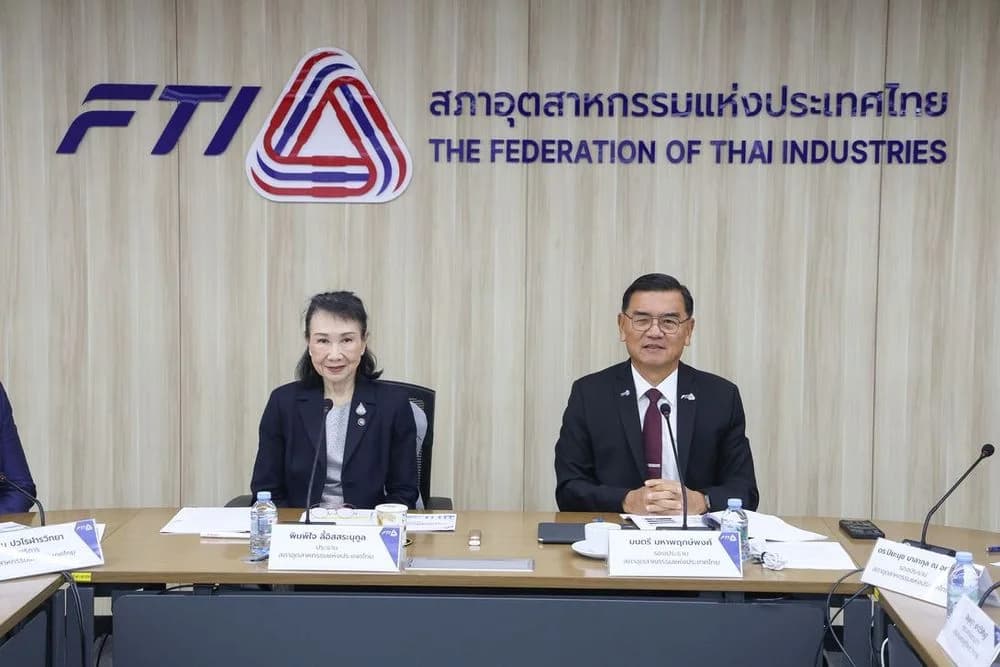

วันที่ 16 ตุลาคม 2567 นายอภิชิต ประสพรัตน์ รองประธานสภาอุตสาหกรรมแห่งประเทศไทย (ส.อ.ท.) ร่วมงานแถลงข่าวเปิดตัว “โครงการฟื้นฟูเศรษฐกิจ” โดยมีนางสาวแพทองธาร ชินวัตร นายกรัฐมนตรี เป็นประธาน และมีนายภูมิธรรม เวชยชัย รองนายกรัฐมนตรีและรัฐมนตรีว่าการกระทรวงกลาโหม นายพิชัย นริพทะพันธุ์ รัฐมนตรีว่าการกระทรวงพาณิชย์ นายพิพัฒน์ รัชกิจประการ รัฐมนตรีว่าการกระทรวงแรงงาน นายนภินทร ศรีสรรพางค์ รัฐมนตรีช่วยว่าการกระทรวงพาณิชย์ นายสุชาติ ชมกลิ่น รัฐมนตรีช่วยว่าการกระทรวงพาณิชย์ พร้อมด้วยหน่วยงานภาครัฐ ภาคเอกชนและสื่อมวลชนเข้าร่วมงาน ณ ตึกสันติไมตรี (หลังใน) ทำเนียบรัฐบาล
นายจิรายุ ห่วงทรัพย์ โฆษกประจำสำนักนายกรัฐมนตรี เปิดเผยว่านางสาวแพทองธาร กล่าวเปิด “โครงการฟื้นฟูเศรษฐกิจ” โดยย้ำว่ารัฐบาลให้ความสำคัญกับนโยบายการกระตุ้นเศรษฐกิจอย่างต่อเนื่อง ซึ่งเมื่อเดือนที่ผ่านมา เศรษฐกิจไทยถูกกระตุ้นครั้งใหญ่ใน “โครงการเงินหมื่นฟื้นเศรษฐกิจ” เป็นการสร้างการหมุนเวียนของเงิน สร้างโอกาสทางเศรษฐกิจให้พี่น้องประชาชนที่กำลังเดือดร้อน ผ่านกลุ่มเปราะบาง ผู้ถือบัตรสวัสดิการแห่งรัฐและคนพิการ ซึ่งได้รับผลตอบรับที่ดีมาก ส่งผลให้ประชาชนได้ตั้งตัวใหม่จากโครงการนี้ และนำไปใช้จ่ายในครัวเรือน และพบว่ายังสามารถนำไปลงทุนทำมาค้าขาย สร้างหรือต่อยอดธุรกิจพร้อมรับโอกาสดีๆ ที่จะเข้ามา
นอกจากนี้ นางสาวแพทองธาร ยังกล่าวถึง โครงการพื้นฟูเศรษฐกิจว่าเป็นสิ่งที่สำคัญ เพื่อกระตุ้นเศรษฐกิจไทยอย่างต่อเนื่อง ซึ่งจะช่วยส่งเสริมให้ “โครงการเงินหมื่นฟื้นเศรษฐกิจ” เกิดประสิทธิภาพสูงสุดและคุ้มค่าภาษีมากที่สุด โดยในรอบนี้จะเน้นไปที่ผู้ประกอบการรายเล็กซึ่งถือเป็นร้อยละ 90 ของผู้ประกอบการทั้งหมด โดยโครงการฟื้นฟูเศรษฐกิจเพื่อ “ลดรายจ่าย เพิ่มรายได้ ขยายโอกาส” นี้มีระยะเวลาทั้งสิ้น 5 เดือน และได้ดำเนินการไปแล้วตั้งแต่เดือนกันยายนและจะยาวไปจนถึงมกราคมปีหน้า
ทั้งนี้ รายละเอียดโครงการ มีดังนี้
ส่วนที่ 1 การลดต้นทุนให้ผู้ประกอบการรายเล็ก โดยการลดค่าเช่าร้านค้า ค่าเช่าแผงในพื้นที่หน่วยงานราชการและพื้นที่เอกชนที่เข้าร่วม อย่างเช่นในพื้นที่กรุงเทพมหานคร
ส่วนที่ 2 การเพิ่มพื้นที่ค้าขายให้ผู้ประกอบการรายเล็ก โดยการสนับสนุนพื้นที่จากหน่วยงานราชการ และพื้นที่ของเอกชน ให้ผู้ประกอบรายเล็กมีช่องทางทำมาค้าขายเพิ่มขึ้น ซึ่งมีหลายหน่วยงานให้ความร่วมมือ เช่น กระทรวงกลาโหมได้นำพื้นที่ค่ายทหารมาทำเป็นตลาดนัด กระทรวงมหาดไทยใช้ลานหน้าศาลากลางจังหวัด รวมไปถึงมีการจัดตลาดพาณิชย์กว่า 1,300 ครั้ง ในหลายพื้นที่ทั่วประเทศ
ส่วนที่ 3 การลดค่าครองชีพให้ประชาชน ด้วยการจับมือผู้ผลิตและผู้ค้าส่งรายใหญ่ เพื่อลดราคาสินค้าอุปโภค บริโภค และจัดงานมหกรรมลดราคาสินค้า โดยมีภาคเอกชนทั้งผู้ผลิตรายใหญ่ ห้างสรรพสินค้า ผู้ให้บริการในปั๊มน้ำมันและแพลตฟอร์มค้าขายออนไลน์รวม 130 ราย รวมทั้งร้านสาขาย่อยกว่าแสนสาขา ครอบคลุมทั้งประเทศ ให้ความร่วมมือในการลดราคาสินค้าในโครงการนี้
ทั้งนี้ รัฐบาลคาดการณ์ว่าจะสามารถกระตุ้นเศรษฐกิจได้มากถึง 110,000 ล้านบาท ซึ่งเป็นผลลัพธ์ของการผนึกกำลังกันอย่างเข้มแข็งของทุกฝ่าย เพื่อฟื้นฟูเศรษฐกิจของประเทศ โดยภาครัฐเป็นผู้ขับเคลื่อนนโยบาย ส่วนภาคเอกชนมีบทบาทสำคัญในการสนับสนุนการดำเนินงานให้เกิดผลอย่างเป็นรูปธรรม
On October 16, 2024, Mr. Apichit Prasoprat, Vice Chairman of the Federation of Thai Industries (FTI), participated in a press conference to launch the “Economic Recovery Initiative,” presided over by Ms. Phaethongtarn Shinawatra, the Prime Minister. The event also featured Deputy Prime Minister and Minister of Defence General Prawit Wongsuwon, Minister of Commerce Mr. Jurin Laksanawisit, Minister of Labour Mr. Suchart Thada-Thamrongvech, Deputy Minister of Commerce Mr. Noppadol Srisamran, and other governmental and private sector entities, as well as the media, convening at the Santimaitri Building (Inner) at Government House.
Mr. Jirayu Huangsap, spokesperson for the Prime Minister's Office, revealed that Ms. Phaethongtarn emphasized the government's commitment to continuous economic stimulation policies. Last month, the Thai economy experienced a substantial boost through the “One Hundred Thousand Baht Economic Recovery Fund,” aimed at generating economic circulation and opportunities for citizens facing difficulties, particularly vulnerable groups, welfare cardholders, and disabled individuals, which received a very positive response. This initiative enabled citizens to establish new livelihoods and invest in their households, while also allowing them to engage in trade and expand their businesses to seize upcoming opportunities.
Moreover, Ms. Phaethongtarn described the Economic Recovery Initiative as vital for continuously stimulating the Thai economy. It aims to enhance the effectiveness of the “One Hundred Thousand Baht Economic Recovery Fund” to maximize taxpayers' value. This phase will particularly focus on small-scale entrepreneurs, who constitute approximately 90% of all businesses. The Economic Recovery Initiative, aimed at “reducing expenses, increasing incomes, and expanding opportunities,” will span five months, having commenced in September and continuing until January of the following year.
The project's details are as follows:
Part 1 involves reducing costs for small-scale entrepreneurs by lowering rental fees for retail spaces and booths in public agency areas and participating private properties, such as in Bangkok.
Part 2 focuses on increasing trading space for small-scale entrepreneurs by supporting areas from government agencies and private properties, allowing them new avenues for trade. Various agencies have cooperated, such as the Ministry of Defence, which has converted military camp areas into markets, and the Ministry of Interior, which has utilized the front yard of provincial halls. Moreover, there have been over 1,300 commercial fairs held across numerous regions nationwide.
Part 3 addresses the reduction of living costs for citizens by collaborating with large producers and wholesalers to lower prices on consumer goods and organizing major sales events, involving 130 private sector entities, including major manufacturers, department stores, service providers at gas stations, and online trading platforms, alongside over 100,000 branch locations nationwide cooperating in price reduction initiatives.
The government anticipates that this effort could stimulate the economy by as much as 110 billion baht, resulting from the strong collaboration across all sectors to revitalize the country's economy, with the government driving policies and the private sector playing a crucial role in supporting tangible outcomes.