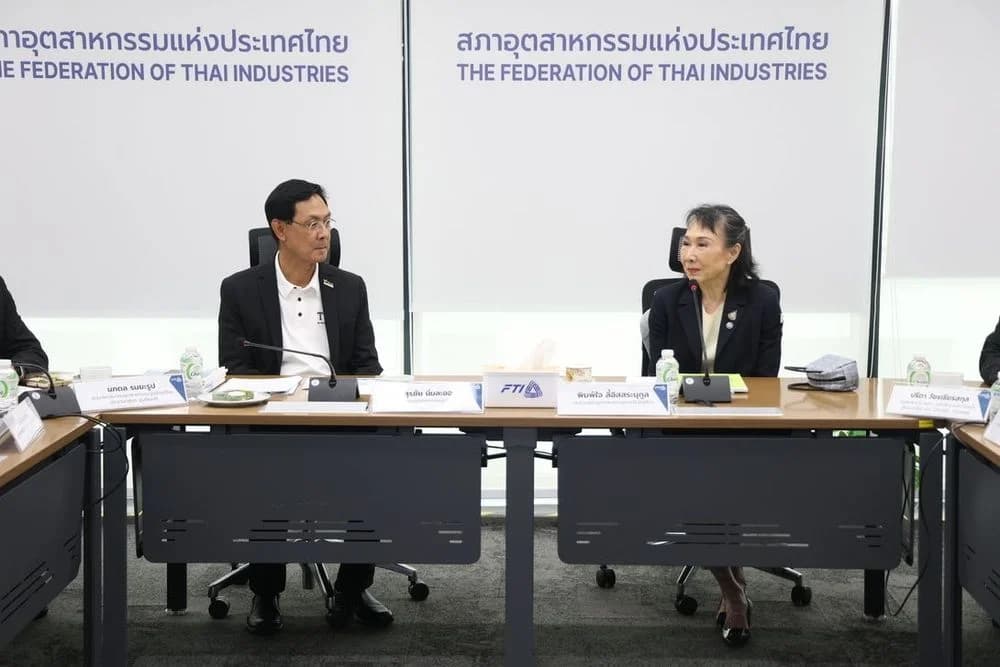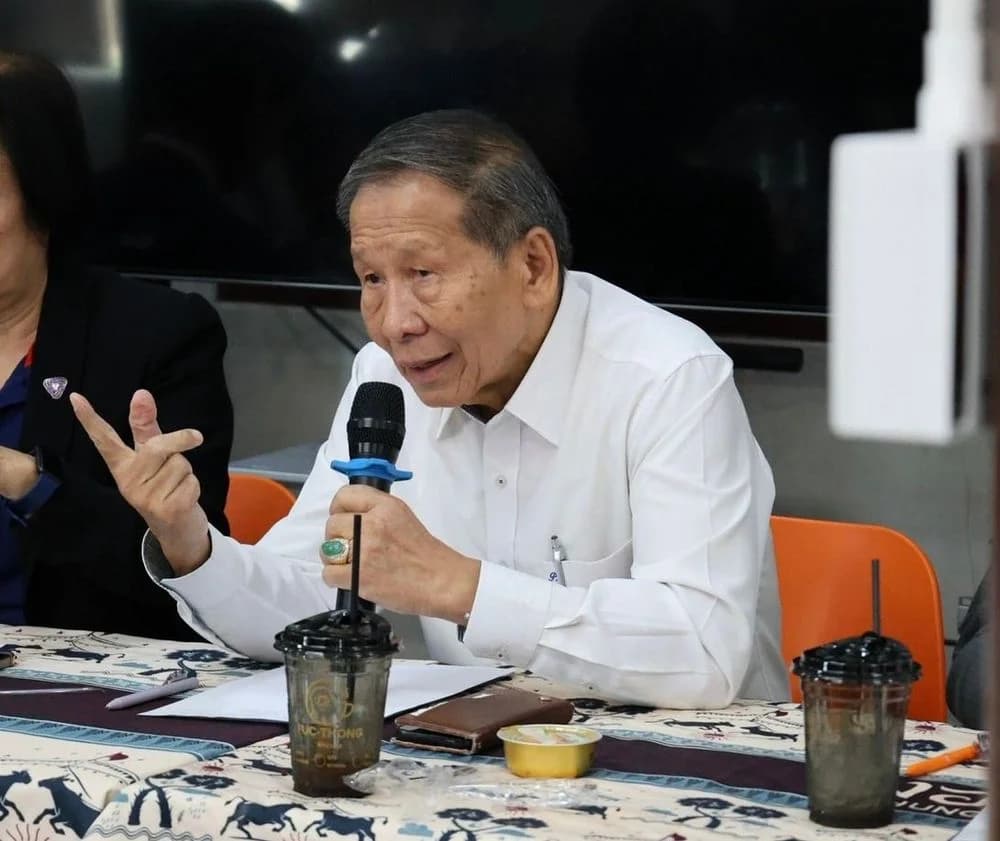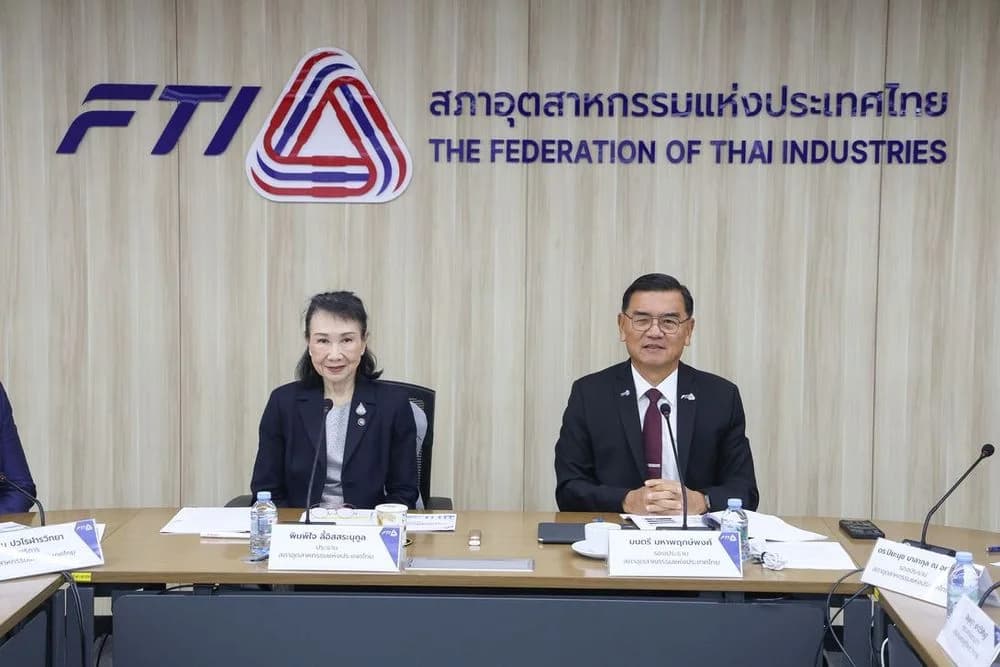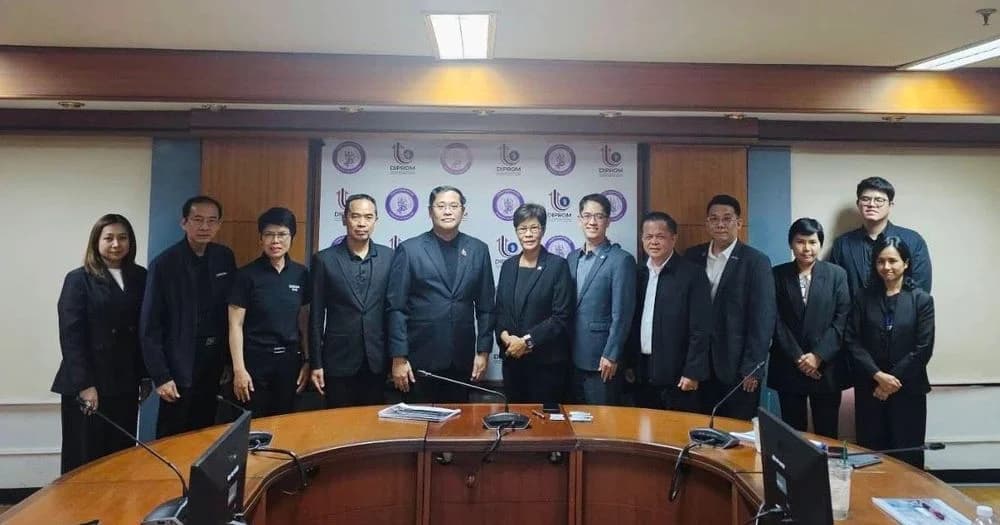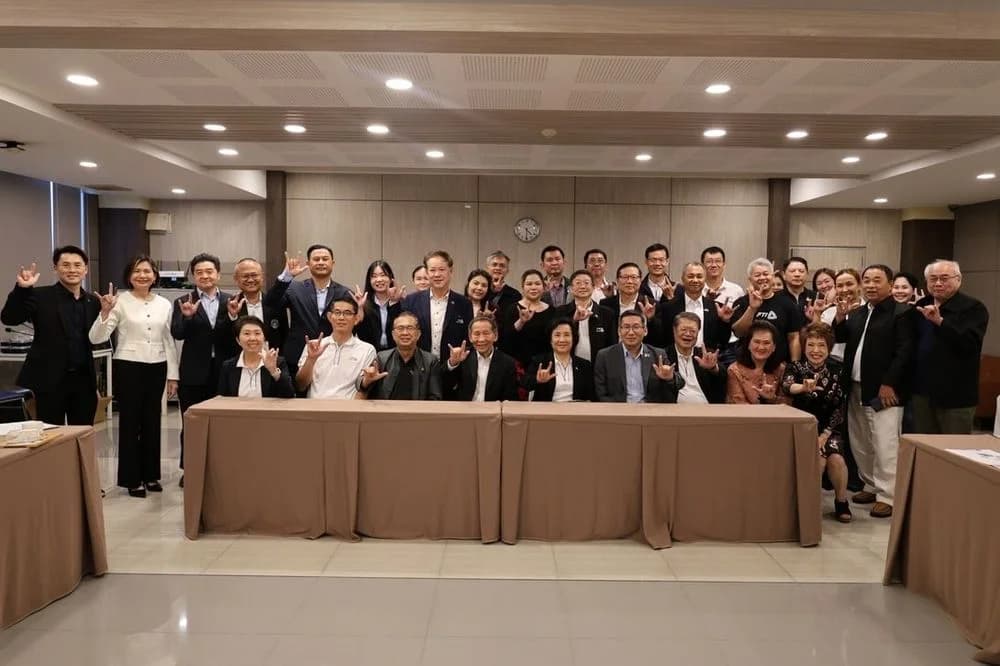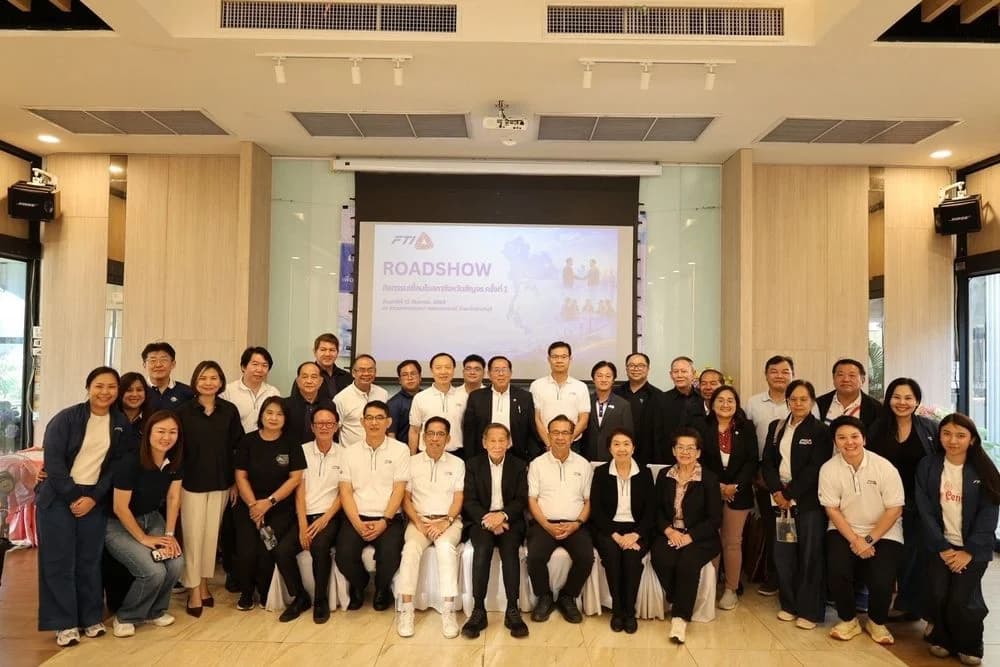

เมื่อวันที่ 29 มิถุนายน 2569 ดร.ชยธรรม์ พรหมศร ปลัดกระทรวงคมนาคม เข้าร่วมบรรยายพิเศษในหัวข้อ "นโยบายด้านโลจิสติกส์และการพัฒนาโครงสร้างพื้นฐานของประเทศ" ในการประชุมคณะกรรมการสภาอุตสาหกรรมแห่งประเทศไทย (ส.อ.ท.) ครั้งที่ 5/2569 (3) โดยมีนายปัญญา ชูพานิช รองปลัดกระทรวงคมนาคม นายทรงยศินทร์ ชนปทาธิป ผู้ตรวจราชการกระทรวงคมนาคม นายปิยพงษ์ จิวัฒนกุลไพศาล อธิบดีกรมทางหลวง และนายจิรโรจน์ ศุกลรัตน์ ผู้อำนวยการสำนักงานนโยบายและแผนการขนส่งและจราจร (สนข.) เข้าร่วม ณ ศูนย์การประชุมแห่งชาติสิริกิติ์
ดร.ชยธรรม์ กล่าวว่า ภารกิจสำคัญของกระทรวงคมนาคม คือ การพัฒนาระบบขนส่งเพื่อให้ประชาชนและภาคธุรกิจสามารถเดินทางและขนส่งสินค้าได้อย่างสะดวก ปลอดภัย ตรงเวลา มีต้นทุนที่เหมาะสม และเป็นมิตรต่อสิ่งแวดล้อม โดยมีระบบคมนาคมทั้ง 4 รูปแบบ ได้แก่ ทางถนน ทางราง ทางน้ำ และทางอากาศ เป็นกลไกหลักในการขับเคลื่อนประเทศ
นอกจากการลงทุนด้านโครงสร้างพื้นฐานแล้ว กระทรวงยังให้ความสำคัญกับการพัฒนากฎหมาย กฎระเบียบ และหน่วยงานกำกับดูแล เพื่อยกระดับประสิทธิภาพการให้บริการด้านคมนาคมและโลจิสติกส์ให้สอดคล้องกับเป้าหมายการพัฒนาประเทศ
ปัจจุบัน ประเทศไทยยังเผชิญความท้าทายหลายด้าน ทั้งปัญหาการจราจร อุบัติเหตุ มลพิษ และต้นทุนการขนส่งสินค้าที่อยู่ในระดับสูง กระทรวงจึงเดินหน้าปฏิรูประบบคมนาคมไทย ภายใต้ยุทธศาสตร์การพัฒนาระบบคมนาคมขนส่งระยะ 20 ปี เพื่อยกระดับประสิทธิภาพการเดินทางทั้งในเมืองและระหว่างเมือง พร้อมสนับสนุนการเติบโตทางเศรษฐกิจอย่างยั่งยืน
ในด้านการขนส่งทางราง ซึ่งเป็นหัวใจสำคัญของการลดต้นทุนโลจิสติกส์ ประเทศไทยยังมีข้อจำกัด ทั้งปัญหาความล่าช้าในการเดินรถและการเชื่อมต่อระหว่างระบบขนส่งที่ยังไม่สมบูรณ์ กระทรวงจึงมุ่งผลักดันการเปลี่ยนรูปแบบการขนส่งจาก "ถนนสู่ราง" เพื่อเพิ่มสัดส่วนการขนส่งสินค้าทางรถไฟ ลดต้นทุนโลจิสติกส์ของประเทศ และเพิ่มขีดความสามารถในการแข่งขันของภาคอุตสาหกรรมไทย
แนวทางสำคัญ คือ ภาครัฐลงทุนพัฒนาโครงสร้างพื้นฐานด้านระบบราง ขณะที่ภาคเอกชนเข้ามามีบทบาทในการให้บริการเดินรถ การลงทุนศูนย์เปลี่ยนถ่ายสินค้า (Intermodal Terminal) และการบริหารจัดการด้านโลจิสติกส์ เพื่อสร้างระบบที่มีประสิทธิภาพและตอบโจทย์ภาคธุรกิจมากยิ่งขึ้น
สำหรับการดำเนินงานที่อยู่ระหว่างการผลักดัน ประกอบด้วย
• การพัฒนาโครงสร้างพื้นฐาน เช่น โครงการรถไฟทางคู่ทั่วประเทศ
• การพัฒนากฎหมายและกฎระเบียบ อาทิ การจัดตั้งกรมการขนส่งทางราง และการผลักดันพระราชบัญญัติการขนส่งทางราง
• การยกระดับสิ่งอำนวยความสะดวกด้านการคมนาคม เช่น การพัฒนาสถานีกลางกรุงเทพอภิวัฒน์ให้เป็นศูนย์กลางระบบราง
• การส่งเสริมให้เกิดผู้ให้บริการด้านโลจิสติกส์แบบครบวงจร
ดร.ชยธรรม์ ระบุว่า การลดต้นทุนโลจิสติกส์จะเกิดขึ้นได้อย่างมีประสิทธิภาพ เมื่อสามารถเชื่อมโยงการดำเนินงานของผู้ประกอบการทุกส่วนเข้าด้วยกัน ทั้งผู้บริหารท่าเรือ ผู้ให้บริการรถไฟ ผู้บริหาร Dry Port และการมีกฎหมายรองรับที่เอื้อต่อการแข่งขัน เพื่อให้เกิด Single Operator Ecosystem ที่สามารถบริหารการขนส่งได้อย่างไร้รอยต่อ
อีกหนึ่งโครงการสำคัญที่กระทรวงคมนาคมเร่งผลักดัน คือ MR-Map (Motorway-Railway Map) ซึ่งเป็นแผนบูรณาการการพัฒนาโครงข่ายทางหลวงพิเศษระหว่างเมืองและระบบรางให้ใช้แนวเส้นทางเดียวกัน เพื่อลดการเวนคืนที่ดิน ลดผลกระทบต่อประชาชน ลดต้นทุนการก่อสร้าง และเพิ่มประสิทธิภาพการเชื่อมโยงการเดินทางและการขนส่งสินค้าของประเทศ
ปัจจุบัน กระทรวงได้กำหนดแนวเส้นทาง MR-Map รวม 10 เส้นทางทั่วประเทศ และคัดเลือก 4 เส้นทางนำร่อง ได้แก่ MR1, MR10, MR8 และ MR2 เพื่อเร่งขับเคลื่อนการลงทุนในระยะแรก โดยมีเป้าหมายสร้างโครงข่ายคมนาคมที่เชื่อมโยงถนน รถไฟ ท่าเรือ และศูนย์โลจิสติกส์เข้าด้วยกันอย่างเป็นระบบ รองรับการเติบโตของเศรษฐกิจในอนาคต และผลักดันประเทศไทยสู่การเป็นศูนย์กลางโลจิสติกส์ของภูมิภาค
สำหรับ MR1 เป็นโครงการต้นแบบที่บูรณาการ Marine + Motorway + Rail เชื่อมพื้นที่นครสวรรค์สู่จังหวัดสมุทรสาครและอ่าวไทย โดยออกแบบให้การขนส่งทางน้ำ ทางถนน และทางรางทำงานร่วมกันอย่างไร้รอยต่อ เพื่อลดข้อจำกัดของเส้นทางเดิม อาทิ ความคดเคี้ยวของแม่น้ำเจ้าพระยา การที่เส้นทางรถไฟผ่านพื้นที่ชุมชน และคอขวดด้านโลจิสติกส์หลายจุด
โครงการดังกล่าวจะพัฒนาโครงสร้างพื้นฐานรูปแบบใหม่ ทั้งมอเตอร์เวย์ เส้นทางรถไฟ และโครงข่ายทางน้ำที่เชื่อมต่อกันอย่างเป็นระบบ ซึ่งจะช่วยเพิ่มประสิทธิภาพการขนส่งสินค้า ลดระยะเวลา ลดต้นทุนโลจิสติกส์ และเพิ่มศักยภาพการแข่งขันของภาคอุตสาหกรรมไทยในระยะยาว
“รัฐและเอกชน จำเป็นต้องวางภาพอนาคตสุดท้ายด้วยกันและร่วมมือกันผลักดันไปด้วยกัน งานของคมนาคม ใช้เวลานานในการพัฒนา จะต้องเห็นภาพ Network Level ทั้งหมด และพัฒนา Project Level ตามแผน ตอนนี้ภาพเราชัด ที่เหลือคือกระบวนการ ที่ต้องเร่งรัดดำเนินการ” ดร.ชยธรรม์ กล่าวเสริม
นางพิมพ์ใจ ลี้อิสสระนุกูล ประธานสภาอุตสาหกรรมแห่งประเทศไทย (ส.อ.ท.) กล่าวว่า “ขอขอบคุณ ดร.ชยธรรม์ พรหมศร ปลัดกระทรวงคมนาคม ที่ให้เกียรติมาบรรยายและแลกเปลี่ยนมุมมองกับคณะกรรมการ ส.อ.ท. ในครั้งนี้ ซึ่งเป็นประโยชน์อย่างยิ่งต่อภาคอุตสาหกรรมไทย เพราะนโยบายด้านโลจิสติกส์และการพัฒนาโครงสร้างพื้นฐานถือเป็นรากฐานสำคัญของการพัฒนาเศรษฐกิจและการเพิ่มขีดความสามารถในการแข่งขันของประเทศ
การพัฒนาโครงข่ายคมนาคมที่เชื่อมโยงทั้งระบบ ไม่ว่าจะเป็นทางถนน ทางราง ทางน้ำ และทางอากาศ รวมถึงการผลักดันโครงการสำคัญอย่าง MR-Map จะช่วยยกระดับประสิทธิภาพการขนส่ง ลดต้นทุนโลจิสติกส์ และเพิ่มโอกาสในการลงทุนของภาคอุตสาหกรรมในระยะยาว
ส.อ.ท. พร้อมเป็นพันธมิตรกับภาครัฐในการร่วมผลักดันนโยบายและรับฟังความคิดเห็นจากภาคเอกชน เพื่อให้การพัฒนาโครงสร้างพื้นฐานสอดคล้องกับความต้องการของภาคอุตสาหกรรม รองรับการเปลี่ยนแปลงในอนาคต และเสริมสร้างศักยภาพของประเทศไทยสู่การเป็นศูนย์กลางด้านโลจิสติกส์และการผลิตของภูมิภาคอย่างยั่งยืน”
On June 29, 2026, Dr. Chayatham Phromsorn, Permanent Secretary of the Ministry of Transport, delivered a special lecture on "Logistics Policies and National Infrastructure Development" at the 5th/2026 (3) meeting of the Federation of Thai Industries (FTI). Attendees included Mr. Panya Chuphanit, Deputy Permanent Secretary of the Ministry of Transport, Mr. Songyothin Chanpathadhip, Inspector General of the Ministry of Transport, Mr. Piyapong Jivatanakulpaisarn, Director-General of the Department of Highways, and Mr. Jiroj Suklarat, Director of the Office of Transport Policy and Planning (OTP), at the Queen Sirikit National Convention Center.
Dr. Chayatham stated that the important mission of the Ministry of Transport is to develop the transport system to ensure that citizens and businesses can travel and transport goods conveniently, safely, on time, at reasonable costs, and in an environmentally friendly manner. This involves four modes of transportation: road, rail, water, and air, serving as the main mechanisms to drive the country forward.
In addition to investing in infrastructure, the Ministry also emphasizes the development of laws, regulations, and regulatory agencies to enhance the efficiency of transport and logistics services in line with national development goals.
Currently, Thailand faces several challenges, including traffic congestion, accidents, pollution, and high transport costs. Therefore, the Ministry is moving forward with reforms in the Thai transportation system under a 20-year transportation development strategy to enhance travel efficiency both within cities and between them, while supporting sustainable economic growth.
In terms of rail transport, which is crucial for reducing logistics costs, Thailand still faces limitations such as delays in train operations and incomplete connections between transportation systems. Therefore, the Ministry aims to shift the transport mode from "road to rail" to increase the share of freight transported by rail, reduce the country’s logistics costs, and enhance the competitiveness of the Thai industrial sector.
A key approach involves government investment in developing rail infrastructure, while the private sector plays a role in providing rail services, investing in intermodal terminals, and managing logistics to create a system that is efficient and more responsive to business needs.
Current initiatives being promoted include:
• Development of infrastructure such as the nationwide double-track railway project
• Development of laws and regulations, e.g., establishing the Rail Transport Department and promoting the Rail Transport Act
• Upgrading transportation facilities, such as developing the Bangkok Interchange Station as a central railway hub
• Promoting comprehensive logistics service providers
Dr. Chayatham indicated that efficient logistics cost reduction will occur when all operators' operations—such as port managers, railway service providers, dry port managers, and supportive legislation for competition—are interconnected to establish a Single Operator Ecosystem that allows for seamless transportation management.
Another significant project that the Ministry of Transport is rapidly promoting is MR-Map (Motorway-Railway Map), which is an integrated plan for the development of intercity expressway networks and rail systems to share the same routing, aiming to reduce land expropriation, lessen the impact on communities, lower construction costs, and improve the connectivity of travel and goods transportation in the country.
Currently, the Ministry has set MR-Map routes totaling 10 routes nationwide and selected 4 pilot routes: MR1, MR10, MR8, and MR2, to accelerate initial investment. The goal is to create a transportation network that systematically connects roads, railways, ports, and logistics centers to support future economic growth and push Thailand towards becoming a logistics hub in the region.
For MR1, it is a prototype project that integrates Marine + Motorway + Rail, connecting Nakhon Sawan to Samut Sakhon Province and the Gulf of Thailand. It is designed to ensure that water, road, and rail transport work together seamlessly, addressing limitations of the old routes, such as the winding Chao Phraya River, railway passes through community areas, and various logistics bottlenecks.
This project will develop new infrastructure models, including motorways, rail routes, and interconnected water networks, which will enhance product transport efficiency, reduce time, lower logistics costs, and increase the long-term competitive potential of the Thai industrial sector.
“The government and the private sector must together envision the final future and collaborate on pushing forward. The work in transportation takes time to develop, and we need to see the entire Network Level picture and develop Project Level according to plans. Now our vision is clear; what remains is the process that needs to be expedited,” Dr. Chayatham added.
Mrs. Pimjai Leeissaranukul, President of the Federation of Thai Industries (FTI), expressed gratitude to Dr. Chayatham Phromsorn, Permanent Secretary of the Ministry of Transport, for honoring the lecture and sharing perspectives with the FTI Committee, which is highly beneficial to the Thai industrial sector. Logistics policies and infrastructure development are vital foundations for economic development and enhancing the nation's competitive capabilities.
The development of a transport network that connects all systems—road, rail, water, and air—together with the promotion of crucial projects such as MR-Map will help enhance transport efficiency, reduce logistics costs, and increase investment opportunities for the industrial sector in the long term.
FTI is ready to be a partner with the government in promoting policies and listening to the private sector's opinions to ensure that infrastructure development aligns with the industry’s needs, supporting future changes and reinforcing Thailand’s potential to become a regional logistics and manufacturing hub sustainably.