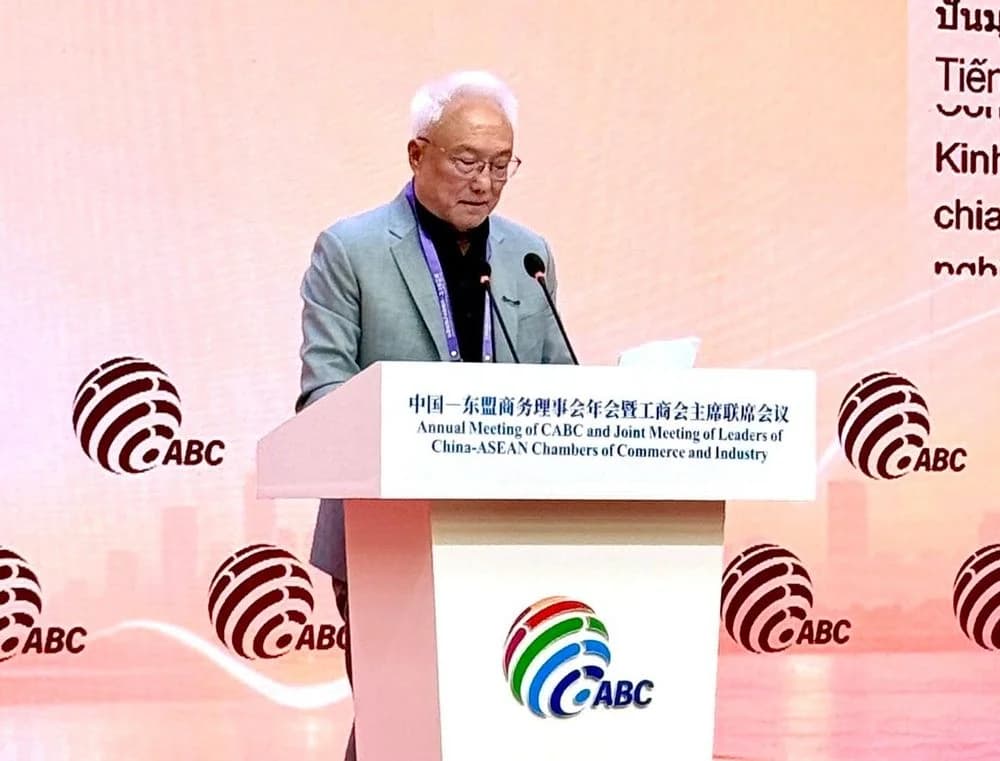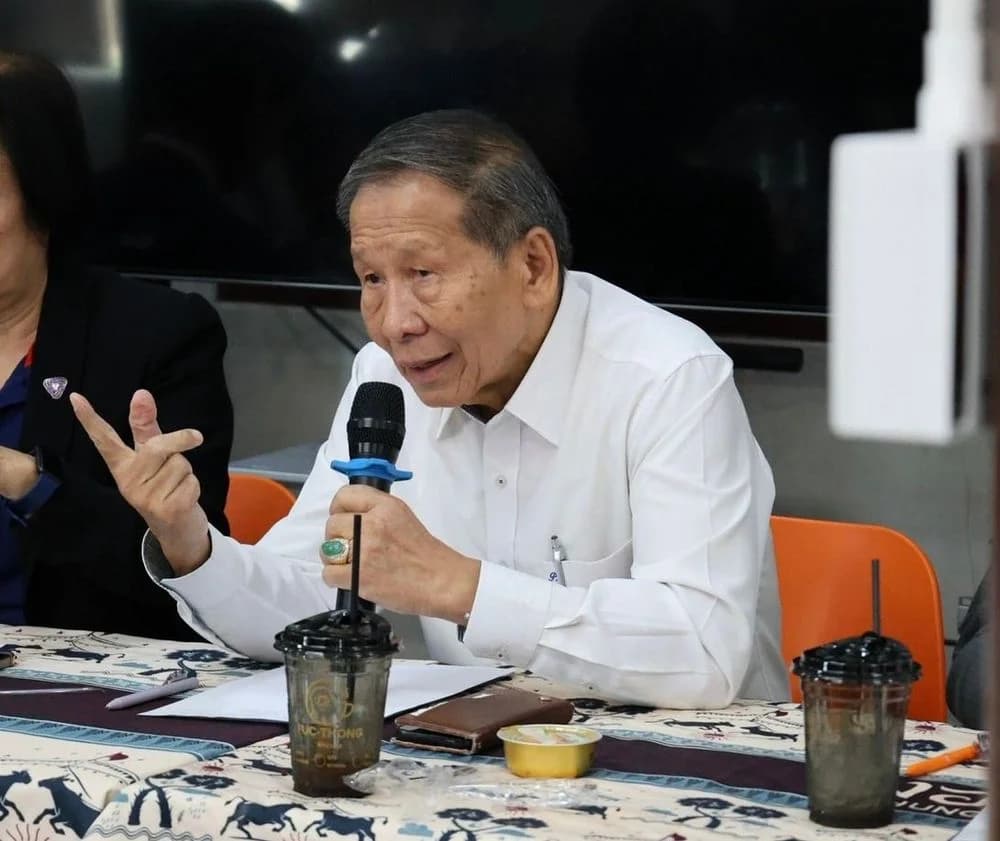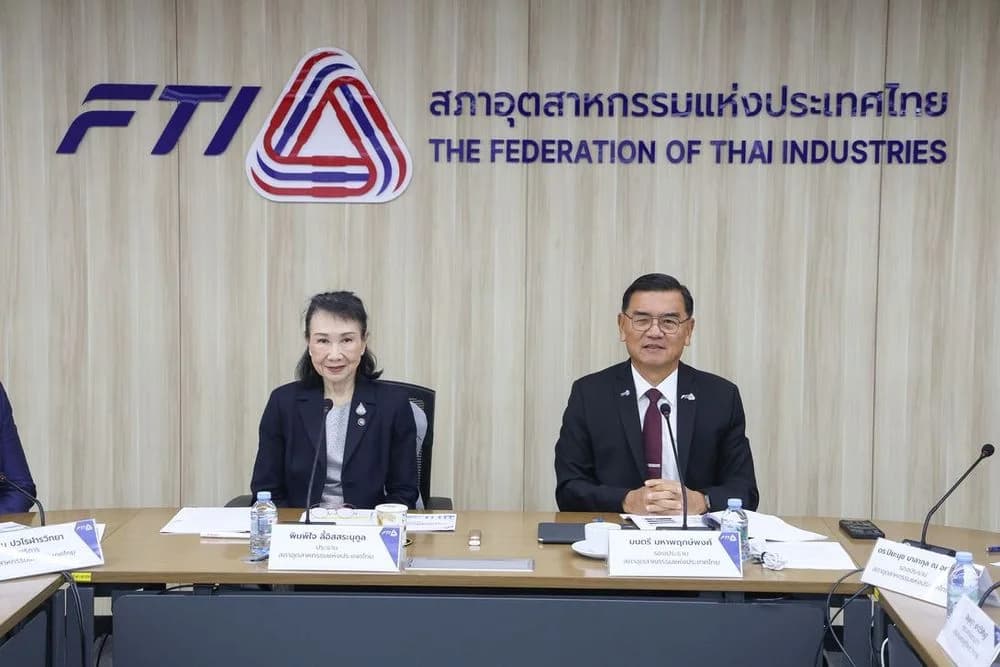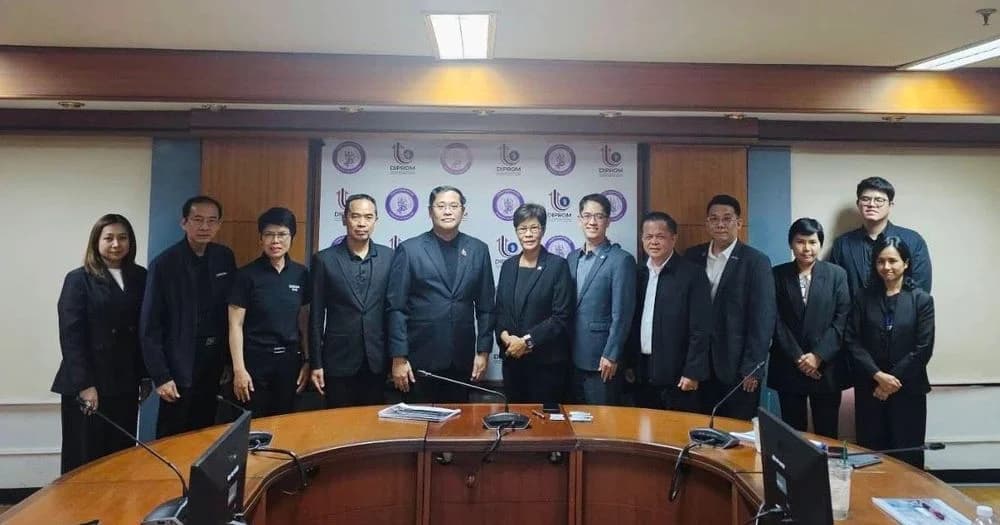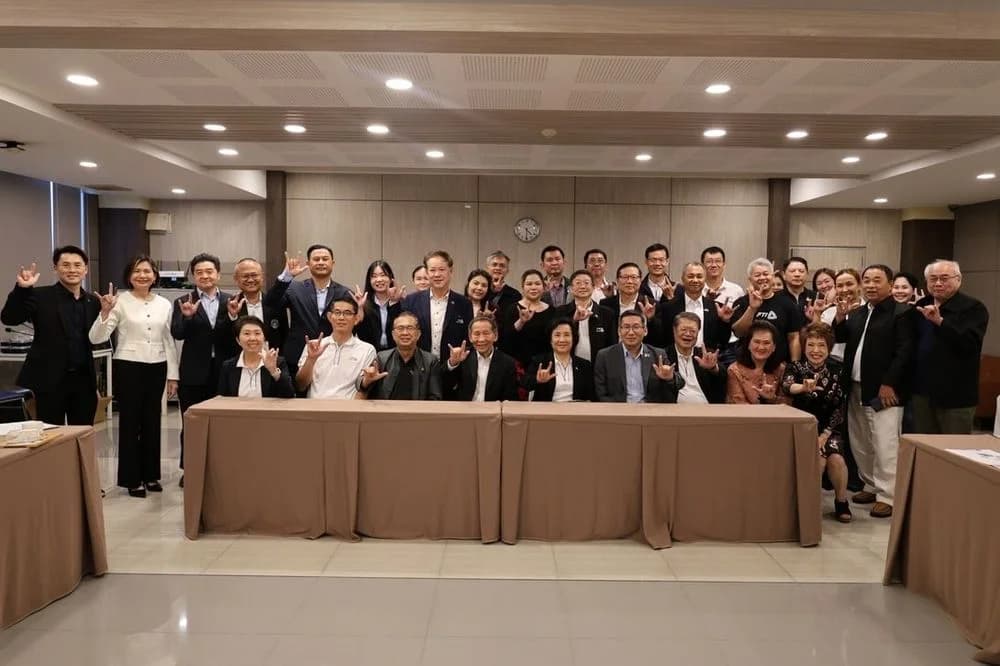
เมื่อวันที่ 27 พฤศจิกายน 2567 นายเกรียงไกร เธียรนุกุล ประธานสภาอุตสาหกรรมแห่งประเทศไทย (ส.อ.ท.) ได้ร่วมบรรยายพิเศษ งานเสวนาประจำปี “SPOTLIGHT DAY 2024” ภายใต้หัวข้อ “SUSTAINABILITY DISRUPTION ธุรกิจปรับ ก่อนถูกเปลี่ยน” โดยได้รับเกียรติจากนายเอกนัฏ พร้อมพันธุ์ รัฐมนตรีว่าการกระทรวงอุตสาหกรรม เป็นประธานในพิธีเปิด พร้อมกล่าวปาฐกถาพิเศษ จัดโดยบริษัท อมรินทร์ เทเลวิชั่น จำกัด ณ อาคารไทยเบฟ ควอเตอร์
นายเอกนัฏ เปิดเผยในการปาฐกถาพิเศษว่า ปัจจุบันโจทย์ใหม่ที่กำลังท้าทายประเทศไทยและของโลก คือ เรื่องของความยั่งยืน โดยการเปลี่ยนแปลงของโลกในปัจจุบันเกิดขึ้นเร็วและแรง ไม่ว่าจะเป็นเรื่องของสภาพภูมิอากาศ มลพิษ มลภาวะ อุทกภัย ภูมิรัฐศาสตร์ หรือสงครามการค้า
กลุ่มธุรกิจหลายธุรกิจยังคงได้รับผลกระทบจากการเปลี่ยนแปลงของเทคโนโลยีที่รวดเร็ว โดยส่งผลกระทบในมุมกว้าง ซึ่งจากการเปลี่ยนแปลงนี้ ส่งผลให้ทั่วโลกรวมถึงไทยต้องตอบโจทย์ใหม่ คือ โจทย์ของความยั่งยืน
ทั้งนี้ ความยั่งยืน จะต้องตอบโจทย์ในเรื่องของสิ่งแวดล้อมและเศรษฐกิจไปพร้อมกัน โดยต้องทำร่วมกัน เพื่อให้ประเทศสามารถต่อสู้กับความท้าทายได้ และหากเราก้าวข้ามผ่านความท้าทายได้ นั่นจะเป็นโอกาสของประเทศ
ด้านนายเกรียงไกร ได้ร่วมบรรยายพิเศษ หัวข้อ “โอกาสและอนาคตของอุตสาหกรรมไทยก้าวสู่ความยั่งยืน” โดยกล่าวว่า ธุรกิจจะต้องปรับก่อนที่จะถูกเปลี่ยน เนื่องจากเรื่องของความยั่งยืน ถือเป็นโจทย์ใหญ่และท้าทาย โดยช่วงที่ผ่านมา ไทยเผชิญกับความเสี่ยงและความท้าทายหลายด้านที่ทำให้ภาคอุตสาหกรรมต้องปรับตัว เช่น การเข้ามาของเทคโนโลยี ที่ส่งผลให้ภาคอุตสาหกรรมหลายกลุ่มปรับตัวไม่ทัน
ขณะที่ปัญหาภูมิรัฐศาสตร์ ก็ส่งผลให้เกิดการเปลี่ยนแปลงทั้งซัพพลายเชน รวมถึงสงครามการค้าระหว่างสหรัฐฯ กับจีน ได้ส่งผลกระทบต่อไทยอย่างมาก เนื่องจากทั้งสองประเทศเป็นคู่ค้าอันดับ 1 และ 2 ของไทย
และอีกหนึ่งความท้าทายใหญ่ คือ การเปลี่ยนแปลงสภาพภูมิอากาศ โดยปัจจุบัน ภาวะโลกร้อน ได้เข้าสู่การเป็นภาวะโลกเดือดแล้ว และมีแนวโน้มพุ่งสูงขึ้น อีกทั้งประเทศไทยในปี 2567 ค่า peak ไฟฟ้า ได้ทำลายสถิติ 8 รอบ นับว่าสูงที่สุดเป็นประวัติการณ์ และนับเป็นปัญหาที่ใหญ่มาก
นอกจากนี้ ปัจจุบัน มีมาตรการปรับคาร์บอนก่อนข้ามพรมแดน (CBAM) ที่สหภาพยุโรป (EU) กำหนดขึ้น ที่บังคับใช้ใน 5-6 อุตสาหกรรม โดยสินค้าประเภทใดในกระบวนการผลิต สร้างก๊าซเรือนกระจกมากเท่าไหร่ จะต้องเสียค่าปรับ ซึ่งเป็นโจทย์ที่สำคัญที่จะต้องรีบเร่งดำเนินการ เพราะประเทศไทย เป็นประเทศที่พึ่งพาการส่งออก แม้ว่าปัจจุบันจะมีสัดส่วนการส่งออกที่ลดลงก็ตาม
ทั้งนี้ การประชุม ‘COP29’ หรือการประชุมประเทศภาคี (Conference of the Parties) ครั้งที่ 29 ที่จัดขึ้น ณ กรุงบากู ประเทศอาเซอร์ไบจาน ระหว่างวันที่ 11 – 22 พฤศจิกายน 2567 ที่ผ่านมานั้น ไทยได้แสดงบทบาทการมีส่วนร่วมกับประเทศอื่นๆ ในการจัดการกับปัญหาการเปลี่ยนแปลงสภาพภูมิอากาศระดับโลก พร้อมผลักดันความพยายามของประเทศในการบรรลุความเป็นกลางทางคาร์บอน (Carbon Neutrality) และการปล่อยก๊าซเรือนกระจกสุทธิเป็นศูนย์ (Net Zero) โดยประเทศไทยได้เตรียมเสนอ 5 ประเด็นสำคัญ ดังนี้
1. ขับเคลื่อนแผนปฏิบัติการลดก๊าซเรือนกระจกของประเทศไทย เพื่อบรรลุการมีส่วนร่วมที่ประเทศกำหนด (Nationally Determined Contributions : NDCs) ที่จะลดการปล่อยก๊าซเรือนกระจก ภายในปี 2573 (ค.ศ. 2030) ซึ่งคาดว่าไทยจะสามารถลดก๊าซเรือนกระจกได้ 43% จากเป้าหมาย 30 – 40% หรือคิดเป็น 222 ล้านตันคาร์บอนไดออกไซด์เทียบเท่า (MtCO2eq)
2. ขับเคลื่อนแผนการปรับตัวต่อการเปลี่ยนแปลงสภาพภูมิอากาศ เพื่อให้หน่วยงานที่เกี่ยวข้อง บูรณาการประเด็นการปรับตัวต่อการเปลี่ยนแปลงสภาพภูมิอากาศ เข้าสู่แผนและยุทธศาสตร์ในรายสาขาและในพื้นที่ รวมถึงการจัดทำข้อมูลด้านภูมิอากาศและข้อมูลความเสี่ยงจากการเปลี่ยนแปลงสภาพภูมิอากาศระดับประเทศ
3. เร่งผลักดันพระราชบัญญัติการเปลี่ยนแปลงสภาพภูมิอากาศของประเทศไทย ที่คาดว่าจะบังคับใช้ในปี 2569 โดยเป็นเครื่องมือสำคัญสู่ Net Zero เช่น กำหนดให้จัดทำฐานข้อมูล และรายงานปริมาณการปล่อยก๊าซเรือนกระจก สร้างกลไกเพื่อลดการปล่อยก๊าซเรือนกระจกภาคบังคับ
4. นำเสนอตัวอย่างการสร้างความร่วมมือของทุกภาคส่วนที่เป็นรูปธรรม จากการประชุมภาคีขับเคลื่อนการปฏิบัติงานด้านการเปลี่ยนแปลงสภาพภูมิอากาศของไทย ครั้งที่ 3 (Thailand Climate Action Conference: TCAC 2024)
5. จัดส่งรายงานความโปร่งใสราย 2 ปี ซึ่งประเทศไทยกำหนดให้สามารถจัดส่งได้ภายในเดือนธันวาคม 2567 ตามกำหนดเวลา
นอกจากนี้ นายเกรียงไกร ยังฉายภาพอุตสาหกรรมไทยในอนาคต ว่าจะต้องมุ่งเน้นเรื่องการพัฒนาอุตสาหกรรมสีเขียว การใช้เทคโนโลยีสะอาด รวมทั้งการมุ่งสู่ Net Zero โดยมี “ความยั่งยืน” เป็นตัวตั้ง
ท้ายสุด นายเกรียงไกร กล่าวว่า ปัจจุบัน ส.อ.ท. มีทั้งสิ้น 47 กลุ่มอุตสาหกรรม โดยสิ่งที่ไทยจะต้องดำเนินการ คือ การส่งเสริมอุตสาหกรรมไทยทั้งอุตสาหกรรมเดิม ที่จะต้องยกระดับขีดความสามารถในการแข่งขัน และผลักดันอุตสาหกรรมใหม่ ซึ่งจะเป็นตัวสร้างเครื่องยนต์ใหม่ขับเคลื่อนเศรษฐกิจ และการพัฒนาอย่างยั่งยืน ซึ่งจะเป็นทางออกและโอกาสของประเทศต่อไป
On November 27, 2024, Mr. Kriangkrai Theeranukul, Chairman of the Federation of Thai Industries (FTI), delivered a special lecture at the annual discussion event "SPOTLIGHT DAY 2024" under the theme "SUSTAINABILITY DISRUPTION: Businesses Adapt Before Being Disrupted." The event was graced by Mr. Aeknat Prompan, Minister of Industry, who served as the guest of honor and delivered a keynote speech, organized by Amarin Television Co., Ltd. at the Thai Bev Quarter building.
Mr. Aeknat revealed in his keynote speech that the new challenge currently confronting Thailand and the world is sustainability, as the changes taking place worldwide are rapid and intense, whether related to climate change, pollution, floods, geopolitics, or trade wars.
Many business sectors continue to be affected by rapid technological changes, resulting in widespread impacts. This transformation necessitates responses from global and Thai contexts to the new challenge of sustainability.
Sustainability must address both environmental and economic issues simultaneously and collaboratively for the country to combat challenges effectively. If we can overcome these challenges, it will present an opportunity for the nation.
Furthermore, Mr. Kriangkrai participated in a special lecture titled “Opportunities and Future of Thai Industry Towards Sustainability,” stating that businesses must adapt before being transformed, as sustainability is a significant and challenging objective. Recently, Thailand has faced multiple risks and challenges necessitating adaptation within the industrial sector, such as the emergence of technologies causing many industrial sectors to lag behind.
Meanwhile, geopolitical issues have led to changes within supply chains, and the trade war between the United States and China significantly impacts Thailand, as these two countries are its top trading partners.
Additionally, a significant challenge is climate change, with current global warming having reached alarming levels, and projections indicate an upward trend. Moreover, in 2024, Thailand's peak electricity usage recorded eight historic highs, marking a significant problem.
Presently, measures for Carbon Border Adjustment Mechanism (CBAM) established by the European Union (EU) are enforced in 5-6 industries. Products that generate a significant amount of greenhouse gases in their production processes are subject to penalties. This is an important task that needs urgent implementation as Thailand is an export-dependent country, even though the export proportion has decreased recently.
The recent COP29 conference (Conference of the Parties) held in Baku, Azerbaijan from November 11 to 22, 2024 saw Thailand actively engaging with other nations in addressing global climate change issues while promoting the country's efforts towards achieving carbon neutrality and net-zero emissions. Thailand prepared to present five key issues as follows:
1. Drive Thailand's greenhouse gas reduction action plan to meet the nation's Nationally Determined Contributions (NDCs), aiming for a reduction in emissions by 30-40% by 2030, which could see Thailand reducing emissions by 43%, equivalent to 222 million tons of CO2 equivalent (MtCO2eq).
2. Implement climate change adaptation plans so that relevant agencies integrate climate change adaptation issues into specific sector plans and strategies, including the establishment of national climate data and climate change risk information.
3. Accelerate the enactment of Thailand's Climate Change Act, anticipated to take effect in 2026, which will be a key instrument towards Net Zero, such as mandating the establishment of databases and reporting greenhouse gas emissions, as well as creating mechanisms for mandatory emission reductions.
4. Present examples of collaborative efforts from all sectors, following the third Thailand Climate Action Conference (TCAC 2024).
5. Submit a bi-annual transparency report, which Thailand has scheduled to be submitted by December 2024, as per the timeline.
Moreover, Mr. Kriangkrai projected the future of Thai industry, emphasizing the need to focus on green industrial development and the adoption of clean technology, with the pursuit of Net Zero positioning "sustainability" as the fundamental goal.
In conclusion, Mr. Kriangkrai stated that currently, the FTI comprises 47 industrial groups, and Thailand's focus should be on promoting existing industries by enhancing their competitiveness while also driving new industries that will serve as new engines for economic growth and sustainable development, which will present future solutions and opportunities for the country.