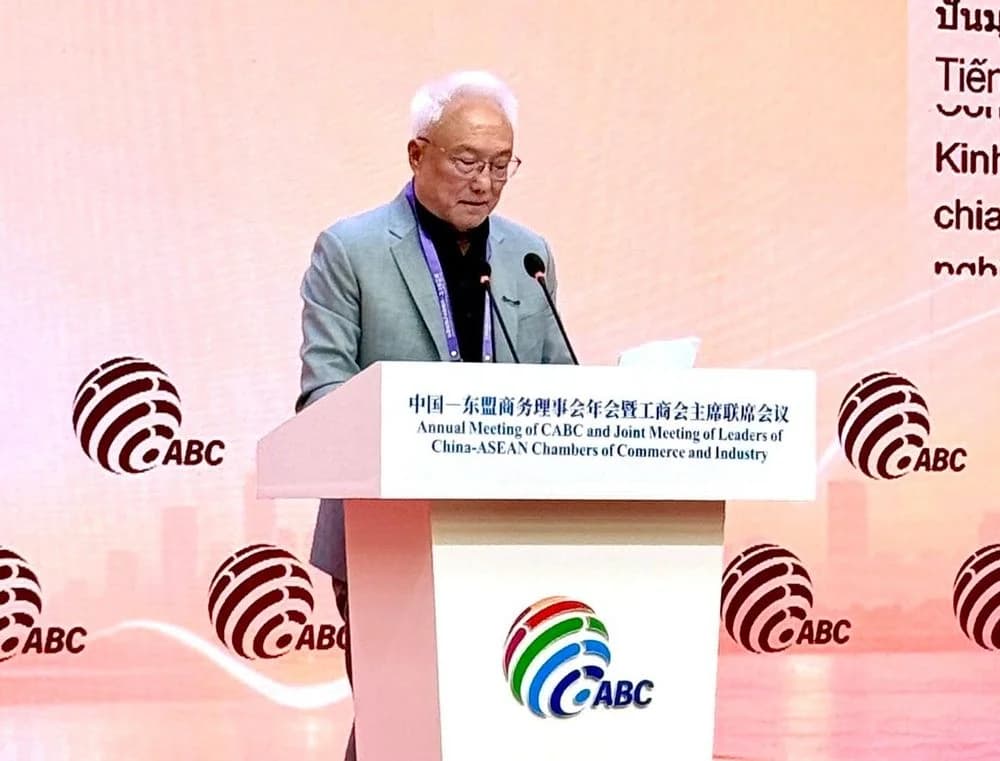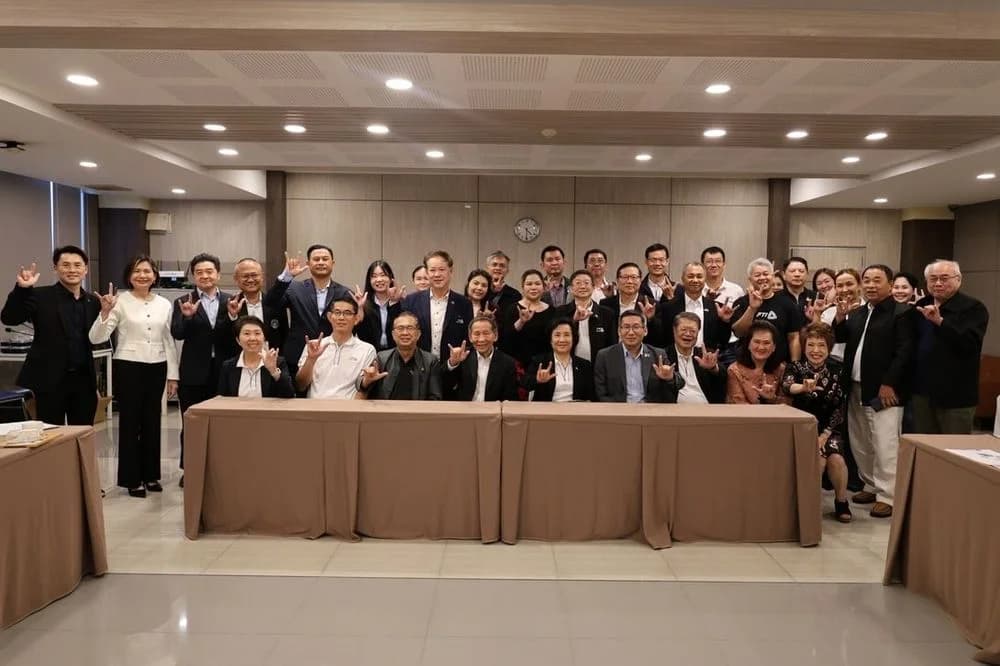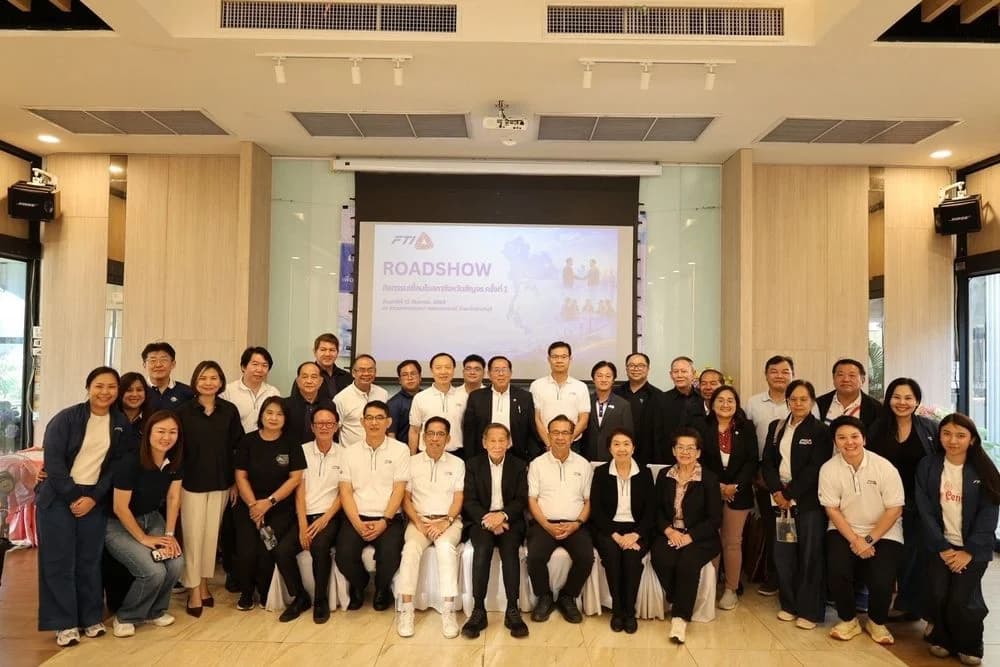

หม่อมหลวงปีกทอง ทองใหญ่ รองประธานสภาอุตสาหกรรมแห่งประเทศไทย (ส.อ.ท.) เปิดเผยผลการสำรวจ FTI CEO Poll ครั้งที่ 42 ในเดือนพฤศจิกายน 2567 ภายใต้หัวข้อ “มุมมองภาคอุตสาหกรรมต่อผลกระทบจากนโยบายทรัมป์ 2.0” พบว่า ผู้บริหาร ส.อ.ท. ส่วนใหญ่ มีความกังวลต่อนโยบายของ นายโดนัลด์ ทรัมป์ ว่าที่ประธานาธิบดีสหรัฐฯ อยู่ที่ระดับปานกลาง เนื่องจากยังต้องติดตามว่านโยบายดังกล่าวจะมีความชัดเจนอย่างไรหลังจากเข้ารับตำแหน่งในวันที่ 20 มกราคม 2568 อย่างไรก็ตาม ภายใต้นโยบาย America First ที่จะมีการปรับขึ้นภาษีนำเข้าสินค้าจากทุกประเทศในอัตรา 10% และเพิ่มภาษีนำเข้าสินค้าจีนสูงสุด 60% นั้น ผู้บริหาร ส.อ.ท. มีความกังวลต่อผลกระทบทางอ้อมจากการที่จีนต้องหาตลาดใหม่ทดแทนตลาดสหรัฐฯ ซึ่งจะทำให้สินค้าจีนทะลักเข้ามาแข่งขันในตลาดอาเซียนและประเทศไทยมากยิ่งขึ้น รวมทั้งความเสี่ยงต่อมาตรการกีดกันทางการค้าที่เข้มงวดขึ้นจากการเกินดุลการค้าสหรัฐฯ โดยตั้งแต่เดือนมกราคม - ตุลาคม 2567 ไทยได้ดุลการค้าสหรัฐฯ มูลค่ากว่า 28,904 ล้านดอลลาร์สหรัฐ หรือขยายตัว 20.56% เมื่อเทียบกับช่วงเดียวกันของปีก่อน ขณะเดียวกันนโยบายทรัมป์ 2.0 อาจเป็นโอกาสที่ประเทศไทยจะส่งออกสินค้าไปสหรัฐฯ มากยิ่งขึ้นทดแทนสินค้าจีน ตลอดจนเป็นโอกาสดึงดูดการลงทุนจากต่างชาติเข้ามาในประเทศไทยและการเข้าไปมีส่วนในห่วงโซ่อุปทาน (Supply Chain) สินค้าเทคโนโลยีใหม่ที่เข้ามาลงทุนในประเทศ
อย่างไรก็ตามจากผลสำรวจพบว่า ผู้บริหาร ส.อ.ท. ส่วนใหญ่มองว่า ภาคอุตสาหกรรมจะต้องเร่งพัฒนามาตรฐานผลิตภัณฑ์ให้เป็นที่ยอมรับของตลาดโลก ควบคู่ไปกับการปรับปรุงประสิทธิภาพการผลิตเพื่อเตรียมความพร้อมให้กับธุรกิจในการรับมือกับความผันผวนของเศรษฐกิจโลกที่มีผลพวงมาจากนโยบายทรัมป์ 2.0 รวมทั้งมีการวางแผนกระจายการส่งออกสินค้าไปยังตลาดอื่นๆ ที่มีศักยภาพ นอกเหนือจากสหรัฐฯ เพื่อรองรับความเสี่ยงในอนาคต ส่วนภาครัฐควรบูรณาการความร่วมมือในการส่งเสริมการผลิตสินค้าที่ใช้ชิ้นส่วนภายในประเทศให้มากขึ้น และให้ความสำคัญกับปกป้อง Supply Chain ภายในประเทศไทย รวมทั้งมีการออกมาตรการที่เข้มงวดในการรับมือสินค้าจีนโดยเฉพาะสินค้าราคาถูกที่ไม่ได้มาตรฐาน
จากการสำรวจผู้บริหาร ส.อ.ท. (CEO Survey) จำนวน 150 ท่าน ครอบคลุมผู้บริหารจาก 47 กลุ่มอุตสาหกรรม และ 76 สภาอุตสาหกรรมจังหวัด มีสรุปผลการสำรวจ FTI CEO Poll ครั้งที่ 42 จำนวน 7 คำถาม ดังนี้
1) นโยบายทรัมป์ 2.0 จะส่งผลกระทบต่อภาคอุตสาหกรรมในระดับใด
อันดับ 1 : ปานกลาง 56.7%
อันดับ 2 : มาก 25.3%
อันดับ 3 : น้อย 18.0%
2) ภาคอุตสาหกรรมมีความกังวลต่อนโยบายทรัมป์ 2.0 ในเรื่องใด
อันดับ 1 : การปรับขึ้นภาษีนำเข้าสินค้าจากทุกประเทศในอัตรา 10% 66.0%
และเพิ่มภาษีนำเข้าสินค้าจีนสูงสุด 60%
อันดับ 2 : มาตรการดึงการลงทุนกลับสหรัฐฯ (Reshoring) และนโยบาย America First 31.3%
อันดับ 3 : การถอนตัวจากข้อตกลง Paris Agreement โดยเน้นความมั่นคง 30.7% ด้านพลังงานก่อนการแก้ปัญหาสภาพภูมิอากาศ
อันดับ 4 : การปรับยุทธศาสตร์การเจรจาความร่วมมือระหว่างประเทศ 28.0%
เป็นแบบทวิภาคีแทนแบบพหุภาคี
3) นโยบายทรัมป์ 2.0 จะส่งผลกระทบเชิงบวกต่อเศรษฐกิจไทยในเรื่องใด
อันดับ 1 : โอกาสของประเทศไทยในการส่งออกสินค้าไปสหรัฐฯ 68.0%
ทดแทนสินค้าจีน
อันดับ 2 : การโยกย้ายการลงทุนจากต่างชาติเข้ามาในประเทศไทย 62.0%
เนื่องจากสงครามการค้า และการเข้าไปมีส่วนในห่วงโซ่อุปทาน
สินค้าเทคโนโลยีใหม่
อันดับ 3 : ผลกระทบจากปัญหาภูมิรัฐศาสตร์ลดลง เนื่องจาก 30.7%
การลดบทบาทของสหรัฐฯ ในความขัดแย้งฯ
อันดับ 4 : โอกาสของผู้ประกอบการไทยที่ต้องการเข้าไปลงทุนในสหรัฐฯ 6.7%
4) นโยบายทรัมป์ 2.0 จะส่งผลกระทบเชิงลบต่อเศรษฐกิจไทยในเรื่องใด
อันดับ 1 : สินค้าจีนทะลักเข้ามาแข่งขันในตลาดอาเซียน 70.0%
และประเทศไทยมากยิ่งขึ้น
อันดับ 2 : ความเสี่ยงต่อมาตรการกีดกันทางการค้าที่เข้มงวดขึ้น 61.3%
จากการเกินดุลการค้าสหรัฐ และการที่จีนใช้ไทย
เป็นช่องทางผ่านของสินค้าไปยังสหรัฐฯ
อันดับ 3 : ต้นทุนการส่งออกที่สูงขึ้นจากการปรับขึ้นอัตราภาษีนำเข้าสินค้า 39.3%
ของสหรัฐ และความไม่แน่นอนของนโยบายการค้าโลก
อันดับ 4 : นักลงทุนจากสหรัฐฯ ชะลอการลงทุนในประเทศไทยจากนโยบาย America First 8.7%
5) ภาครัฐควรมีการเตรียมความพร้อมเพื่อรับมือผลกระทบจากนโยบายทรัมป์ 2.0 อย่างไร
อันดับ 1 : ส่งเสริมการผลิตสินค้าที่ใช้ชิ้นส่วนภายในประเทศ 56.7%
และให้ความสำคัญกับ Supply Chain ในประเทศไทย
รวมทั้งออกมาตรการรับมือสินค้าจีน
อันดับ 2 : เร่งปรับปรุงกฎหมายกฎระเบียบให้ทันสมัยรองรับมาตรการใหม่ๆ 52.0%
ที่อาจกระทบต่อภาคธุรกิจ
อันดับ 3 : เร่งเจรจาความตกลงการค้าเสรี (FTA) เพื่อสร้างแต้มต่อในตลาดที่มีศักยภาพ 47.3%
เช่น FTA ไทย-EU
อันดับ 4 : รักษาบทบาทความเป็นกลางทางภูมิรัฐศาสตร์เพื่อสร้างประโยชน์ 26.0%
จากการเบี่ยงเบนทางการค้าและการลงทุน
6) ภาคเอกชนควรปรับตัวรับมือผลกระทบจากนโยบายทรัมป์ 2.0 อย่างไร
อันดับ 1 : พัฒนามาตรฐานผลิตภัณฑ์ให้เป็นที่ยอมรับของตลาดโลก 66.7%
และปรับปรุงประสิทธิภาพการผลิต
อันดับ 2 : กระจายการส่งออกสินค้าไปยังตลาดอื่นๆ ที่มีศักยภาพ 63.3%
นอกเหนือจากสหรัฐฯ
อันดับ 3 : ใช้เครื่องมือการบริหารความเสี่ยงจากอัตราแลกเปลี่ยน 29.3%
เพื่อรับมือกับความผันผวนของค่าเงิน
อันดับ 4 : สร้างโอกาสในการขยายการลงทุนในสหรัฐฯ 13.3%
และประเทศพันธมิตรของสหรัฐฯ
7) นโยบายทรัมป์ 2.0 จะส่งผลกระทบต่อเศรษฐกิจด้านใด
อันดับ 1 : การค้าและการลงทุน 62.0%
อันดับ 2 : ค่าเงินบาท 52.0%
อันดับ 3 : ความเสี่ยงภูมิรัฐศาสตร์ 25.3%
อันดับ 4 : ความผันผวนของตลาดทุน และประเทศพันธมิตรของสหรัฐฯ 19.3%
................................................................................
เผยแพร่โดย ฝ่ายสื่อสารองค์กร สภาอุตสาหกรรมแห่งประเทศไทย (โทร. 0-2345-1051)
จัดทำข้อมูลโดย ฝ่ายเศรษฐกิจและวิชาการ สภาอุตสาหกรรมแห่งประเทศไทย (โทร. 0-2345-1111)
ML Piketong Thongyai, Vice Chairman of the Federation of Thai Industries (FTI), revealed the results of the FTI CEO Poll No. 42 conducted in November 2024 under the topic “Industry Perspectives on the Impact of Trump 2.0 Policy.” It was found that most FTI executives have moderate concerns regarding the policies of Donald Trump, the incoming President of the United States, as they are waiting to see how these policies will take shape after he assumes office on January 20, 2025. However, under the America First policy, which includes a 10% increase in import tariffs on goods from all countries and a maximum 60% increase on Chinese goods, FTI executives expressed concerns about the indirect impacts due to China seeking new markets to replace the U.S. market, which could lead to an influx of Chinese goods competing more intensely in the ASEAN and Thai markets, as well as the risk of stricter trade barriers resulting from a U.S. trade surplus. From January to October 2024, Thailand had a trade surplus with the U.S. valued at over $28.904 billion, expanding by 20.56% compared to the same period last year. At the same time, Trump 2.0 may present an opportunity for Thailand to increase exports of goods to the U.S. to replace Chinese products, as well as attract foreign investment into Thailand and participate in the supply chain of new technology products investing in the country.
However, the survey results indicated that most FTI executives believe the industrial sector needs to expedite the development of product standards to meet global market acceptance, alongside improving production efficiency to prepare businesses for the volatility of the global economy stemming from Trump 2.0 policies. Additionally, there should be plans to diversify exports to other potential markets aside from the U.S. to mitigate future risks. The government should also integrate efforts to promote the production of goods utilizing domestic components and prioritize protecting the supply chain within Thailand, alongside implementing stringent measures to cope with Chinese goods, especially low-quality products that do not meet standards.
From the survey of 150 FTI executives, covering managers from 47 industry groups and 76 provincial industrial councils, the results of the FTI CEO Poll No. 42, consisting of 7 questions, are summarized as follows:
1) How much impact will the Trump 2.0 policy have on the industrial sector?
Rank 1: Moderate 56.7%
Rank 2: Significant 25.3%
Rank 3: Minimal 18.0%
2) What aspects of the Trump 2.0 policy concern the industrial sector?
Rank 1: The increase in import tariffs on goods from all countries by 10% 66.0%
and raising tariffs on Chinese goods up to 60%
Rank 2: The reshoring investment measures and America First policy 31.3%
Rank 3: Withdrawal from the Paris Agreement focusing on security 30.7% regarding energy before addressing climate change issues
Rank 4: Adjustment of international cooperation negotiation strategies to be bilateral rather than multilateral 28.0%
3) What positive impacts could the Trump 2.0 policy have on the Thai economy?
Rank 1: Opportunities for Thailand to export goods to the U.S. 68.0%
to replace Chinese products
Rank 2: Shifting foreign investment into Thailand 62.0%
due to trade wars and participation in the supply chain of new technology products
Rank 3: Reduced impacts from geopolitical issues due to 30.7%
diminished U.S. role in conflicts
Rank 4: Opportunities for Thai entrepreneurs seeking to invest in the U.S. 6.7%
4) What negative impacts could the Trump 2.0 policy have on the Thai economy?
Rank 1: An influx of Chinese products competing in the ASEAN market 70.0%
and in Thailand
Rank 2: Risks of stricter trade barriers 61.3%
from the U.S. trade surplus and China using Thailand
as a transit point for goods to the U.S.
Rank 3: Increased export costs from import tax hikes 39.3%
and uncertainties in global trade policies
Rank 4: Delayed investments from U.S. investors in Thailand due to the America First policy 8.7%
5) How should the government prepare for the impacts of the Trump 2.0 policy?
Rank 1: Promote the production of goods using domestic components 56.7%
and focus on the supply chain in Thailand
including implementing measures to cope with Chinese goods
Rank 2: Accelerate the modernization of laws and regulations to address new measures 52.0%
that may impact the business sector
Rank 3: Expedite free trade agreement (FTA) negotiations to gain an advantage in potential markets 47.3%
such as Thailand-EU FTA
Rank 4: Maintain geopolitical neutrality to create benefits 26.0%
from trade and investment diversion
6) How should the private sector adapt to the impacts of the Trump 2.0 policy?
Rank 1: Develop product standards to meet global market acceptance 66.7%
and improve production efficiency
Rank 2: Diversify exports to other potential markets 63.3%
aside from the U.S.
Rank 3: Utilize risk management tools for exchange rates 29.3%
to deal with currency fluctuations
Rank 4: Create opportunities to expand investment in the U.S. 13.3%
and U.S. allied countries
7) In what areas will the Trump 2.0 policy impact the economy?
Rank 1: Trade and investment 62.0%
Rank 2: Thai Baht 52.0%
Rank 3: Geopolitical risks 25.3%
Rank 4: Market volatility and U.S. allied countries 19.3%
................................................................................
Published by the Communication Department, Federation of Thai Industries (Tel. 0-2345-1051)
Data prepared by the Economic and Academic Department, Federation of Thai Industries (Tel. 0-2345-1111)