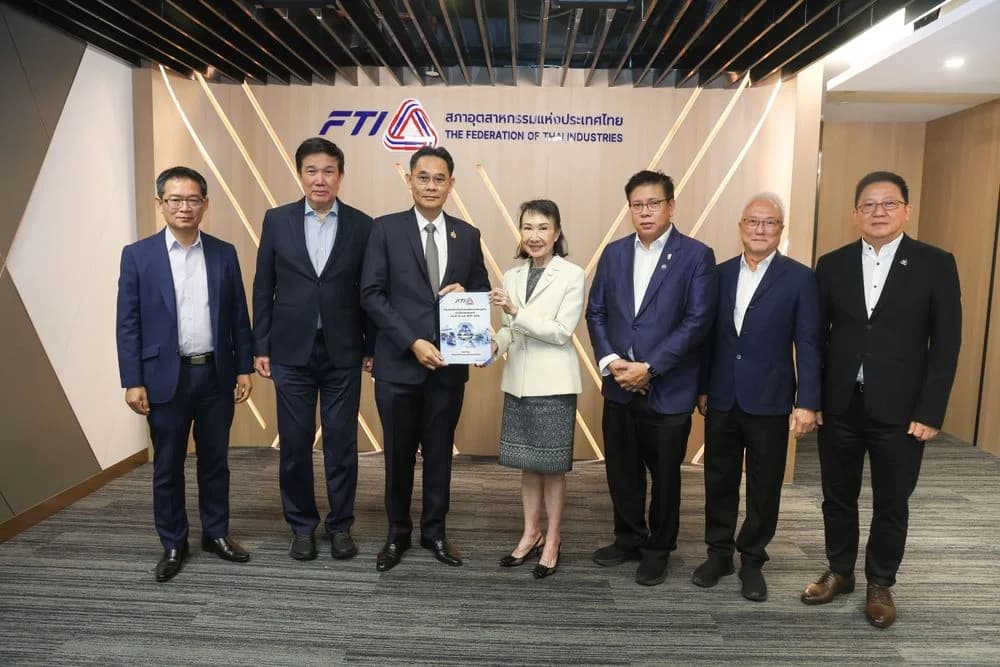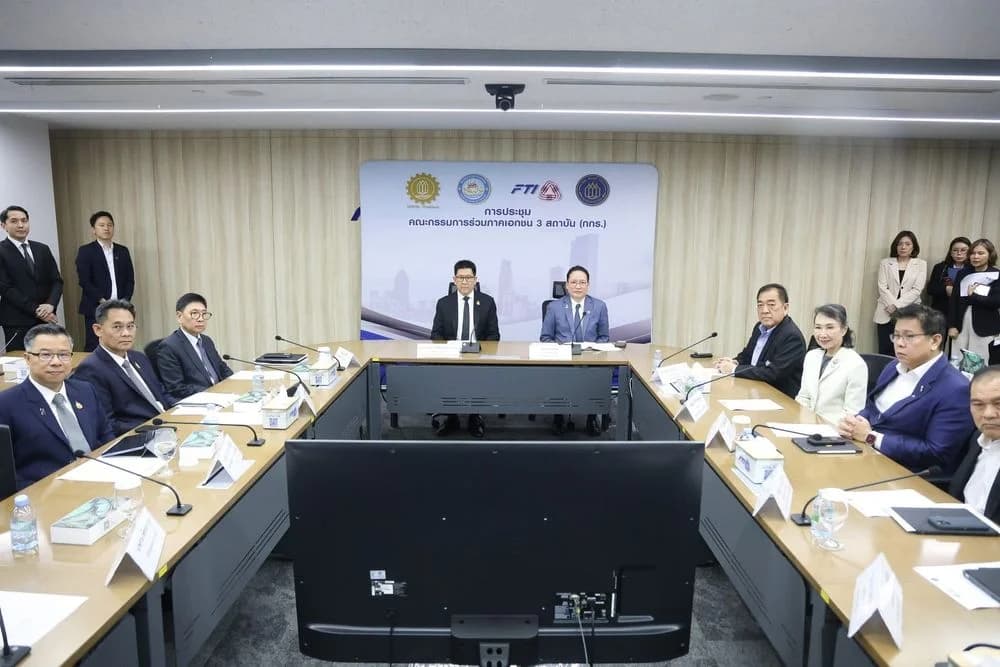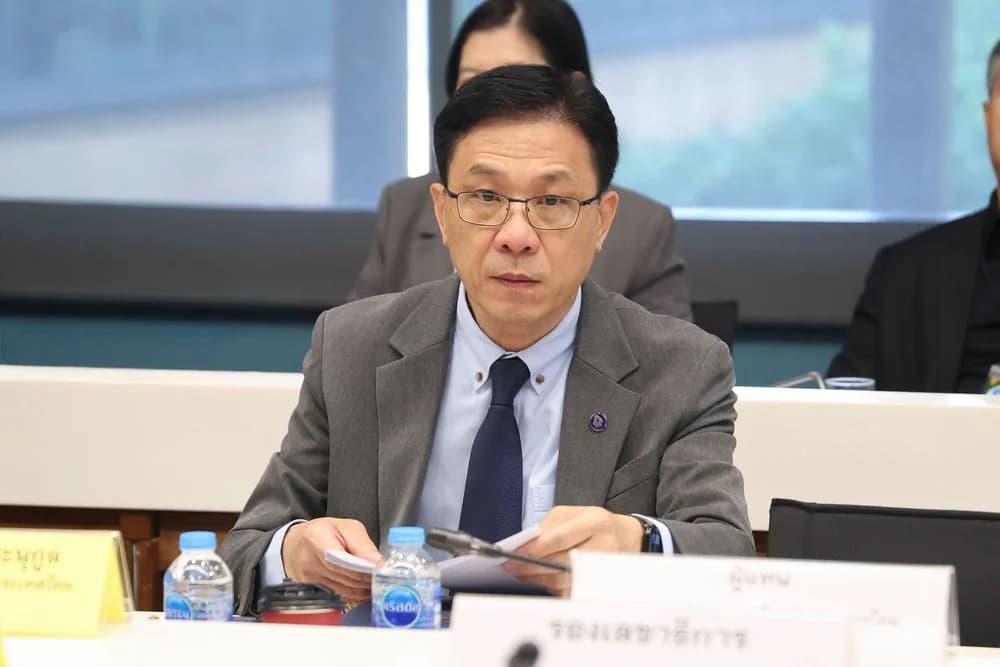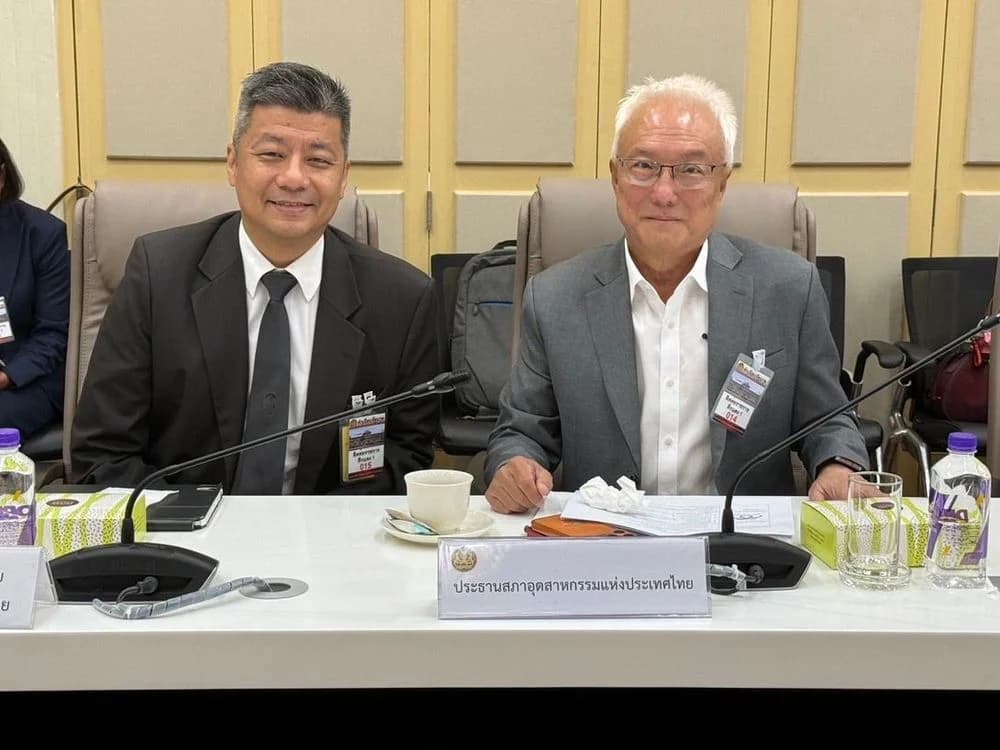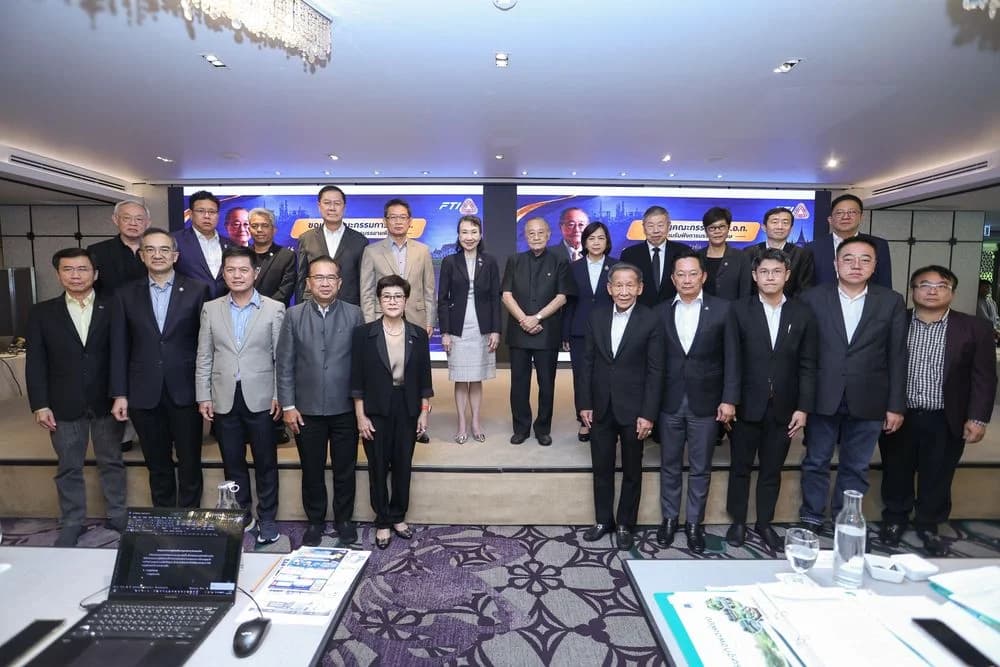

วันพุธที่ 5 กุมภาพันธ์ 2568 นายเกรียงไกร เธียรนุกุล ประธานสภาอุตสาหกรรมแห่งประเทศไทย (ส.อ.ท.) เป็นประธานการประชุมคณะกรรมการร่วมภาคเอกชน 3 สถาบัน (กกร.) โดยมีนายสนั่น อังอุบลกุล ประธานสภาหอการค้าแห่งประเทศไทย และดร.พชรพจน์ นันทรามาศ ผู้แทนสมาคมธนาคารไทย ร่วมในการแถลงข่าว
สงครามการค้ารอบใหม่เริ่มแล้วที่เม็กซิโก แคนาดา และจีน ท่ามกลางการตอบโต้ โดยสหรัฐฯ ประกาศจะขึ้นอัตราภาษีนำเข้าต่อกลุ่มประเทศเป้าหมาย ทั้งต่อเม็กซิโกและแคนาดาในอัตรา 25% และจีนในอัตรา 10% ซึ่งจะส่งผลลบต่อการเติบโตของเศรษฐกิจในปี 2568 และจะยิ่งส่งผลกระทบมากขึ้นในปี 2569 นอกจากนี้ ยังผลักดันนโยบายเร่งด่วนผ่านการใช้คำสั่งของฝ่ายบริหาร (Executive Order) รวมถึงนโยบายที่เคยหาเสียงไว้ ครอบคลุมทั้งประเด็นการค้าที่ไม่เป็นธรรม การจัดการคนเข้าเมือง และการถอนตัวจากข้อตกลงปารีส เป็นต้น
ความขัดแย้งทางการค้ากดดันสินค้าจากต่างชาติเข้ามาแย่งตลาดและกระทบต่อภาคการผลิตของไทย สินค้าต่างประเทศที่ล้นตลาดจากปัญหาสงครามการค้าและการแยกขั้ว (De-coupling) ทะลักเข้ามาในประเทศ ซึ่งส่งผลกระทบต่อการผลิตและการจ้างงาน จากการศึกษาผลกระทบดังกล่าวตามข้อเสนอในสมุดปกขาวของ กกร. โดยกระทรวงพาณิชย์ พบว่า กลุ่มสินค้าสำคัญที่ได้รับผลกระทบมาก เช่น เหล็ก พลาสติก เครื่องใช้ไฟฟ้า ผลิตภัณฑ์เสริมอาหาร เครื่องนุ่งห่ม แก้วและกระจก เครื่องสำอาง เป็นต้น
เศรษฐกิจไทยปี 2568 มีแนวโน้มขยายตัวจำกัด การกีดกันทางการค้าที่รุนแรงและทิศทางค่าเงินบาทที่แข็งค่าอย่างต่อเนื่องเป็นความท้าทายต่อการส่งออก ส่วนภาคอุตสาหกรรมบางสาขาเผชิญการแข่งขันจากสินค้าต่างชาติ ขณะที่อุปสงค์ภายในประเทศยังอ่อนแอ จึงจำเป็นอย่างยิ่งในการวางแนวทางเพื่อลดผลกระทบทั้งในระยะสั้นและในระยะยาว โดยใช้ประโยชน์จากกระแสการแยกขั้วของ Supply Chain ดึงดูดการลงทุนจากต่างประเทศ (FDI) ซึ่งในปีที่ผ่านมาการขอรับการส่งเสริมการลงทุนสูงถึง 1.14 ล้านล้านบาทสูงสุดในรอบ 10 ปี นอกจากนี้ ยังต้องเร่งทำข้อตกลงทางการค้าเพิ่มเติมจาก FTA ไทย-EFTA ที่เพิ่งสำเร็จ เพื่อเสริมความสามารถในการแข่งขันของสินค้าไทยเมื่อเทียบกับประเทศเพื่อนบ้าน
กรอบประมาณการเศรษฐกิจปี 2568 ของ กกร.
(ณ ธ.ค. 67) ปี 2567
GDP 2.8
ส่งออก 5.4*
เงินเฟ้อ 0.4*
(ณ ม.ค. 68) ปี 2568
GDP 2.4 ถึง 2.9
ส่งออก 1.5 ถึง 2.5
เงินเฟ้อ 0.8 ถึง 1.2
(ณ ก.พ. 68) ปี 2568
GDP 2.4 ถึง 2.9
ส่งออก 1.5 ถึง 2.5
เงินเฟ้อ 0.8 ถึง 1.2
หมายเหตุ: *เลขจริง
ที่มา: สศช. พณ. และประมาณการโดย กกร.
ที่ประชุมคณะกรรมการร่วมภาคเอกชน 3 สถาบัน (กกร.) ได้หารือแนวทางการเตรียมความพร้อมรับมือกับผลกระทบจากนโยบายสหรัฐฯ โดยเฉพาะมาตรการปรับขึ้นภาษีนำเข้าสินค้าที่สหรัฐฯ ที่เริ่มมีการประกาศบังคับใช้กับเม็กซิโก แคนาดา และจีนแล้ว ซึ่งประเทศคู่กรณีดังกล่าวได้ส่งสัญญาณตอบโต้ด้วยมาตรการทางภาษีและมาตรการทางการค้ากลับสหรัฐฯ ทำให้การค้าโลกได้รับแรงกดดันจากสถานการณ์ดังกล่าว ขณะเดียวกันสินค้าจีนที่ไม่สามารถส่งออกไปยังตลาดสหรัฐฯ อาจจะไหลทะลักกลับมาที่ประเทศไทยและประเทศคู่ค้าของไทย ทำให้เกิดการแข่งขันด้านราคาที่รุนแรงขึ้น ดังนั้น กกร. จึงเสนอแนวทางเตรียมความพร้อมรับมือทั้งผลกระทบจากทางตรงและทางอ้อม ดังนี้
1.การเจรจาระดับรัฐเพื่อป้องกันและบรรเทาการใช้มาตรการทางการค้าจากสหรัฐฯ รวมทั้งสร้างความร่วมมือกับประเทศในอาเซียนเพื่อเสริมสร้างเศรษฐกิจร่วมกัน
2.การสนับสนุนในด้านกฎหมาย กฎระเบียบการค้า เพื่อช่วยเหลือภาคเอกชนที่ได้รับผลกระทบจากมาตรการทางการค้าของสหรัฐฯ
3.การบูรณาการเพื่อช่วยเหลืออุตสาหกรรมภายในประเทศและการปฏิรูปกฎหมายเพื่อรักษาขีดความสามารถในการแข่งขัน
4.การใช้มาตรการทางการค้าเพิ่มเติม นอกเหนือจากมาตรการตอบโต้การทุ่มตลาด (Anti-Dumping :AD) ปรับลดระยะเวลาการไต่สวนการใช้มาตรการทางการค้า และการใช้มาตรการควบคุมการนำเข้าตาม พ.ร.บ.การส่งออกไปนอกและการนำเข้ามาในราชอาณาจักรซึ่งสินค้า พ.ศ.2522
5.การควบคุมการตั้งหรือขยายโรงงาน รวมทั้งการให้การส่งเสริมในอุตสาหกรรมที่มีกำลังการผลิตเกินความต้องการ (Over Capacity) รวมถึงการกำกับดูแลภาคอุตสาหกรรมในเขต Freezone อย่างเข้มงวด เพื่อป้องกันการลักลอบนำสินค้าและวัตถุดิบกลับมาขายในประเทศ
6.การส่งเสริมสินค้าที่ผลิตในประเทศ หรือสินค้าที่ได้รับการรับรอง Made in Thailand (MIT) ทั้งการ เพิ่มสัดส่วนการจัดซื้อจัดจ้างภาครัฐ การส่งเสริมขยายตลาดภาคเอกชน รวมทั้งการกำหนดเงื่อนไข การใช้สินค้าที่ผลิตในประเทศในโครงการรัฐ เช่น การกำหนดการใช้สินค้าไทยในโครงการบ้านเพื่อคนไทย ไม่น้อยกว่า 90% ของมูลค่าโครงการ
ทั้งนี้ภาครัฐควรเปิดโอกาสให้ภาคเอกชนเข้าไปมีส่วนร่วมในการให้ความเห็นและข้อเสนอแนะในการเตรียมความพร้อมรับมือกับผลกระทบจากนโยบายการค้าของสหรัฐฯ
ที่ประชุมคณะกรรมการร่วมภาคเอกชน 3 สถาบัน (กกร.) แสดงจุดยืนสนับสนุนรัฐบาลในการยกระดับการแก้ไขปัญหาฝุ่น PM2.5 เป็นวาระแห่งชาติ หลังพบว่าปัญหาดังกล่าวส่งผลกระทบโดยตรงต่อสุขภาพของประชาชน ภาพลักษณ์ด้านการท่องเที่ยว เสียโอกาสทางธุรกิจในการจัดกิจกรรมกลางแจ้ง และกระทบต่อเศรษฐกิจในภาพรวม ดังนั้นเพื่อยกระดับแนวทางแก้ไขปัญหาฝุ่น PM2.5 กกร. จีงหารือแนวทางดำเนินการเชิงรุกในการแก้ไขปัญหาฝุ่น PM2.5 โดยมีมาตรการสำคัญ ดังนี้ 1) สนับสนุนการให้เงินอุดหนุนในช่วงเปลี่ยนผ่านเพื่อเร่งนำเทคโนโลยีและนวัตกรรมมาลดปัญหาฝุ่นละอองและการเผาในภาคเกษตรกรรม 2) ส่งเสริมการใช้ประโยชน์จากพื้นที่ป่าไม้ ให้เกิดการบริหารจัดการที่ยั่งยืน ลดปัญหาไฟป่า และกระตุ้นการใช้ทรัพยากรอย่างคุ้มค่า 3) ผลักดันกลไกภาคเอกชนให้มีส่วนร่วมในคณะกรรมการต่างๆ ภายใต้ พ.ร.บ. อากาศสะอาด และกฎหมายที่เกี่ยวข้อง 4) สนับสนุนการใช้แผนที่ One Map และเตรียมความพร้อมปฏิบัติตามมาตรการ EUDP ภายใต้กฎหมายสินค้าปลอดการตัดไม้ทำลายป่า (EU Deforestation Regulation: EUDR) เพื่อบริหารจัดการพื้นที่เกษตรกรรมและป่าไม้ 5) ใช้กลไกความร่วมมืออาเซียน เพื่อประสานการป้องกันและควบคุมปัญหาฝุ่น PM2.5 และไฟป่าในระดับภูมิภาค ทั้งนี้ กกร. ย้ำว่ามาตรการเหล่านี้จะช่วยลดผลกระทบทางเศรษฐกิจจากปัญหาฝุ่น PM2.5 และเสริมสร้างความร่วมมือระหว่างภาครัฐ เอกชน และประชาสังคม เพื่อให้เกิดการแก้ปัญหา PM2.5 อย่างมีประสิทธิภาพและอย่างยั่งยืน
Regulatory Guillotine ซึ่ง กกร.เห็นถึงความจำเป็นที่ประเทศไทยจะต้องปฏิรูปกฎหมายทั้งระบบ จึงเสนอให้เร่งดำเนินการแก้กฎหมายที่เป็นอุปสรรคและไม่สอดคล้องกับสถานการณ์ปัจจุบัน โดยจัดลำดับความสำคัญ เพื่อให้มีผลสัมฤทธิ์ได้อย่างรวดเร็ว เพื่อรักษาขีดความสามารถในการแข่งขัน สร้างความโปร่งใส และส่งเสริมความยากง่ายมนการดำเนินธุรกิจ (Ease of Doing Business)
ที่ประชุม กกร.สนับสนุนแนวทางการยกระดับการจัดการบัญชีม้าของสมาคมธนาคารไทยและธนาคารสมาชิก โดยที่ผ่านมา ได้พัฒนาระบบรักษาความปลอดภัยของ Mobile Banking เพื่อป้องกัน Application ดูดเงินและการควบคุมโทรศัพท์มือถือระยะไกล (Remote Access) งดการส่งข้อความ SMS แนบลิงก์ในการติดต่อกับลูกค้า จัดให้มี Hotline รับแจ้งเหตุ 24 ชั่วโมง ตลอด 7 วัน ร่วมกับศูนย์ปฏิบัติการแก้ไขปัญหาอาชญากรรมออนไลน์ (AOC) พัฒนาระบบแลกเปลี่ยนข้อมูลในภาคธนาคาร (Central Fraud Registry) เพื่อแลกเปลี่ยนข้อมูลบัญชี ธุรกรรมต้องสงสัย และบัญชีม้า ทำให้สามารถจัดการระงับบัญชีม้าไปแล้วกว่า 1.8 ล้านบัญชี และเตรียมออกมาตรการเพิ่มเติมในการจัดการบัญชีม้านิติบุคคล ทั้งนี้เพื่อความสำเร็จจำเป็นที่ทุกภาคส่วนต้องมีส่วนร่วมในการจัดการปัญหาภัยทางการเงิน ตั้งแต่ต้นน้ำถึงปลายน้ำ ทั้งภาครัฐและเอกชน ผู้ให้บริการเครือข่ายโทรคมนาคม (Telco)ผู้ให้บริการแพลตฟอร์ม ผู้ประกอบธุรกิจสินทรัพย์ดิจิทัล และผู้ให้บริการ E-Wallet รวมถึงภาคประชาชน ที่ต้องตื่นตัวและรู้เท่าทันภัยทางการเงิน เพื่อให้แก้ไขและป้องกันภัยทางการเงินได้อย่างมีประสิทธิภาพและยั่งยืน
On Wednesday, February 5, 2025, Mr. Kriangkrai Thiennukul, Chairman of the Federation of Thai Industries (FTI), chaired a meeting of the Joint Private Sector Committee of three institutions (JPS) with Mr. Sanan Angubolkul, Chairman of the Thai Chamber of Commerce, and Dr. Pacharapoj Nantharamas, Representative of the Thai Bankers’ Association, present at the press conference.
A new trade war has begun in Mexico, Canada, and China amid retaliations, with the United States announcing an increase in import tariffs on targeted countries, imposing a 25% tariff on Mexico and Canada and a 10% tariff on China. This will have negative effects on economic growth in 2025 and will increasingly impact growth in 2026. Furthermore, immediate policies are being pushed through executive orders, including previously pledged ones, covering issues such as unfair trade practices, immigration, and withdrawal from the Paris Agreement, among others.
Trade conflicts are pressuring foreign goods to compete in the market and affecting Thailand's manufacturing sector. The influx of foreign products, resulting from the trade war and decoupling issues, is overwhelming the domestic market, which affects production and employment. A study of these impacts, as proposed in the JPS white paper by the Ministry of Commerce, indicates that key product categories significantly affected include steel, plastics, electrical appliances, dietary supplements, clothing, glass and ceramics, and cosmetics.
The Thai economy in 2025 is expected to grow moderately. The severe trade barriers and the continuously strengthening baht present challenges to exports, while certain industrial sectors face competition from foreign products. Domestic demand remains weak, making it imperative to devise strategies to mitigate impacts both in the short and long term by leveraging the supply chain decoupling trend to attract foreign direct investment (FDI). Last year, investment promotion applications reached 1.14 trillion baht, the highest in a decade. Additionally, trade agreements need to be accelerated beyond the recently completed Thailand-EFTA FTA to enhance the competitiveness of Thai goods compared to neighboring countries.
Economic projections for 2025 by JPS:
(As of December 2024) Year 2024
GDP 2.8
Exports 5.4*
Inflation 0.4*
(As of January 2025) Year 2025
GDP 2.4 to 2.9
Exports 1.5 to 2.5
Inflation 0.8 to 1.2
(As of February 2025) Year 2025
GDP 2.4 to 2.9
Exports 1.5 to 2.5
Inflation 0.8 to 1.2
Note: *Actual figures
Source: NESDC, Ministry of Commerce and estimates by JPS.
The Joint Private Sector Committee (JPS) discussed preparedness strategies to handle the impacts of U.S. policies, particularly regarding the recently enforced import tariff measures against Mexico, Canada, and China. This has led the counterpart nations to signal retaliations through tax and trade measures against the U.S., putting global trade under pressure. Meanwhile, Chinese goods that cannot be exported to the U.S. market may flood back to Thailand and its trading partners, intensifying price competition. Therefore, JPS proposed preparedness strategies to address both direct and indirect impacts as follows:
1. State-level negotiations to prevent and mitigate the use of trade measures from the U.S. while fostering cooperation with ASEAN countries to strengthen the regional economy.
2. Support in legal and trade regulations to assist private sectors affected by U.S. trade measures.
3. Integration to assist domestic industries and reform laws to maintain competitive capabilities.
4. Utilize additional trade measures beyond anti-dumping measures, expedite the investigation period for trade measure applications, and implement import control measures in accordance with the Export and Import of Goods Act B.E. 2522 (1979).
5. Control the establishment or expansion of factories, as well as promote industries with overcapacity, including strict regulation of industries in Free Zones to prevent illegal domestic sales of products and raw materials.
6. Promote domestically produced goods or products certified as Made in Thailand (MIT), including increasing government procurement ratios, facilitating the expansion of private sector markets, and establishing conditions for using domestically produced products in governmental projects, such as ensuring at least 90% of project value in housing for Thai people comes from Thai products.
The government should provide opportunities for the private sector to participate in giving opinions and recommendations on preparedness against the impacts of U.S. trade policies.
The Joint Private Sector Committee (JPS) expressed its support for the government in elevating the issue of PM2.5 dust pollution to national priority after finding that this problem directly impacts public health, tourism image, causes lost business opportunities for outdoor activities, and affects the overall economy. Therefore, to elevate measures to resolve PM2.5 dust pollution, JPS discussed proactive approaches to address this issue with key measures as follows: 1) Support subsidies during the transition to accelerate the adoption of technology and innovation to mitigate dust and combustion problems in agriculture. 2) Promote sustainable management of forest areas to reduce wildfire issues and stimulate efficient resource use. 3) Facilitate private sector mechanisms to participate in various committees under the Clean Air Act and related laws. 4) Support the use of the One Map system and prepare to comply with the EUDP under the EU Deforestation Regulation to manage agricultural and forest areas. 5) Utilize ASEAN cooperation mechanisms to coordinate regional prevention and control of PM2.5 dust and wildfires. JPS emphasized that these measures will help reduce economic impacts from PM2.5 issues and enhance collaboration between government, private sectors, and civil society for an effective and sustainable resolution to PM2.5 pollution.
Regarding the Regulatory Guillotine, JPS recognizes the necessity for Thailand to reform its legal system comprehensively and therefore proposes to expedite the amendment of laws that hinder progress and are incompatible with the current situation by prioritizing them for rapid effectiveness, in order to maintain competitive capability, promote transparency, and facilitate ease of doing business.
In the JPS meeting, support was expressed for the approach to uplift the management of proxy accounts by the Thai Bankers Association and member banks. Previously, systems for safeguarding Mobile Banking have been developed to prevent money draining applications and remote access controls, to cease sending SMS messages with links in customer communications, and providing a 24/7 hotline for incident reporting in conjunction with the Online Crime Problem-Solving Operations Center (AOC). A Central Fraud Registry has been developed for information exchange in the banking sector to share data on suspicious transactions and proxy accounts, resulting in the suspension of over 1.8 million proxy accounts, with additional measures being prepared for managing legal entity proxy accounts. For success, it is essential that all sectors participate in managing financial crime risks from upstream to downstream, including government, private sector, telecommunications service providers, platform service providers, digital asset businesses, and E-Wallet providers, as well as the public to remain alert and well-informed about financial threats for effective and sustainable financial crime prevention.