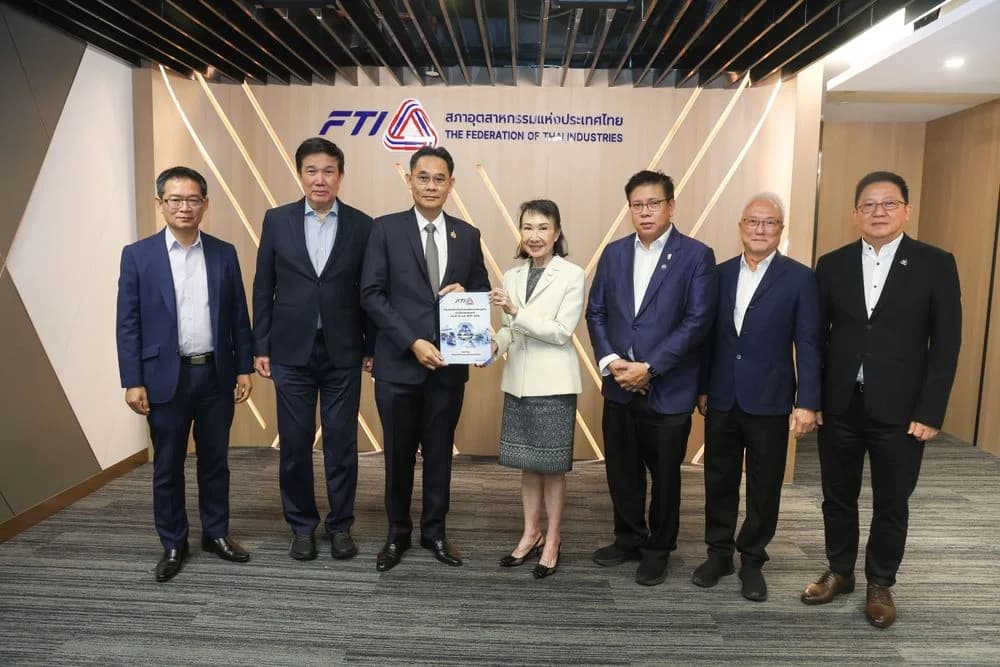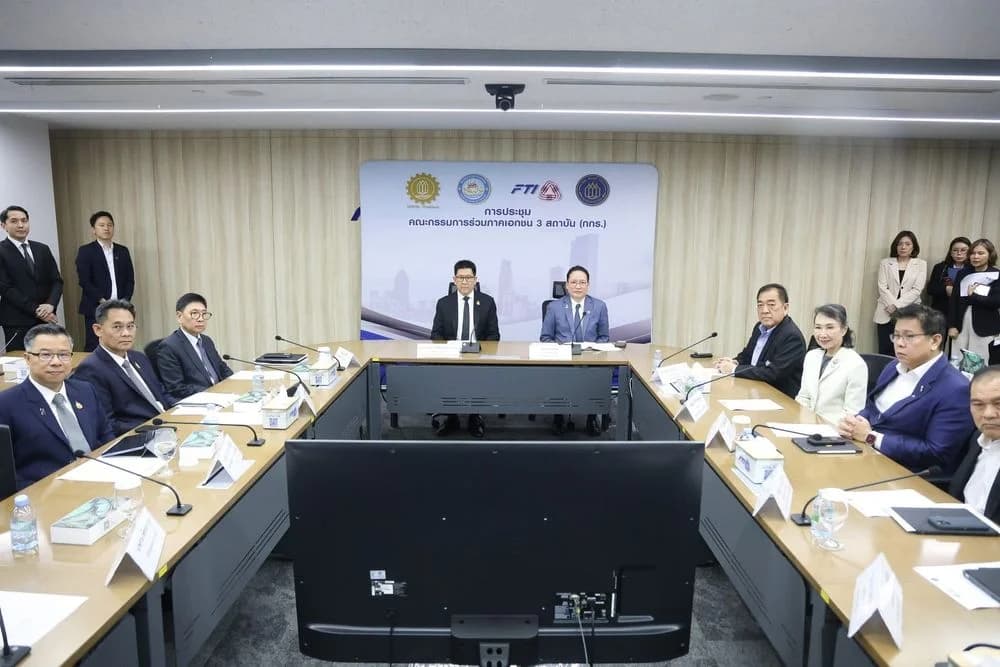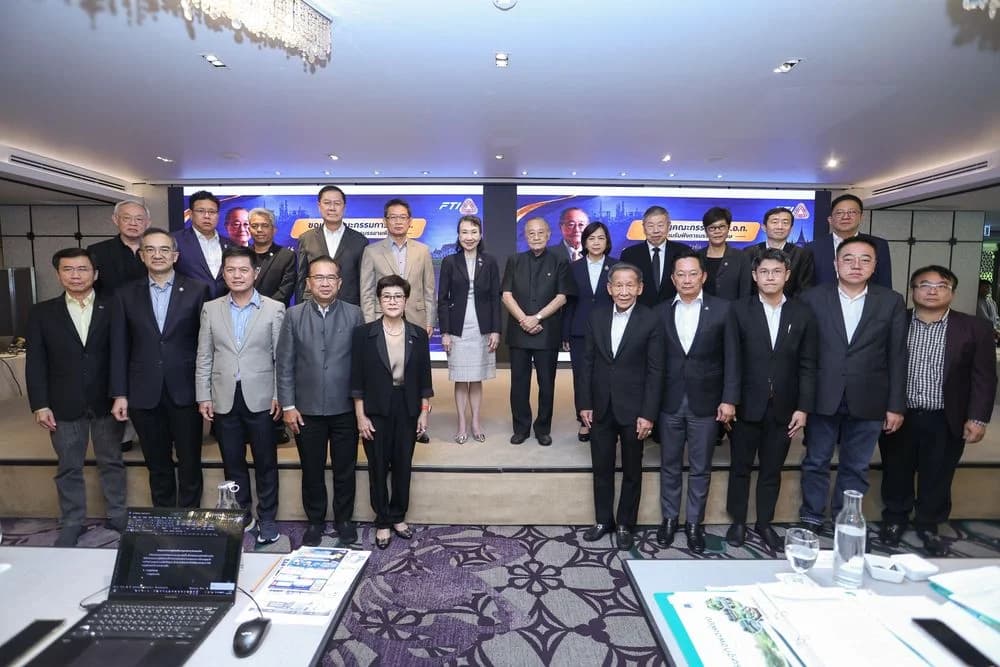

วันที่ 8 สิงหาคม 2568 — สภาอุตสาหกรรมแห่งประเทศไทย (ส.อ.ท.) ร่วมกับสมาคมธนาคารไทย แถลงข่าวความร่วมมือเชิงยุทธศาสตร์ เพื่อสนับสนุนการเปลี่ยนผ่านของประเทศไทยสู่อุตสาหกรรมคาร์บอนต่ำอย่างเป็นรูปธรรม ผ่านการจัดตั้งกลไก สินเชื่อเพื่อการเปลี่ยนผ่าน (Transition Finance) เฟสแรกมูลค่ารวมกว่า 5,000 ล้านบาท ณ ห้องประชุม 802 สภาอุตสาหกรรมแห่งประเทศไทย
ความร่วมมือครั้งนี้ มีวัตถุประสงค์เพื่อเสริมสร้างศักยภาพให้ผู้ประกอบการไทย โดยเฉพาะธุรกิจขนาดกลางและขนาดย่อม (SMEs) สามารถเข้าถึงแหล่งเงินทุนเพื่อการลงทุนในโครงการที่เป็นมิตรต่อสิ่งแวดล้อม ตลอดจนส่งเสริมการใช้เทคโนโลยีสะอาดและการเพิ่มประสิทธิภาพการผลิต เพื่อลดการปล่อยก๊าซเรือนกระจก และปรับตัวให้พร้อมรับมือกับผลกระทบจากการเปลี่ยนแปลงสภาพภูมิอากาศ ซึ่งเป็นความท้าทายเชิงระบบที่ส่งผลกระทบโดยตรงต่อเศรษฐกิจ สังคม และคุณภาพชีวิตของประชาชน
ภาคอุตสาหกรรมซึ่งเป็นหนึ่งในภาคส่วนหลักที่มีการปล่อยก๊าซเรือนกระจกสูง จะได้รับการสนับสนุนใน 2 มิติหลัก ได้แก่
1. การลดการปล่อยก๊าซเรือนกระจก (Mitigation) ผ่านการส่งเสริมการใช้พลังงานสะอาด
การปรับเปลี่ยนเครื่องจักรที่เป็นมิตรต่อสิ่งแวดล้อม การลงทุนในพลังงานหมุนเวียน และการใช้เทคโนโลยีเพื่อเพิ่มประสิทธิภาพการผลิตและลดของเสีย
2. การปรับตัวเพื่อรับมือ (Adaptation) เช่น การออกแบบระบบการผลิตและโลจิสติกส์ให้มีความยืดหยุ่นและทนทานต่อภัยพิบัติ การจัดการทรัพยากรอย่างยั่งยืน และการพัฒนาโครงการฟื้นฟูสิ่งแวดล้อม เช่น การปลูกต้นไม้และกิจกรรมคาร์บอนเครดิต
Transition Finance ภายใต้ความร่วมมือนี้จะไม่ใช่เพียงแค่แหล่งเงินทุนทั่วไป แต่ยังครอบคลุมถึงการให้คำปรึกษา การประเมินความเหมาะสมของโครงการ ตลอดจนการเชื่อมโยงกับกลไกตลาดคาร์บอนเครดิตและมาตรฐานสากล เพื่อสร้างความโปร่งใสและประสิทธิภาพสูงสุดในการใช้เงินทุน
นายประกอบ เพียรเจริญ รองกรรมการผู้จัดการใหญ่ ประธานคณะเจ้าหน้าที่ด้านลูกค้าธุรกิจขนาดใหญ่ และวาณิชธนกิจ บมจ. ธนาคารกรุงศรีอยุธยา ผู้แทนสมาคมธนาคารไทย กล่าวว่า “บทบาทของสถาบันการเงินในวันนี้เปลี่ยนไปจากเดิมที่เป็นเพียงผู้ให้สินเชื่อ แต่ต้องเป็นพลังขับเคลื่อนสำคัญในการสร้างเศรษฐกิจที่เป็นมิตรต่อสิ่งแวดล้อมและสังคมอย่างยั่งยืน โดยธนาคารพาณิชย์ได้ร่วมกันออกแบบผลิตภัณฑ์สินเชื่อเพื่อความยั่งยืน ซึ่งจะถูกส่งต่อไปยังผู้ประกอบการที่มีศักยภาพผ่านช่องทางของสภาอุตสาหกรรมแห่งประเทศไทย โดยมีเป้าหมายวงเงินสินเชื่อในเฟสแรก รวมไม่ต่ำกว่า 5,000 ล้านบาท
ความร่วมมือในครั้งนี้ถือเป็นอีกก้าวสำคัญที่จะช่วยให้ผู้ประกอบการ โดยเฉพาะภาคอุตสาหกรรม สามารถเข้าถึงแหล่งเงินทุนเพื่อพัฒนาโครงการที่ลดผลกระทบต่อสิ่งแวดล้อม ใช้ทรัพยากรอย่างมีประสิทธิภาพ และสร้างโอกาสทางธุรกิจใหม่ ๆ บนพื้นฐานของความรับผิดชอบต่อโลกและสังคม เราเชื่อว่าการลงทุนในวันนี้จะช่วยลดความเสี่ยงในอนาคตและสร้างความเข้มแข็งให้กับเศรษฐกิจไทยได้อย่างแท้จริง”
นายเกรียงไกร เธียรนุกุล ประธานสภาอุตสาหกรรมแห่งประเทศไทย (ส.อ.ท.) กล่าวว่า “ความท้าทายด้านสิ่งแวดล้อมและการเปลี่ยนแปลงสภาพภูมิอากาศส่งผลกระทบโดยตรงต่อภาคอุตสาหกรรมไทย ความร่วมมือครั้งนี้จะช่วยให้ผู้ประกอบการ โดยเฉพาะ SMEs สามารถเข้าถึงแหล่งเงินทุนสีเขียวได้ง่ายขึ้น เพื่อลงทุนในเทคโนโลยีสะอาดและระบบการผลิตที่เป็นมิตรต่อสิ่งแวดล้อม สอดคล้องกับ นโยบาย 4 GO ของ ส.อ.ท. โดยเฉพาะ GO Green ที่มุ่งขับเคลื่อนภาคอุตสาหกรรมไทยสู่การผลิตที่ลดการปล่อยก๊าซเรือนกระจก ใช้ทรัพยากรอย่างมีประสิทธิภาพ และรักษาสมดุลสิ่งแวดล้อม นอกจากจะช่วยลดต้นทุนระยะยาว ยังเป็นการยกระดับศักยภาพการแข่งขันของอุตสาหกรรมไทยในตลาดโลก ที่ให้ความสำคัญกับมาตรฐานด้านสิ่งแวดล้อมและความยั่งยืนมากขึ้น ผมเชื่อว่าความร่วมมือครั้งนี้จะเป็นจุดเริ่มต้นสำคัญของการเปลี่ยนผ่านภาคอุตสาหกรรมไทยสู่เศรษฐกิจคาร์บอนต่ำอย่างเป็นรูปธรรม”
นายชัยวัฒน์ โควาวิสารัช ประธานสถาบันการเปลี่ยนแปลงสภาพภูมิอากาศ สภาอุตสาหกรรมแห่งประเทศไทย (ส.อ.ท.) กล่าวว่า “ประเทศไทยปล่อยก๊าซเรือนกระจกประมาณ 350 ล้านตันคาร์บอนไดออกไซด์เทียบเท่าต่อปี โดยภาคพลังงานและอุตสาหกรรมรวมกันมีสัดส่วนมากกว่า 75% แม้จะคิดเป็นเพียงไม่ถึง 1% ของการปล่อยทั่วโลก แต่หากเราสามารถเปลี่ยนความท้าทายด้านสภาพภูมิอากาศให้เป็นโอกาสในการยกระดับขีดความสามารถในการแข่งขัน ก็จะช่วยเสริมสร้างความมั่นคงทางเศรษฐกิจในระยะยาว
ในขณะเดียวกัน เรากำลังเผชิญแรงกดดันจากมาตรการสิ่งแวดล้อมระหว่างประเทศ เช่น มาตรการปรับราคาคาร์บอนก่อนข้ามพรมแดนของสหภาพยุโรป หรือ CBAM ของสหภาพยุโรป ซึ่งกระทบการส่งออกสินค้ามูลค่ากว่า 3 แสนล้านบาทต่อปี แม้สถานการณ์ภูมิรัฐศาสตร์จะทำให้บางอย่างล่าช้า แต่สุดท้ายมาตรการเหล่านี้จะถูกบังคับใช้อย่างเต็มรูปแบบ ดังนั้น การเตรียมความพร้อมล่วงหน้าจึงเป็นสิ่งจำเป็นเพราะการเปลี่ยนผ่านต้องใช้เวลา ทั้งนี้ หลายประเทศได้พัฒนากลไกสนับสนุน Transition Finance ที่ตอบโจทย์บริบทของตน เช่น ญี่ปุ่นมีแนวทาง Basic Guidelines on Climate Transition Finance สำหรับอุตสาหกรรมที่ยังใช้พลังงานดั้งเดิมแต่มีแผนลดคาร์บอนในระยะยาว สหภาพยุโรปมี EU Green Taxonomy ควบคู่ Just Transition Mechanism และสิงคโปร์มี Green and Sustainability-Linked Loan Grant Scheme เพื่อเร่งการเข้าถึงสินเชื่อของภาคธุรกิจ โดยเฉพาะ SMEs
สำหรับประเทศไทย ความท้าทายสำคัญ คือ การขาดข้อมูลและการสนับสนุนทางเทคนิคที่เป็นระบบ ส่วนหนึ่งของภารกิจของสถาบันฯ คือ การสนับสนุนผู้ประกอบการโดยเฉพาะ SMEs ให้เข้าถึงข้อมูลที่ถูกต้อง พัฒนาบัญชีคาร์บอน และปรับกระบวนการผลิตให้สอดคล้องกับเป้าหมายการลดการปล่อยก๊าซเรือนกระจกสุทธิเป็นศูนย์ (Net Zero) และในวันนี้ เราได้ก้าวไปอีกขั้น ด้วยการทำหน้าที่เป็นกลไกกลางในการเชื่อมโยงภาคอุตสาหกรรมกับภาคการเงิน จัดหา Transition Finance และร่วมสนับสนุนการให้ข้อมูล บริการให้คำปรึกษา เพื่อขับเคลื่อนภาคอุตสาหกรรมไทยสู่ความยั่งยืนอย่างเป็นรูปธรรม”
ความร่วมมือนี้นับเป็นต้นแบบของการบูรณาการความร่วมมือระหว่างภาคการเงินและภาคอุตสาหกรรม เพื่อเดินหน้าประเทศไทยสู่เป้าหมายการเป็นเศรษฐกิจคาร์บอนต่ำที่มีความมั่นคงและแข่งขันได้ในระดับสากล
August 8, 2025 — The Federation of Thai Industries (FTI) in conjunction with the Thai Bankers' Association announced a strategic cooperation to concretely support Thailand's transition to a low-carbon industry through the establishment of a Transition Finance mechanism, with a total value of over 5 billion baht at Meeting Room 802, Federation of Thai Industries.
This collaboration aims to enhance the capabilities of Thai entrepreneurs, particularly small and medium-sized enterprises (SMEs), to access funding sources for investments in environmentally friendly projects, promote the use of clean technology, and enhance production efficiency to reduce greenhouse gas emissions and adapt to the impacts of climate change, which is a systemic challenge that directly affects the economy, society, and the quality of life of citizens.
The industrial sector, which is one of the main sectors with high greenhouse gas emissions, will receive support in two main dimensions:
1. Mitigation through promoting the use of clean energy, upgrading eco-friendly machinery, investing in renewable energy, and utilizing technology to enhance production efficiency and reduce waste.
2. Adaptation such as designing flexible and resilient production and logistics systems to withstand disasters, sustainable resource management, and developing environmental restoration projects such as reforestation and carbon credit activities.
Transition Finance under this collaboration will not only be a general funding source but will also include consulting services, project feasibility assessments, as well as linking with carbon credit market mechanisms and international standards to ensure transparency and maximum effectiveness in fund utilization.
Mr. Prakob Piarachorn, Deputy Managing Director, Head of Large Enterprise Client Services and Investment Banking at Krungsri Bank, a representative of the Thai Bankers' Association, stated, “The role of financial institutions has changed from merely being lenders to a vital driving force in creating a sustainable economy that is friendly to the environment and society. Commercial banks have collaboratively designed sustainable loan products, which will be channeled to capable entrepreneurs through FTI's networks, with a first-phase funding target of no less than 5 billion baht.”
This collaboration represents a significant step in helping entrepreneurs, particularly in the industrial sector, access funding sources to develop projects that mitigate environmental impacts, use resources efficiently, and create new business opportunities based on responsibility to the world and society. We believe that today's investment will help reduce risks in the future and genuinely strengthen the Thai economy.
Mr. Kriangkrai Tiennukul, President of the Federation of Thai Industries (FTI), stated, “Environmental challenges and climate change directly affect the Thai industrial sector. This collaboration will help entrepreneurs, especially SMEs, gain easier access to green funding to invest in clean technology and environmentally friendly production systems, in line with FTI's 4 GO policy, particularly GO Green, which aims to drive the Thai industrial sector towards production that reduces greenhouse gas emissions, uses resources efficiently, and maintains environmental balance. This will not only help reduce long-term costs but also elevate the competitive potential of Thai industries in the global market that increasingly values environmental and sustainability standards. I believe that this collaboration will be an important starting point for the concrete transition of the Thai industrial sector towards a low-carbon economy.”
Mr. Chaiwat Khuvatisaratch, President of the Climate Change Institute of the Federation of Thai Industries (FTI), stated, “Thailand emits approximately 350 million tons of carbon dioxide equivalent annually, with the energy and industrial sectors combining to account for more than 75%. While this only accounts for less than 1% of global emissions, if we can turn the climate challenges into opportunities to enhance competitiveness, it will help strengthen long-term economic stability.
At the same time, we are facing pressure from international environmental measures, such as the European Union's Carbon Border Adjustment Mechanism (CBAM) affecting exports valued at over 300 billion baht annually. Despite geopolitical situations causing delays, these measures will eventually be enforced fully. Thus, advance preparation is necessary, as transition takes time. Many countries have developed support mechanisms for Transition Finance that address their contexts, such as Japan's Basic Guidelines on Climate Transition Finance for industries still relying on traditional energy but planning for long-term carbon reduction, the EU's EU Green Taxonomy alongside the Just Transition Mechanism, and Singapore's Green and Sustainability-Linked Loan Grant Scheme to accelerate access to loans for businesses, especially SMEs.
In Thailand, a significant challenge is the lack of data and systematic technical support. Part of the Institute's mission is to support entrepreneurs, especially SMEs, in accessing accurate information, developing carbon accounting, and adjusting production processes to align with the goal of achieving net-zero greenhouse gas emissions. Today, we have taken another step by acting as a central mechanism to link the industrial sector with the financial sector, providing Transition Finance and jointly supporting information and consulting services to drive the Thai industrial sector towards sustainability more concretely.
This collaboration serves as a model for integrating cooperation between the finance and industrial sectors to advance Thailand towards the goal of becoming a stable and competitive low-carbon economy on a global scale.