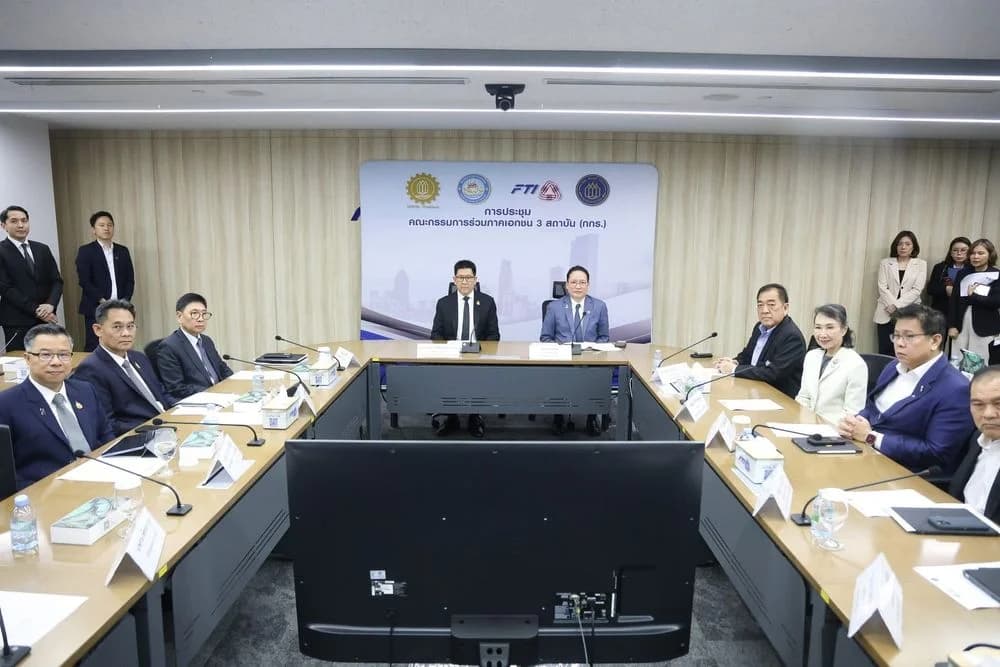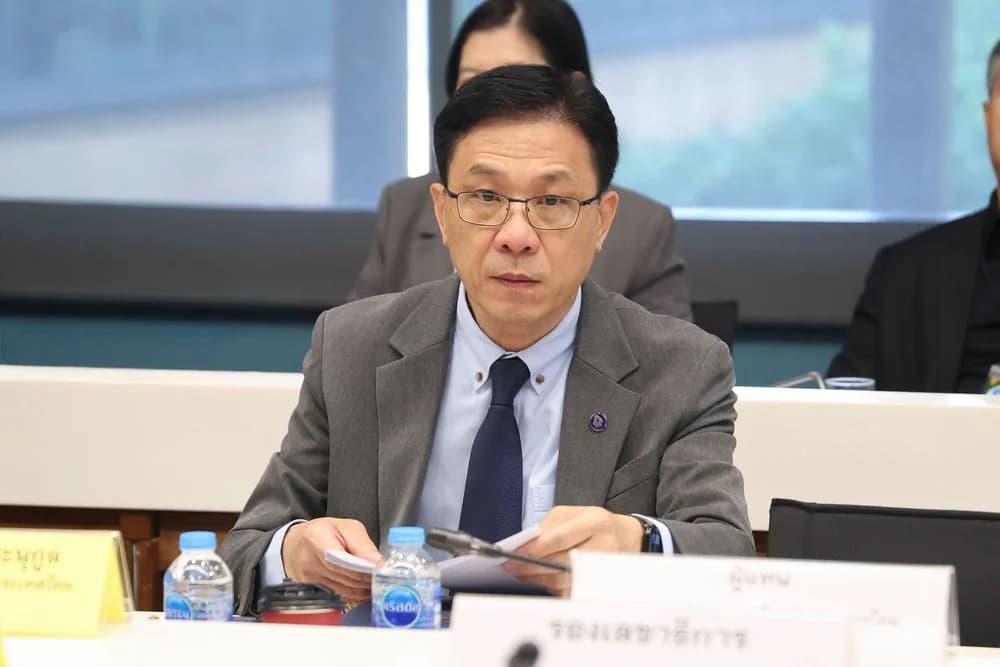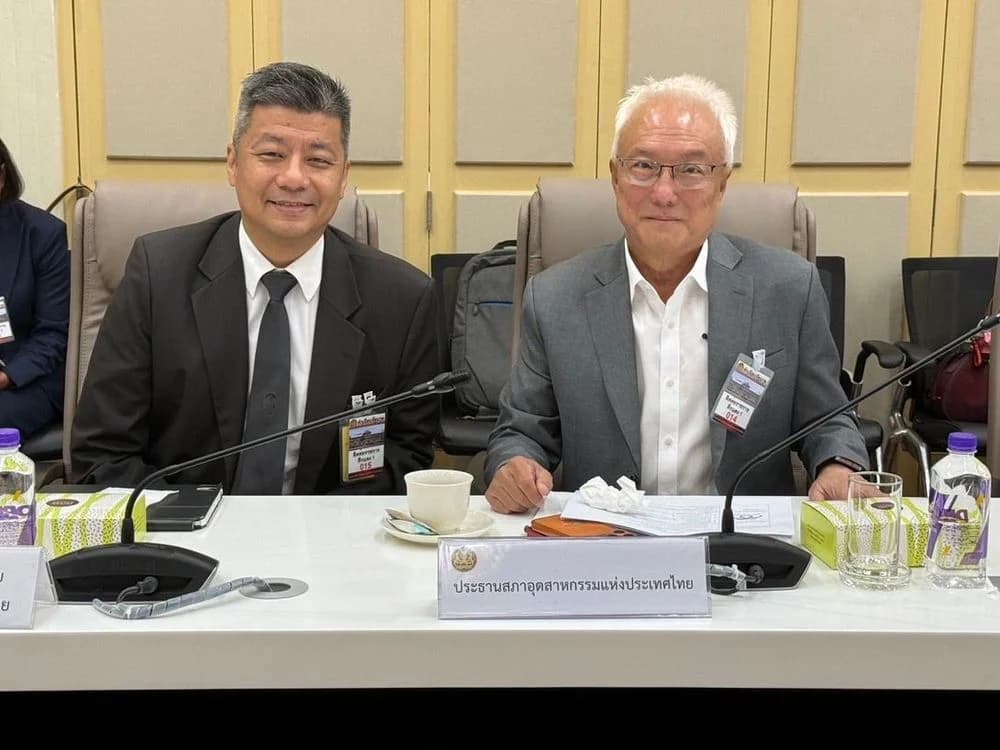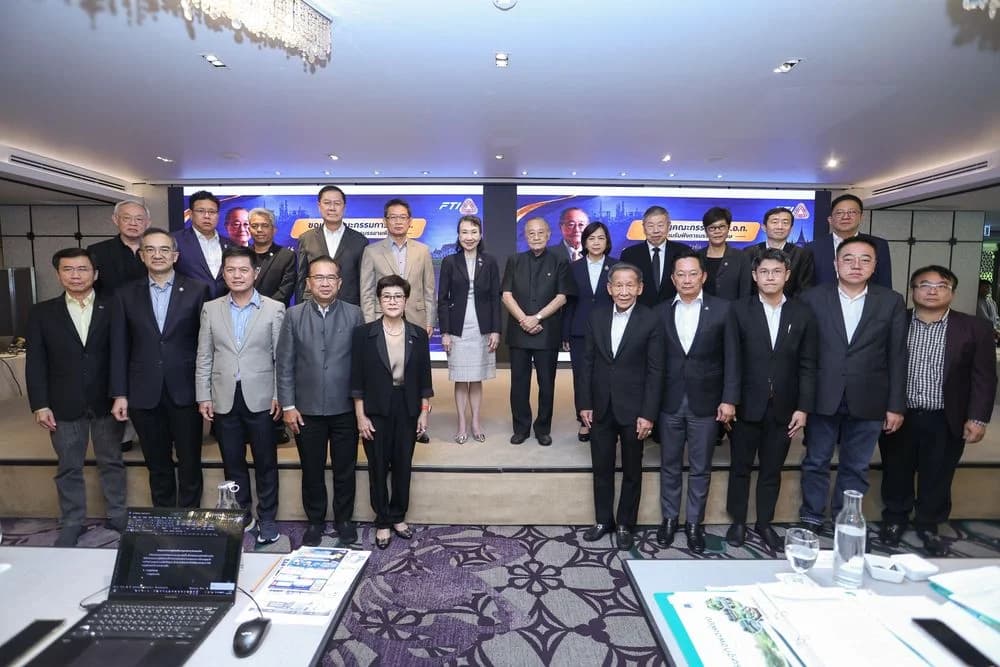

เมื่อวันที่ 2 ตุลาคม 2568 นายวิวรรธน์ เหมมณฑารพ รองประธานสภาอุตสาหกรรมแห่งประเทศไทย (ส.อ.ท.) เป็นผู้แทนเข้าร่วมประชุมกับคณะกรรมาธิการป้องกันปรามปรามการฟอกเงินและยาเสพติด เพื่อพิจารณาศึกษาเรื่องเงินบาทไทยแข็งค่ามากกว่าปัจจัยพื้นฐานทางเศรษฐกิจฯ ณ ห้องประชุมกรรมาธิการ CB 308 ชั้น 3 อาคารรัฐสภา
ในการประชุมครั้งนี้ ได้มีการรับฟังความคิดเห็นจากหน่วยงานภาครัฐและภาคเอกชนที่เกี่ยวข้องต่อผลกระทบจากปัจจัยลบและปัญหาเชิงโครงสร้างทางเศรษฐกิจไทย โดย ส.อ.ท. ได้นำเสนอข้อมูลเกี่ยวกับสถานการณ์ทางเศรษฐกิจที่เผชิญกับปัจจัยเสี่ยงหลายด้าน
การประชุมดังกล่าว ผู้แทนจาก ส.อ.ท. ได้ให้ข้อมูลเกี่ยวกับปัจจัยและปัญหาเชิงโครงสร้างที่บั่นทอนความเชื่อมั่นของภาคอุตสาหกรรม อาจเป็นเหตุให้ดัชนีความเชื่อมั่นภาคอุตสาหกรรมลดลง ขณะที่ค่าเงินบาทมีแนวโน้มแข็งค่าผิดปกติ เมื่อเทียบกับคู่แข่งในภูมิภาค ซึ่งส่วนหนึ่งอาจมีสาเหตุจากเงินดอลลาร์สหรัฐฯ ที่อ่อนค่า และธุรกรรมที่ไม่สามารถอธิบายได้ (Net Errors & Omissions) ในดุลการชำระเงิน รวมถึงการตั้งข้อสังเกตต่อการส่งออกทองคำไปกัมพูชาที่สูงผิดปกติ ซึ่งอาจส่งผลกระทบต่อ รายได้จากการท่องเที่ยวและความสามารถในการแข่งขันของไทย
นอกจากนี้ ยังได้นำเสนอข้อเสนอการดูแลความผันผวนของค่าของเงินบาท ดังนี้
1. ขอให้ธนาคารแห่งประเทศไทย (ธปท.) กำกับดูแลค่าเงินบาทให้มีเสถียรภาพ และสอดคล้องกับทิศทางค่าเงินของภูมิภาค
2. ขอให้ภาครัฐบูรณาการในการกำกับและติดตามข้อมูล Errors and Omissions ของเงินทุนไหลเข้าในบัญชีดุลชำระเงินของไทย โดยระบุว่าปัจจุบันยังขาดข้อมูลเชิงลึกถึงผลกระทบของธุรกรรมทองคำและคริปโต การนำเงินเข้าประเทศ รวมถึงความแตกต่างการบันทึกข้อมูลระหว่างหน่วยงาน
3. ส่งเสริมการใช้สกุลเงินบาทและสกุลเงินท้องถิ่น (Local Currency) ในธุรกรรมการค้าระหว่างประเทศภายใต้ความร่วมมือในกรอบอาเซียน+3 เพื่อลดการพึ่งพาเงินดอลลาร์สหรัฐฯ และลดความผันผวนของอัตราแลกเปลี่ยน
4. ออกมาตรการส่งเสริมการใช้เครื่องมือป้องกันความเสี่ยงด้านอัตราแลกเปลี่ยน (Hedging) ให้กับผู้ประกอบการ เช่น ลดค่าธรรมเนียม และสนับสนุนค่าใช้จ่ายเบื้องต้นในการใช้เครื่องมือ FX Options, Forward contract
On October 2, 2025, Mr. Wiwat Hemmanta, Vice Chairman of the Federation of Thai Industries (FTI), attended a meeting with the Anti-Money Laundering and Drug Committee to consider and study the increase in the Thai baht's value beyond fundamental economic factors at the CB 308 Committee Room, 3rd floor of the Parliament Building.
During this meeting, feedback was gathered from relevant government agencies and the private sector regarding the negative impacts and structural issues affecting the Thai economy. The FTI provided information about the current economic situation facing numerous risk factors.
At the meeting, the FTI representative provided insights on factors and structural problems undermining industrial confidence, which may lead to a decrease in the industrial confidence index. Meanwhile, the Thai baht appears to be strengthening unusually compared to regional competitors, partly attributed to the weakening of the U.S. dollar and unexplained transactions (Net Errors & Omissions) in the balance of payments, including unusual observations regarding gold exports to Cambodia, which may impact tourism revenue and Thailand's competitiveness.
Furthermore, proposals to manage the fluctuations in the value of the Thai baht were presented as follows:
1. Request the Bank of Thailand (BOT) to stabilize the Thai baht in line with the regional currency trends.
2. Call for the government to integrate the monitoring and tracking of Errors and Omissions data for capital inflows in Thailand's balance of payments, highlighting the current lack of in-depth information regarding the impacts of gold and crypto transactions, the inflow of funds into the country, and discrepancies in data recording among agencies.
3. Promote the use of the Thai baht and local currency in international trade transactions under ASEAN+3 cooperation to reduce reliance on the U.S. dollar and mitigate exchange rate volatility.
4. Implement measures to promote the use of hedging tools to mitigate exchange rate risks for businesses, such as lowering fees and supporting initial expenses for the use of FX Options and Forward contracts.