
วันที่ 15 มกราคม 2569 คณะกรรมการร่วมภาคเอกชน 3 สถาบัน (กกร.) ร่วมกับเครือข่าย “เพื่อนไม่ทน” เปิดเผยผลสำรวจความคิดเห็นประชาชนและภาคธุรกิจต่อนโยบายต่อต้านคอร์รัปชันของพรรคการเมืองและนักการเมืองไทย จากประชาชน 3,043 ตัวอย่าง และภาคธุรกิจ 1,771 ตัวอย่างทั่วประเทศ ภายใต้การขับเคลื่อนประเทศไทยสู่ Zero Corruption
ผลสำรวจพบว่า ประชาชน 77% และภาคธุรกิจ 97% มองว่าคอร์รัปชันเป็นปัญหารุนแรง โดยกว่า 70% ระบุว่านโยบายต่อต้านคอร์รัปชันเป็นปัจจัยสำคัญในการตัดสินใจเลือกตั้ง พฤติกรรมที่สร้างความเบื่อหน่ายสูงสุด ได้แก่ “รัฐมนตรีเทา” “ดีแต่พูด” และ “ผลประโยชน์ทับซ้อน” พร้อมเห็นตรงกันว่าหัวหน้าพรรคต้องรับผิดชอบต่อปัญหาคอร์รัปชันในพรรคมากที่สุด
ดร.พจน์ อร่ามวัฒนานนท์ ประธานกรรมการหอการค้าไทยและสภาหอการค้าแห่งประเทศไทย และประธานคณะทำงาน Zero Corruption: กกร. และเพื่อนไม่ทน
ตามที่ ภาคเอกชนได้ตระหนักถึงปัญหาใหญ่ ที่ไม่เพียงบั่นทอนความสามารถในการแข่งขันของประเทศ แต่ยังทำให้ระบบเศรษฐกิจไทยสูญเสียความเชื่อมั่นจากนักลงทุนและคู่ค้าต่างชาติ คือ “ปัญหาคอร์รัปชัน”นี่จึงเป็นที่มาของการจัดตั้ง “คณะทำงาน Zero Corruption: กกร. และเพื่อน ไม่ทน” ขึ้นโดยตรง โดยมีหอการค้าไทยและ สภาหอการค้าแห่งประเทศไทย สภาอุตสาหกรรมแห่งประเทศไทย และสมาคมธนาคารไทย เป็นแกนหลักทำหน้าที่รวบรวมข้อเสนอจากภาคธุรกิจและภาคประชาสังคม เพื่อนำมาจัดทำเป็นข้อเสนอเชิงนโยบายอย่างเป็นระบบ พร้อมเสนอให้รัฐบาลนำไปปฏิบัติได้จริงในเชิงโครงสร้าง เพื่อฟื้นฟูความเชื่อมั่นของนักลงทุน และ สร้างระบบเศรษฐกิจ-การเมืองไทย ที่โปร่งใส เป็นธรรม และยั่งยืนในระยะยาว
ท่ามกลางวิกฤตเศรษฐกิจที่ต้องการเสถียรภาพและการเติบโตอย่างยั่งยืน “ปัญหาคอร์รัปชัน” ถือเป็นอุปสรรคสำคัญที่
บั่นทอนขีดความสามารถในการแข่งขันของประเทศ คณะทำงานฯ จึงได้เร่งขับเคลื่อนกรอบการดำเนินงาน “6 ด้านต้านทุจริต” เพื่อให้เกิดผลสัมฤทธิ์ที่เป็นรูปธรรม โดยเริ่มต้นจากแนวทางที่ 1 คือ การปลูกฝังจิตสำนึก ภายใต้กรอบการดำเนินงาน ในระยะเร่งด่วน โดยรณรงค์ "ไม่เลือกคนโกง" สู่เป้าหมาย Zero Corruption ซึ่งเป็นส่วนหนึ่งของแคมเปญรณรงค์ “ไม่ทนคอร์รัปชัน” หรือ “ไม่มีนโยบาย ต้านโกง เราไม่เลือก” และคณะทำงานฯ โดยมหาวิทยาลัยหอการค้าไทย ได้ทำการสำรวจความคิดเห็นประชาชนต่อนโยบายต่อต้านคอร์รัปชันของ พรรคการเมืองไทย ก่อนการเลือกตั้งใน
วันที่ 8 กุมภาพันธ์ 2569 นี้ ซึ่งจะได้แถลงผลสำรวจฯ ในวันนี้ พร้อมกันนี้ ได้ประชาสัมพันธ์เชิญชวนร่วมติดสติ๊กเกอร์ Zero Corruption: กกร. และเพื่อน ไม่ทน ร่วมกับเครือข่ายต่างๆ เพื่อแสดงเจตนารมณ์ไม่ทนต่อการทุจริตทุกรูปแบบ พร้อมผนึกกำลังประชาชนร่วมลงคะแนนเสียงเลือกพรรคที่โปร่งใส
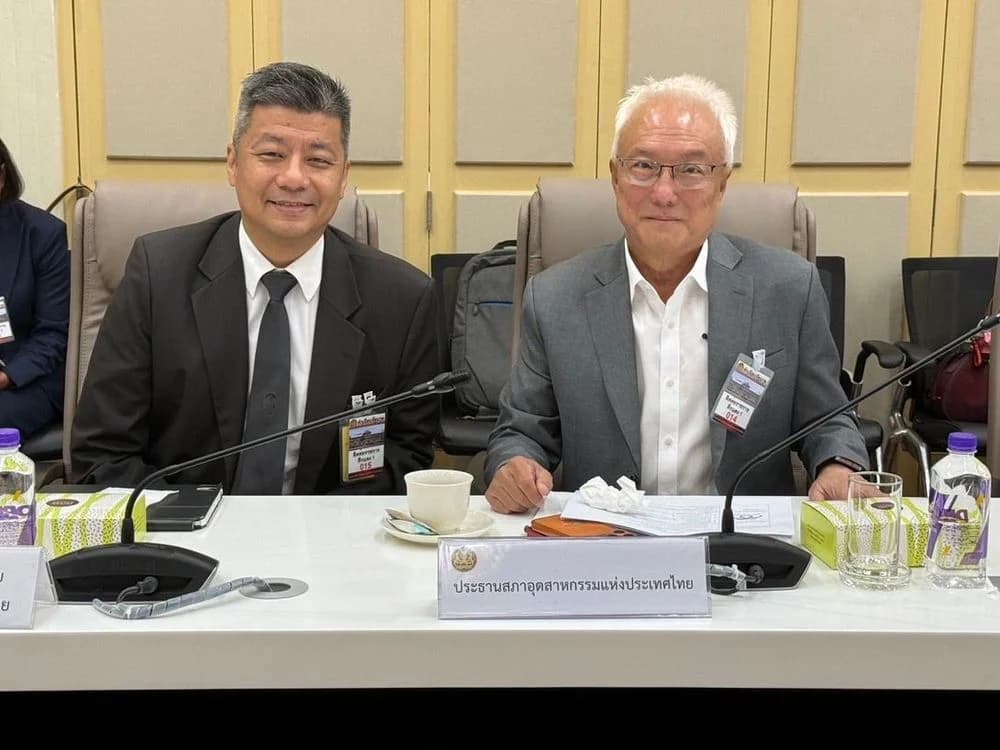
คุณเกรียงไกร เธียรนุกุล ประธานสภาอุตสาหกรรมแห่งประเทศไทย (ส.อ.ท.) กล่าวว่า ปัญหาคอร์รัปชันในวันนี้ไม่ใช่เพียงประเด็นด้านคุณธรรมหรือภาพลักษณ์ของประเทศอีกต่อไป แต่ได้กลายเป็น “ต้นทุนเชิงโครงสร้าง” ที่กัดกร่อนความสามารถในการแข่งขันของภาคอุตสาหกรรมไทยอย่างรุนแรง ในช่วงเวลาที่เศรษฐกิจไทยกำลังเผชิญการเติบโตต่ำ ปัญหาเชิงโครงสร้างสะสมมายาวนาน และแรงกดดันจากการแข่งขันในภูมิภาคที่ทวีความรุนแรงขึ้นอย่างเห็นได้ชัด
หนึ่งในสัญญาณเตือนที่สำคัญ คือ ค่าเงินบาทของไทยที่แข็งค่าผิดไปจากปัจจัยพื้นฐานเศรษฐกิจที่ยังอ่อนแอ โดยในช่วงระหว่างวันที่ 1 มกราคม 2568 ถึง 1 มกราคม 2569 ค่าเงินบาทแข็งค่ากว่า 8% ขณะที่ประเทศคู่แข่งอย่างเวียดนามสามารถบริหารค่าเงินให้อ่อนค่าลงได้ราว 3% ส่งผลให้เกิดส่วนต่างด้านความสามารถในการแข่งขันสูงถึง 10–12% ซึ่งกระทบโดยตรงต่อภาคการส่งออกและภาคการผลิต ซึ่งเป็นเครื่องยนต์หลักของเศรษฐกิจไทย
สถานการณ์ดังกล่าวสะท้อนให้เห็นว่า ประเทศไทยกำลังเผชิญความเสี่ยงจากเงินนอกระบบและทุนสีเทาที่ไหลผ่านช่องโหว่ของระบบเศรษฐกิจและการเงิน ไม่ว่าจะเป็นตลาดสินทรัพย์ดิจิทัลหรือการค้าทองคำ โดยพบว่าปริมาณการเทรดสกุลเงินดิจิทัลในประเทศไทยสูงถึงประมาณ 50% ของปริมาณการเทรดทั้งหมด ขณะที่ค่าเฉลี่ยของโลกอยู่เพียงราว 10% ตัวเลขเหล่านี้ไม่ใช่เรื่องปกติ แต่เป็นสัญญาณเตือนถึงปัญหาเชิงโครงสร้างที่บิดเบือนกลไกตลาด และส่งผลกระทบต่อเสถียรภาพเศรษฐกิจมหภาคของประเทศ
สภาอุตสาหกรรมแห่งประเทศไทย เห็นว่าภาครัฐจำเป็นต้องมีมาตรการกำกับดูแลการค้าทองคำและสินทรัพย์ดิจิทัลอย่างจริงจัง ไม่ปล่อยให้เกิด Free Flow โดยปราศจากการตรวจสอบที่เพียงพอ จนกลายเป็นช่องทางฟอกเงิน ซึ่งจะยิ่งบั่นทอนความเชื่อมั่นของนักลงทุนในช่วงที่เศรษฐกิจไทยกำลังเผชิญกับอัตราการเติบโตต่ำที่สุดในรอบกว่า 30 ปี
กกร. ประเมินว่าอัตราการเติบโตทางเศรษฐกิจของไทยในปี 2569 จะอยู่เพียง 1.6–2.0% และหากยังไม่มีการเร่งปฏิรูปเชิงโครงสร้างอย่างจริงจัง ไทยมีความเสี่ยงที่จะกลายเป็นประเทศที่เติบโตต่ำที่สุดในภูมิภาค และอาจถูกเวียดนามแซงหน้าในด้านขนาดเศรษฐกิจ โดยเวียดนามตั้งเป้าการเติบโตในระดับตัวเลขสองหลัก พร้อมเดินหน้าอุตสาหกรรมเทคโนโลยีและนวัตกรรมอย่างเต็มรูปแบบ ในขณะที่ไทยยังพึ่งพาเครื่องยนต์เดิม คือ การผลิตแบบรับจ้าง (OEM) ที่มีมูลค่าเพิ่มต่ำ เผชิญปัญหาการขาดแคลนแรงงาน ค่าแรงสูง และภาระหนี้ครัวเรือนรวมถึงหนี้นอกระบบที่เกินศักยภาพรายได้ ส่งผลให้กำลังซื้อและการลงทุนชะลอตัวอย่างต่อเนื่อง
ในบริบทเช่นนี้ คอร์รัปชันจึงเป็นต้นทุนที่ใหญ่ที่สุดของประเทศ ทั้งในรูปของกฎระเบียบที่ล้าสมัยและซับซ้อน ซึ่งเปิดช่องให้เกิดการเรียกรับสินบน รวมถึงต้นทุนโลจิสติกส์ที่สูงถึง 15–16% ของ GDP ขณะที่ประเทศคู่แข่งสามารถลดลงมาอยู่ที่ระดับ 9–10% ได้ ความไม่โปร่งใสเหล่านี้เป็นปัจจัยสำคัญที่ทำให้นักลงทุนทั่วโลกลังเลต่อการลงทุนในประเทศไทย
เศรษฐกิจไทยในวันนี้จึงถูกเปรียบเสมือน “เครื่องจักรเก่าที่เต็มไปด้วยสนิมและการรั่วไหล” ต่อให้เร่งเครื่องมากเพียงใด ก็ไม่อาจเดินหน้าได้ หากไม่เร่งซ่อมโครงสร้างและอุดรอยรั่วของคอร์รัปชัน
การขับเคลื่อนแคมเปญ “กกร. และเพื่อนไม่ทน – Zero Corruption” จึงเป็นการประกาศจุดยืนที่ชัดเจนของภาคเอกชนไทยว่า ไม่อาจยอมรับคอร์รัปชันในฐานะเรื่องปกติได้อีกต่อไป
การจัดงานแถลงผลการสำรวจในวันนี้ มีเป้าหมายเพื่อสะท้อนเสียงของสังคมไทยอย่างเป็นรูปธรรม โดยผลการสำรวจครั้งนี้จะเป็นข้อมูลเชิงประจักษ์ที่มีคุณค่าอย่างยิ่งต่อทุกภาคส่วน ทั้งภาคนโยบาย ภาคการเมือง ภาคธุรกิจ และภาคประชาชน ในการชี้ให้เห็นมุมมอง ความคาดหวัง และความห่วงใยของสังคมต่อการแก้ไขปัญหาคอร์รัปชัน ซึ่งเป็นปัจจัยสำคัญต่อเสถียรภาพทางเศรษฐกิจ การลงทุน และบรรยากาศทางธุรกิจของประเทศในระยะยาว
ในโอกาสนี้ สภาอุตสาหกรรมแห่งประเทศไทย ขอยืนยันเจตนารมณ์ในการทำงานร่วมกับ กกร. ภาคีเครือข่าย และทุกภาคส่วน เพื่อสนับสนุนการยกระดับมาตรฐานธรรมาภิบาล ความโปร่งใส และความรับผิดชอบในทุกภาคส่วน โดยการต่อต้านคอร์รัปชันต้องไม่หยุดเพียงแค่การรณรงค์ แต่ต้องร่วมกันผลักดันให้เกิดการลงมือปฏิบัติและการเปลี่ยนแปลงเชิงโครงสร้างอย่างแท้จริง
นอกจากนี้ สภาอุตสาหกรรมแห่งประเทศไทย ขอเรียกร้องให้รัฐบาลทำงานแบบเชื่อมทุกจุดหรือ Connect the Dots เชื่อมโยงข้อมูลระหว่างหน่วยงานที่เกี่ยวข้อง ปรับบทบาทจาก “ผู้ควบคุม” ไปสู่ “ผู้เอื้ออำนวย” หรือ Facilitator ที่ลดกฎระเบียบที่ไม่จำเป็น ลดต้นทุน และสนับสนุนการยกระดับโครงสร้างอุตสาหกรรมไทยไปสู่อุตสาหกรรมมูลค่าสูง นวัตกรรม และเทคโนโลยี เพื่อฟื้นฟูความสามารถในการแข่งขันของประเทศอย่างยั่งยืน
คุณกอบศักดิ์ ดวงดี เลขาธิการสมาคมธนาคารไทย ย้ำจุดยืนว่า ปัญหาคอร์รัปชันคือโจทย์เชิงโครงสร้างที่ส่งผลกระทบโดยตรงต่อความเชื่อมั่น (Trust and Confidence) ในระบบเศรษฐกิจไทย และเป็นอุปสรรคสำคัญต่อการพัฒนาประเทศในเวทีโลก ภาคธุรกิจจึงต้องการ “สนามแข่งขันที่เท่าเทียม” ที่ปราศจากอิทธิพลจากธุรกิจสีเทา เพื่อสร้างความมั่นใจให้แก่นักลงทุนและเสริมสร้างขีดความสามารถในการแข่งขันของชาติอย่างยั่งยืน
ทั้งนี้ สมาคมฯ พร้อมขับเคลื่อนแนวคิด Reinvent Thailand โดยเปลี่ยนผลสำรวจความคิดเห็นในครั้งนี้ให้เป็นข้อมูลเชิงประจักษ์ เพื่อจัดทำเป็นข้อเสนอเชิงนโยบายที่นำไปสู่การปฏิบัติได้จริง (High Impact) มุ่งเน้นความโปร่งใส ตรวจสอบได้ และร่วมปลดล็อกห่วงโซ่คอร์รัปชันให้หมดไปจากระบบเศรษฐกิจและสังคมไทยอย่างถาวรผ่านการทำงานเชิงรุกร่วมกับภาคีเครือข่าย ในนามของสมาคมธนาคารไทย ขอยืนยันเจตนารมณ์ในการยกระดับมาตรฐานธรรมาภิบาลและความรับผิดชอบในทุกภาคส่วน โดยจะไม่หยุดเพียงแค่การรณรงค์ แต่พร้อมสนับสนุนให้เกิดการเปลี่ยนแปลงเชิงโครงสร้างและสร้างวัฒนธรรมการไม่ทนต่อการทุจริต เพื่อสร้างระบบเศรษฐกิจไทยที่เข้มแข็ง เป็นธรรม และได้รับความเชื่อมั่นจากประชาชนและสังคมอย่างแท้จริง
รศ.ดร.เสาวณีย์ ไทยรุ่งโรจน์ ที่ปรึกษาประจำสภามหาวิทยาลัยหอการค้าไทย และคณะทำงาน Zero Corruption: กกร. และเพื่อน ไม่ทน เปิดเผยผลสำรวจความคิดเห็นต่อนโยบายต่อต้านคอร์รัปชันของพรรคการเมืองและนักการเมืองไทยในการเลือกตั้ง 2569 ว่า ประชาชนและภาคธุรกิจเห็นตรงกัน คอร์รัปชันเป็นวิกฤตแห่งชาติ ผลสำรวจพบว่า 77% ของประชาชนและ 97% ของภาคธุรกิจมองว่าปัญหาคอร์รัปชันในไทยมีความรุนแรงมาก โดย 48% ของประชาชนและ
22% ของภาคธุรกิจระบุว่าการทุจริตคอร์รัปชันเป็นปัญหาสำคัญอันดับต้นๆ ของประเทศที่ต้องแก้ไขเร่งด่วน รองจากปัญหาเศรษฐกิจและคุณภาพชีวิต
ภาคธุรกิจได้รับผลกระทบโดยตรง โดย 71% มองว่าคอร์รัปชันที่เชื่อมโยงกับอาชญากรรมข้ามชาติเป็นภัยคุกคามร้ายแรงต่อความมั่นคงของประเทศ และ 38% ระบุว่าทำให้การแข่งขันทางธุรกิจไม่เป็นธรรม
พฤติกรรมที่เบื่อหน่ายที่สุด "ดีแต่พูด" "รัฐมนตรีเทา" และ "ผลประโยชน์ทับซ้อน" ประชาชนและภาคธุรกิจเบื่อหน่ายพฤติกรรมของนักการเมือง 3 อันดับแรก ได้แก่ "รัฐมนตรีเทา" คนมีมลทินยังได้เสวยอำนาจ (28%), "ดีแต่พูด" นโยบายต่อต้านโกงมีไว้แค่หาเสียง (20-22%) และ "ผลประโยชน์ทับซ้อน" ใช้อำนาจเอื้อธุรกิจพวกพ้อง (17%)
"หัวหน้าพรรค" ต้องรับผิดชอบหลัก – ตัวแปรสำคัญที่ต้องคัดกรองเข้มข้นที่สุด 91% ของภาคธุรกิจและ 68% ของประชาชนเห็นด้วยอย่างยิ่งว่าหัวหน้าพรรคต้องรับผิดชอบต่อการแก้ไขปัญหาคอร์รัปชันในพรรคมากที่สุด นอกจากนี้ 44% ของภาคธุรกิจและ 53% ของประชาชนระบุว่า "หัวหน้าพรรค" คือตัวแปรสำคัญที่พรรคต้องคัดกรองให้เข้มข้นที่สุด
มาตรการที่เรียกร้อง เข้มงวด โปร่งใส มีส่วนร่วม มาตรการที่รัฐบาลควรให้ความสำคัญ ได้แก่ รับฟังเสียงประชาชนและสร้างการมีส่วนร่วม (30%), เปิดเผยข้อมูลสาธารณะให้เข้าถึงง่าย (29%) และมีการกำกับควบคุม ถอดถอน ลงโทษหากมีการทุจริต (15-28%) สำหรับมาตรการที่พรรคการเมืองควรมี อันดับต้นๆ คือ ไม่รับบุคคลที่มีประวัติคดีโกงเข้าพรรค, ห้ามแต่งตั้งรัฐมนตรีเทา และลาออกทั้งคณะหากหัวหน้าพรรคทุจริต
ภาคเอกชนพร้อมเป็นผู้นำการเปลี่ยนแปลง 66% ของภาคธุรกิจสนับสนุนอย่างเต็มที่ให้องค์กรภาคธุรกิจประกาศจุดยืนชัดเจนในการต่อต้านคอร์รัปชันและตัดความสัมพันธ์กับนักการเมืองที่ทุจริต โดย 42% มองว่า กกร. และองค์กรภาคเอกชนควรเป็นผู้นำในการผลักดันการปฏิรูปและทำลายวงจรคอร์รัปชัน
เรียกร้องพันธสัญญาชัดเจน 88% ของภาคธุรกิจและ 70% ของประชาชนให้ความสำคัญกับนโยบายต่อต้านคอร์รัปชันในการตัดสินใจเลือกตั้ง โดย 34% ของภาคธุรกิจและ 33% ของประชาชนระบุว่าเป็นปัจจัยหลักในการตัดสินใจ
และกล่าวปิดท้าย ว่า ในนามคณะทำงาน Zero Corruption: กกร. และเครือข่าย "เพื่อนไม่ทน" ขอเรียกร้องให้พรรคการเมืองทุกพรรคประกาศพันธสัญญาต่อต้านคอร์รัปชันอย่างชัดเจนและเข้มงวดก่อนการเลือกตั้งวันที่ 8 กุมภาพันธ์ 2569 เพื่อปฏิบัติจริงและสามารถติดตามผลได้อย่างต่อเนื่อง ภายใต้เป้าหมาย Zero Corruption เพื่อสร้างประเทศไทยที่โปร่งใส เป็นธรรม และยั่งยืน
รศ.ดร. ธนวรรธน์ พลวิชัย อธิบการบดีมหาวิทยาลัยหอการค้าไทย และคณะทำงาน Zero Corruption: กกร. และเพื่อน ไม่ทน กล่าวว่า ผลการสำรวจในครั้งนี้ชี้ให้เห็นว่า ทั้งภาคประชาชน และภาคธุรกิจให้ความสำคัญ กับ การแก้ไขปัญหาทุจริตคอร์รัปชันเป็นอย่างมาก โดยต้องการให้รัฐบาลและพรรคการเมืองต่าง ๆ แก้ไขปัญหานี้มากที่สุดเป็นอันดับ 2 รองจากการแก้ไขปัญหาด้านเศรษฐกิจ และมีความคาดหวังให้รัฐบาลและพรรคการเมืองต่าง ๆ ดำเนินการเรื่องนี้อย่างจริงจัง โดยรัฐบาลต้องบริหารงานด้วยความโปร่งใสและให้ภาคประชาชนมีส่วนร่วมในการตรวจสอบการทำงานของรัฐบาล
ทั้งนี้ ผลสำรวจชี้ว่าภาคประชาชนและภาคธุรกิจ แสดงเจตนารมณ์ที่ชัดเจนว่าการมีนโยบายและประกาศนโยบายการต่อต้าน
การทุจริตคอร์รัปชันที่ชัดเจน เป็นปัจจัยสำคัญในการตัดสินใจเลือกพรรคการเมืองนั้น เพราะภาคประชาชน และ ภาคธุรกิจเห็นว่า การรทุจริตคอร์รัปชันเป็นปัญหาที่รุนแรง และต้องการให้รัฐบาลใหม่เข้ามาแก้ไขปัญหาอย่างเร่งด่วนและบังคับใช้กฎหมายอย่างจริงจัง
คุณธิปไตร แสละวงศ์ นักวิจัยอาวุโส TDRI และคณะทำงาน Zero Corruption: กกร. และเพื่อน ไม่ทน กล่าวว่า สถานการณ์คอร์รัปชันในปัจจุบันทวีความรุนแรงและซับซ้อนขึ้น โดยเฉพาะการเรียกรับสินบนในโครงการจัดซื้อจัดจ้างภาครัฐที่สูงถึงร้อยละ 20–30 ของมูลค่าโครงการ รวมถึงความเชื่อมโยงกับอาชญากรรมข้ามชาติและสแกมเมอร์ ซึ่งในปี 2568 สร้างความเสียหายต่อประชาชนกว่า 2.5 หมื่นล้านบาท คณะทำงานฯ จึงเสนอวาระเร่งด่วนที่รัฐบาลต้องดำเนินการภายใน 1 ปี ได้แก่ การผลักดันกฎหมายป้องกันการฟอกเงินและมาตรการตรวจสอบธุรกรรมคริปโตเคอร์เรนซี การสร้างความร่วมมือระดับสากลโดยเฉพาะกับ “คณะทำงานเฉพาะกิจต่อต้านสแกม (Scam Center Strike Force)” ของสหรัฐฯ เพื่อกำกับให้แพลตฟอร์มออนไลน์ต้องติดตามและปิดกั้นบัญชีที่มีพฤติกรรมหลอกลวง รวมถึงเร่งบังคับใช้ พ.ร.บ. เศรษฐกิจแพลตฟอร์มดิจิทัล เพื่อให้ผู้ให้บริการร่วมรับผิดชอบต่อความเสียหาย และกำหนดให้โครงการภาครัฐมูลค่าสูงต้องเข้าร่วม "ข้อตกลงคุณธรรม (Integrity Pact)" เพื่อความโปร่งใสอย่างเป็นรูปธรรม
สำหรับเป้าหมายระยะยาวภายใน 4 ปี รัฐบาลควร ยกระดับดัชนีภาพลักษณ์การคอร์รัปชัน (CPI) และดัชนีหลักนิติธรรม (Rule of Law) ให้เทียบเท่าค่าเฉลี่ยของกลุ่มประเทศ OECD ผ่านการปฏิรูปกระบวนการขออนุญาตประกอบธุรกิจเพื่อขจัดช่องทางการติดสินบน รวมถึงปฏิรูปโครงสร้างกระบวนการยุติธรรมและกิจการตำรวจให้มีความโปร่งใสในการแต่งตั้งโยกย้าย พร้อมกันนี้ต้องเร่งปราบปรามอาชญากรรมองค์กร อาทิ ยาเสพติดและการค้ามนุษย์ เพื่อลดดัชนีอาชญากรรมองค์กรโลก (Global Organized Crime Index) ให้ต่ำลง ซึ่งจะเป็นรากฐานสำคัญในการสร้างความเชื่อมั่นและฟื้นฟูเสถียรภาพทางเศรษฐกิจของประเทศในระยะยาว
ปิดท้าย ภาคเอกชนส่งสารถึงพรรคการเมือง การปราบโกงต้อง ทำได้จริง เห็นผลจริง กล้าลงโทษแม้เป็นคน ในพรรคปฏิรูปหน่วยงานที่คอร์รัปชันฝังรากลึก และไม่สนับสนุนผู้มีประวัติทุจริตในการเลือกตั้ง
………………………………
หมายเหตุ : เครือข่าย Zero Corruption: กกร. และ "เพื่อนไม่ทน" ได้แก่ องค์กรต่อต้านคอร์รัปชัน (ประเทศไทย) (ACT), แนวร่วมต่อต้านคอร์รัปชันของภาคเอกชนไทย (CAC) และ สถาบันเพื่อการยุติธรรมแห่งประเทศไทย (TIJ)
หน่วยงานวิชาการ: มหาวิทยาลัยหอการค้าไทย และ สถาบันวิจัยเพื่อการพัฒนาประเทศไทย (TDRI)
หน่วยงานราชการ : สำนักงานคณะกรรมการป้องกันและปราบปรามการทุจริตแห่งชาติ (ป.ป.ช.) และ สำนักงานคณะกรรมการป้องกันและปราบปรามการทุจริตในภาครัฐ (ป.ป.ท.)
เครือข่ายเอกชน : ตลาดหลักทรัพย์แห่งประเทศไทย, สภาผู้ส่งสินค้าทางเรือแห่งประเทศไทย, สภาอุตสาหกรรมท่องเที่ยวฯ, สภาธุรกิจตลาดทุนไทย, สภาวิชาชีพบัญชีฯ, สมาคมส่งเสริมผู้ลงทุนไทย, หอการค้าร่วมต่างประเทศในประเทศไทย (JFCCT) รวมถึงสมาคมการค้าต่าง ๆ ทั้ง สมาคมตลาดสดไทย, สมาคมผู้ค้าปลีกไทย, สมาคมโรงแรมไทย, สมาคมภัตตาคารไทย, BTS, และ Central Retail
On January 15, 2026, the Joint Committee of Three Private Sectors (JCP) together with the "We Will Not Tolerate" network announced the results of a public and business sentiment survey regarding the anti-corruption policies of political parties and politicians in Thailand. The survey included 3,043 samples from the public and 1,771 samples from the business sector nationwide, aiming to propel Thailand towards Zero Corruption.
The survey revealed that 77% of the public and 97% of the business sector view corruption as a serious problem, with over 70% indicating that anti-corruption policies are a key factor in their voting decisions. The most frustrating behaviors included "grey ministers," "good at talking," and "conflict of interest," with a consensus that party leaders must be held accountable for corruption within their parties.
Dr. Phaj Aramwattananon, Chairperson of the Thai Chamber of Commerce and the Federation of Thai Industries, and Chair of the Zero Corruption Taskforce: JCP and We Will Not Tolerate.
The private sector is increasingly aware of the significant issue that not only undermines the country's competitiveness but also hinders Thailand's economic system from regaining the confidence of investors and foreign trading partners—namely, the "corruption problem." This led to the establishment of the "Zero Corruption Taskforce: JCP and We Will Not Tolerate," with the Thai Chamber of Commerce, the Federation of Thai Industries, and the Thai Bankers' Association being the main bodies aggregating proposals from the business and civil society sectors to develop systematic policy proposals for the government to implement effectively, aiming to rebuild investor confidence and create a transparent, fair, and sustainable economic-political system in the long term.
Amid an economic crisis that requires stability and sustainable growth, the "corruption problem" remains a significant obstacle undermining the country's competitive capacity. Therefore, the task force has accelerated the operational framework of the "6 Anti-Corruption Areas" to achieve tangible results, starting with Strategy 1: instilling a sense of awareness within the operational framework in the short term by campaigning against "choosing corrupt individuals" towards the Zero Corruption goal, which is part of the campaign "We Will Not Tolerate Corruption" or "If there is no anti-corruption policy, we will not vote." Moreover, the task force, in collaboration with the University of the Thai Chamber of Commerce, has conducted a public opinion survey regarding political parties' anti-corruption policies before the election on February 8, 2026, and will announce the survey results today. Additionally, there is a campaign inviting people to place Zero Corruption stickers: JCP and We Will Not Tolerate, in collaboration with various networks, to express a commitment against corruption in all forms while empowering citizens to vote for transparent parties.
Mr. Kriangkrai Theeranukul, President of the Federation of Thai Industries (FTI), stated that the corruption issue today is no longer merely a moral or image-related problem but has become a "structural cost" that severely erodes the competitive ability of the Thai industry at a time when the Thai economy faces low growth, enduring structural problems for a prolonged period, and intensified competitive pressures from the region.
One significant warning signal is the Thai baht, which has appreciated incorrectly against the still weak economic fundamentals. Between January 1, 2025, and January 1, 2026, the baht appreciated by more than 8%, while a competitor like Vietnam managed to depreciate its currency by about 3%, resulting in a significant competitiveness gap of 10-12%, which directly impacts the export and manufacturing sectors, the main engines of the Thai economy.
This situation reflects that Thailand is facing risks from off-market funds and grey capital that seep through loopholes in the economic and financial system, whether in the digital asset market or gold trading. It was found that the trading volume of cryptocurrencies in Thailand accounted for about 50% of the total trading volume, while the global average is only about 10%. These figures are abnormal but serve as warnings about structural issues that distort market mechanisms and undermine the country's macroeconomic stability.
The Federation of Thai Industries asserts that the government must implement serious oversight measures on gold and digital asset trading, ensuring that free flow without adequate checks does not become a money laundering channel, which would further undermine investor confidence at a time when the Thai economy is experiencing its lowest growth rate in over 30 years.
The JCP estimates that Thailand's economic growth rate in 2026 will be only 1.6-2.0%. Should there be no urgent significant structural reforms, Thailand risks becoming the slowest-growing country in the region and may be surpassed by Vietnam in terms of economic size, as Vietnam aims for double-digit growth while fully advancing its technology and innovation industries, whereas Thailand still relies on the low-value-added OEM manufacturing model, facing labor shortages, high wages, and household debts, including debts beyond income capacity, which continuously dampens purchasing power and investment.
In this context, corruption thus represents the greatest cost to the country in both outdated and complicated regulations that open avenues for bribery and logistics costs that amount to 15-16% of GDP, while competing countries have reduced this to 9-10%. Such lack of transparency is a crucial factor that makes global investors hesitant to invest in Thailand.
Today’s Thai economy resembles an "aging machine full of rust and leaks" that cannot progress regardless of how much acceleration it receives unless structural repairs and corruption leaks are urgently addressed.
The campaign to drive "JCP and We Will Not Tolerate – Zero Corruption" thus signals a clear stance of the private sector in Thailand that it cannot accept corruption as normal any longer.
The press conference today aims to effectively reflect the voice of Thai society. The results from this survey will provide invaluable empirical data for all sectors, including policy, politics, business, and civil society, to highlight perspectives, expectations, and concerns regarding anti-corruption measures, which are crucial for economic stability, investment, and the overall business climate of the country in the long term.
On this occasion, the Federation of Thai Industries reaffirms its commitment to work with JCP, network partners, and all sectors to support enhancing governance standards, transparency, and accountability across all sectors. The fight against corruption must extend beyond mere campaigns; it must also push for concrete structural changes.
Additionally, the Federation of Thai Industries calls on the government to connect every point or Connect the Dots by linking data among relevant agencies and transitioning from a "regulator" to a "facilitator" role, reducing unnecessary regulations, lowering costs, and supporting the upgrade of the Thai industrial structure to high-value industries, innovation, and technology to sustainably restore the country's competitive ability.
Mr. Kob Sakkiduangdee, Secretary-General of the Thai Bankers' Association, emphasized that the issue of corruption is a structural challenge that directly affects trust and confidence in the Thai economy and is a significant obstacle to the nation's development in the global arena. Therefore, the business sector seeks a "level playing field" free from the influence of grey businesses to instill confidence in investors and enhance the country's competitive edge sustainably.
The association is ready to drive the concept of Reinvent Thailand by transforming the results of this survey into empirical data to formulate high-impact policy proposals focused on transparency, accountability, and jointly eliminating the corruption chain from the Thai economy and society permanently. On behalf of the Thai Bankers' Association, I reiterate our commitment to enhancing governance standards and accountability across all sectors, not stopping merely at campaigning but supporting structural changes and fostering a culture intolerant of corruption to build a strong, fair Thai economy that truly earns the confidence of the people and society.
Assoc. Prof. Dr. Sawanee Thairungroj, Advisor to the Council of the University of the Thai Chamber of Commerce and member of the Zero Corruption Taskforce: JCP and We Will Not Tolerate, revealed survey results on anti-corruption policies of political parties and politicians during the 2026 elections, indicating that both the public and the business sector agree that corruption is a national crisis. The survey found that 77% of the public and 97% of the business sector viewed the corruption issue in Thailand as very serious, with 48% of the public and 22% of the business sector identifying corruption as a top priority problem that requires urgent resolution, next to economic issues and quality of life.
The business sector has been directly affected, with 71% viewing corruption related to transnational crime as a serious threat to national security, and 38% indicating that it undermines fair business competition.
The most frustrating behaviors include "good at talking," "grey ministers," and "conflict of interest." The top three frustrating behaviors of politicians identified by both the public and the business sector are "grey ministers," who with dark records still hold power (28%), "good at talking," where anti-corruption policies are merely for election campaigns (20-22%), and "conflict of interest," where power is used to favor businesses of acquaintances (17%).
The "party leader" must hold the primary responsibility – with 91% of the business sector and 68% of the public strongly agreeing that party leaders should be primarily responsible for addressing corruption issues within their parties. Furthermore, 44% of the business sector and 53% of the public assert that the "party leader" is the crucial variable that must be strictly screened.
Measures requested include strictness, transparency, and participation. The government should prioritize measures such as listening to citizens and fostering participation (30%), making public information easily accessible (29%), and implementing oversight, removal, and penalties for corruption (15-28%). For political parties, top measures include rejecting individuals with a history of corruption, prohibiting appointments of grey ministers, and collective resignation if the party leader is corrupt.
The private sector is ready to lead the change, with 66% of the business sector fully supporting the declaration of a clear stance against corruption and severing ties with corrupt politicians. About 42% believe that JCP and private sector organizations should lead the push for reform and dismantling the corruption cycle.
Clear commitments are demanded, with 88% of the business sector and 70% of the public placing importance on anti-corruption policies in their voting decisions, while 34% of the business sector and 33% of the public indicate it as a primary factor in their decision-making.
In conclusion, on behalf of the Zero Corruption Taskforce: JCP and the "We Will Not Tolerate" network, we call on all political parties to declare a clear and rigorous commitment to anti-corruption before the election on February 8, 2026, to enact practical measures that can be continuously monitored under the Zero Corruption aim, to build a transparent, fair, and sustainable Thailand.
Assoc. Prof. Dr. Thanawut Pholwichai, President of the University of the Thai Chamber of Commerce and member of the Zero Corruption Taskforce: JCP and We Will Not Tolerate, stated that the survey results highlight that both the public and the business sector prioritize addressing corruption, ranking it as the second most critical issue after economic problems, and they expect the government and political parties to take this issue seriously, with the government needing to operate transparently and involving citizens in overseeing governmental actions.
The results indicate that both the public and the business sector exhibit a clear intention that having a clear anti-corruption policy is a crucial factor in their decision-making regarding political parties, as they perceive corruption as a serious issue that requires immediate action from the new government and robust enforcement of laws.
Mr. Thiptai Salevong, Senior Researcher at TDRI and member of the Zero Corruption Taskforce: JCP and We Will Not Tolerate, stated that the current corruption situation is escalating in severity and complexity. Particularly, it is suggested that bribery in public procurement projects reaches 20-30% of project value, including links to transnational crime and scammers, which in 2026 resulted in losses amounting to over 25 billion baht for the citizens. The task force proposes urgent initiatives for the government to implement within one year, which include advancing anti-money laundering laws and cryptocurrency transaction oversight measures, forming international cooperation especially with the US "Scam Center Strike Force" to ensure online platforms monitor and block deceptive accounts, and urgently enforcing the Digital Platforms Economic Act to ensure service providers are accountable for damages. Furthermore, high-value public projects must participate in the "Integrity Pact" for tangible transparency.
For the long-term goal within four years, the government should elevate the Corruption Perception Index (CPI) and Rule of Law Index to meet the OECD country averages by reforming business licensing processes to eliminate avenues for bribery and restructuring the justice system and police operations to ensure transparency in appointments and transfers, while intensifying the crackdown on organized crime, such as drug-related crimes and human trafficking, to lower the Global Organized Crime Index. This will underpin building confidence and restoring economic stability in the long run.
In closing, the private sector sends a message to political parties that the fight against corruption must translate into real actions, yielding tangible results, and must be bold enough to penalize even those within reformist parties that have deeply rooted corruption and not support individuals with a history of corruption in elections.
………………………………
Note: The Zero Corruption Network: JCP and "We Will Not Tolerate" includes the Anti-Corruption Organization (Thailand) (ACT), the Private Sector Coalition Against Corruption (CAC), and the Thailand Institute of Justice (TIJ). Academic bodies include the University of the Thai Chamber of Commerce and the Thailand Development Research Institute (TDRI). Government agencies include the National Anti-Corruption Commission (NACC) and the Office of the Public Sector Anti-Corruption Commission (PACC).
Private sector networks: The Stock Exchange of Thailand, the Council of Marine Exporters of Thailand, the Thailand Tourism Industry Council, the Thai Capital Market Business Council, the Accounting Profession Council, the Thai Investor Promotion Association, the Joint Foreign Chambers of Commerce in Thailand (JFCCT), as well as various trade associations such as the Thai Fresh Market Association, the Thai Retailers Association, the Hotel Association of Thailand, the Thai Restaurant Association, BTS, and Central Retail.