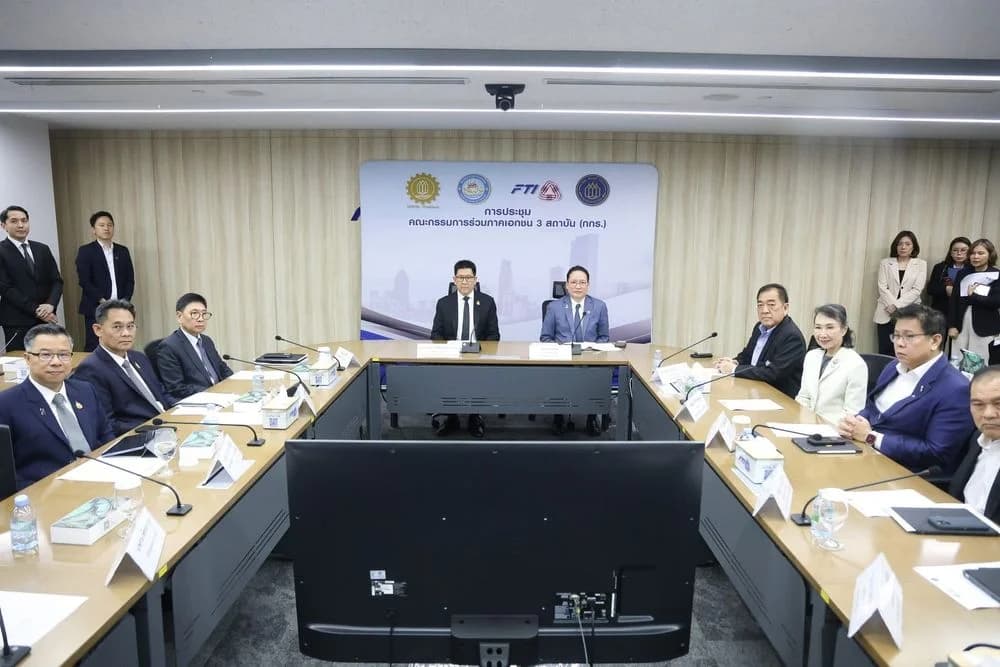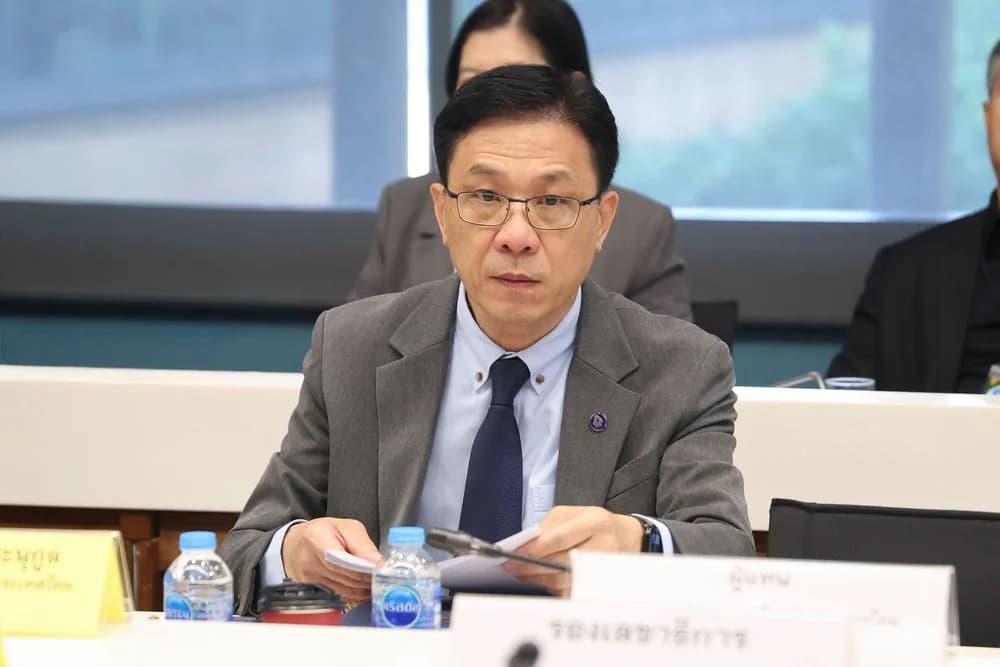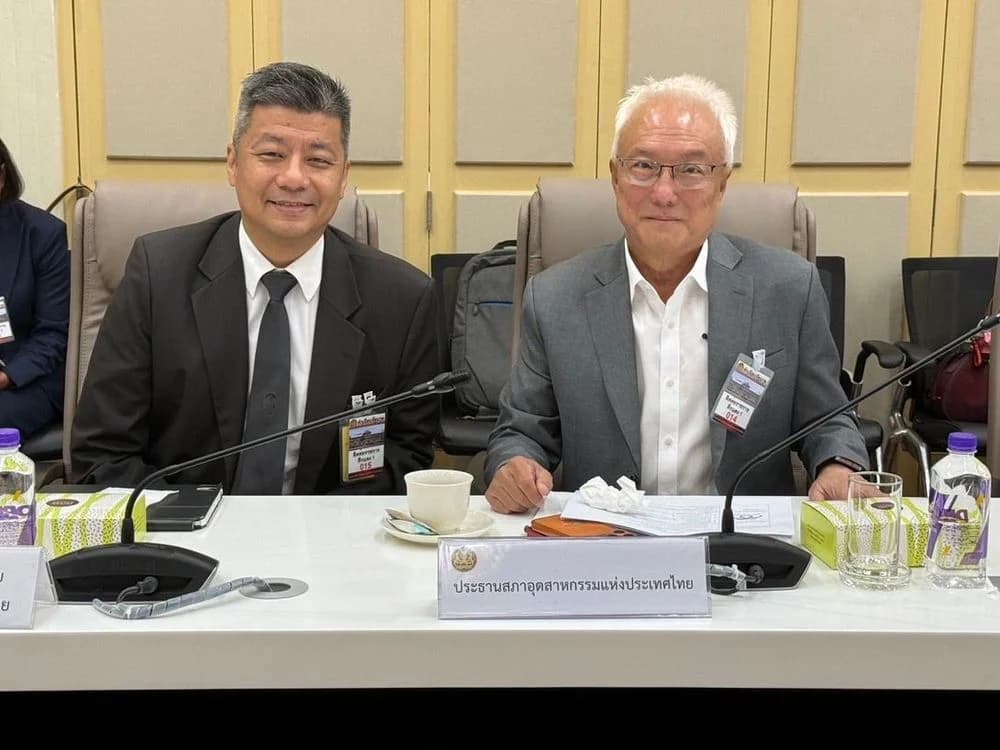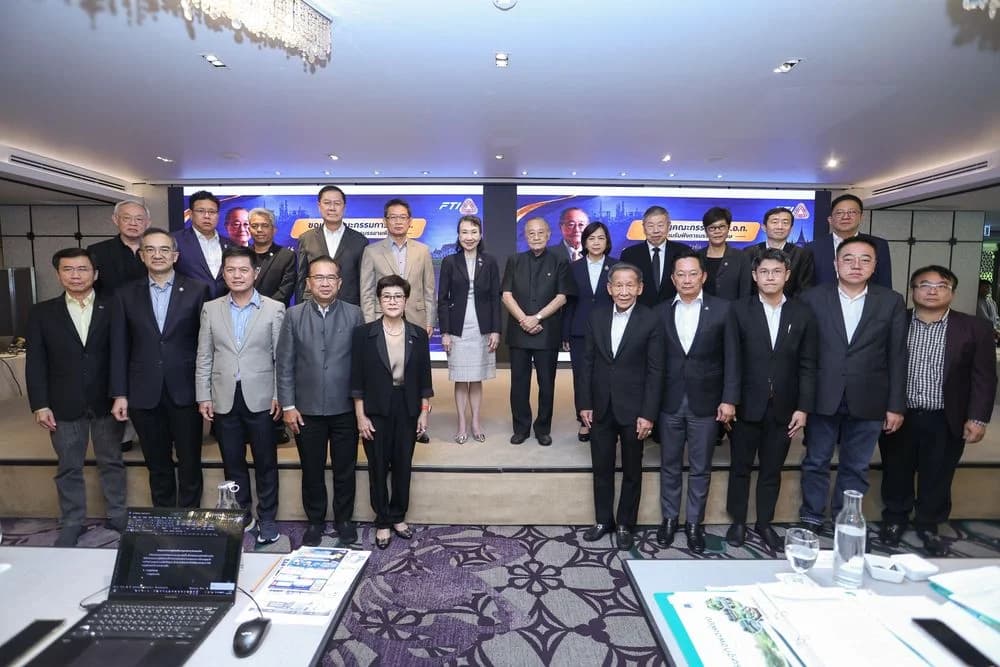

เมื่อวันที่ 2 มีนาคม 2569 นายเกรียงไกร เธียรนุกุล ประธานสภาอุตสาหกรรมแห่งประเทศไทย (ส.อ.ท.) เข้าร่วมการประชุมประเมินสถานการณ์การสู้รบในภูมิภาคตะวันออกกลาง โดยมีนายอนุทิน ชาญวีรกูล นายกรัฐมนตรีและรัฐมนตรีว่าการกระทรวงมหาดไทย เป็นประธานการประชุม พร้อมด้วยนายเอกนิติ นิติทัณฑ์ประภาศ รองนายกรัฐมนตรีและรัฐมนตรีว่าการกระทรวงการคลัง และนายพิพัฒน์ รัชกิจประการ รองนายกรัฐมนตรีและรัฐมนตรีว่าการกระทรวงคมนาคม รวมถึงรัฐมนตรีว่าการกระทรวงที่เกี่ยวข้องด้านเศรษฐกิจ ปลัดกระทรวง หัวหน้าหน่วยงานที่เกี่ยวข้อง และผู้แทนภาคเอกชนจากคณะกรรมการร่วมภาคเอกชน 3 สถาบัน (กกร.) ณ ตึกภักดีบดินทร์ ทำเนียบรัฐบาล
นายกรัฐมนตรีแถลงผลการประชุมว่า ได้เชิญหน่วยงานภาครัฐและเอกชนที่เกี่ยวข้องด้านเศรษฐกิจเข้าร่วมประชุม เพื่อให้ทุกฝ่ายรับทราบสถานการณ์ที่เกิดขึ้น รวมถึงแนวทางในการรับมือ โดยประเมินว่าประเทศไทยจะได้รับผลกระทบจากความขัดแย้งในภูมิภาคตะวันออกกลางอยู่บ้าง แต่ยังอยู่ในระดับที่สามารถบริหารจัดการและป้องกันไม่ให้เกิดผลกระทบรุนแรงได้ ทั้งนี้ ในทุกวิกฤตยังมีโอกาส และรัฐบาลจะพยายามสร้างโอกาสดังกล่าวให้เกิดขึ้นกับประเทศอย่างเต็มที่
ในภาพรวม ได้หารือร่วมกับสำนักงานสภาพัฒนาการเศรษฐกิจและสังคมแห่งชาติ (สศช.) และกระทรวงการคลัง ก่อนการประชุม โดยประเมินว่าสถานการณ์ปัจจุบันยังมีความไม่แน่นอน และอาจส่งผลต่อต้นทุนต่าง ๆ โดยเฉพาะต้นทุนการขนส่งสินค้า ขณะที่ราคาน้ำมันในตลาดโลกมีแนวโน้มปรับตัวสูงขึ้นในระยะหนึ่ง อย่างไรก็ตาม การผลิตน้ำมันดิบยังมีปริมาณส่วนเกินในตลาดโลกอยู่ในระดับสูง ส่งผลให้ผลกระทบด้านราคาน้ำมันดิบยังมีอยู่ แต่ไม่มากนัก
ด้านความมั่นคงทางพลังงาน ประเทศไทยยังอยู่ในระดับที่สามารถควบคุมสถานการณ์ได้ โดยมีการสำรองพลังงานและน้ำมันเชื้อเพลิงในปริมาณเพียงพอ ไม่ก่อให้เกิดความเดือดร้อนแก่ประชาชน และไม่ส่งผลกระทบต่อเศรษฐกิจอย่างมีนัยสำคัญ ทั้งนี้ สิ่งสำคัญเร่งด่วนคือการให้ความช่วยเหลือประชาชนและแรงงานไทยในพื้นที่เสี่ยง โดยกระทรวงการต่างประเทศได้ประสานสถานเอกอัครราชทูตไทยในแต่ละประเทศ เพื่ออำนวยความสะดวกและดูแลความปลอดภัย หากมีความประสงค์เดินทางกลับประเทศไทย รัฐบาลได้ประสานกระทรวงคมนาคมและกองทัพ เพื่อเตรียมจัดอากาศยานรับคนไทย โดยเฉพาะในประเทศอิหร่าน ซึ่งได้เตรียมการไว้เรียบร้อยแล้ว
สำหรับภาคเอกชน นายเกรียงไกร กล่าวถึงผลกระทบด้านพลังงานว่า ประเทศไทยยังมีน้ำมันสำรองเพียงพอสำหรับการใช้งานประมาณ 60 วัน และมีแผนสำรองในการนำเข้าน้ำมันจากแหล่งอื่นได้ อย่างไรก็ตาม ผลกระทบหลักจะอยู่ที่ความผันผวนของราคาน้ำมันในตลาดโลก ซึ่งขึ้นอยู่กับสถานการณ์ในภูมิภาค ประกอบกับยังมีปริมาณน้ำมันดิบส่วนเกินในตลาดโลกในระดับสูง
ทั้งนี้ โจทย์สำคัญของประเทศไทยคือการพลิกวิกฤตให้เป็นโอกาส ตามที่นายกรัฐมนตรีได้กล่าวไว้ โดยประเทศในตะวันออกกลางมีความต้องการด้านความมั่นคงทางอาหาร (Food Security) ซึ่งเป็นจุดแข็งของไทยในการขยายการส่งออกสินค้าเกษตรและอาหารในอนาคต
นอกจากนี้ การที่ประเทศไทยวางบทบาทเป็นประเทศที่เป็นกลางและเป็นมิตรกับทุกฝ่าย จะช่วยดึงดูดการลงทุนโดยตรงจากต่างประเทศ (FDI) และผลักดันให้ประเทศไทยก้าวสู่การเป็น “สวิตเซอร์แลนด์แห่งการลงทุน” ในภูมิภาคต่อไป
On March 2, 2026, Mr. Kriangkrai Thiennukul, Chairman of the Federation of Thai Industries (FTI), participated in a meeting assessing the ongoing conflict situation in the Middle East, presided over by Prime Minister Anutin Charnvirakul, who is also the Minister of Interior. The meeting included Deputy Prime Minister and Minister of Finance Ekkanit Nitithanprapas, Deputy Prime Minister and Minister of Transport Pipat Ratchakitprakarn, as well as relevant ministers, permanent secretaries, heads of related agencies, and representatives from the private sector from the Joint Private Sector Committee of three organizations (JPS) at the Phakdi Bodin Building, Government House.
The Prime Minister announced the meeting results, stating that representatives from relevant government agencies and the private sector were invited to discuss the current situation and response strategies. It was assessed that Thailand would experience some impact from the conflict in the Middle East, but that this is at a manageable level that can prevent severe repercussions. He emphasized that every crisis presents opportunities, and the government aims to fully create these opportunities for the country.
In general, discussions were held with the National Economic and Social Development Council (NESDC) and the Ministry of Finance prior to the meeting, assessing that the current situation still carries uncertainties which may affect various costs, particularly transportation costs. Additionally, global oil prices are expected to rise for some time. However, crude oil production remains at a high level, indicating that the impact on crude oil prices is present but not significantly pronounced.
In terms of energy security, Thailand is currently able to manage the situation with sufficient energy and fuel reserves, ensuring no significant trouble for the public and no major impacts on the economy. Importantly, urgent assistance must be provided to Thai citizens and workers in at-risk areas. The Ministry of Foreign Affairs has coordinated with Thai embassies in each country to facilitate and ensure safety for those wishing to return to Thailand. The government has coordinated with the Ministry of Transport and the military to prepare aircraft to repatriate Thais, particularly from Iran, where plans are already in place.
Regarding the private sector, Mr. Kriangkrai mentioned the impact on energy that Thailand currently has enough fuel reserves for about 60 days of usage and plans to import oil from other sources as a backup. However, the main impact lies in the volatility of global oil prices, influenced by regional situations and the still-high surplus of crude oil in the global market.
Ultimately, Thailand's crucial challenge is turning crisis into opportunity, as emphasized by the Prime Minister, given that Middle Eastern countries have demands for food security, which is a strong point for Thailand to expand agricultural and food exports in the future.
Furthermore, Thailand's role as a neutral and friendly nation will attract Foreign Direct Investment (FDI) and push Thailand toward becoming the “Switzerland of Investment” in the region.