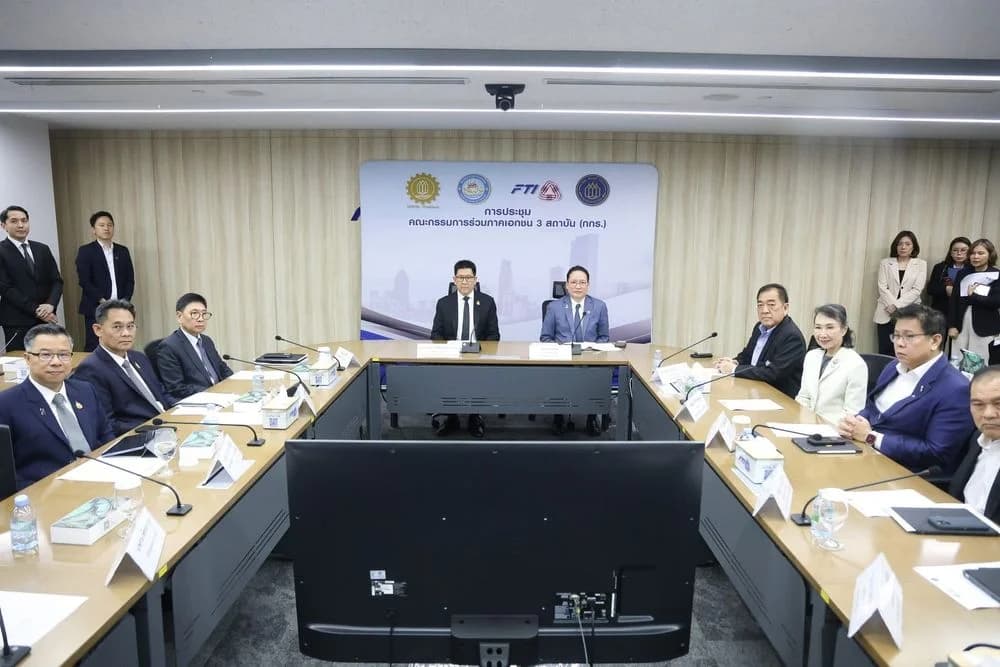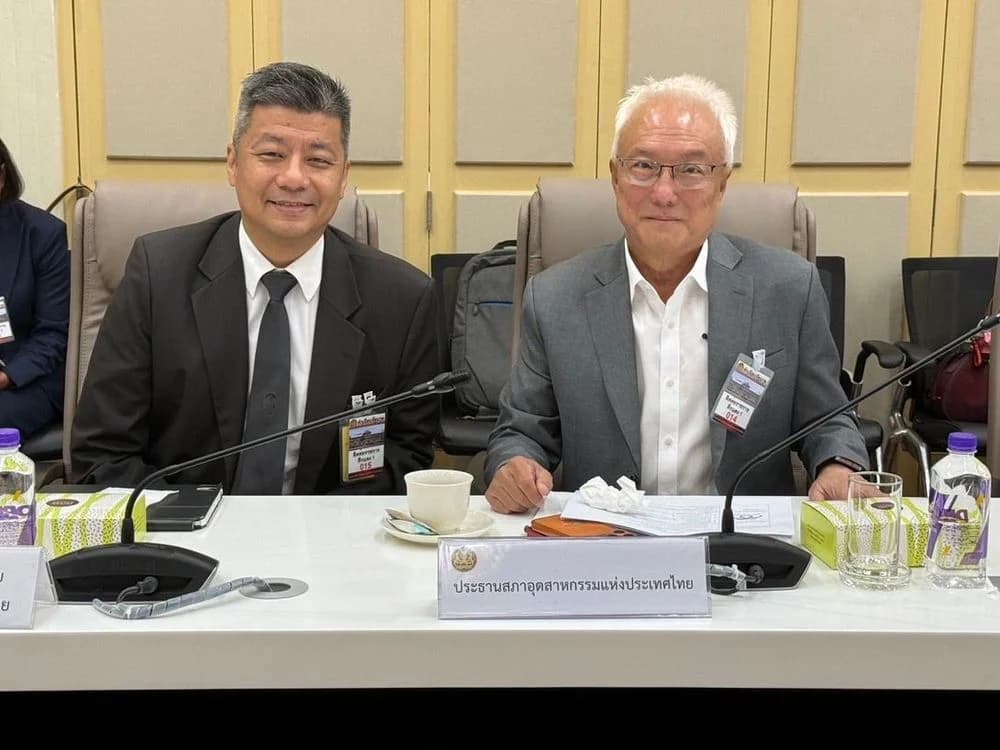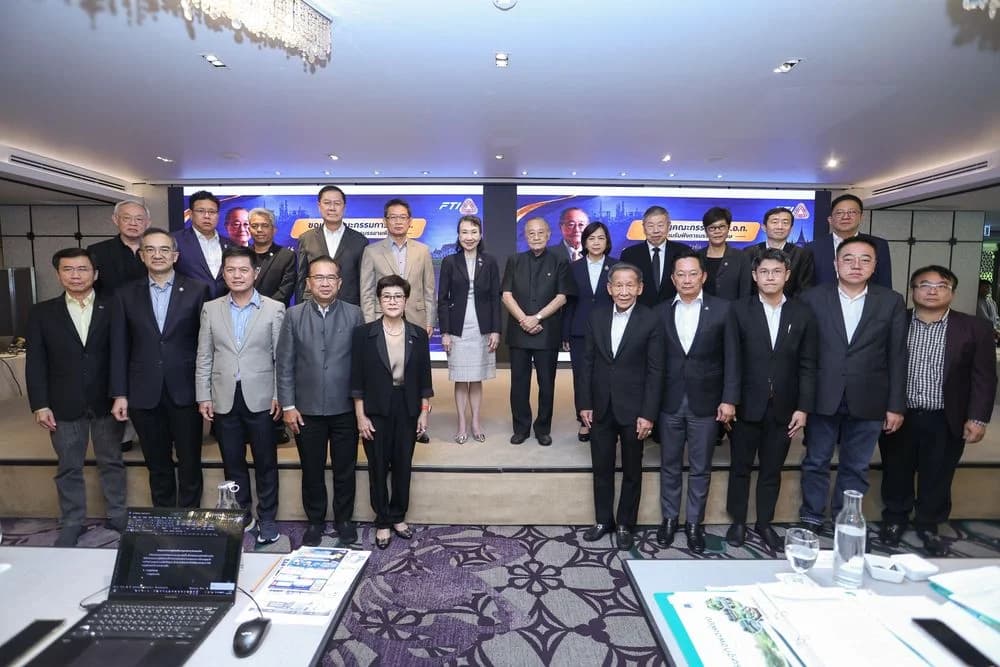

วันที่ 22 พฤษภาคม 2569 ดร.ภก.นิลสุวรรณ ลีลารัศมี รองประธานสภาอุตสาหกรรมแห่งประเทศไทย (ส.อ.ท.) พร้อมผู้แทนคณะกรรมการร่วมภาคเอกชน 3 สถาบัน (กกร.) เข้าร่วมหารือและให้ข้อมูลต่อคณะผู้แทนองค์การเพื่อความร่วมมือทางเศรษฐกิจและการพัฒนา (OECD) ภายใต้ภารกิจ Fact-finding Mission ซึ่งเป็นส่วนหนึ่งของกระบวนการประเมินทางเทคนิค (Technical Review) เพื่อพิจารณาความพร้อมของประเทศไทยในการเข้าเป็นสมาชิก OECD ณ ห้องประชุมเรอเน่ กียอง ชั้น 1 สำนักงานคณะกรรมการกฤษฎีกา
ในการหารือครั้งนี้ ผู้แทนจาก OECD ได้แก่ Mr. James Drummond รองหัวหน้ากลุ่มวิเคราะห์ผลกระทบของกฎหมาย และ Ms. Supriya Trivedi นักวิเคราะห์นโยบาย จากสำนักนโยบายด้านกฎหมายของ OECD ได้รับฟังข้อมูลเกี่ยวกับแนวทางการพัฒนากฎระเบียบ การยกระดับคุณภาพการออกกฎหมาย และการปฏิรูประบบกำกับดูแลของไทย เพื่อประกอบการจัดทำรายงานประเมินในกระบวนการพิจารณาความพร้อมของประเทศไทย
ในโอกาสนี้ กกร. ได้สะท้อนมุมมองของภาคเอกชนต่อความท้าทายด้านกฎหมายและกฎระเบียบที่ส่งผลกระทบต่อการดำเนินธุรกิจ โดยเฉพาะความซ้ำซ้อนของขั้นตอนการอนุญาต ความแตกต่างในการบังคับใช้กฎหมายระหว่างหน่วยงานของรัฐ รวมถึงการสื่อสารและการเข้าถึงข้อมูลภาครัฐที่ยังขาดความชัดเจนและเป็นเอกภาพในบางประเด็น ซึ่งก่อให้เกิดต้นทุนและภาระต่อผู้ประกอบการ โดยเฉพาะผู้ประกอบการ SMEs ในการปฏิบัติตามกฎระเบียบ
ทั้งนี้ ภาคเอกชนได้เสนอให้มีการปรับปรุงกฎระเบียบให้มีความชัดเจน โปร่งใส ทันสมัย และเอื้อต่อการดำเนินธุรกิจมากยิ่งขึ้น รวมถึงส่งเสริมการมีส่วนร่วมของภาคเอกชนในกระบวนการจัดทำและทบทวนกฎหมายอย่างต่อเนื่อง
นอกจากนี้ กกร. ยังได้แสดงความพร้อมในการสนับสนุนการดำเนินงานของภาครัฐตามเป้าหมายของรัฐบาลไทยในการผลักดันประเทศไทยสู่การเป็นสมาชิก OECD ภายในปี 2571 โดยเห็นว่าการยกระดับมาตรฐานด้านกฎหมาย กฎระเบียบ และธรรมาภิบาลให้สอดคล้องกับแนวปฏิบัติสากล จะช่วยเสริมสร้างความเชื่อมั่นของนักลงทุน เพิ่มขีดความสามารถในการแข่งขันของประเทศ และสนับสนุนการเติบโตทางเศรษฐกิจอย่างยั่งยืนในระยะยาว รวมถึงการผลักดันการปฏิรูปด้านการป้องกันและปราบปรามการทุจริตและประพฤติมิชอบ ซึ่งเป็นประเด็นสำคัญที่ OECD ให้ความสำคัญอย่างต่อเนื่อง
On May 22, 2026, Dr. Phak Nilsuwan Leelaratsamee, Vice President of the Federation of Thai Industries (FTI), together with representatives from the Joint Private Sector Committee of three institutions (JPSSC), participated in discussions and provided information to the delegation of the Organisation for Economic Co-operation and Development (OECD) as part of the Fact-finding Mission, which is a part of the Technical Review process to assess Thailand's readiness to become an OECD member at the Renae Giyon meeting room, 1st Floor, Office of the Council of State.
During this discussion, representatives from OECD, including Mr. James Drummond, Deputy Head of the Legal Impact Analysis Group, and Ms. Supriya Trivedi, Policy Analyst from the OECD Directorate for Legal Affairs, received information regarding the development of regulations, enhancement of the quality of legislation, and reform of the regulatory system in Thailand in order to assist in the preparation of an assessment report in the process of evaluating Thailand's readiness.
On this occasion, JPSSC reflected the private sector's views on the challenges posed by laws and regulations impacting business operations, particularly the redundancy of approval processes, inconsistencies in law enforcement among government agencies, as well as the lack of clarity and coherence in certain aspects of communication and access to government information, which results in costs and burdens for operators, especially SMEs, in complying with regulations.
The private sector has proposed that regulations be improved to be clearer, more transparent, modern, and conducive to business operations, as well as to promote ongoing participation of the private sector in the process of drafting and reviewing laws.
Furthermore, JPSSC expressed its readiness to support the government's efforts in line with the Thai government's goal of pushing Thailand towards OECD membership by the year 2028, believing that enhancing legal standards, regulations, and governance in line with international practices will help build investor confidence, increase the country's competitiveness, and support sustainable economic growth in the long term, as well as drive reforms in combating and preventing corruption and misconduct, which is a matter of continuous importance to the OECD.