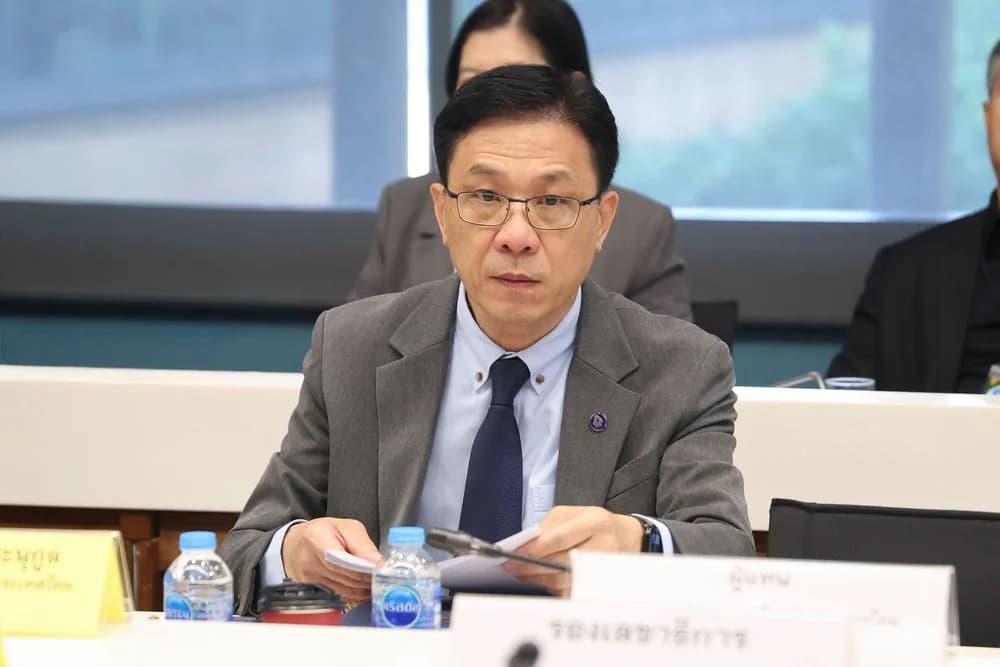

วันศุกร์ที่ 29 พฤษภาคม 2569 นายมนตรี มหาพฤกษ์พงศ์ รองประธานสภาอุตสาหกรรมแห่งประเทศไทย (ส.อ.ท.) เปิดเผยผลการสำรวจ FTI CEO Poll ครั้งที่ 50 ประจำเดือนพฤษภาคม 2569 ภายใต้หัวข้อ “ความเห็นภาคเอกชนต่อแผนการใช้จ่ายเงินกู้ 4 แสนล้านบาท” ซึ่งเป็นการสำรวจความคิดเห็นของผู้บริหาร ส.อ.ท. (CEO Survey) จำนวน 207 ท่าน ครอบคลุม 48 กลุ่มอุตสาหกรรม และ 76 สภาอุตสาหกรรมจังหวัด
ทั้งนี้ ผลการสำรวจ FTI CEO Poll ครั้งที่ 50 ประจำเดือนพฤษภาคม 2569 ภายใต้หัวข้อ “ความเห็นภาคเอกชนต่อแผนการใช้จ่ายเงินกู้ 4 แสนล้านบาท” พบว่า ผู้บริหารภาคอุตสาหกรรมส่วนใหญ่เห็นว่า โครงการ “ไทยช่วยไทย พลัส” จะมีประสิทธิภาพมากที่สุด หากภาครัฐเพิ่มเงื่อนไขสนับสนุนการซื้อสินค้าไทย เพื่อให้เม็ดเงินหมุนเวียนภายในประเทศและกระจายสู่ผู้ประกอบการในห่วงโซ่อุปทาน ขณะเดียวกัน ภาคเอกชนยังเห็นว่าควรเชื่อมโยงร้านค้าที่เข้าร่วมโครงการเข้าสู่ระบบภาษี เพื่อช่วยขยายฐานภาษีและยกระดับความโปร่งใสของระบบเศรษฐกิจ รวมถึงควรมีกลไกติดตามผลการใช้จ่ายอย่างโปร่งใสผ่านระบบ Real-time dashboard เพื่อสร้างความน่าเชื่อถือและทำให้การใช้งบประมาณเกิดประโยชน์สูงสุดต่อเศรษฐกิจโดยรวม
สำหรับการใช้เงินกู้ในส่วนที่เกี่ยวข้องกับการ “ปรับโครงสร้างพลังงาน” ตามแผนของภาครัฐ ผู้ประกอบการส่วนใหญ่เห็นว่า ควรให้ความสำคัญกับการสนับสนุนการติดตั้งระบบผลิตพลังงานสะอาด เช่น ระบบโซลาร์เซลล์ควบคู่กับระบบรับซื้อไฟฟ้าส่วนเกิน หรือ Net Metering ที่เหมาะสม เพื่อช่วยลดต้นทุนพลังงานให้แก่ประชาชนและภาคธุรกิจในระยะยาว นอกจากนี้ ยังเสนอให้ภาครัฐสนับสนุนเงินอุดหนุนสำหรับการปรับเปลี่ยนเครื่องจักร อุปกรณ์ และการปรับปรุงอาคารให้ประหยัดพลังงาน
ขณะเดียวกัน ภาคเอกชนยังเห็นว่า นอกเหนือจากมาตรการช่วยเหลือประชาชนและการปรับโครงสร้างพลังงานแล้ว ภาครัฐควรนำเงินกู้ไปใช้ฟื้นฟูเศรษฐกิจในด้านอื่นเพิ่มเติม โดยเฉพาะการเพิ่มสภาพคล่องให้แก่ SMEs ผ่านสินเชื่อดอกเบี้ยต่ำ งบประมาณสนับสนุน (Grants) และการเปิดตลาดใหม่ ควบคู่กับการเร่งส่งเสริมการใช้สินค้าไทยภายใต้แนวทาง Made in Thailand (MiT) โดยเชื่อมโยงกับ e-Commerce และการจัดซื้อจัดจ้างภาครัฐ
เมื่อสอบถามถึงความเพียงพอของแผนการใช้จ่ายเงินกู้ 4 แสนล้านบาทต่อการรับมือวิกฤตเศรษฐกิจปัจจุบัน พบว่า ผู้ประกอบการส่วนใหญ่เห็นว่ายัง “ไม่เพียงพอ” และควรมีมาตรการช่วยเหลือผู้ประกอบการเพิ่มเติม โดยเฉพาะมาตรการเสริมสภาพคล่อง ลดภาระต้นทุน กระตุ้นกำลังซื้อในประเทศ และการพัฒนาโครงสร้างพื้นฐานระยะยาว ขณะที่แนวโน้มเศรษฐกิจไทยในช่วงครึ่งหลังของปี 2569 ผู้ประกอบการส่วนใหญ่ มองว่าเศรษฐกิจมีแนวโน้มชะลอตัวลงจากช่วงไตรมาสแรกปี 2569 จากความไม่แน่นอนของเศรษฐกิจโลกและความผันผวนของต้นทุนการผลิต ซึ่งอาจกระทบต่อคำสั่งซื้อและความสามารถในการแข่งขันของภาคอุตสาหกรรม
ทั้งนี้ ภาคอุตสาหกรรมจำเป็นต้องเร่งปรับตัวผ่านการบริหารต้นทุนอย่างมีประสิทธิภาพ การเพิ่ม ผลิตภาพการผลิต การใช้เทคโนโลยีและพลังงานสะอาด ตลอดจนการขยายตลาดใหม่ เพื่อลดความเสี่ยงและเพิ่ม
ขีดความสามารถในการรับมือกับเศรษฐกิจที่ยังมีความเปราะบางในระยะต่อไป
จากการสำรวจผู้บริหาร ส.อ.ท. (CEO Survey) จำนวน 207 ท่าน ครอบคลุม 48 กลุ่มอุตสาหกรรม และ 76 สภาอุตสาหกรรมจังหวัด สามารถสรุปผลการสำรวจ FTI CEO Poll ครั้งที่ 48 จาก 6 คำถาม ได้ดังนี้
1) เมื่อเทียบกับโครงการกระตุ้นการบริโภคที่ผ่านมา โครงการ “ไทยช่วยไทย พลัส” ควรแตกต่างอย่างไร เพื่อให้มีประสิทธิภาพมากที่สุด
อันดับ 1 : เพิ่มเงื่อนไขกับการซื้อสินค้าไทย เพื่อให้เงินหมุนเวียนในระบบเศรษฐกิจ 62.3%
อันดับ 2 : เชื่อมโยงร้านค้าที่เข้าร่วมโครงการเข้าสู่ระบบภาษี เพื่อขยายฐานภาษี 50.2%
อันดับ 3 : มีกลไกติดตามผลอย่างโปร่งใส (Real-time dashboard) 49.3%
เพื่อความน่าเชื่อถือ
อันดับ 4 : กำหนดให้ใช้จ่ายกับสินค้าและบริการจำเป็น เช่น อาหาร ของใช้จำเป็น 45.9%
ค่าเดินทาง เป็นต้น
2) การใช้เงินกู้ส่วนที่เหลือมาใช้เพื่อ “ปรับโครงสร้างพลังงาน” ตามแผนภาครัฐ ควรให้ความสำคัญกับเรื่องใด
อันดับ 1 : สนับสนุนการติดตั้งระบบผลิตพลังงานสะอาด เช่น Solar Cell ควบคู่กับ 75.4%
ระบบรับซื้อไฟฟ้าส่วนเกินที่เหมาะสม
อันดับ 2 : สนับสนุนเงินอุดหนุนให้โรงงานปรับเปลี่ยนเครื่องจักร อุปกรณ์ รวมทั้ง 55.6%
ปรับปรุงอาคารประหยัดพลังงาน
อันดับ 3 : การพัฒนาโครงข่ายไฟฟ้าอัจฉริยะ (Smart Grid) และระบบมิเตอร์อัจฉริยะ 44.4%
(Smart Meter)
อันดับ 4 : สนับสนุนการใช้เชื้อเพลิงชีวภาพ เช่น B10, E20 หรือเชื้อเพลิงทางเลือก 33.8%
3) นอกจากการช่วยเหลือประชาชนและการปรับโครงสร้างพลังงาน ภาครัฐควรนำเงินกู้ ไปใช้ในเรื่องใด เพิ่มเติม เพื่อฟื้นฟูเศรษฐกิจ
อันดับ 1 : ช่วยเพิ่มสภาพคล่องให้ SMEs ผ่านสินเชื่อดอกเบี้ยต่ำ 57.0%
งบประมาณสนับสนุน และการเปิดตลาดใหม่
อันดับ 2 : มาตรการส่งเสริมการใช้สินค้าไทย (Made in Thailand) เชื่อมกับ 57.0%
e-Commerce และการจัดซื้อจัดจ้างภาครัฐ
อันดับ 3 : พัฒนาโครงสร้างพื้นฐานด้านน้ำและโลจิสติกส์เพื่อรองรับการลงทุน 44.0%
อันดับ 4 : ส่งเสริมการใช้ AI, Automation ในโรงงาน พร้อม Upskill แรงงาน 42.5%
4) แผนการใช้จ่ายเงินกู้ 4 แสนล้านบาทของรัฐบาล เพียงพอต่อการรับมือวิกฤตเศรษฐกิจในปัจจุบันหรือไม่
อันดับ 1 : ไม่เพียงพอเพราะควรมีมาตรการช่วยเหลือผู้ประกอบการเพิ่มเติม 47.3%
อันดับ 2 : ยังไม่สามารถประเมินได้ 40.1%
อันดับ 3 : เพียงพอต่อการรับมือวิกฤตเศรษฐกิจ 12.6%
5) รัฐบาลควรปรับเพิ่มเพดานหนี้สาธารณะ (70% ต่อ GDP) เพื่อเดินหน้ากระตุ้นเศรษฐกิจต่อเนื่องหรือไม่
อันดับ 1 : ไม่เห็นด้วย 56.0%
อันดับ 2 : เห็นด้วย 44.0%
6) แนวโน้มเศรษฐกิจไทยในช่วงครึ่งหลังของปี 2569 จะเป็นอย่างไร เมื่อเทียบกับช่วงครึ่งปีแรก
อันดับ 1 : ชะลอตัวลง จากต้นทุนพลังงาน ค่าครองชีพ และกำลังซื้อที่อ่อนแอ 38.2%
อันดับ 2 : มีความเสี่ยงสูงขึ้น จากปัจจัยต่างประเทศและความไม่แน่นอนทางเศรษฐกิจ 30.4%
อันดับ 3 : ทรงตัวใกล้เคียงเดิม ยังฟื้นตัวได้จำกัด 18.8%
อันดับ 4 : ปรับตัวดีขึ้นจากมาตรการกระตุ้นเศรษฐกิจ การลงทุน และการส่งออกบางกลุ่ม 12.6%
.........................................................................
ฝ่ายสื่อสารองค์กร สภาอุตสาหกรรมแห่งประเทศไทย
โทรศัพท์ 02-345-1051
On Friday, May 29, 2026, Mr. Montree Mahapruetphong, Vice President of the Federation of Thai Industries (FTI), disclosed the results of the FTI CEO Poll No. 50 for May 2026, under the topic “Private Sector Opinions on the 400 Billion Baht Loan Spending Plan,” which surveyed the opinions of 207 executives from FTI, covering 48 industry groups and 76 provincial industrial councils.
The results of the FTI CEO Poll No. 50 for May 2026 indicate that most industry executives believe that the “Thai Help Thai Plus” project would be most effective if the government increases the conditions to support the purchase of Thai products, ensuring that funds circulate within the country and reach operators in the supply chain. Concurrently, the private sector suggests that participating stores should be linked to the tax system to help expand the tax base and enhance the transparency of the economy. Moreover, there should be a transparent mechanism to track spending through a real-time dashboard to build credibility and ensure that budget allocations yield maximum benefits for the overall economy.
Regarding the use of loans related to “energy restructuring” as per government plans, most operators advocate prioritizing support for the installation of clean energy production systems, such as solar panel systems combined with suitable net metering, to reduce energy costs for the public and businesses in the long term. Additionally, they propose that the government provides subsidies for upgrading machinery, equipment, and buildings to enhance energy efficiency.
At the same time, the private sector asserts that beyond measures to support the public and energy restructuring, the government should utilize loan funds to revitalize the economy in other areas, particularly by enhancing liquidity for SMEs through low-interest loans, grant support, and opening new markets while accelerating the promotion of Thai products under the Made in Thailand (MiT) initiative by linking them with e-commerce and public procurement.
When asked about the adequacy of the 400 billion Baht loan spending plan to address the current economic crisis, most operators indicated that it is “insufficient” and additional measures should be implemented to assist operators, especially in terms of enhancing liquidity, reducing cost burdens, stimulating domestic purchasing power, and long-term infrastructure development. In terms of the forecast for the Thai economy in the second half of 2026, most operators view that the economy is likely to slow down compared to the first quarter of 2026 due to global economic uncertainties and fluctuations in production costs, which may affect orders and the competitiveness of the industrial sector.
Thus, the industrial sector must rapidly adapt through effective cost management, increasing productivity, utilizing technology and clean energy, as well as expanding into new markets to reduce risks and enhance resilience to an economy that remains fragile in the future.
From the survey of 207 FTI executives across 48 industry groups and 76 provincial industrial councils, we can summarize the results of the FTI CEO Poll No. 48 based on 6 questions as follows:
1) Compared to previous consumption stimulus projects, how should the “Thai Help Thai Plus” project differ to be most effective?
Rank 1: Increase conditions related to purchasing Thai products to ensure money circulates in the economy 62.3%
Rank 2: Link participating stores to the tax system to expand the tax base 50.2%
Rank 3: Establish a transparent monitoring mechanism (real-time dashboard) for credibility 49.3%
Rank 4: Mandate spending on essential goods and services, such as food and essentials 45.9%
2) What should be prioritized for the remaining loan funds to be used for “energy restructuring” according to government plans?
Rank 1: Support installation of clean energy production systems, such as solar cells combined with appropriate net metering 75.4%
Rank 2: Provide subsidies for factories to upgrade machinery and equipment, including improving energy efficiency of buildings 55.6%
Rank 3: Develop smart grid and smart meter technology 44.4%
Rank 4: Promote the use of biofuels, such as B10, E20, or alternative fuels 33.8%
3) Besides assisting the public and energy restructuring, in what additional areas should the government utilize loan funds to revitalize the economy?
Rank 1: Enhance liquidity for SMEs through low-interest loans, grant support, and opening new markets 57.0%
Rank 2: Promote the use of Thai products (Made in Thailand) linked with e-commerce and public procurement 57.0%
Rank 3: Develop infrastructure in water and logistics to support investment 44.0%
Rank 4: Promote the use of AI and automation in factories along with upskilling the workforce 42.5%
4) Is the government’s 400 billion Baht loan spending plan adequate to handle the current economic crisis?
Rank 1: Insufficient due to the need for additional support measures for operators 47.3%
Rank 2: Cannot yet be evaluated 40.1%
Rank 3: Sufficient to handle the economic crisis 12.6%
5) Should the government increase the public debt ceiling (70% of GDP) to continue stimulating the economy?
Rank 1: Opposed 56.0%
Rank 2: In favor 44.0%
6) What is the trend of the Thai economy in the second half of 2026 compared to the first half?
Rank 1: Slowing down due to energy costs, living expenses, and weak purchasing power 38.2%
Rank 2: Higher risk from various external factors and economic uncertainties 30.4%
Rank 3: Stagnant, slowly recovering 18.8%
Rank 4: Improving due to economic stimulus measures, investment, and exports of certain products 12.6%
.........................................................................
Corporate Communications Department, Federation of Thai Industries
Telephone 02-345-1051