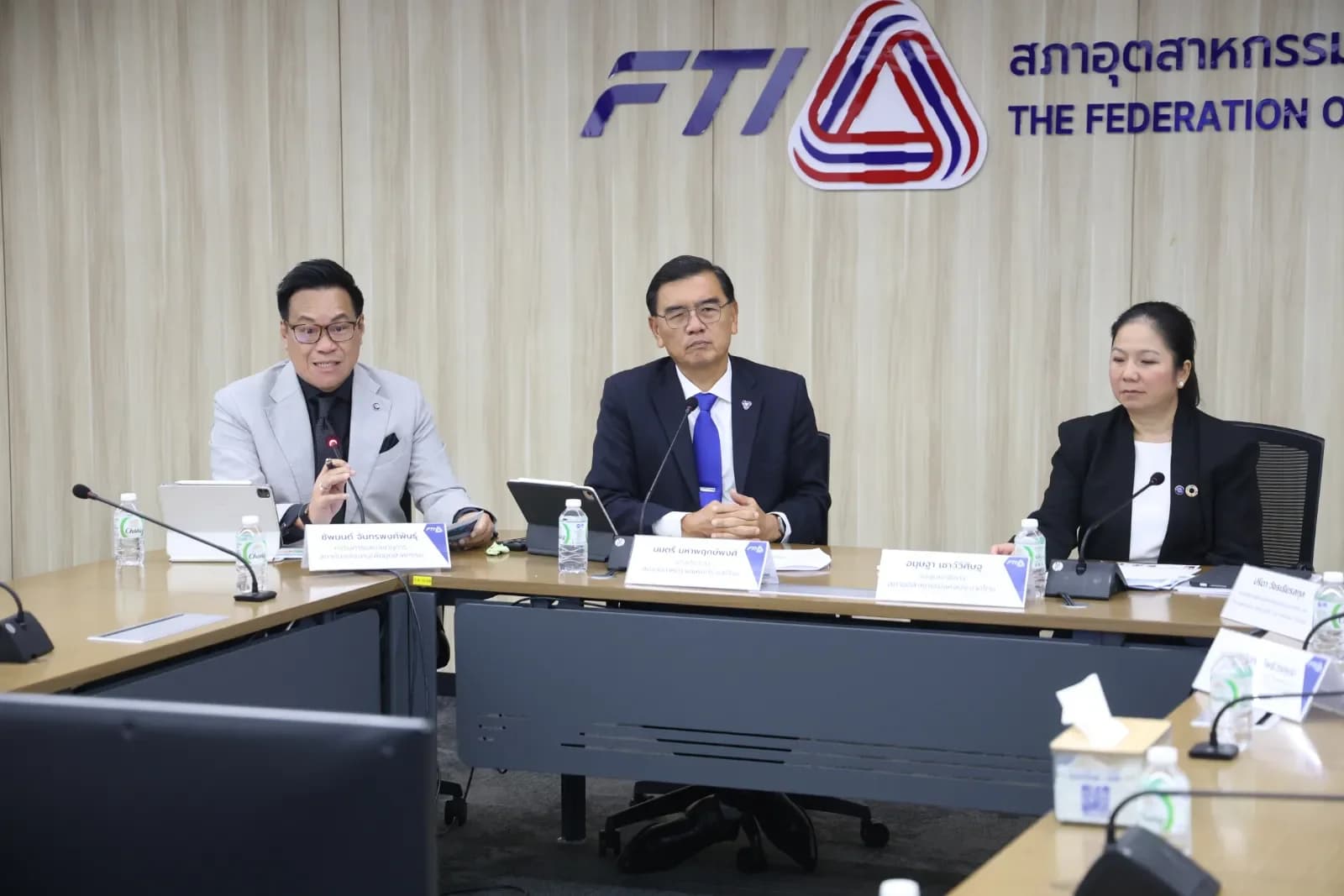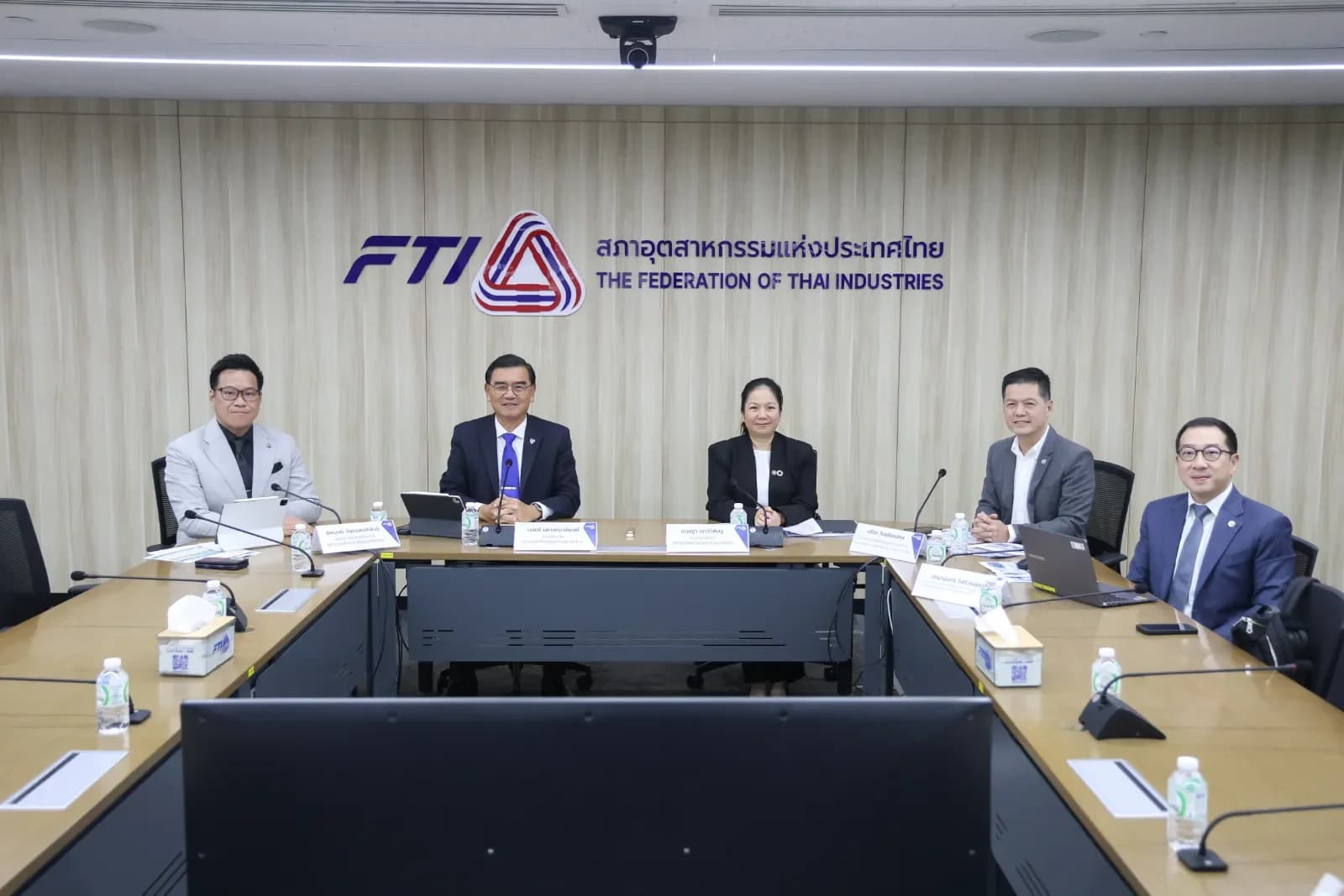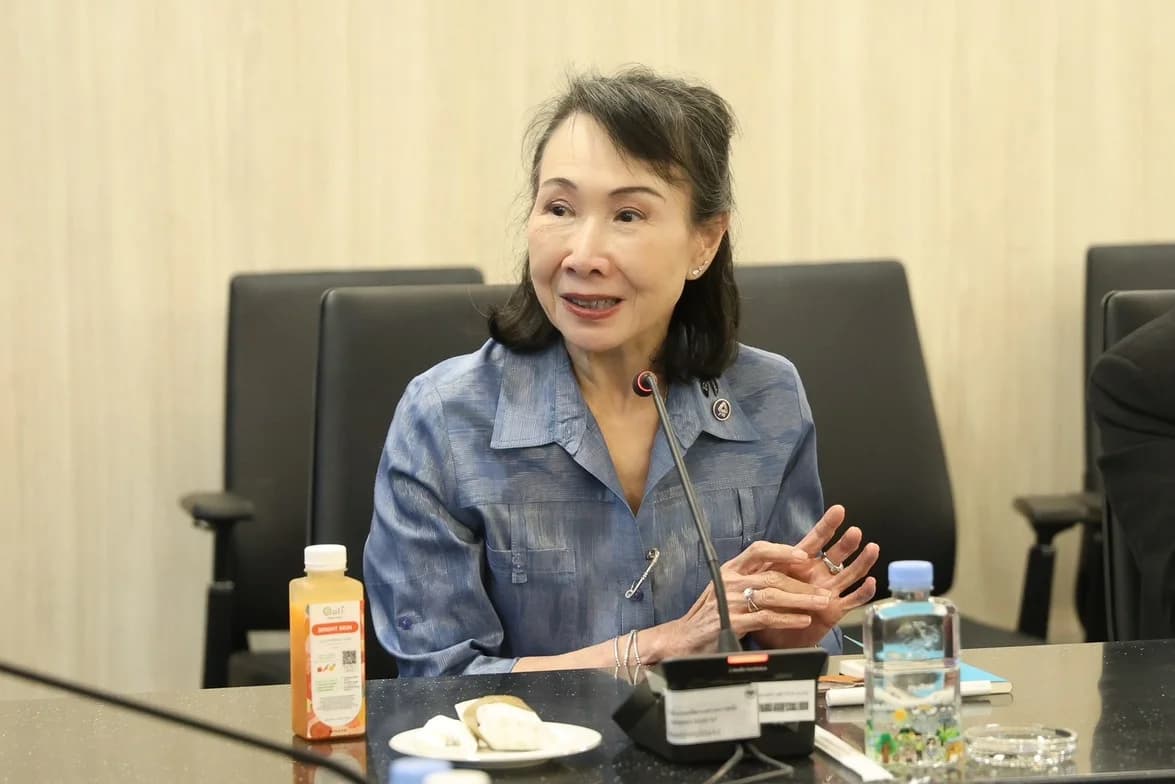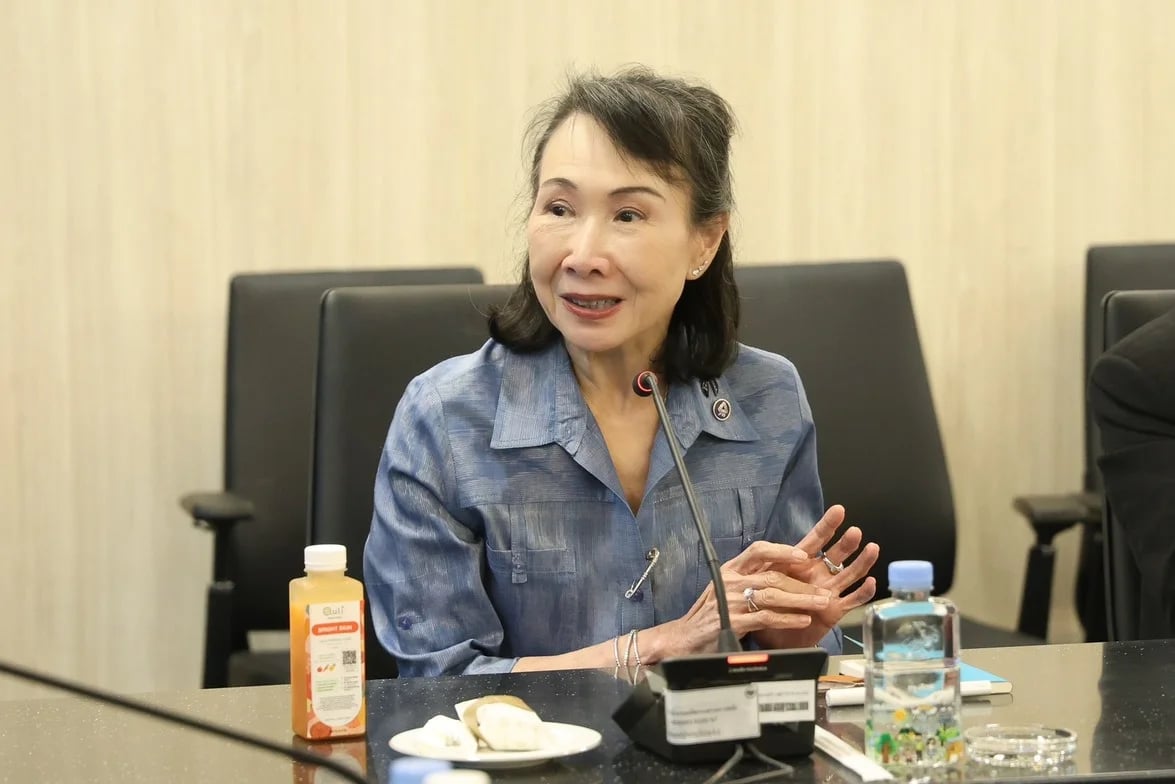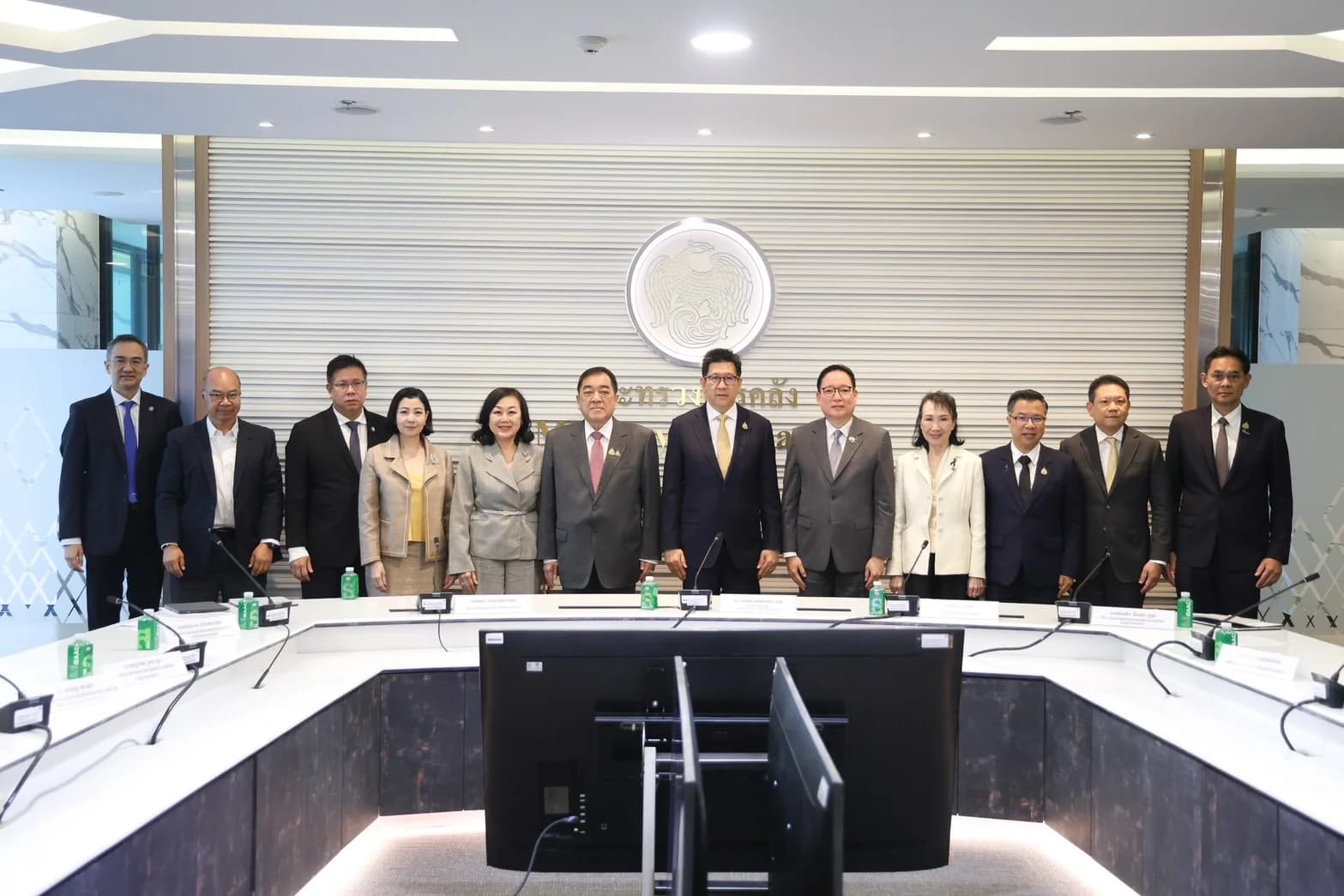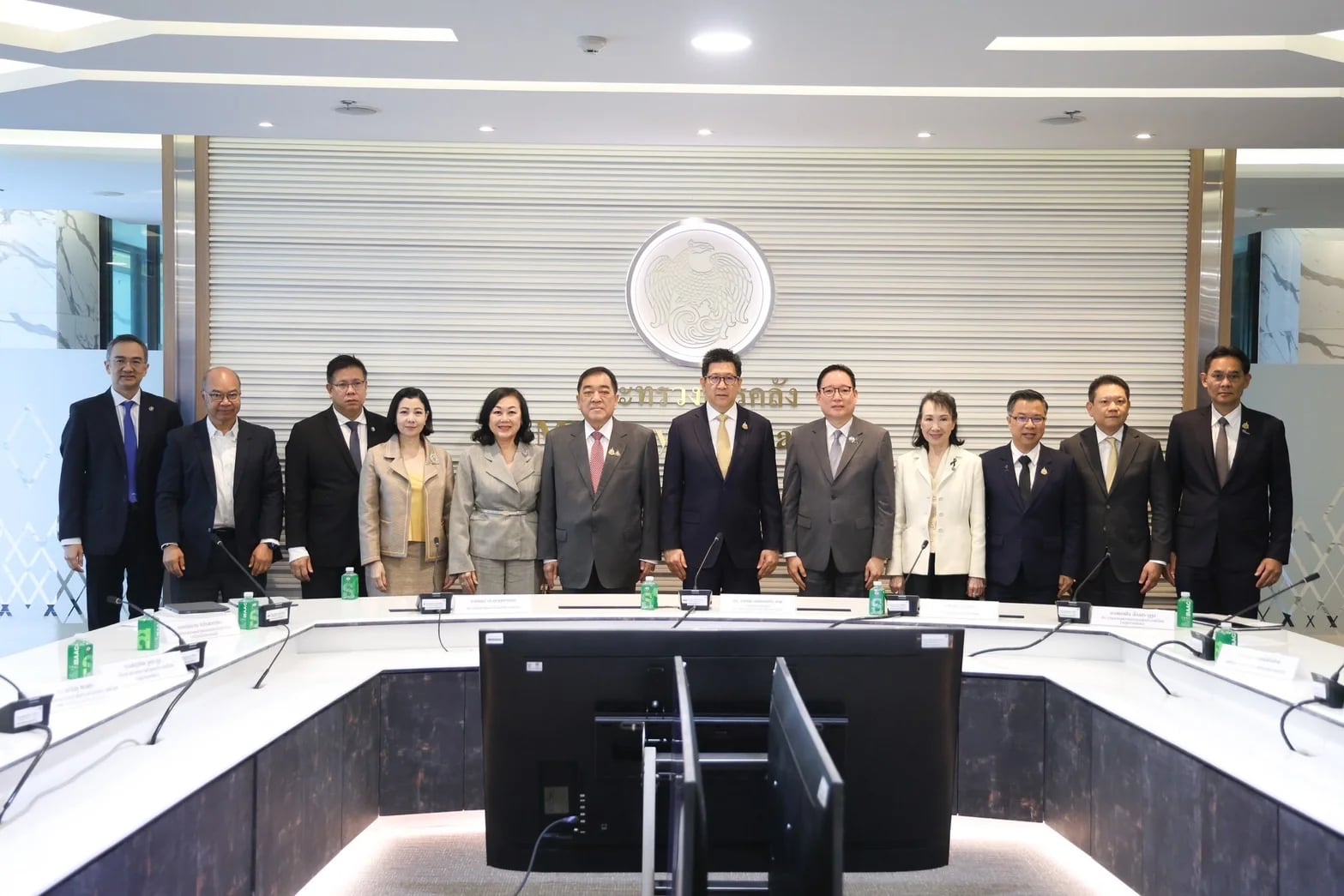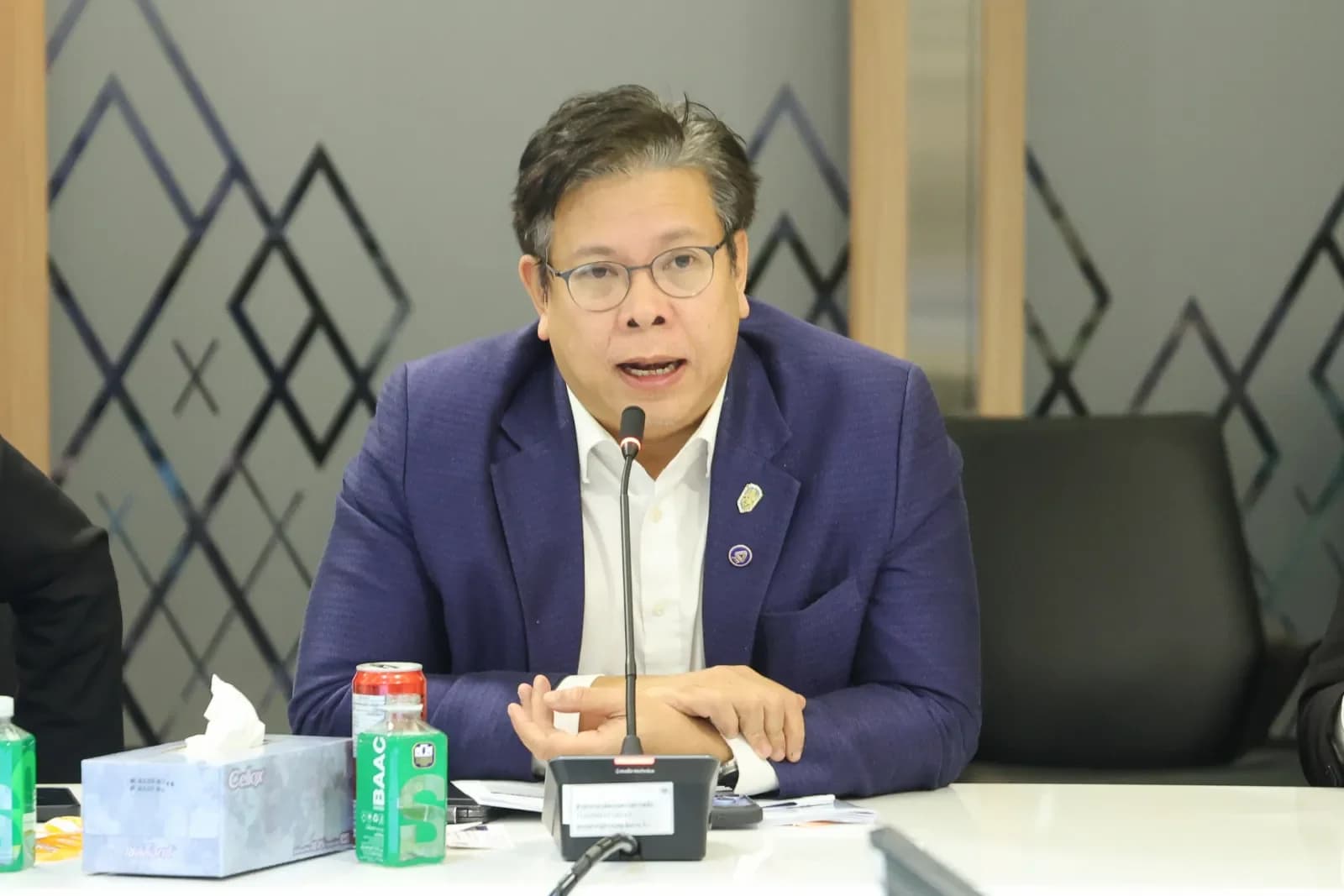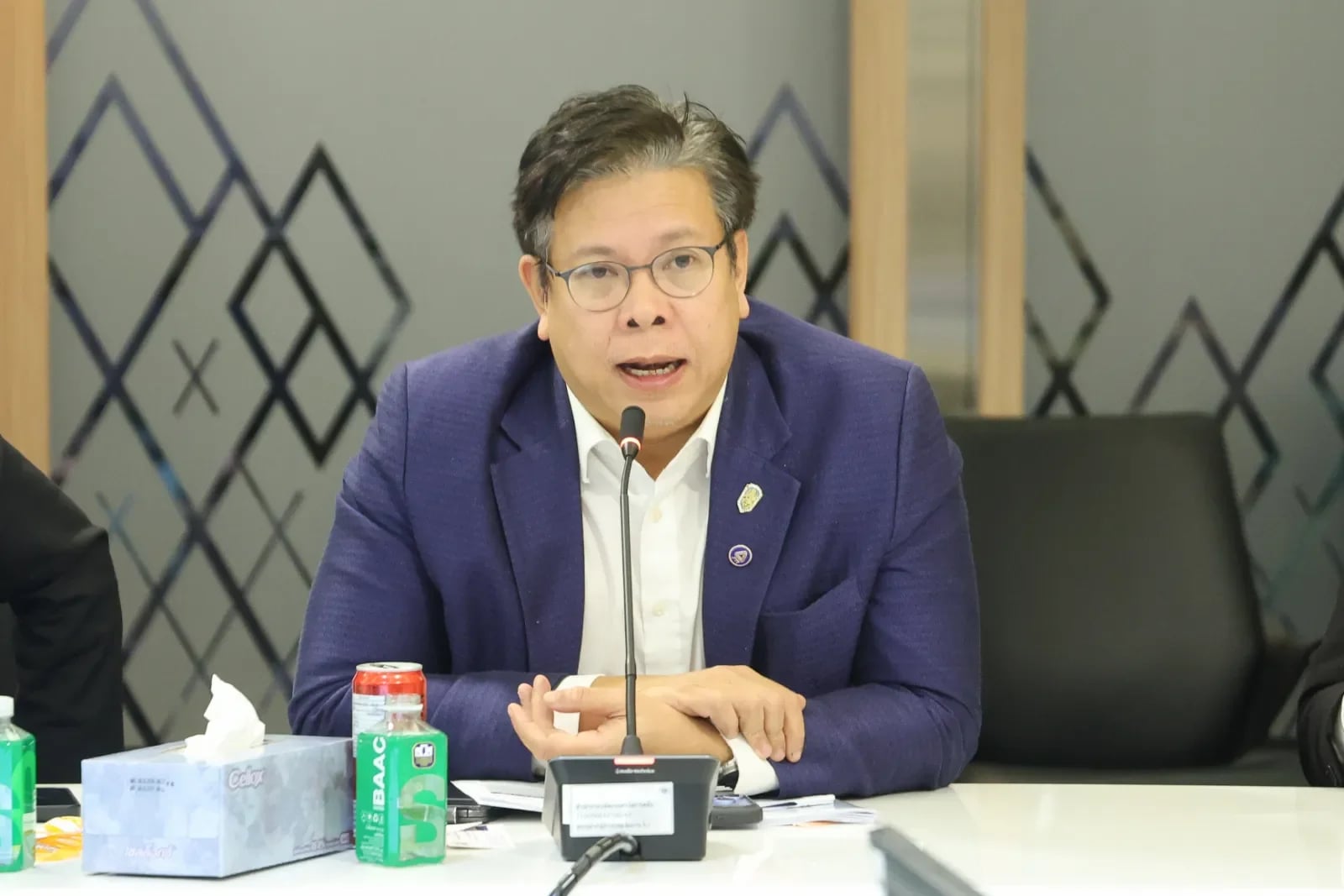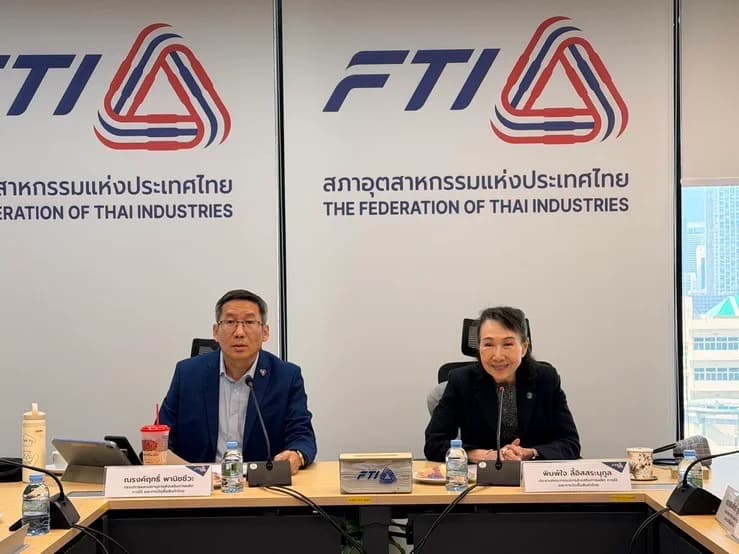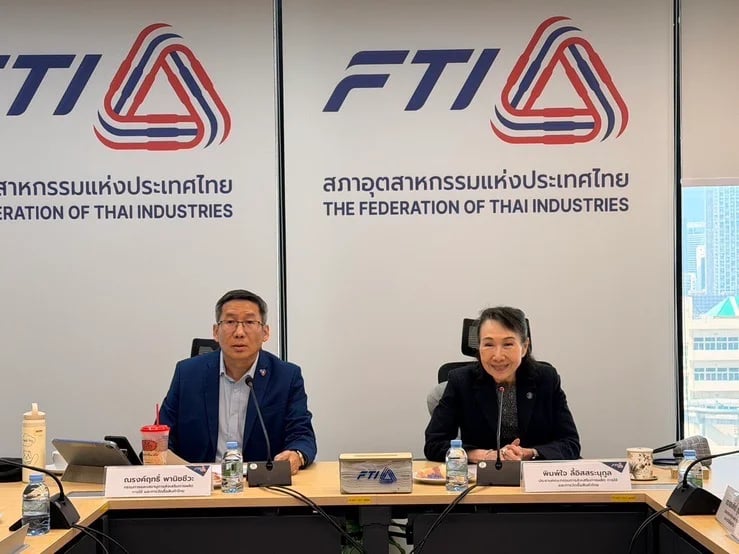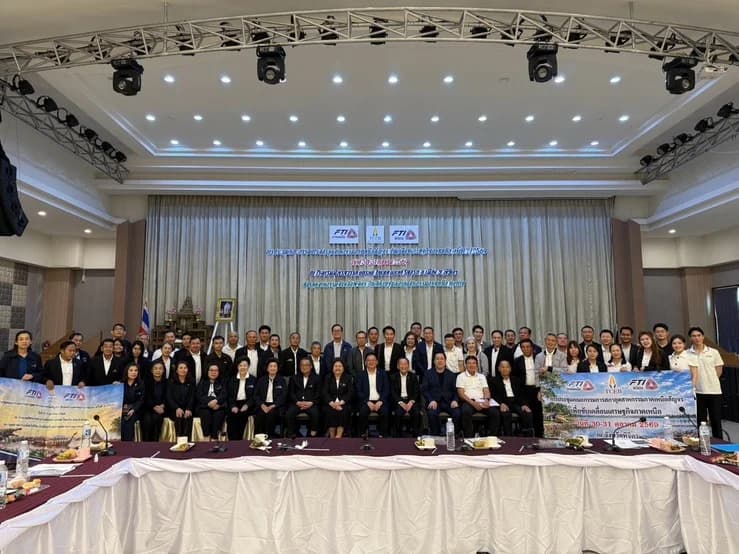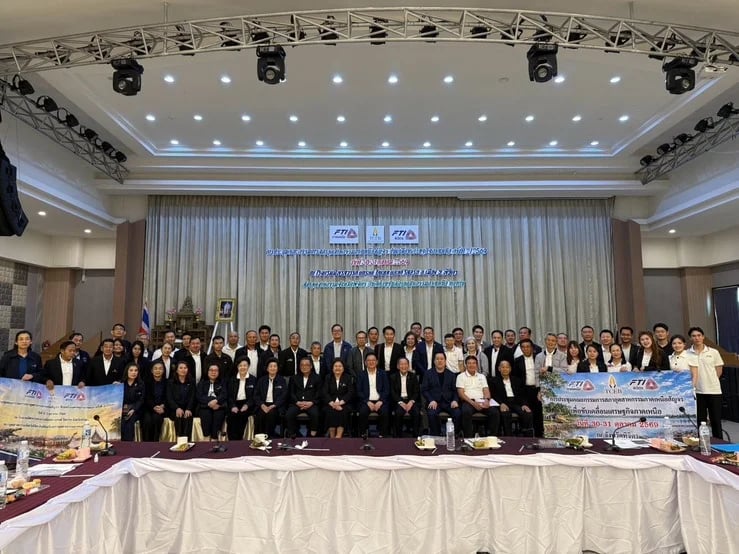

เมื่อวันที่ 11 พฤศจิกายน 2569 นายสุวัชร์ ศุภกาญจน์เดชากุล รองประธานสภาอุตสาหกรรมแห่งประเทศไทย (ส.อ.ท.) เข้าร่วมประชุมคณะกรรมการพัฒนาอุตสาหกรรมแห่งชาติ (กอช.) ครั้งที่ 2/2569 เพื่อร่วมผลักดันมาตรการฟื้นฟูและยกระดับขีดความสามารถในการแข่งขันของภาคอุตสาหกรรมไทยในระดับนโยบาย ณ ห้องประชุมทองคำ ชั้น 1 อาคารกรมอุตสาหกรรมพื้นฐานและการเหมืองแร่ กระทรวงอุตสาหกรรม
ประเด็นสำคัญที่ ส.อ.ท. ผลักดันอย่างต่อเนื่อง คือ นโยบายส่งเสริมการใช้สินค้าที่ผลิตในประเทศ (Made in Thailand: MiT) ผ่านกลไกการจัดซื้อจัดจ้างภาครัฐ โดยกระทรวงอุตสาหกรรม กรมส่งเสริมอุตสาหกรรม และ ส.อ.ท. ได้ร่วมกันกำหนดรายการผลิตภัณฑ์เป้าหมายใน 3 อุตสาหกรรมยุทธศาสตร์ ได้แก่ อุตสาหกรรมป้องกันประเทศ ระบบราง และเครื่องมือแพทย์ เพื่อประสานหน่วยงานผู้ซื้อหลัก อาทิ กระทรวงกลาโหม กระทรวงคมนาคม และกระทรวงสาธารณสุข ให้พิจารณาจัดซื้อสินค้าที่ขึ้นทะเบียน MiT เป็นลำดับแรก ซึ่งจะช่วยสร้างตลาดและเพิ่มโอกาสทางการค้าให้แก่ผู้ประกอบการไทยอย่างเป็นรูปธรรม
จากความร่วมมือดังกล่าว ที่ประชุมได้ต่อยอดสู่การขับเคลื่อนอุตสาหกรรมป้องกันประเทศ โดยมีมติเห็นชอบในหลักการแนวทางดำเนินงาน 4 ด้าน ได้แก่
1. การพัฒนาระบบทะเบียนบัญชีผลิตภัณฑ์ที่ผ่านการทดสอบมาตรฐาน
2. การผลักดันเงื่อนไขการจัดซื้อจัดจ้างของภาครัฐและกองทัพภายใต้นโยบาย Thai First
3. การจัดตั้งศูนย์บริการแบบเบ็ดเสร็จ (One Stop Service) เพื่อบูรณาการโครงสร้างพื้นฐานด้านการทดสอบและรับรอง เช่น ศูนย์ทดสอบยานยนต์และยางล้อแห่งชาติ (ATTRIC)
4. การผลักดันกลไกสนับสนุนด้านเงินทุนและการส่งออก
นอกจากนี้ ที่ประชุมยังเห็นชอบในหลักการให้แต่งตั้ง “คณะอนุกรรมการขับเคลื่อนการพัฒนาอุตสาหกรรมป้องกันประเทศ” โดยมีปลัดกระทรวงอุตสาหกรรมเป็นประธาน และผู้แทนกลุ่มอุตสาหกรรมป้องกันประเทศ ส.อ.ท. เป็นอนุกรรมการ เพื่อบูรณาการนโยบาย กำหนดหลักเกณฑ์การขึ้นทะเบียน และแก้ไขอุปสรรคของผู้ประกอบการ
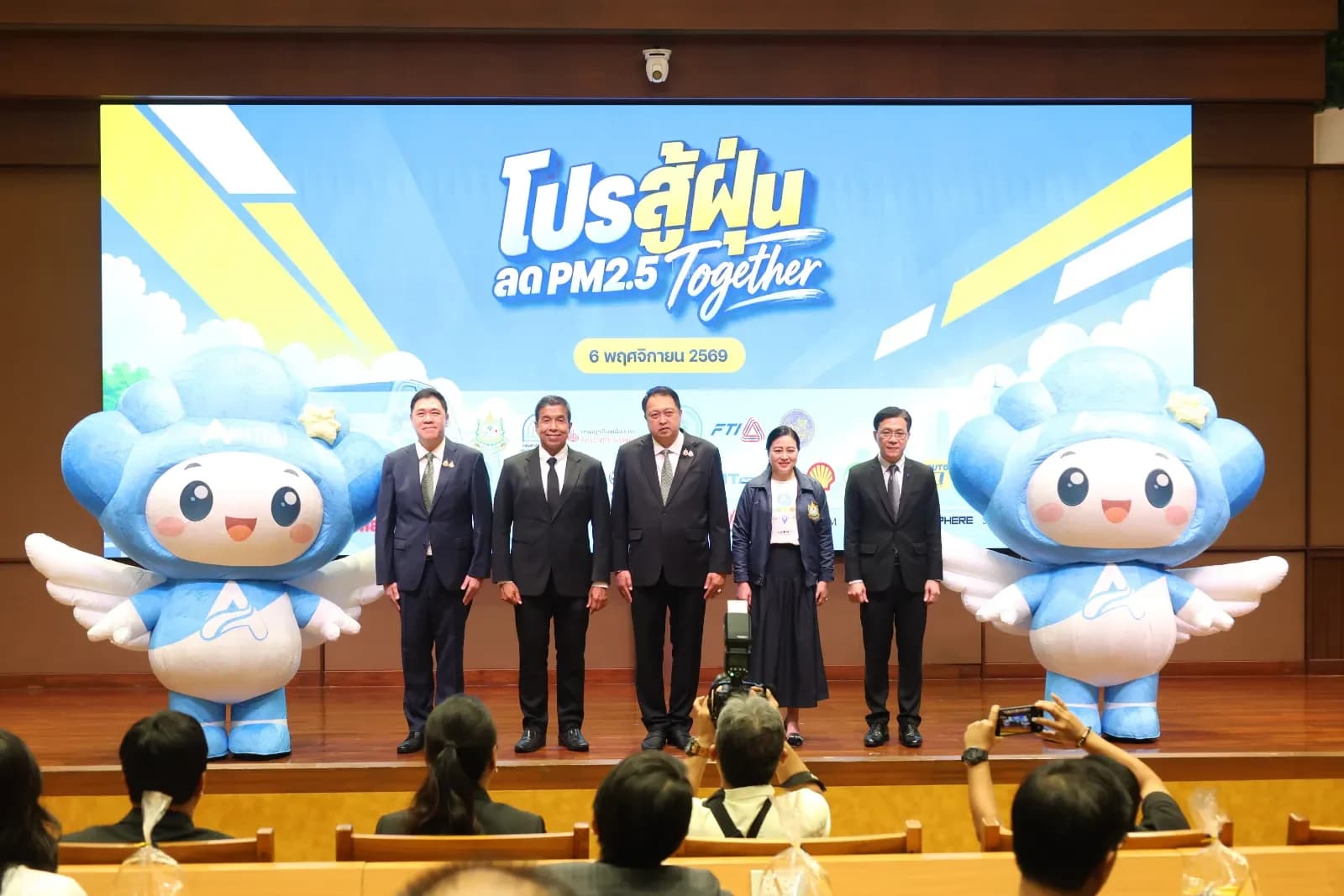
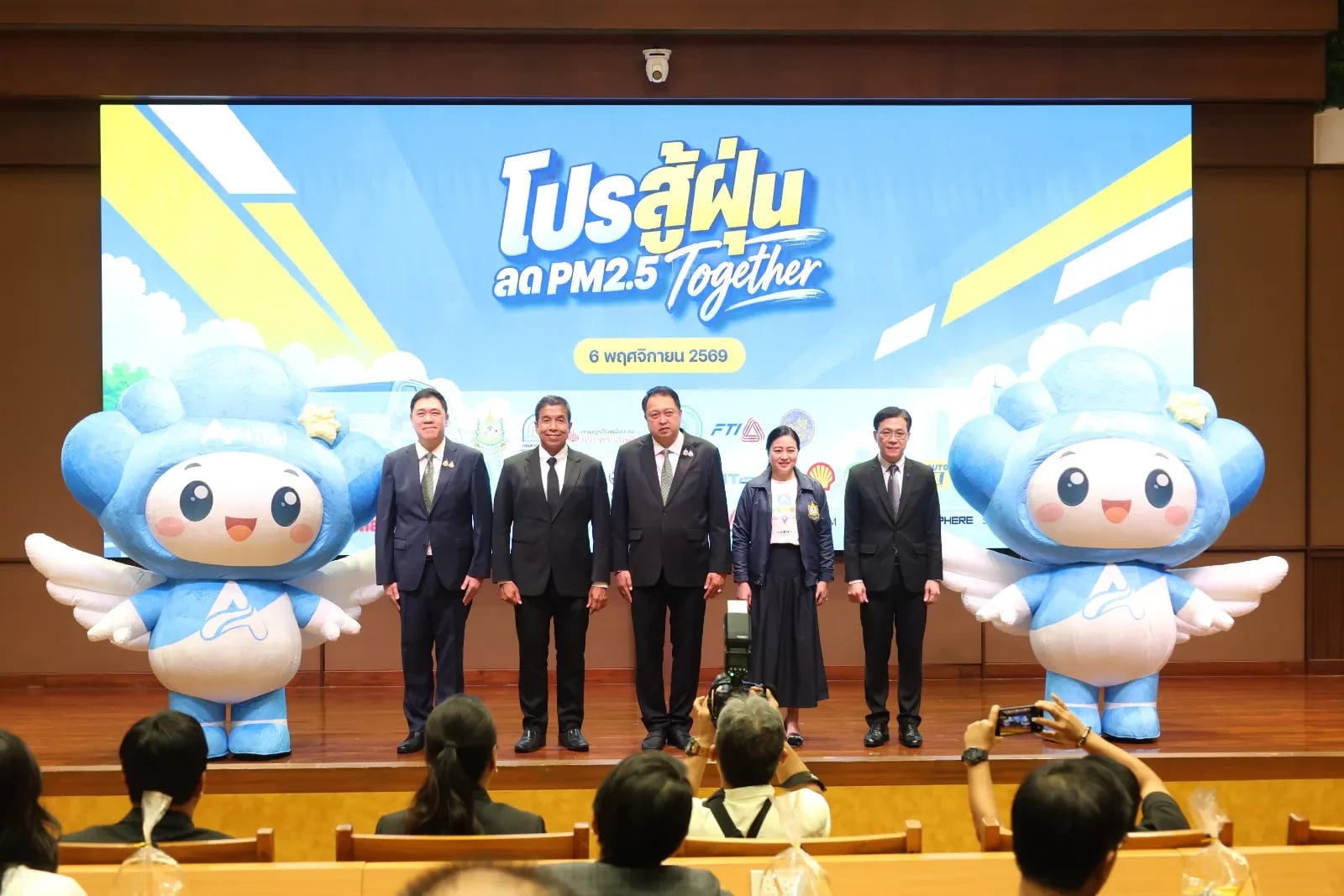
อีกประเด็นสำคัญ ที่ประชุมเห็นชอบในหลักการมาตรการส่งเสริมการตัดอ้อยสด ลดการเผาอ้อย และลดปัญหาฝุ่น PM2.5 ในฤดูการผลิตปี 2569/2570 ภายใต้ 6 เสาหลัก พร้อมแนวทางจัดหารายได้เข้าสู่กองทุนอ้อยและน้ำตาลทราย และโครงการสินเชื่ออุดหนุนดอกเบี้ย
ขณะเดียวกัน สำนักงานมาตรฐานผลิตภัณฑ์อุตสาหกรรม (สมอ.) ร่วมกับ ส.อ.ท. และสถาบันรับรองมาตรฐานไอเอสโอ เปิดรับสมัครและจัดฝึกอบรมให้แก่สถานประกอบการสมาชิก ส.อ.ท. เพื่อนำมาตรฐาน มอก. 9999 แนวทางเศรษฐกิจพอเพียงภาคอุตสาหกรรม เล่ม 2 ไปประยุกต์ใช้และขอรับการรับรองในองค์กร ซึ่งได้รับการตอบรับเป็นอย่างดี และสอดคล้องกับการขยายผลสู่เครือข่ายธุรกิจห่วงโซ่อุปทานแห่งประเทศไทย (TSCN) เพื่อเสริมสร้างความยั่งยืนตลอดห่วงโซ่การผลิต
ที่ประชุมยังหารือประเด็นสำคัญอื่น ๆ อาทิ ความคืบหน้าการดำเนินงานของคณะกรรมการแก้ไขปัญหาขยะอิเล็กทรอนิกส์และทีมเฉพาะกิจ 3 ชุด ในการปราบปรามการลักลอบนำเข้าขยะอิเล็กทรอนิกส์ รายงานการให้ความช่วยเหลือและฟื้นฟูสถานประกอบการที่ได้รับผลกระทบจากอุทกภัยผ่านโครงการ Rebuild SMEs และมาตรการสินเชื่อฟื้นฟูกิจการ ตลอดจนการรับทราบการปรับปรุงดัชนีผลผลิตอุตสาหกรรม (MPI) ด้วยวิธี Chain Link Approach
ทั้งนี้ ส.อ.ท. พร้อมผนึกกำลังกับทุกภาคส่วนในการขับเคลื่อนนโยบายและมาตรการส่งเสริมภาคอุตสาหกรรมไทย เพื่อเสริมสร้างขีดความสามารถในการแข่งขัน และวางรากฐานการเติบโตของอุตสาหกรรมไทยให้มั่นคงและยั่งยืน
On November 11, 2026, Mr. Suwat Supakarndechakul, Vice Chairman of The Federation of Thai Industries (FTI), attended the second meeting of the National Industry Development Committee (JITC) for 2026 to promote measures for revitalizing and enhancing the competitiveness of the Thai industrial sector at the policy level in the Golden Room, 1st Floor, Department of Industrial Works and Mining, Ministry of Industry.
A key issue that FTI continues to promote is the policy encouraging the use of domestically produced goods (Made in Thailand: MiT) through the government procurement mechanism. The Ministry of Industry, the Office of Industrial Promotion, and FTI collaborated to identify target product categories across three strategic industries, including the defense industry, rail systems, and medical equipment. This is to coordinate with major purchasing agencies, such as the Ministry of Defense, the Ministry of Transport, and the Ministry of Public Health, to prioritize the procurement of products registered as MiT, which will help create a market and increase concrete trade opportunities for Thai entrepreneurs.
From this collaboration, the meeting built upon this to drive the defense industry forward, with resolutions approving four operational guidelines:
1. Development of a registry system for products that have passed standard testing.
2. Promotion of procurement conditions for government and military agencies under the Thai First policy.
3. Establishing a One Stop Service center to integrate testing and certification infrastructure, such as the National Automotive and Tire Testing Center (ATTRIC).
4. Promoting mechanisms to support funding and exports.
Additionally, the meeting agreed in principle to appoint a "Subcommittee for Driving the Development of the Defense Industry," chaired by the Permanent Secretary of the Ministry of Industry, with representatives from the defense industry sector of FTI serving as subcommittee members to integrate policies, establish registration criteria, and address obstacles for operators.
Another important issue, the meeting agreed in principle to promote measures for fresh sugarcane cutting, reduce sugarcane burning, and address PM2.5 dust problems in the production season for 2026-2027 under six pillars, alongside revenue generation plans for the sugarcane and sugar fund and interest subsidy loan projects.
At the same time, the Industrial Standardization Office (ISO) in collaboration with FTI and the ISO Certification Institute is accepting applications and providing training for FTI member establishments to apply and seek certification based on the Thai Industrial Standards (TIS) 9999 for the Sufficiency Economy in Industry Volume 2, which has received a good response and aligns with the expansion of the Thailand Supply Chain Network (TSCN) to enhance sustainability throughout the production chain.
The meeting also discussed other important matters, such as progress in the operations of the committee addressing electronic waste problems and three special task teams in combatting the illegal importation of electronic waste, reports on assistance and recovery for establishments affected by flooding through the Rebuild SMEs project and revitalizing business loan measures, as well as acknowledging improvements to the Manufacturing Production Index (MPI) using the Chain Link Approach.
Thus, FTI is ready to collaborate with all sectors to drive policies and measures that promote the Thai industrial sector, enhancing competitiveness and laying a foundation for the stable and sustainable growth of the Thai industry.
แท็ก:Tags:#อุตสาหกรรม#Industry