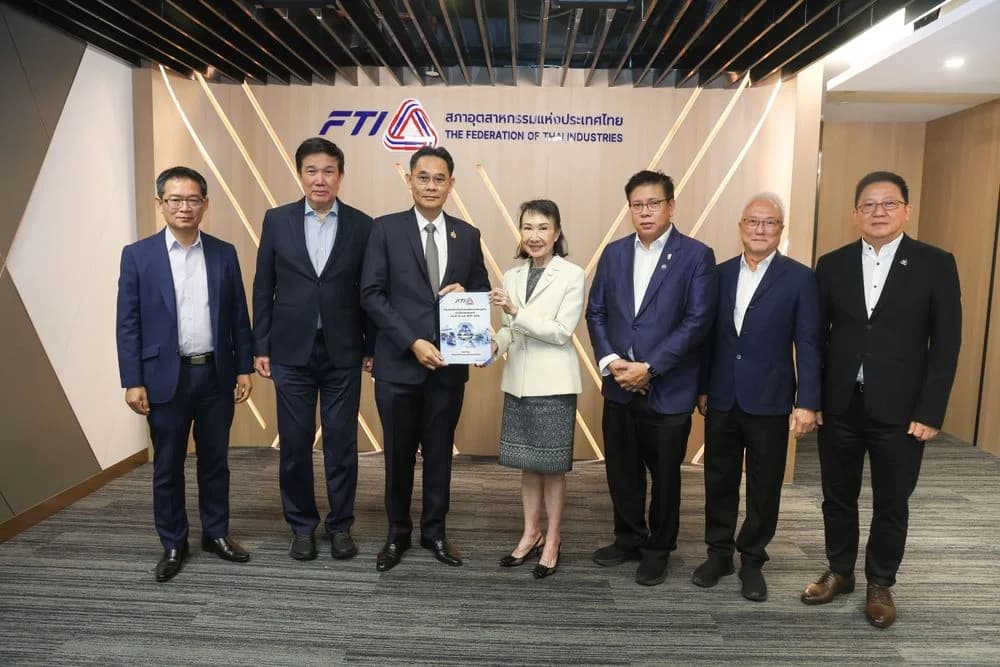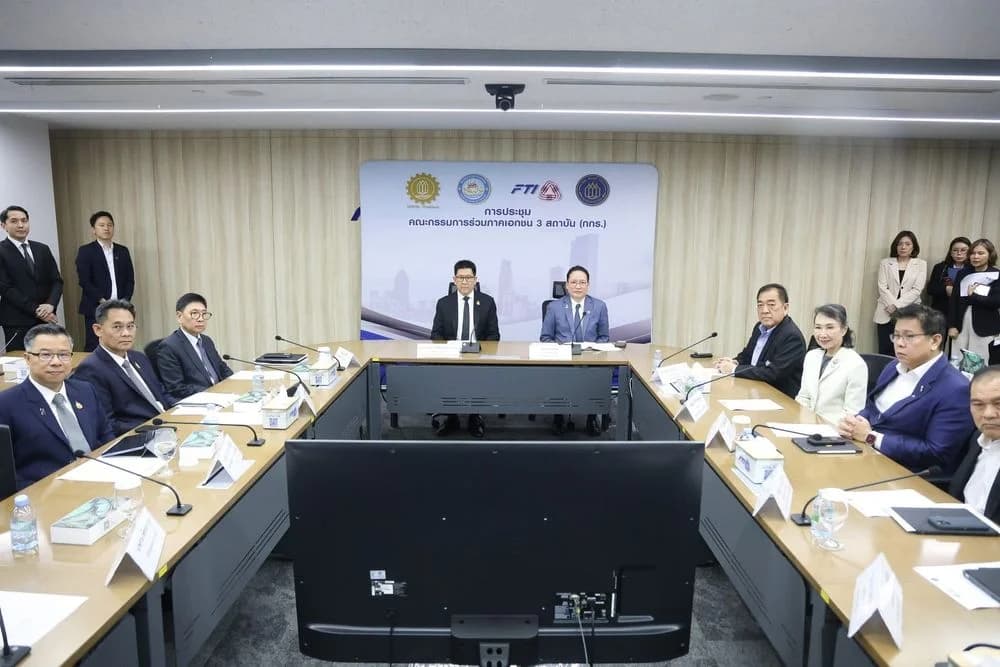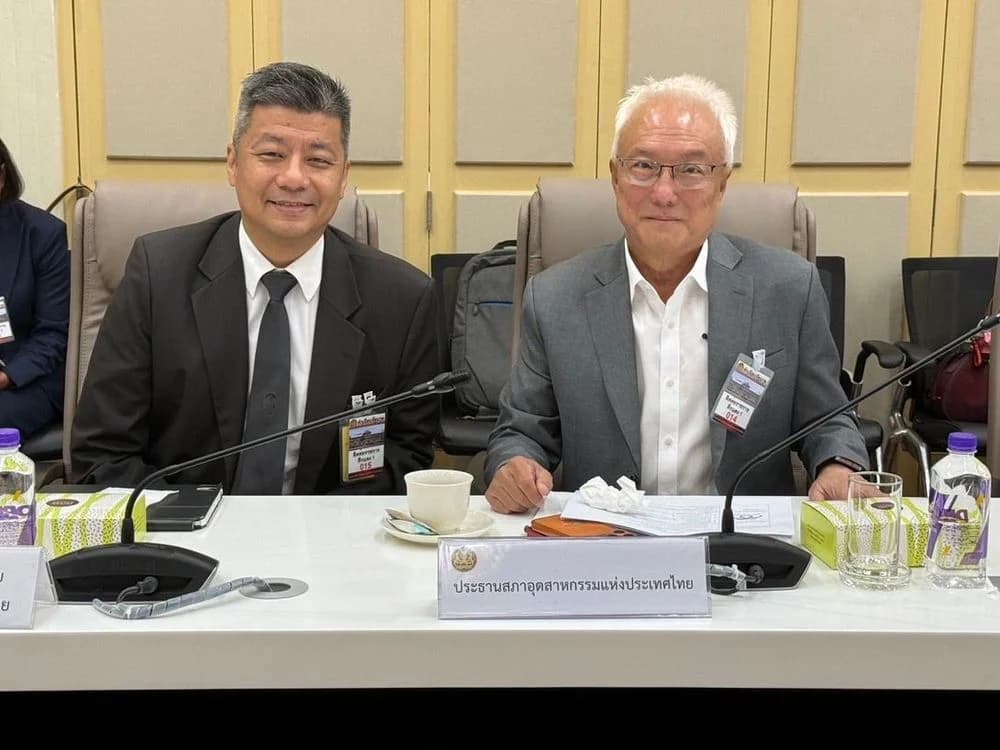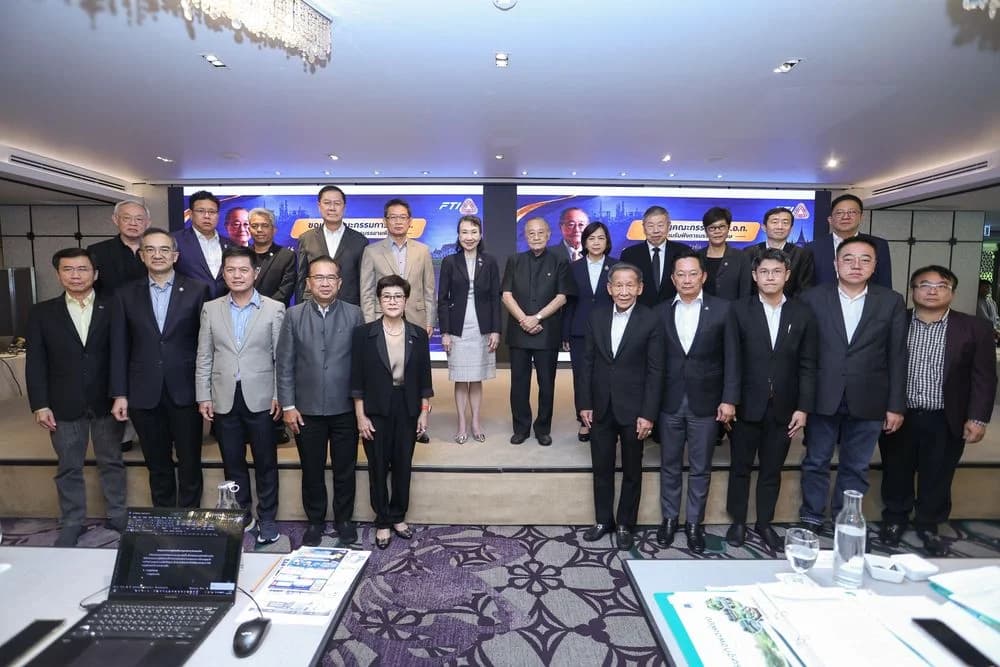

วันพุธที่ 3 เมษายน 2567 นายเกรียงไกร เธียรนุกุล ประธานสภาอุตสาหกรรมแห่งประเทศไทย (ส.อ.ท.) เป็นประธานการประชุมคณะกรรมการร่วมภาคเอกชน 3 สถาบัน (กกร.) โดยมีนายสนั่น อังอุบลกุล ประธานสภาหอการค้าแห่งประเทศไทย และนายผยง ศรีวณิช ประธานสมาคมธนาคารไทย ร่วมในการแถลงข่าว
สัญญาณเศรษฐกิจโลกปรับตัวดีขึ้น โดยเศรษฐกิจสหรัฐฯยังมีแนวโน้มเติบโตได้ต่อเนื่อง และเศรษฐกิจจีนเริ่มมีสัญญาณบวกที่หนุนการทยอยฟื้นตัว นอกจากนี้ทิศทางนโยบายการเงินของประเทศหลัก เช่น อังกฤษ และยุโรป มีแนวโน้มที่จะลดดอกเบี้ยเพื่อประคองการฟื้นตัวของเศรษฐกิจ ขณะที่การดำเนินนโยบายการเงินของธนาคารกลางสหรัฐฯ (เฟด) อาจไม่ได้รีบลดดอกเบี้ยเร็วและแรงเหมือนที่นักวิเคราะห์เคยคาดไว้ส่งผลให้ค่าเงินบาทมีทิศทางผันผวนอ่อนค่า
เศรษฐกิจไทยมีแนวโน้มเติบโตได้ในกรอบประมาณการที่ 2.8-3.3% แต่ภายใต้ภาวะเศรษฐกิจที่มีความเสี่ยงสูง และข้อจำกัดเชิงโครงสร้างของไทยที่ทำให้การส่งออกฟื้นตัวได้ช้าและไม่ทั่วถึง อีกทั้งอุปสงค์ภายในประเทศยังอ่อนแอ เศรษฐกิจไทยจึงต้องการแรงกระตุ้นเพิ่มเติมจากทั้งนโยบายการคลังในการเร่งเบิกจ่ายงบประมาณและมาตรการกระตุ้นอื่นๆ และนโยบายการเงินซึ่งจะเป็นในรูปของการปรับลดอัตราดอกเบี้ยนโยบายหรือการปรับลดค่าธรรมเนียม FIDF อย่างที่เคยทำในอดีต ซึ่งจะช่วยลดภาระทางการเงินให้กับภาคครัวเรือนและธุรกิจได้อย่างรวดเร็ว
เศรษฐกิจไทยมีความเสี่ยงเติบโตได้ต่ำลงจากปัญหาเชิงโครงสร้างที่กระทบต่อการผลิตและการส่งออก การผลิตภาคอุตสาหกรรมซึ่งมีขนาด 1 ใน 4 ของเศรษฐกิจไทยกำลังเผชิญปัญหาและไม่สามารถส่งออกได้เต็มศักยภาพ สินค้าส่งออกสำคัญของไทยหลายรายการ เช่น รถยนต์สันดาป Hard Disk Drive (HDD) และผลิตภัณฑ์พลาสติก ชะลอตัวลงจากปัจจัยทั้งระยะสั้นและระยะยาว ในขณะที่สินค้าที่ส่งออกได้ดีเป็นสินค้าที่มีความซับซ้อนต่ำ เช่น ยางรถยนต์ และเนื้อสัตว์แปรรูปนอกจากนี้สินค้าบางประเภทเผชิญการแข่งขันจากสินค้านำเข้าจากต่างประเทศ ดังนั้นภาคการผลิตไทยจำเป็นต้องเร่งปรับตัวให้สอดรับกับกระแสโลกที่เปลี่ยนแปลงไป และบริหารจัดการห่วงโซ่อุปทานให้มีความยืดหยุ่นมากขึ้น
กรอบประมาณการเศรษฐกิจปี 2567 ของ กกร.
(ณ ก.พ. 67) ปี 2567
GDP 2.8 ถึง 3.3
ส่งออก 2.0 ถึง 3.0
เงินเฟ้อ 0.7 ถึง 1.2
(ณ มี.ค. 67) ปี 2567
GDP 2.8 ถึง 3.3
ส่งออก 2.0 ถึง 3.0
เงินเฟ้อ 0.7 ถึง 1.2
(ณ เม.ย. 67) ปี 2567
GDP 2.8 ถึง 3.3
ส่งออก 2.0 ถึง 3.0
เงินเฟ้อ 0.7 ถึง 1.2
ปัญหาทางภูมิรัฐศาสตร์มีแนวโน้มทวีความรุนแรงมากขึ้นในระยะข้างหน้า โดยประเทศที่แบ่งขั้วชัดเจนจะหันมาค้ากับประเทศที่มีจุดยืนทางภูมิรัฐศาสตร์ไม่ขัดแย้งกัน ดังนั้น ประเทศไทยจะต้องหาโอกาสสร้างความได้เปรียบทางการค้า โดยเลือกกลยุทธ์ที่เฉพาะ “เจาะจง” กับบริบทของแต่ละภาคการผลิตในแต่ละตลาดส่งออก ซึ่งขึ้นอยู่กับความสามารถในการผลิตและความเข้มข้นในการแข่งขันในแต่ละอุตสาหกรรม
กกร.ตระหนักถึงปัญหาของผู้ประกอบการ SME ที่มีศักยภาพแต่ยังเข้าไม่ถึงสินเชื่อในระบบ จึงเสนอให้รัฐบาลพิจารณาเพิ่มกลไกในการสนับสนุนผู้ประกอบการให้เข้ามาอยู่ในระบบ เพื่อสร้างฐานข้อมูลสำหรับประกอบการพิจารณาสินเชื่อตามกลไกตลาด โดยส่งเสริมให้จดทะเบียนนิติบุคคล โดยยกเว้นการจัดเก็บภาษีเงินได้นิติบุคคลให้ 5-7 ปี เพื่อให้ผู้ประกอบการมีเวลาในการปรับตัว พร้อมปรับเงื่อนไขและเพิ่มทรัพยากรของบรรษัทประกันสินเชื่ออุตสาหกรรมขนาดย่อม (บสย.) ให้สอดคล้องกับสถานการณ์ปัจจุบัน และเกิดความร่วมมือกับทุกภาคส่วนที่เกี่ยวข้อง เพื่อให้ผู้ประกอบการสามารถเข้าถึงสินเชื่อในระบบได้มากขึ้น
กกร.ขอขอบคุณรัฐบาลที่ให้ความสำคัญกับการแก้ไขปัญหาสินค้าด้อยคุณภาพที่เข้ามาทุ่มตลาดในประเทศไทย ซึ่งกระทรวงการคลังอยู่ระหว่างพิจารณามาตรการจัดเก็บภาษีมูลค่าเพิ่ม (VAT) สำหรับการซื้อสินค้านำเข้าออนไลน์ที่ไม่เกิน 1,500 บาท เพื่อให้เกิดความเท่าเทียมในการแข่งขันของผู้ประกอบการภายในประเทศ อย่างไรก็ตามเพื่อให้เกิดการบูรณาการในการแก้ไขสินค้าไม่มีคุณภาพทั้งระบบ ภาครัฐควรพิจารณาปรับเงื่อนไขการใช้สิทธิประโยชน์เขตปลอดอากร (Free Zone) รวมทั้ง เพิ่มความเข้มงวดการตรวจจับสินค้าสำแดงเท็จที่นำเข้าผ่านด่านศุลกากร โดยสนับสนุนเครื่องมือที่มีประสิทธิภาพในการตรวจสแกนสินค้า ตลอดจนเร่งประชาสัมพันธ์สร้างความตระหนักให้ประชาชนทราบถึงผลกระทบของการใช้สินค้าที่ไม่ได้คุณภาพ
On Wednesday, April 3, 2024, Mr. Kriangkrai Thiennukul, Chairman of the Federation of Thai Industries (FTI), chaired the meeting of the Joint Standing Committee on Commerce, Industry and Banking (JCC), alongside Mr. Sanan Angubolkul, Chairman of the Thai Chamber of Commerce, and Mr. Payong Srivanich, Chairman of the Thai Bankers' Association, who participated in the press conference.
The global economic signals are improving, as the U.S. economy continues to show signs of sustained growth, while the Chinese economy is exhibiting positive signals that support gradual recovery. Additionally, the monetary policy direction of major countries, such as the UK and Europe, is leaning towards reducing interest rates to support economic recovery. Meanwhile, the U.S. Federal Reserve may not hastily reduce interest rates as analysts had previously anticipated, resulting in fluctuating depreciation of the Thai Baht.
The Thai economy is expected to grow within the range of 2.8-3.3%, yet it faces high-risk economic conditions and structural limitations that hinder widespread and swift recovery in exports. Moreover, domestic demand remains weak. Additional stimulus from fiscal policy to expedite budget disbursement and other stimulating measures, along with monetary policies such as adjusting the policy interest rate or reducing the Financial Institutions Development Fund (FIDF) fees as previously done, could quickly alleviate the financial burdens on households and businesses.
The Thai economy faces diminishing growth prospects due to structural problems affecting production and exports. The industrial sector, which accounts for a quarter of the Thai economy, is encountering difficulties and cannot fully export its potential. Several key Thai export items, such as combustion vehicles, Hard Disk Drives (HDD), and plastic products, are slowing down due to both short-term and long-term factors, while exports that perform well are primarily simple products such as automotive tires and processed meats. Furthermore, some products face competition from imported goods, necessitating the Thai manufacturing sector to quickly adapt to the changing global trends and manage supply chains to be more resilient.
JCC's economic forecast for 2024:
(as of February 2024) 2024
GDP 2.8 to 3.3
Exports 2.0 to 3.0
Inflation 0.7 to 1.2
(as of March 2024) 2024
GDP 2.8 to 3.3
Exports 2.0 to 3.0
Inflation 0.7 to 1.2
(as of April 2024) 2024
GDP 2.8 to 3.3
Exports 2.0 to 3.0
Inflation 0.7 to 1.2
Geopolitical issues are expected to intensify in the near future, with countries clearly polarized trading with countries that have non-conflicting geopolitical positions. Therefore, Thailand must seek opportunities to create trade advantages by selecting specific strategies tailored to the context of each industry in each export market, depending on their production capabilities and competitive intensity in each sector.
JCC acknowledges the challenges faced by SMEs with potential who still lack access to credit within the system, thus recommending the government consider implementing additional mechanisms to support these entrepreneurs to integrate into the formal system, establishing a database for credit evaluation based on market mechanisms. This includes promoting corporate registration by exempting corporate income tax for 5-7 years to provide entrepreneurs time to adapt and adjusting conditions as well as enhancing resources from the Small Industrial Credit Guarantee Corporation (SML) to align with the current situation, fostering cooperation among all relevant sectors to enable entrepreneurs to gain increased access to credit.
JCC expresses gratitude to the government for prioritizing the resolution of low-quality goods flooding the Thai market, with the Ministry of Finance currently considering VAT measures for online imported goods valued up to 1,500 Baht, to ensure fair competition among domestic operators. To achieve a comprehensive integration in combating low-quality products across the system, the government should consider revising the conditions for using Free Zone benefits and increase stringent measures against misdeclared goods at customs. Additionally, effective tools for scanning products should be supported, along with efforts to raise public awareness about the impacts of using low-quality products.