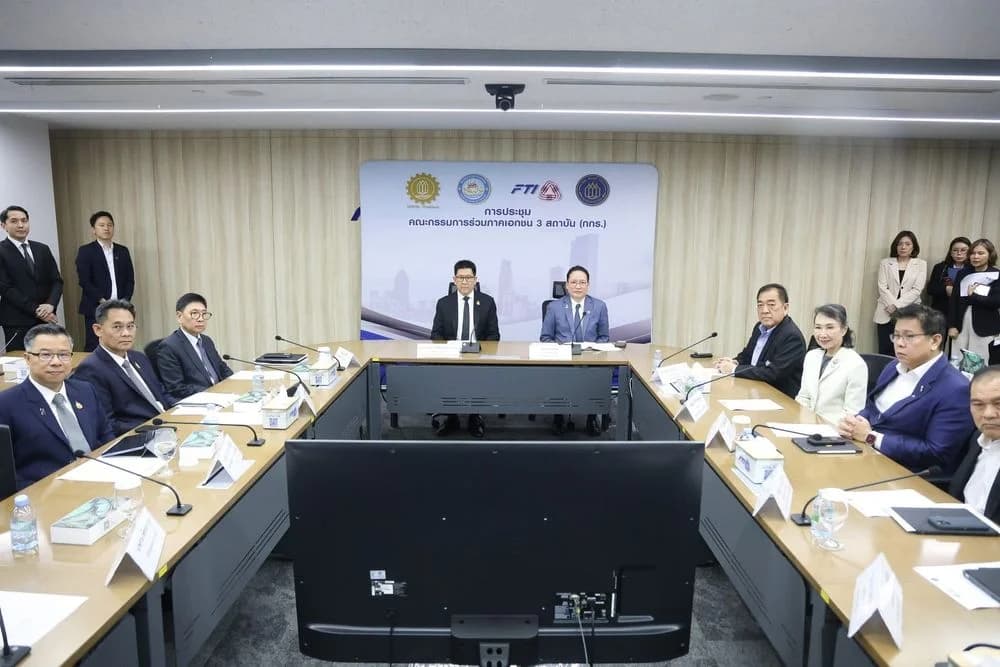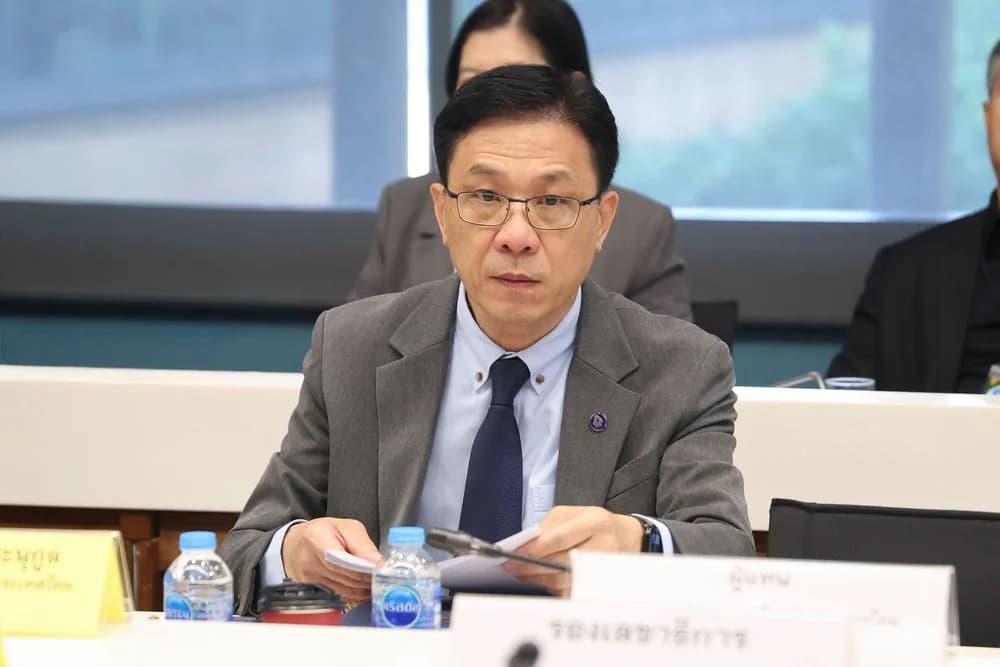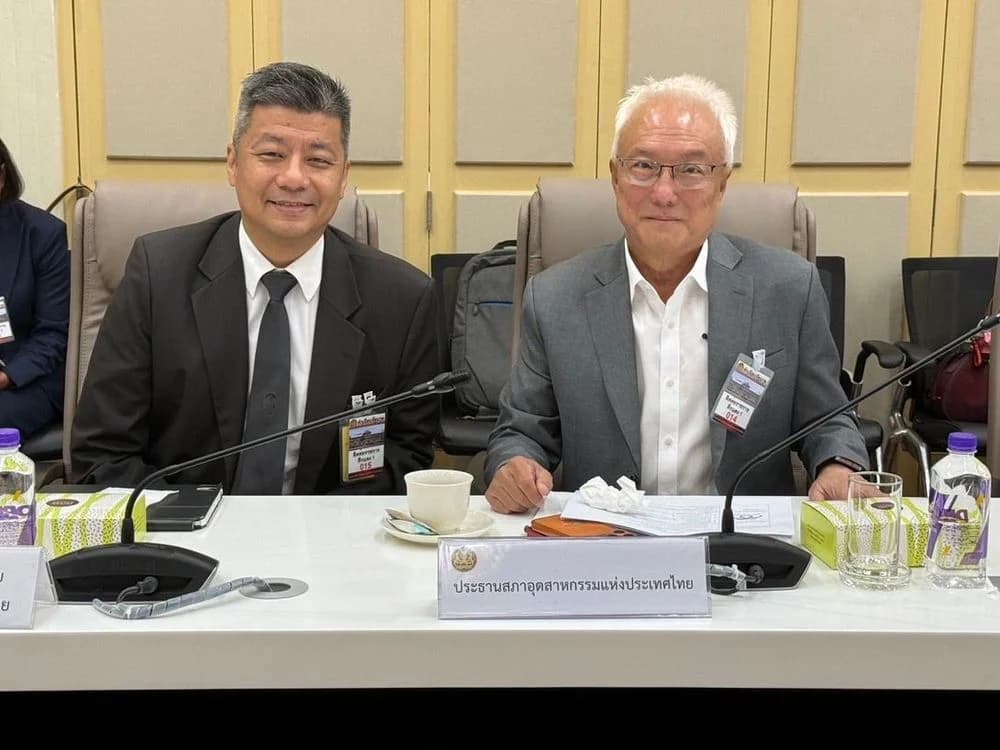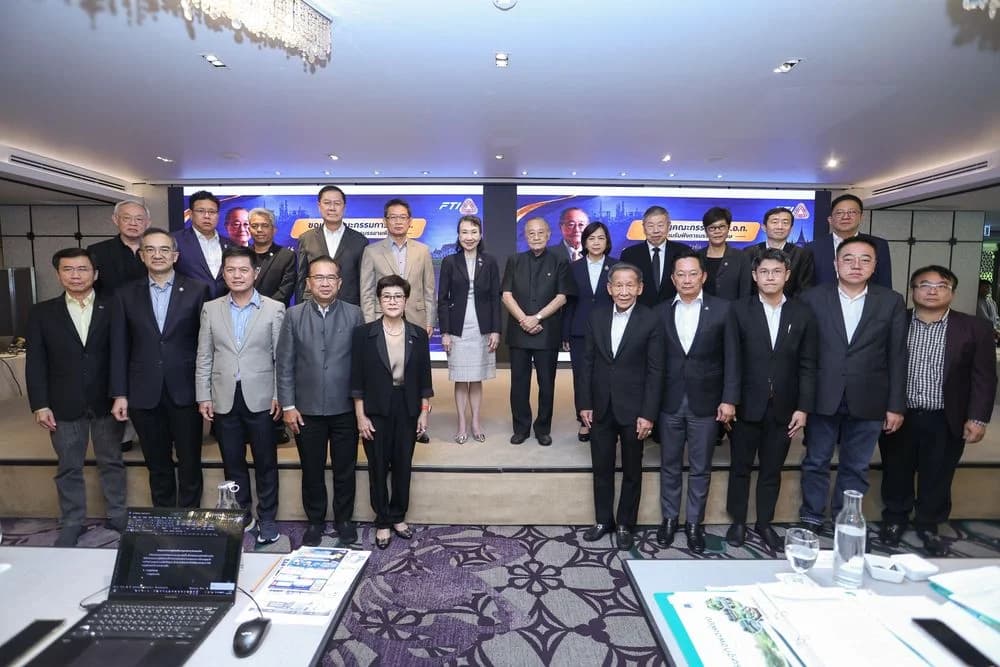
เมื่อวันที่ 19 เมษายน 2567 นางสาวยุพิน บุญศิริจันทร์ ประธานคณะกรรมการ CFM-ONE และประธานกลุ่มอุตสาหกรรมยานยนต์ สภาอุตสาหกรรมแห่งประเทศไทย (ส.อ.ท.) พร้อมด้วยนายสุพจน์ สุขพิศาล เลขานุการคณะกรรมการ CFM-ONE และประธานกลุ่มอุตสาหกรรมชิ้นส่วนและอะไหล่ยานยนต์ ส.อ.ท. เข้าร่วมการประชุมคณะกรรมาธิการการพัฒนาเศรษฐกิจ สภาผู้แทนราษฎร เพื่อหารือการจัดทำเค้าโครงรายงานการศึกษาภายในคณะทำงานศึกษาการเปลี่ยนผ่านอุตสาหกรรมยานยนต์สันดาป เพื่อจัดทำงบประมาณประจำปี 2568 ณ ห้องประชุมกรรมาธิการ CA316 อาคารรัฐสภา
ที่ประชุมฯ ได้มีการกำหนดกรอบข้อเสนอการเปลี่ยนผ่านอุตสาหกรรมยานยนต์และยกระดับขีดความสามารถในการแข่งขัน โดยพิจารณาจากอุปสงค์และอุปทาน (Demand & Supply) ทั้ง 3 ประเด็น ดังนี้
1. รักษาฐานการผลิตยานยนต์สันดาปเดิม เพื่อพยุงให้อุตสาหกรรมยานยนต์ในประเทศ มีการปรับตัวแบบค่อยเป็นค่อยไป เช่น กลุ่มเครื่องยนต์ ระบบส่งกำลัง เป็นต้น
2. ต่อยอดศักยภาพที่มีของอุตสาหกรรมยานยนต์และผู้ผลิตชิ้นส่วนฯ และสร้างโอกาส เพื่อนำไปสู่การขับเคลื่อนในอุตสาหกรรมยานยนต์สมัยใหม่ (Future Mobility)
3. สร้างโอกาสและความสามารถในอุตสาหกรรมยานยนต์ไฟฟ้า เพื่อสร้างมูลค่าเพิ่มขึ้น เช่น กลุ่มอุตสาหกรรมชิ้นส่วนยานยนต์ไฟฟ้า (EV) แบตเตอรี่ (Battery) เซลล์เชื้อเพลิง (Fuel cell) และมอเตอร์ (Motor)
ทั้งนี้ คณะทำงานฯ จะเสนอแผนการพัฒนาทั้ง 3 ประเด็นไปยังฝ่ายนิติบัญญัติ เพื่อให้การดำเนินงานเกิดเป็นรูปธรรม และยกระดับให้อุตสาหกรรมยานยนต์พร้อมรับสำหรับ Future Mobility และสามารถปรับตัวท่ามกลางความท้าทายในปัจจุบันได้
On April 19, 2024, Ms. Yupin Boonsirichan, Chair of the CFM-ONE Committee and Chair of the Automotive Industry Group of the Federation of Thai Industries (FTI), along with Mr. Supach Sukhpisan, Secretary of the CFM-ONE Committee and Chair of the Automotive Parts and Accessories Industry Group of the FTI, attended a meeting of the Economic Development Committee of the House of Representatives to discuss the framework for a report on the transition of the internal combustion vehicle industry and to prepare the budget for the fiscal year 2025 at the CA316 Committee Meeting Room, Parliament Building.
The committee defined a framework for proposals regarding the transition of the automotive industry and enhancing competitiveness based on demand and supply across three issues as follows:
1. Maintain the production base of existing internal combustion vehicles to support a gradual transition for the domestic automotive industry, such as in the areas of engines and transmission systems.
2. Leverage the existing capabilities of the automotive industry and parts manufacturers and create opportunities to drive the modern automotive industry (Future Mobility).
3. Create opportunities and capabilities in the electric vehicle industry to generate added value, such as in the electric vehicle components (EV) industry, batteries, fuel cells, and motors.
The working group will propose the development plan for all three issues to the legislative branch to ensure tangible implementation and to elevate the automotive industry’s readiness for Future Mobility while adapting to current challenges.