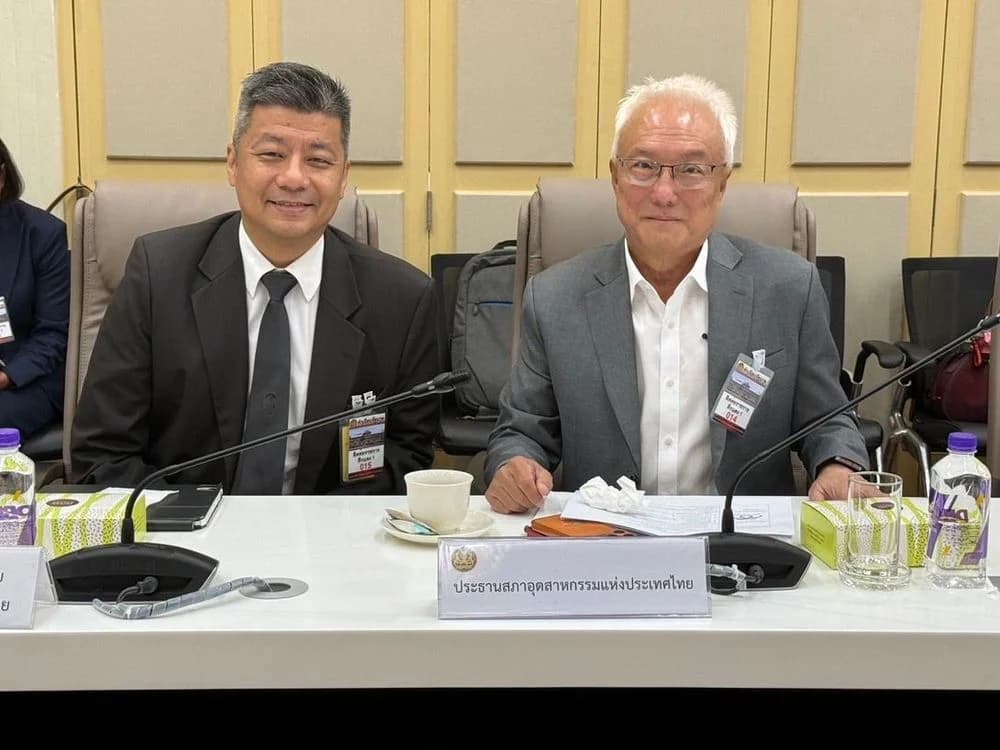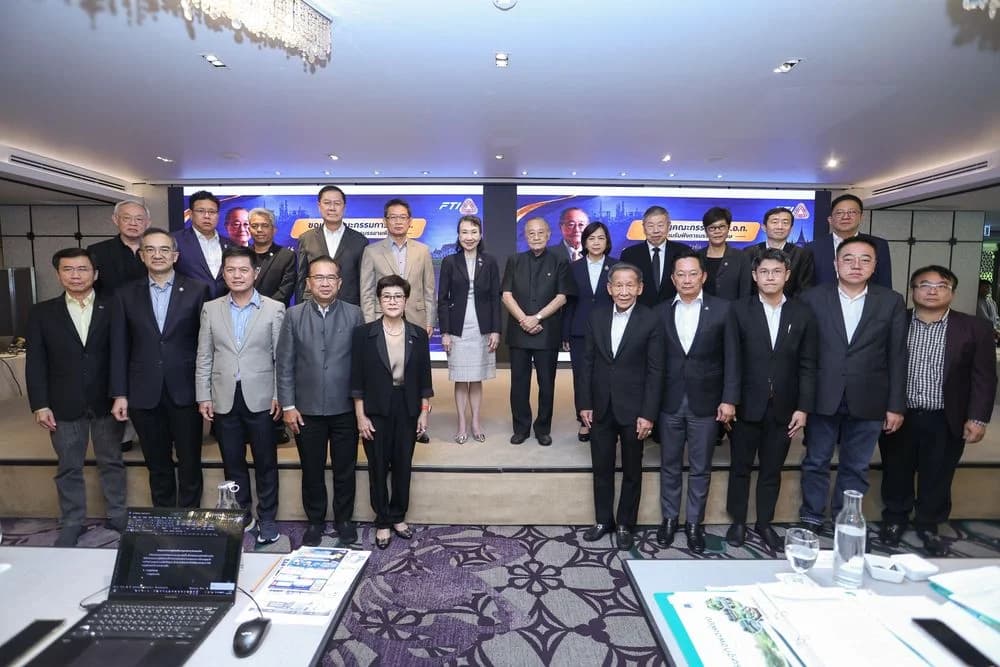

วันที่ 15 พฤษภาคม 2567 นายเกรียงไกร เธียรนุกุล ประธานสภาอุตสาหกรรมแห่งประเทศไทย (ส.อ.ท.) และนายวิวรรธน์ เหมมณฑารพ รองประธานสภาอุตสาหกรรมแห่งประเทศไทย (ส.อ.ท.) ร่วมเปิดเผยผลการสำรวจดัชนีความเชื่อมั่นภาคอุตสาหกรรมในเดือนเมษายน 2567 อยู่ที่ระดับ 90.3 ปรับตัวลดลงจาก 92.4 ในเดือนมีนาคม 2567 เมื่อพิจารณาองค์ประกอบของดัชนีฯ พบว่า ปรับตัวลดลงทุกองค์ประกอบ ทั้งยอดขายโดยรวม คำสั่งซื้อโดยรวม ปริมาณการผลิต ต้นทุนประกอบการและผลประกอบการ ทั้งนี้ความเชื่อมั่นภาคอุตสาหกรรมที่ปรับตัวลดลงเป็นผลมาจากการชะลอตัวของอุปสงค์ในประเทศ
นายเกรียงไกร เธียรนุกุล ประธานสภาอุตสาหกรรมแห่งประเทศไทย (ส.อ.ท.) และนายวิวรรธน์ เหมมณฑารพ รองประธานสภาอุตสาหกรรมแห่งประเทศไทย (ส.อ.ท.) ร่วมเปิดเผยผลการสำรวจดัชนีความเชื่อมั่นภาคอุตสาหกรรมในเดือนเมษายน 2567 อยู่ที่ระดับ 90.3 ปรับตัวลดลงจาก 92.4 ในเดือนมีนาคม 2567 เมื่อพิจารณาองค์ประกอบของดัชนีฯ พบว่า ปรับตัวลดลงทุกองค์ประกอบ ทั้งยอดขายโดยรวม คำสั่งซื้อโดยรวม ปริมาณการผลิต ต้นทุนประกอบการและผลประกอบการ ทั้งนี้ความเชื่อมั่นภาคอุตสาหกรรมที่ปรับตัวลดลงเป็นผลมาจากการชะลอตัวของอุปสงค์ในประเทศ อาทิ สินค้ายานยนต์ เฟอร์นิเจอร์ สิ่งทอ เครื่องนุ่งห่ม เป็นต้น เนื่องจากสภาวะเศรษฐกิจมีความไม่แน่นอน ส่งผลให้ประชาชนระมัดระวังการใช้จ่าย ผู้ประกอบการโดยเฉพาะ SMEs มีความกังวลต่อนโยบายการปรับขึ้นค่าจ้างขั้นต่ำ 400 บาทต่อวันเท่ากันทั่วประเทศ ซึ่งจะกระทบต่อต้นทุนการผลิต ขณะที่การสิ้นสุดมาตรการอุดหนุนราคาน้ำมันดีเซลของภาครัฐ ส่งผลให้ต้นทุนด้านพลังงานและค่าขนส่งปรับตัวเพิ่มขึ้น ขณะเดียวกันปัญหาภัยแล้งที่ทวีความรุนแรงขึ้น ส่งผลกระทบต่อผลผลิตสินค้าเกษตรและทำให้เกิดปัญหาการขาดแคลนน้ำ นอกจากนี้ ผู้ประกอบการยังได้รับผลกระทบจากสินค้าราคาถูกจากต่างประเทศเข้ามาทุ่มตลาดในประเทศไทยและอาเซียน อย่างไรก็ตาม ในเดือนเมษายนมีวันทำงานน้อยเนื่องจากมีวันหยุดต่อเนื่องในเทศกาลสงกรานต์ส่งผลให้การผลิตสินค้าลดลง ด้านการส่งออกชะลอลงตามอุปสงค์ประเทศคู่ค้าที่ลดลงจากปัญหาความไม่แน่นอนของเศรษฐกิจโลก รวมถึงผลกระทบจากสถานการณ์ความขัดแย้งในตะวันออกกลางรุนแรงขึ้น ทั้งนี้ สงครามรัสเซีย-ยูเครนที่ยังไม่คลี่คลาย ส่งผลกระทบต่อราคาพลังงานในตลาดโลก รวมถึงปัญหาความไม่สงบในประเทศเมียนมาที่ส่งผลกระทบต่อการค้าชายแดน
อย่างไรก็ตาม ในเดือนเมษายนยังมีปัจจัยบวกจากการเดินทางเข้ามาของนักท่องเที่ยวต่างชาติในช่วงเทศกาลสงกรานต์ ส่งผลดีต่อยอดขายสินค้าในกลุ่มสินค้าอุปโภคบริโภค ขณะที่ตลาดโลกมีความต้องการสินค้าอาหารเพิ่มขึ้นจากภาวะขาดแคลนอาหารและปัญหาภัยแล้ง นอกจากนี้ ผู้ประกอบการที่มีภาระหนี้ยังได้รับผลดีจากการที่ธนาคารพาณิชย์และสถาบันการเงินหลายแห่งปรับลดอัตราดอกเบี้ย (MRR) ลง 0.25% เป็นระยะเวลา 6 เดือน เพื่อช่วยเหลือลูกค้ากลุ่มเปราะบาง ตามคำร้องขอของนายกรัฐมนตรี
จากการสำรวจผู้ประกอบการ 1,268 ราย ครอบคลุม 46 กลุ่มอุตสาหกรรมของสภาอุตสาหกรรมแห่งประเทศไทย (ส.อ.ท.) ในเดือนเมษายน 2567 พบว่าปัจจัยที่ผู้ประกอบการมีความกังวลเพิ่มขึ้น ได้แก่ เศรษฐกิจโลก ร้อยละ 79.4 ราคาน้ำมัน ร้อยละ 56.6 เศรษฐกิจในประเทศ ร้อยละ 56.4 สถานการณ์การเมืองในประเทศ ร้อยละ 40.2 อัตราแลกเปลี่ยน (มุมมองผู้ส่งออก) โดยอัตราแลกเปลี่ยนอ้างอิงค่าเงินบาทเทียบกับดอลลาร์สหรัฐฯ ร้อยละ 39.5 ตามลำดับ ปัจจัยที่มีความกังวลลดลง ได้แก่ อัตราดอกเบี้ยเงินกู้ ร้อยละ 68.5 ตามลำดับ
ขณะที่ดัชนีฯ คาดการณ์ 3 เดือนข้างหน้า อยู่ที่ระดับ 98.3 ปรับตัวลดลง จาก 100.8 ในเดือนมีนาคม 2567 โดยมีปัจจัยเสี่ยงจากปัญหาภัยแล้งที่รุนแรง ส่งผลกระทบต่อสินค้าเกษตร และทำให้เกิดปัญหาขาดแคลนน้ำในการอุปโภคบริโภค รวมถึงในภาคเกษตรและอุตสาหกรรม ขณะเดียวกันการเข้าสู่ช่วง Low Season ของภาคการท่องเที่ยวทำให้นักท่องเที่ยวต่างชาติลดลง นอกจากนี้ ปัญหาความเสี่ยงด้านภูมิรัฐศาสตร์จากความขัดแย้งในตะวันออกกลางรวมถึงสงครามรัสเซีย – ยูเครน กดดันเศรษฐกิจโลกและภาคการส่งออก อย่างไรก็ตาม ยังมีปัจจัยบวกจากการเบิกจ่ายงบประมาณ ปี 2567 จะช่วยกระตุ้นเศรษฐกิจในช่วงครึ่งปีหลัง
ข้อเสนอแนะต่อภาครัฐ
เสนอให้ภาครัฐและหน่วยงานที่เกี่ยวข้องออกมาตรการช่วยเหลือด้านราคาพลังงานเป็นเวลา 3 เดือน เพื่อลดต้นทุนให้กับผู้ประกอบการและลดภาระค่าครองชีพ เช่น การตรึงราคาน้ำมันดีเซลไม่ให้เกิน 30 บาทต่อลิตร การให้ส่วนลดค่าไฟฟ้าแก่ SMEs รวมทั้งออกมาตรการส่งเสริมการใช้พลังงานทดแทน
เสนอให้ภาครัฐชะลอการปรับขึ้นค่าจ้างขั้นต่ำออกไปก่อน เนื่องจากภาคการผลิตยังคงชะลอตัวต่อเนื่อง และผู้ประกอบการ SMEs กว่า 18 ล้านราย ยังไม่สามารถแบกรับภาระต้นทุนที่เพิ่มสูงขึ้นได้ ซึ่งการปรับขึ้นอัตราค่าจ้างขั้นต่ำจะต้องเป็นไปตามกลไกของคณะอนุกรรมการพิจารณาอัตราค่าจ้างขั้นต่ำรายจังหวัด และคณะกรรมการค่าจ้าง (ไตรภาคี) โดยพิจารณาให้สอดคล้องกับปัจจัยทางเศรษฐกิจของแต่ละจังหวัด
เสนอให้ภาครัฐออกมาตรการส่งเสริมผู้ประกอบการให้มีการดำเนินการตามแนวคิด ESG รวมทั้งการลดการปลดปล่อยก๊าซเรือนกระจก เช่น ผ่อนปรนเงื่อนไขการเข้าถึงเงินกู้ Green loan ให้ง่ายขึ้น อุดหนุนค่าใช้จ่ายที่นำไปลงทุนเทคโนโลยีด้านการจัดการสิ่งแวดล้อม ลดค่าธรรมเนียมรับรองคาร์บอนเครดิต 50% ในปี 2567 เป็นต้น
ทั้งนี้ ส.อ.ท. ได้ทำการรวบรวมข้อมูลผลการสำรวจดัชนีความเชื่อมั่นภาคอุตสาหกรรม และข้อมูลตัวชี้วัดทางเศรษฐกิจและอุตสาหกรรมจากหน่วยงานต่างๆ ย้อนหลัง 3 ปี จัดทำเป็น Dashboard เผยแพร่ในเว็บไซต์ศูนย์ข้อมูลภาคเศรษฐกิจและอุตสาหกรรม Industry Data Space (iDS) ของ ส.อ.ท. เพื่ออำนวยความสะดวกให้แก่ผู้ประกอบการและบุคคลทั่วไปให้สามารถเข้าถึงข้อมูลที่เป็นประโยชน์ในการดำเนินธุรกิจ โดยสามารถเข้าไปใช้บริการข้อมูลดังกล่าวได้ที่ www.fti.or.th/ids
ส.อ.ท. มุ่ง “เสริมสร้างความเข้มแข็งให้อุตสาหกรรมไทย เพื่อประเทศไทยที่เข้มแข็งกว่าเดิม (Strengthen Thai Industries for Stronger Thailand)”
.……………………………………………………………………………………………………………………………………………..………………
เผยแพร่โดย ฝ่ายสื่อสารองค์กร สภาอุตสาหกรรมแห่งประเทศไทย (โทร. 0-2345-1013)
จัดทำข้อมูลโดย ฝ่ายเศรษฐกิจและวิชาการ สภาอุตสาหกรรมแห่งประเทศไทย (โทร. 0-2345-1111)
On May 15, 2024, Mr. Kiangkrair Thiennukul, Chairman of the Federation of Thai Industries (FTI), and Mr. Wiwat Hemmanta, Vice Chairman of the Federation of Thai Industries (FTI), jointly disclosed that the industrial confidence index for April 2024 was at 90.3, a decrease from 92.4 in March 2024. When considering the components of the index, it was found that every component declined, including overall sales, overall orders, production volume, operational costs, and profitability. This decrease in industrial confidence is a result of the slowdown in domestic demand.
Mr. Kiangkrair Thiennukul, Chairman of the Federation of Thai Industries (FTI), and Mr. Wiwat Hemmanta, Vice Chairman of the Federation of Thai Industries (FTI), jointly disclosed that the industrial confidence index for April 2024 was at 90.3, a decrease from 92.4 in March 2024. When considering the components of the index, it was found that every component declined, including overall sales, overall orders, production volume, operational costs, and profitability. This decrease in industrial confidence is a result of the slowdown in domestic demand for products such as automobiles, furniture, textiles, and clothing due to economic uncertainty, which has caused consumers to be cautious in spending. Entrepreneurs, especially SMEs, are concerned about the policy to raise the minimum wage to 400 baht per day uniformly across the country, which will impact production costs. Meanwhile, the end of government subsidies for diesel prices has resulted in increases in energy and transportation costs. At the same time, the escalating drought problem is affecting agricultural output and leading to water scarcity issues. Moreover, entrepreneurs are also affected by the influx of cheaper imported goods flooding the market in Thailand and ASEAN. Nevertheless, in April, there were fewer working days due to the continuous holidays during the Songkran festival, leading to a decline in production. Export activities slowed down due to reduced demand from trading partner countries arising from global economic uncertainty and the intensified geopolitical situation in the Middle East. Additionally, the ongoing Russia-Ukraine war continues to affect global energy prices, combined with instability in Myanmar affecting cross-border trade.
However, in April, there were positive factors stemming from the influx of foreign tourists during the Songkran festival, which positively impacted sales within the consumer goods sector. Meanwhile, the global demand for food products has increased due to food shortages and drought issues. Furthermore, entrepreneurs with debt burdens have benefited from many commercial banks and financial institutions reducing their minimum retail rates (MRR) by 0.25% for six months to assist vulnerable customers at the request of the Prime Minister.
From a survey of 1,268 entrepreneurs covering 46 industrial groups of the Federation of Thai Industries (FTI) in April 2024, it was found that the factors concerning entrepreneurs’ increased concerns include the global economy at 79.4%, oil prices at 56.6%, domestic economy at 56.4%, political situation in the country at 40.2%, and exchange rates (exporters' views) with the exchange rate based on the Thai baht against the US dollar at 39.5%, respectively. The factors of concern that decreased include loan interest rates at 68.5%, respectively.
Meanwhile, the index for the next three months is forecasted to be at 98.3, down from 100.8 in March 2024, with risk factors arising from severe drought issues impacting agricultural products and leading to water shortages for consumption and in agriculture and industry. At the same time, entering the low season in tourism causes a reduction in foreign tourists. Additionally, geopolitical risks from the conflicts in the Middle East and the Russia-Ukraine war will pressure the global economy and export sector. Nevertheless, there are positive factors from budget disbursement for the fiscal year 2024 that will help stimulate the economy in the second half of the year.
Recommendations to the Government:
It is recommended that the government and relevant agencies implement measures to assist with energy prices for three months to reduce costs for entrepreneurs and lessen the burden of living expenses, such as capping diesel prices at no more than 30 baht per liter, providing discounts on electricity bills for SMEs, and promoting the use of renewable energy.
It is advised that the government postpone the increase in the minimum wage as the manufacturing sector continues to slow down, and over 18 million SMEs are unable to bear increased costs. The adjustment of minimum wage rates should follow the mechanism of the subcommittee for the consideration of minimum wage rates by province and the Tripartite Wage Committee, taking into account the economic factors of each province.
It is recommended that the government issue measures to promote entrepreneurs to operate under the ESG concept, including reducing greenhouse gas emissions, such as easing access conditions for Green loan borrowing, subsidizing expenses for investments in environmental management technology, and reducing carbon credit certification fees by 50% in 2024.
In addition, FTI has compiled the results of the industrial confidence index survey and economic indicators from various agencies over the past three years to create a dashboard published on the Industry Data Space (iDS) website of the Federation of Thai Industries (FTI) to facilitate entrepreneurs and the public in accessing useful business information. This information service can be accessed at www.fti.or.th/ids
FTI aims to “Strengthen Thai Industries for a Stronger Thailand.”
.……………………………………………………………………………………………………………………………………………..………………
Published by the Corporate Communications Department of the Federation of Thai Industries (Tel: 0-2345-1013)
Data compiled by the Economic and Academic Department of the Federation of Thai Industries (Tel: 0-2345-1111)