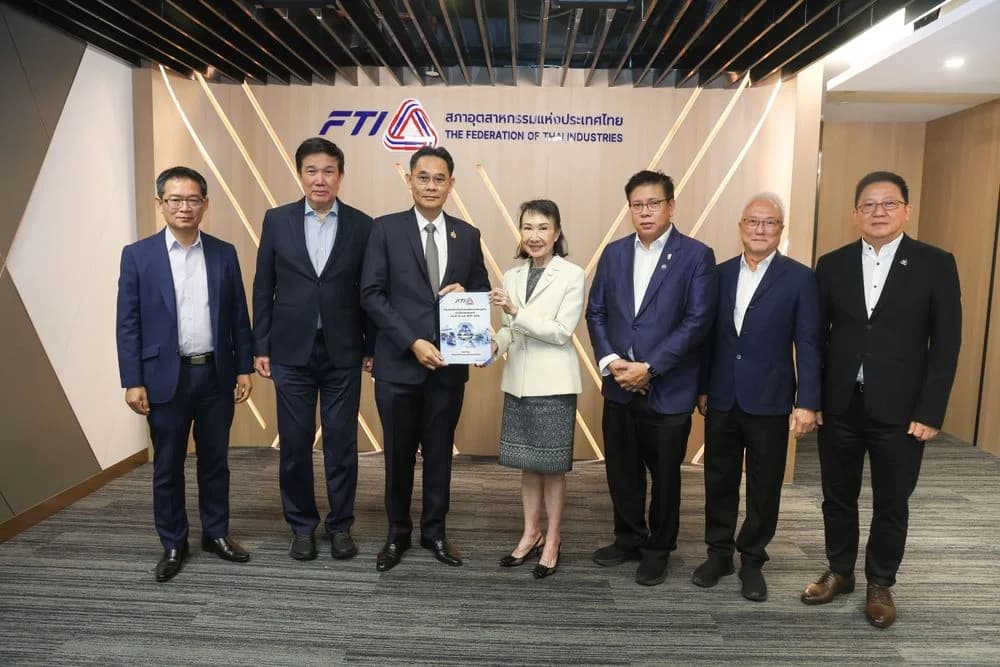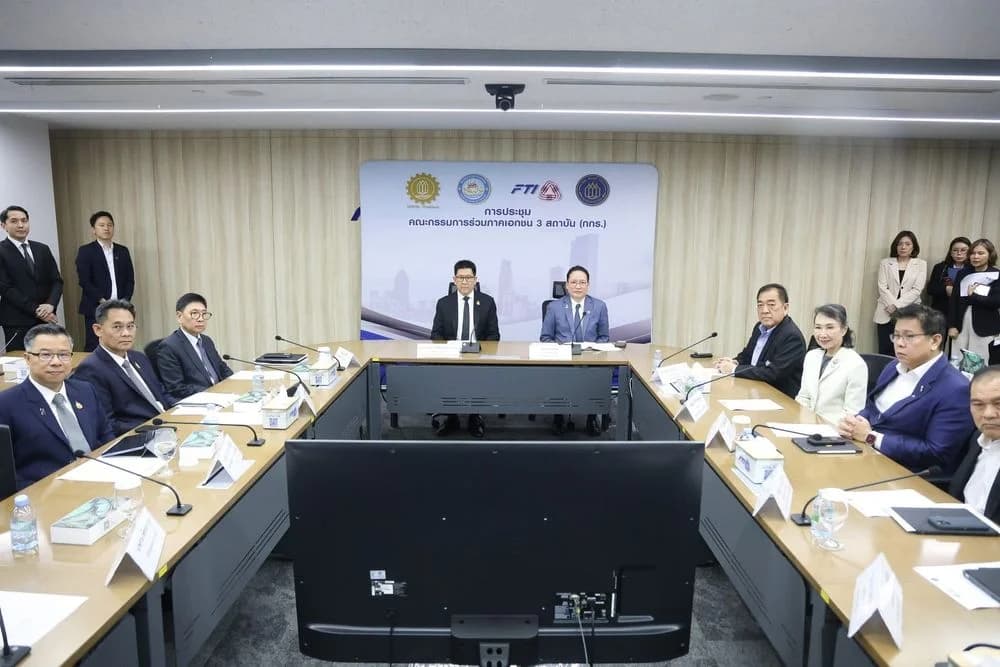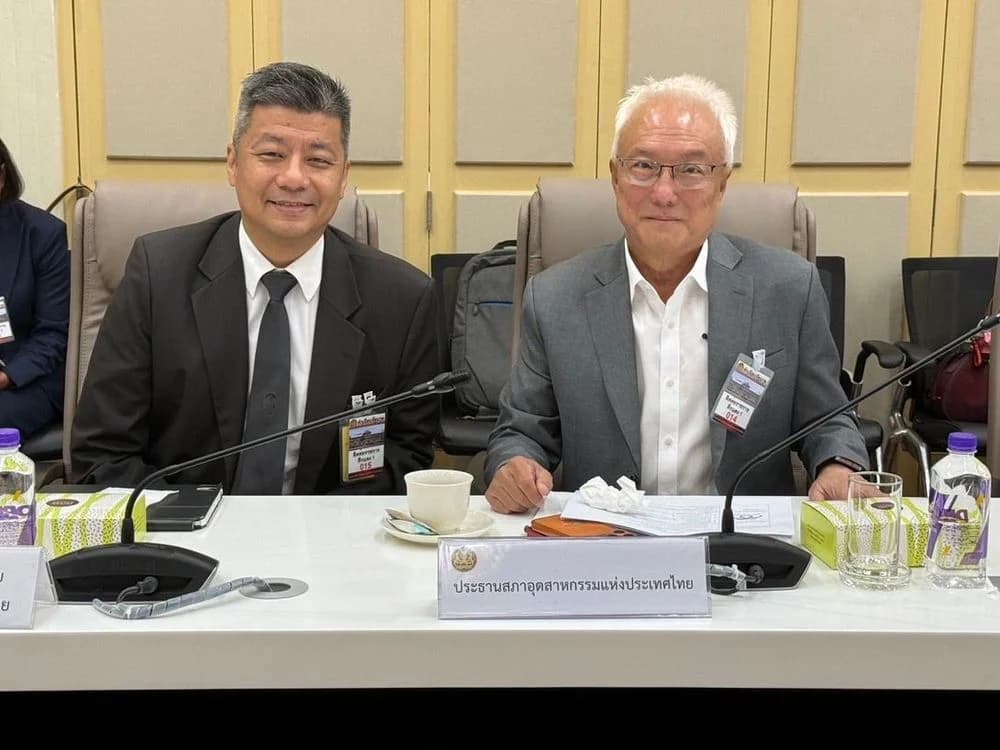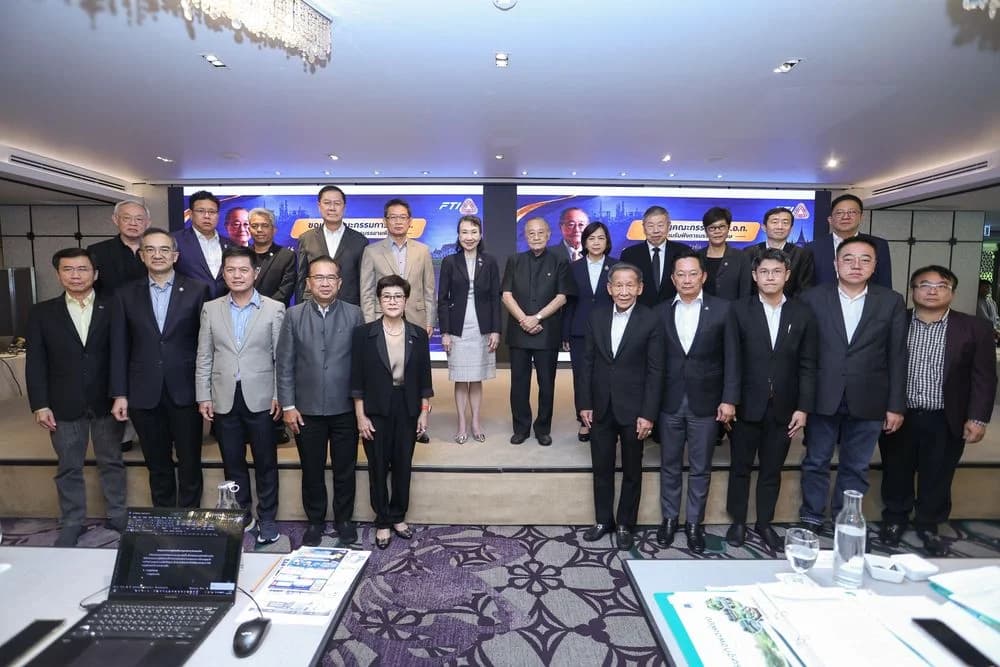

วันพุธที่ 5 มิถุนายน 2567 นายผยง ศรีวณิช ประธานสมาคมธนาคารไทย เป็นประธานการประชุมคณะกรรมการร่วมภาคเอกชน 3 สถาบัน (กกร.) โดยมีนายเกรียงไกร เธียรนุกุล ประธานสภาอุตสาหกรรมแห่งประเทศไทย (ส.อ.ท.) และนายสนั่น อังอุบลกุล ประธานสภาหอการค้าแห่งประเทศไทย ร่วมในการแถลงข่าว
• การค้าโลกและปริมาณการส่งออกชะลอตัวชัดขึ้น ปริมาณการส่งออกของโลกชะลอตัวต่อเนื่อง ขณะที่ภาคอุตสาหกรรมของประเทศสำคัญยังฟื้นตัวได้ช้า นอกจากนี้สงครามการค้าระหว่างสหรัฐฯ และจีนมีแนวโน้มกลับมารุนแรงขึ้นอย่างต่อเนื่อง โดยเฉพาะมาตรการขึ้นภาษีรอบล่าสุดของสหรัฐฯต่อสินค้ากลุ่มรถยนต์ EV โซลาร์เซลล์ เซมิคอนดักเตอร์ เป็นต้น โดยมีกำหนดบังคับใช้ภายในปีนี้ ซึ่งจะเป็นปัจจัยลบเพิ่มเติมต่อการค้าโลก ส่งผลกระทบต่อการส่งออกของไทยและประเทศในกลุ่มอาเซียนที่ถูกสหรัฐฯมองว่าจีนใช้เป็นฐานการผลิต
• เศรษฐกิจไทยมีแนวโน้มฟื้นตัวช้า โดยเศรษฐกิจไตรมาสที่ 1/2567 เติบโต 1.5% ขยายตัวชะลอลงจากไตรมาสก่อนจากการหดตัวของการส่งออกและการใช้จ่ายของภาครัฐ ขณะที่ในระยะข้างหน้าเศรษฐกิจยังมีแนวโน้มฟื้นตัวได้จำกัด เนื่องจากการส่งออกฟื้นตัวได้ช้าตามการค้าโลกที่ชะลอตัว และปัญหาเอลนีโญ (ฝนแล้ง) ในช่วงที่ผ่านมาส่งผลให้ผลผลิตการเกษตรลดลง ส่วนการใช้จ่ายของครัวเรือนได้รับผลกระทบจากหนี้ครัวเรือนในระดับสูง ทั้งปี กกร. คาดว่าจะเติบโตได้เพียง 2.2-2.7%
กรอบประมาณการเศรษฐกิจปี 2567 ของ กกร.
(ณ เม.ย. 67) ปี 2567
GDP 2.8 ถึง 3.3
ส่งออก 2.0 ถึง 3.0
เงินเฟ้อ 0.7 ถึง 1.2
(ณ พ.ค. 67) ปี 2567
GDP 2.2 ถึง 2.7
ส่งออก 0.5 ถึง 1.5
เงินเฟ้อ 0.5 ถึง 1.0
(ณ มิ.ย. 67) ปี 2567
GDP 2.2 ถึง 2.7
ส่งออก 0.5 ถึง 1.5
เงินเฟ้อ 0.5 ถึง 1.0
ทั้งนี้ที่ประชุมกกร. ได้มีการหารือในประเด็นสำคัญเพิ่มเติม ดังนี้
1) กกร.เห็นด้วยและขอบคุณรัฐบาลที่ได้มีมาตรการกระตุ้นเศรษฐกิจระยะสั้น จากการประชุม ครม. เศรษฐกิจ ทั้งมาตรการเพิ่มการท่องเที่ยวช่วง Low-season ที่เชื่อว่าจะช่วยกระจายรายได้ไปทั่วประเทศ รวมถึงการเสนอมาตรการค้ำประกันสินเชื่อของ บสย. วงเงินประมาณ 5 หมื่นล้านบาทที่เตรียมนำเสนอ ครม.นั้น จะส่งผลดีต่อเนื่องไปยังการลงทุน การจ้างงาน และการบริโภค และคาดว่าจะส่งผลดีต่อเศรษฐกิจประมาณ 2 แสนล้านบาท ทั้งนี้กกร. พร้อมเข้าไปมีส่วนช่วยคัดกรองและรับรอง SMEs ที่มีศักยภาพ ให้มีโอกาสเข้าถึงแหล่งเงินทุนได้ง่ายขึ้น นอกจากนี้ที่ประชุมกกร. ได้เสนอให้ภาครัฐมีมาตรการเพิ่มเติมในการยกระดับขีดความสามารถในการแข่งขันของ SMEs รวมถึงมาตรการสนับสนุนให้ SMEs เข้ามาอยู่ในระบบเศรษฐกิจ เช่น การยกเว้นภาษีเงินได้นิติบุคคล เป็นระยะเวลา 5-7 ปี เพื่อให้ผู้ประกอบการมีเวลาปรับตัวและเข้ามาอยู่ในระบบมากขึ้น
2) กกร.อยู่ระหว่างหารือกับภาครัฐเกี่ยวกับแนวทางการปรับค่าแรงขั้นต่ำให้สอดคล้องกับสภาพเศรษฐกิจ ผลิตภาพแรงงาน (Labor Productivity) และดำเนินการตามกรอบกฎหมาย ตามข้อเสนอของภาคเอกชนในประเด็นที่ได้นำเสนอรัฐบาลไปแล้วก่อนหน้านี้ โดยแต่ละพื้นที่จะประสานผ่าน กกร.จังหวัดให้มีการหารือร่วมกับคณะอนุกรรมการค่าจ้างขั้นต่ำรายจังหวัด (ไตรภาคี) ต่อไป
3) ที่ประชุม กกร.มีความกังวลต่อภาคการส่งออกสินค้าที่ยังอยู่ในภาวะชะลอตัว จากสงครามการค้าระหว่างสหรัฐฯ-จีน ที่มีแนวโน้มกลับมารุนแรงขึ้น ซึ่งจะส่งผลกระทบโดยตรงต่อการส่งออกสินค้าของจีนไปยังสหรัฐฯ ทำให้จีนต้องหาตลาดใหม่ทดแทนเพื่อส่งออกสินค้า ถือเป็นปัจจัยเสี่ยงเพิ่มเติมต่อการส่งออกสินค้าของไทยที่อยู่ในภาวะชะลอตัวต่อเนื่อง นอกจากนี้ภาคการส่งออกยังมีปัจจัยกดดันจากต้นทุนค่าขนส่งที่สูงขึ้นจากการขาดแคลนตู้คอนเทนเนอร์ที่หมุนเวียนไม่ทันเนื่องจากระยะเวลาขนส่งที่นานขึ้น ซึ่งเป็นผลต่อเนื่องจากสถานการณ์ความขัดแย้งในตะวันออกกลาง ดังนั้น จึงจำเป็นต้องมีมาตรการสนับสนุนจากภาครัฐเพื่อเพิ่มขีดความสามารถทางการแข่งขันของภาคส่งออก และส่งเสริมสินค้าที่มีศักยภาพ ในอุตสาหกรรมเป้าหมายให้เกิดเป็นรูปธรรมโดยเร็วที่สุดเพื่อเพิ่มมูลค่าในการส่งออกของประเทศ
———————————————
On Wednesday, June 5, 2024, Mr. Payong Srivanich, Chairman of the Thai Bankers' Association, presided over a meeting of the Joint Private Sector Committee (JPSD) consisting of three organizations, with Mr. Kriangkrai Tiennukul, Chairman of the Federation of Thai Industries (FTI), and Mr. Sanan Angubolkul, Chairman of the Board of Trade of Thailand, participating in the press conference.
• Global trade and export volumes are showing a clearer slowdown. The world's export volumes continue to decline, while the industrial sector of important countries is recovering slowly. Additionally, the trade war between the United States and China is showing signs of intensifying, particularly with the latest round of tariff measures from the U.S. on products such as EV vehicles, solar cells, and semiconductors, which are set to take effect within this year, adding further negative factors to global trade and impacting exports from Thailand and ASEAN countries viewed by the U.S. as bases for Chinese manufacturing.
• The Thai economy is projected to recover slowly, with the economy in the first quarter of 2024 growing by 1.5%, a deceleration from the previous quarter due to the contraction in exports and government spending. In the near future, the economy is expected to recover only modestly due to slow export recovery aligned with the stagnant global trade and the adverse effects of El Niño (drought) in recent times leading to reduced agricultural output. Household spending is also affected by high household debt levels. For the whole year, the JPSD estimates growth at only 2.2-2.7%.
Economic projection framework for 2024 by JPSD:
(As of April 2024) Year 2024
GDP 2.8 to 3.3
Exports 2.0 to 3.0
Inflation 0.7 to 1.2
(As of May 2024) Year 2024
GDP 2.2 to 2.7
Exports 0.5 to 1.5
Inflation 0.5 to 1.0
(As of June 2024) Year 2024
GDP 2.2 to 2.7
Exports 0.5 to 1.5
Inflation 0.5 to 1.0
Furthermore, the JPSD meeting discussed additional important issues as follows:
1) The JPSD supports and thanks the government for short-term economic stimulus measures from the Cabinet's economic meeting, including measures to boost tourism during the low season, which it believes will help spread income across the country. The proposal for a loan guarantee measure from the Thai Credit Guarantee Corporation, amounting to approximately 50 billion baht, to be presented to the Cabinet, will positively impact investment, employment, and consumption, and is expected to result in economic benefits of around 200 billion baht. The JPSD is ready to assist in screening and certifying capable SMEs to facilitate their access to funding sources. Additionally, the JPSD proposed that the government implement further measures to enhance the competitive capabilities of SMEs, including support measures for SMEs to join the economic system, such as exempting corporate income tax for 5-7 years, allowing entrepreneurs more time to adapt and integrate into the system.
2) The JPSD is in discussions with the government regarding the adjustment of the minimum wage to align with economic conditions and labor productivity and to proceed according to legal frameworks based on proposals from the private sector previously presented to the government. Each locality will coordinate through the JPSD at the provincial level to facilitate discussions with provincial minimum wage subcommittees (Tripartite) moving forward.
3) The JPSD meeting expressed concerns regarding the export sector that remains in a slowdown due to the ongoing U.S.-China trade war, which is likely to intensify, directly affecting the export of Chinese goods to the U.S., compelling China to seek new markets to replace lost exports. This poses additional risks to Thailand's export sector, which is experiencing a continued slowdown. Furthermore, the export sector is also pressured by rising transportation costs due to a shortage of shipping containers that cannot keep up with extended shipping times caused by ongoing conflicts in the Middle East. Therefore, government support measures are essential to increase the competitive capabilities of the export sector and to promote products with potential in target industries as quickly as possible to enhance the country's export value.
———————————————