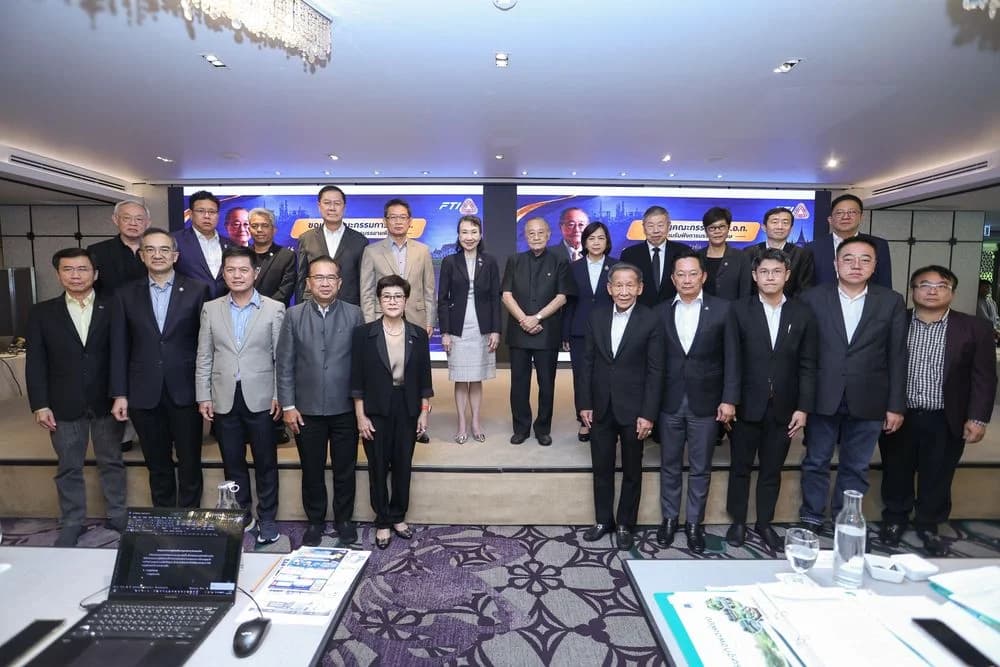

วันที่ 19 มิถุนายน 2567 นายนาวา จันทนสุรคน และ ม.ล.ปีกทอง ทองใหญ่ รองประธานสภาอุตสาหกรรมแห่งประเทศไทย (ส.อ.ท.) ร่วมเปิดเผยผลการสำรวจดัชนีความเชื่อมั่นภาคอุตสาหกรรมในเดือนพฤษภาคม 2567 อยู่ที่ระดับ 88.5 ปรับตัวลดลงจาก 90.3 ในเดือนเมษายน 2567 เมื่อพิจารณาองค์ประกอบของดัชนีฯ พบว่า ปรับตัวลดลงทุกองค์ประกอบ ทั้งยอดขายโดยรวม ยอดคำสั่งซื้อโดยรวม ปริมาณการผลิต ต้นทุนประกอบการและผลประกอบการ ทั้งนี้ความเชื่อมั่นภาคอุตสาหกรรมที่ปรับตัวลดลงเป็นผลมาจากกำลังซื้อในประเทศที่ยังเปราะบาง
ม.ล.ปีกทอง ทองใหญ่ และนายนาวา จันทนสุรคน รองประธานสภาอุตสาหกรรมแห่งประเทศไทย (ส.อ.ท.) ร่วมเปิดเผยผลการสำรวจดัชนีความเชื่อมั่นภาคอุตสาหกรรมในเดือนพฤษภาคม 2567 อยู่ที่ระดับ 88.5 ปรับตัวลดลงจาก 90.3 ในเดือนเมษายน 2567 เมื่อพิจารณาองค์ประกอบของดัชนีฯ พบว่า ปรับตัวลดลงทุกองค์ประกอบ ทั้งยอดขายโดยรวม ยอดคำสั่งซื้อโดยรวม ปริมาณการผลิต ต้นทุนประกอบการและผลประกอบการ ทั้งนี้ความเชื่อมั่นภาคอุตสาหกรรมที่ปรับตัวลดลงเป็นผลมาจากกำลังซื้อในประเทศที่ยังเปราะบาง เนื่องจากเศรษฐกิจยังมีความไม่แน่นอนรวมถึงปัญหาหนี้ครัวเรือนที่ยังอยู่ในระดับสูงและสัดส่วนหนี้เสีย (NPLs) ที่ปรับตัวสูงขึ้น ส่งผลให้การบริโภคสินค้าชะลอลง ขณะที่ราคาน้ำมันเชื้อเพลิงที่ปรับตัวสูงขึ้น ส่งผลกระทบต่อต้นทุนการผลิต รวมถึงอัตราค่าระวางเรือที่เพิ่มสูงขึ้นเนื่องจากปัญหาการขาดแคลนเรือขนส่งสินค้าและตู้คอนเทนเนอร์ที่หมุนเวียนไม่ทัน เนื่องจากระยะเวลาขนส่งที่นานขึ้น ซึ่งเป็นผลมาจากปัญหาทางภูมิรัฐศาสตร์ (Geopolitics) ตลอดจนผู้ประกอบการยังได้รับผลกระทบจากสินค้าราคาถูกจากต่างประเทศที่เข้ามาแข่งขันในไทยและอาเซียนมากขึ้น ทำให้สินค้าไทยแข่งขันได้ยาก รวมถึงสภาพอากาศที่แปรปรวนจากการเปลี่ยนแปลงของสภาพภูมิอากาศ ส่งผลกระทบต่อสินค้าเกษตร
อย่างไรก็ตาม ในเดือนพฤษภาคม ยังมีปัจจัยสนับสนุนจากความต้องการสินค้าในช่วงเปิด
ภาคเรียนปีการศึกษา 2567 อาทิ เครื่องนุ่งห่ม รองเท้า หนังและผลิตภัณฑ์หนัง รวมทั้งการพิมพ์และ
บรรจุภัณฑ์ ขณะเดียวกันวิกฤตความมั่นคงทางด้านอาหารในหลายประเทศ ส่งผลดีต่อการส่งออกสินค้าอาหารของไทย นอกจากนี้ผู้ประกอบการส่งออกยังได้รับอานิสงส์จากเงินบาทอ่อนค่า ซึ่งเคลื่อนไหวอยู่ที่ 36 – 37 บาทต่อดอลลาร์สหรัฐ
จากการสำรวจผู้ประกอบการ 1,329 ราย ครอบคลุม 46 กลุ่มอุตสาหกรรมของ สภาอุตสาหกรรมแห่งประเทศไทย (ส.อ.ท.) ในเดือนพฤษภาคม 2567 พบว่าปัจจัยที่ผู้ประกอบการมีความกังวลเพิ่มขึ้น ได้แก่ ราคาน้ำมัน ร้อยละ 61.3 เศรษฐกิจในประเทศ ร้อยละ 59.9 สถานการณ์การเมืองในประเทศ ร้อยละ 43.1 ตามลำดับ ปัจจัยที่มีความกังวลลดลง ได้แก่ เศรษฐกิจโลก ร้อยละ 66.2 อัตราดอกเบี้ยเงินกู้ ร้อยละ 60.9 อัตราแลกเปลี่ยน (มุมมองผู้ส่งออก) โดยอัตราแลกเปลี่ยนอ้างอิงค่าเงินบาทเทียบกับดอลลาร์สหรัฐฯ ร้อยละ 35.7 ตามลำดับ
ขณะที่ดัชนีฯ คาดการณ์ 3 เดือนข้างหน้า อยู่ที่ระดับ 95.7 ปรับตัวลดลง จาก 98.3 ในเดือนเมษายน 2567 โดยมีปัจจัยเสี่ยงจากปัญหา Geopolitics ในตะวันออกกลาง ส่งผลให้เกิดความ
ผันผวนของราคาน้ำมันในตลาดโลก และเกิดความล่าช้าในการขนส่งสินค้าระหว่างประเทศ ตลอดจนสงครามการค้าระหว่างสหรัฐฯ และจีนรอบใหม่ที่มีแนวโน้มรุนแรงขึ้น ขณะที่ผู้ประกอบการ SMEs มีความกังวลต่อนโยบายการปรับขึ้นค่าจ้างขั้นต่ำ 400 บาท ทั่วประเทศ อย่างไรก็ตาม ยังมีปัจจัยบวกจากการเร่งเบิกจ่ายงบประมาณภาครัฐ ปี 2567 ภายหลังจาก พ.ร.บ.ประกาศใช้ ซึ่งคาดว่าจะช่วยกระตุ้นเศรษฐกิจในช่วงที่เหลือของปี รวมถึงมาตรการยกเว้นวีซ่าให้กับนักท่องเที่ยวในหลายประเทศ และมาตรการภาษีกระตุ้นการท่องเที่ยวเมืองรอง ตลอดจนการสนับสนุนให้อบรมสัมมนาจังหวัดเมืองรอง เพื่อกระตุ้นเศรษฐกิจช่วงโลว์ซีซั่น
ข้อเสนอแนะต่อภาครัฐ
เสนอให้ภาครัฐออกมาตรการบรรเทาผลกระทบจากราคาพลังงานที่ปรับตัวสูงขึ้น โดยเฉพาะราคาน้ำมันและก๊าซ
เสนอให้ภาครัฐเร่งแก้ไขปัญหาการขาดแคลนเรือขนส่งสินค้าและตู้คอนเทนเนอร์ที่หมุนเวียนไม่ทันเนื่องจากระยะเวลาขนส่งที่นานขึ้น ซึ่งเป็นผลมาจากสถานการณ์ความตึงเครียดในตะวันออกกลาง
ส่งเสริมให้ผู้ประกอบการ SMEs เข้าถึงแหล่งเงินทุนเพื่อช่วยพัฒนาและต่อยอดธุรกิจ รวมถึงปรับปรุงเงื่อนไขและกฎระเบียบต่างๆ เพื่อให้เข้าถึงสินเชื่อได้ง่ายขึ้น ตลอดจนการปรับโครงสร้างหนี้เพื่อช่วยให้ธุรกิจสามารถเดินหน้าต่อไปได้
เสนอให้ภาครัฐออกมาตรการส่งเสริมการซื้อสินค้าและบริการที่เกี่ยวข้องกับซอฟต์พาวเวอร์ของไทย โดยเฉพาะอาหารไทย เครื่องนุ่งห่มและสินค้ากีฬา เป็นต้น
ทั้งนี้ ส.อ.ท. ได้ทำการรวบรวมข้อมูลผลการสำรวจดัชนีความเชื่อมั่นภาคอุตสาหกรรม และข้อมูลตัวชี้วัดทางเศรษฐกิจและอุตสาหกรรมจากหน่วยงานต่างๆ ย้อนหลัง 3 ปี จัดทำเป็น Dashboard เผยแพร่ในเว็บไซต์ศูนย์ข้อมูลภาคเศรษฐกิจและอุตสาหกรรม Industry Data Space (iDS) ของ ส.อ.ท. เพื่ออำนวยความสะดวกให้แก่ผู้ประกอบการและบุคคลทั่วไปให้สามารถเข้าถึงข้อมูลที่เป็นประโยชน์ในการดำเนินธุรกิจ โดยสามารถเข้าไปใช้บริการข้อมูลดังกล่าวได้ที่ www.fti.or.th/ids
ส.อ.ท. มุ่ง “เสริมสร้างความเข้มแข็งให้อุตสาหกรรมไทย เพื่อประเทศไทยที่เข้มแข็งกว่าเดิม (Strengthen Thai Industries for Stronger Thailand)”
.……………………………………………………………………………….
เผยแพร่โดย ฝ่ายสื่อสารองค์กร สภาอุตสาหกรรมแห่งประเทศไทย (โทร. 0-2345-1013)
จัดทำข้อมูลโดย ฝ่ายเศรษฐกิจและวิชาการ สภาอุตสาหกรรมแห่งประเทศไทย (โทร. 0-2345-1111)
On June 19, 2024, Mr. Nava Chanthanasurakhan and M.L. Piketthong Thongyai, Vice Presidents of the Federation of Thai Industries (FTI), jointly revealed that the industrial confidence index for May 2024 stood at 88.5, a decrease from 90.3 in April 2024. Considering the components of the index, it showed a decline in all areas, including overall sales, overall orders, production volume, operational costs, and profitability. This decline in industrial confidence is attributed to the still fragile domestic purchasing power.
M.L. Piketthong Thongyai and Mr. Nava Chanthanasurakhan, Vice Presidents of the Federation of Thai Industries (FTI), jointly revealed that the industrial confidence index for May 2024 stood at 88.5, a decrease from 90.3 in April 2024. Considering the components of the index, it showed a decline in all areas, including overall sales, overall orders, production volume, operational costs, and profitability. This decline in industrial confidence is due to the domestic purchasing power still being fragile, as the economy remains uncertain, along with high household debt levels and increasing non-performing loans (NPLs), leading to a slowdown in consumer spending. Additionally, rising fuel prices have impacted production costs, as well as increased shipping freight rates due to a shortage of cargo ships and containers, compounded by prolonged shipping times resulting from geopolitical issues. Furthermore, businesses have been affected by the influx of cheap imported goods competing in Thailand and ASEAN, making it difficult for Thai products to compete, alongside the adverse impacts of climate change affecting agricultural products.
However, in May, there were still supporting factors from the demand for goods during the opening of the academic year 2024, such as clothing, shoes, leather products, and packaging. Meanwhile, the food security crisis in several countries has benefited Thai food exports. Additionally, exporters have enjoyed the advantage of a depreciating Thai baht, which is trading at 36-37 baht to the US dollar.
From a survey of 1,329 entrepreneurs covering 46 industrial groups under the Federation of Thai Industries (FTI) in May 2024, it was found that concerns among entrepreneurs have increased regarding various factors, including oil prices at 61.3%, the domestic economy at 59.9%, and the political situation in the country at 43.1%. In contrast, concerns have decreased regarding the global economy at 66.2%, borrowing interest rates at 60.9%, and exchange rates (exporters' perspective), where the reference exchange rate for the Thai baht to the US dollar stood at 35.7%.
Meanwhile, the three-month forecast index is at 95.7, showing a decrease from 98.3 in April 2024 with risk factors arising from geopolitical issues in the Middle East, leading to volatility in oil prices in the global market and delays in international shipping, along with an intensifying new trade war between the US and China. SMEs are particularly worried about the national minimum wage policy set at 400 baht throughout the country. However, there are positive factors such as accelerated government budget disbursement for the year 2024 after the announcement of the Act, which is expected to stimulate the economy for the remainder of the year, alongside the visa exemption measures for tourists from many countries and tax incentives to promote tourism in secondary cities, as well as supporting workshops and seminars in secondary cities to boost the economy during the low season.
Recommendations for the Government
It is recommended that the government implement measures to alleviate the impacts of rising energy prices, particularly oil and gas prices. It is further recommended that the government expedite solutions to the shortage of shipping vessels and containers that are unable to circulate due to prolonged shipping times resulting from tensions in the Middle East. Support should be given to SMEs to access funding sources to help develop and expand businesses, as well as improve terms and regulations to facilitate easier access to credit, including debt restructuring to help businesses continue operations. Furthermore, it is suggested that the government promote the purchase of goods and services related to Thai soft power, particularly Thai food, clothing, and sports products.
In addition, the FTI has compiled data from the industrial confidence index survey and economic and industrial indicators from various agencies over the past three years, creating a dashboard published on the Industry Data Space (iDS) website of the FTI to facilitate entrepreneurs and the general public in accessing useful business information, which can be accessed at www.fti.or.th/ids.
The FTI aims to "Strengthen Thai Industries for a Stronger Thailand."
.……………………………………………………………………………….
Published by the Corporate Communications Division of the Federation of Thai Industries (Tel. 0-2345-1013)
Information compiled by the Economic and Academic Division of the Federation of Thai Industries (Tel. 0-2345-1111)