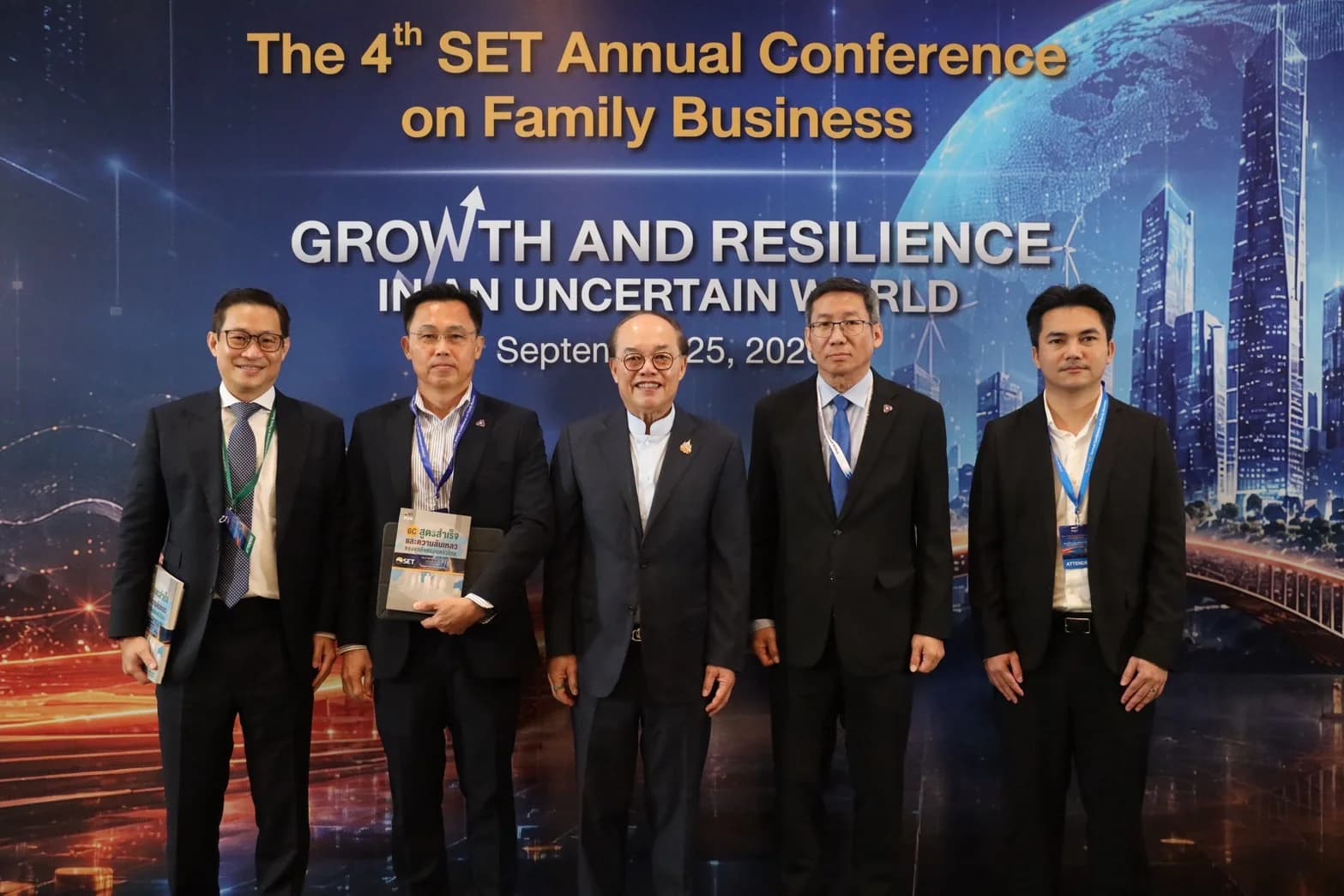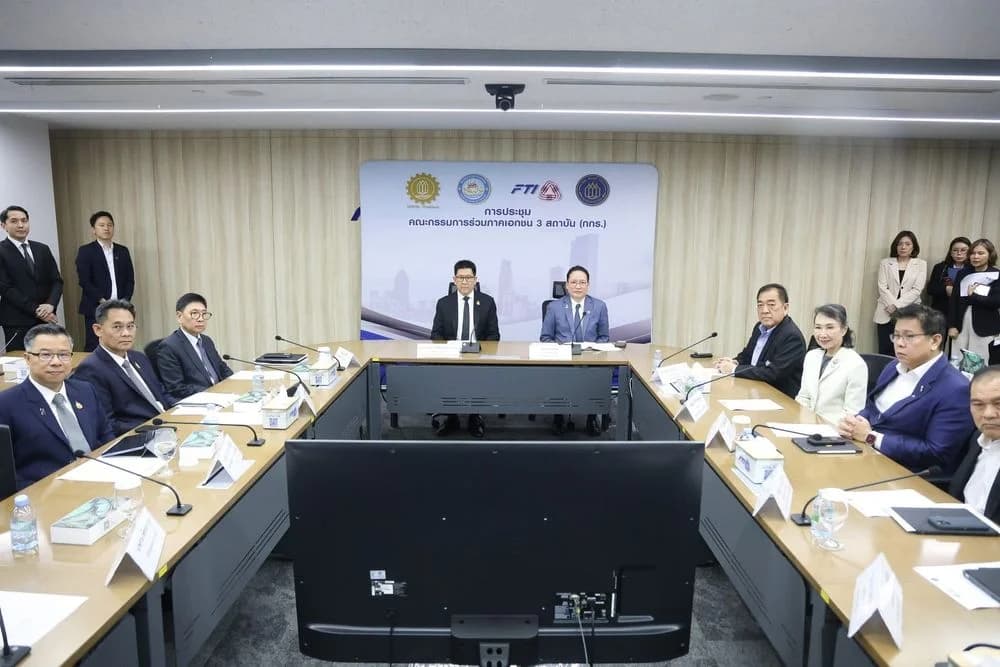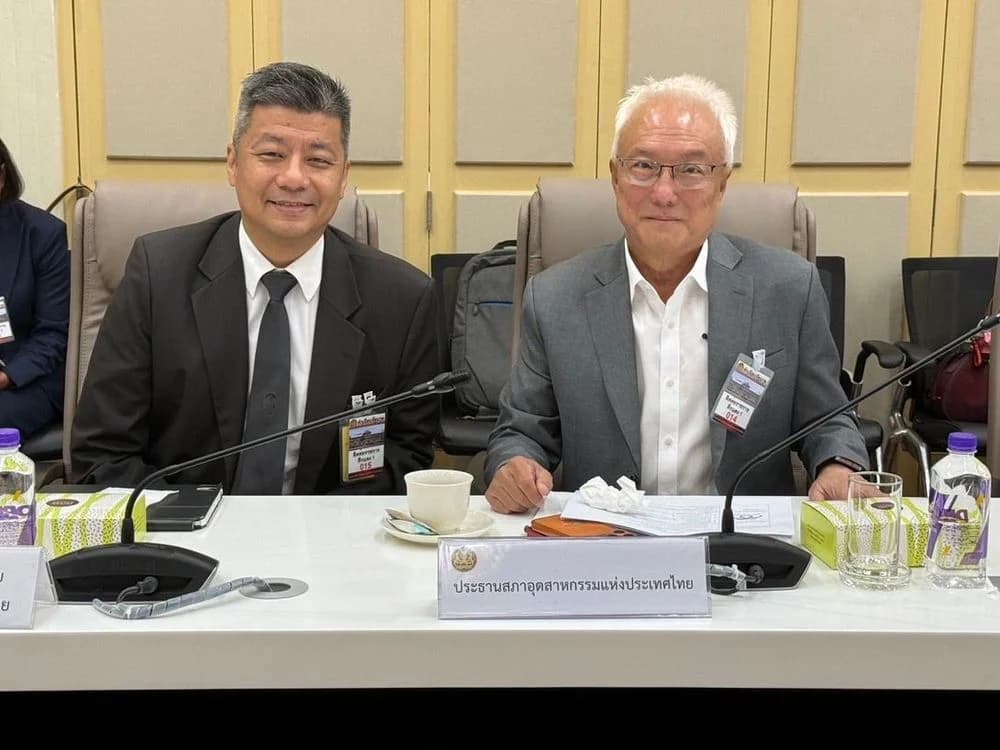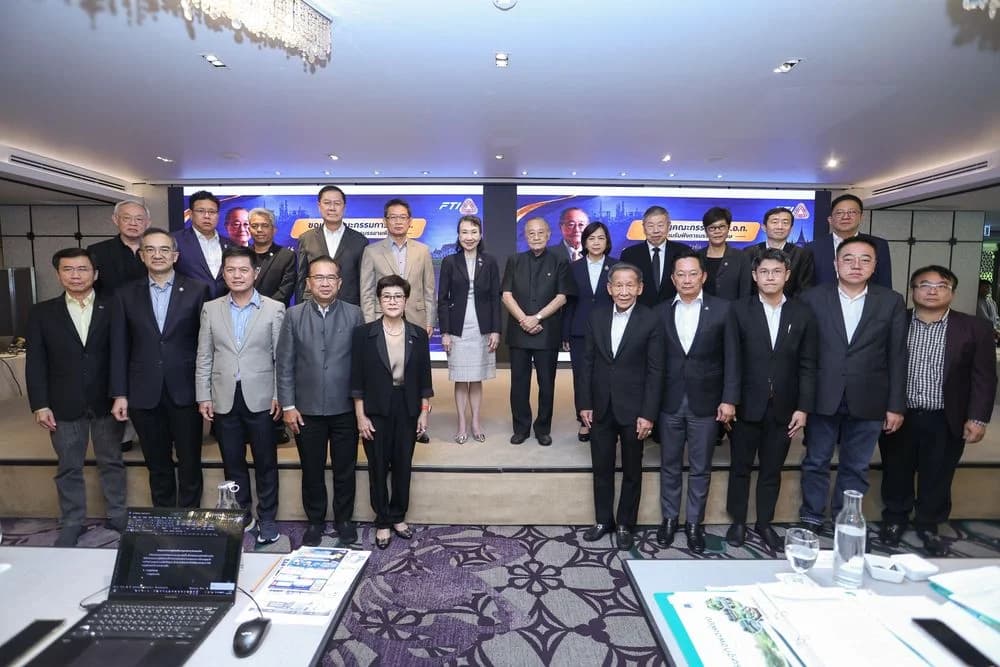

วันพุธที่ 3 กรกฎาคม 2567 นายผยง ศรีวณิช ประธานสมาคมธนาคารไทย เป็นประธานการประชุมคณะกรรมการร่วมภาคเอกชน 3 สถาบัน (กกร.) โดยมีนายทวี ปิยะพัฒนา รองประธานอาวุโส สภาอุตสาหกรรมแห่งประเทศไทย (ส.อ.ท.) และดร.พจน์ อร่ามวัฒนานนท์ รองประธานกรรมการ สภาหอการค้าแห่งประเทศไทย ร่วมในการแถลงข่าว
การค้าโลกมีแนวโน้มชะลอตัว ขณะที่ต้นทุนและระยะเวลาการขนส่งเพิ่มขึ้น การค้าโลกชะลอตัวตลอดไตรมาสที่ 2 และคาดว่าจะต่อเนื่อง เป็นผลจากความขัดแย้งด้านภูมิรัฐศาสตร์ในตะวันออกกลางที่รุนแรงมากขึ้น นอกจากนี้ ผู้ประกอบการบางส่วนเร่งสั่งซื้อสินค้าก่อนมาตรการขึ้นภาษีของสหรัฐฯต่อจีนมีผลภายในปีนี้ ส่งผลให้ค่าระวางเรือล่าสุดปรับตัวขึ้น 95% เมื่อเทียบจากเดือน เม.ย. 67 ขณะที่ใช้ระยะเวลาในการขนส่งนานขึ้นตามภาวะขนส่งคับคั่งและขาดแคลนตู้คอนเทนเนอร์ สิ่งเหล่านี้ถือเป็นปัจจัยลบเพิ่มเติมต่อภาคการผลิตและการส่งออกของโลกในระยะข้างหน้า
การส่งออกไทยเผชิญความเสี่ยงจากสงครามการค้าของสหรัฐฯ-จีน การขึ้นภาษีของสหรัฐฯต่อสินค้าจีนรอบใหม่อาจกระทบสินค้าส่งออกไทยที่เป็นห่วงโซ่อุปทานให้แก่จีน ซึ่งประเมินว่าสินค้าเหล่านี้คิดเป็นสัดส่วน 19.5% ของมูลค่าการส่งออกทั้งหมดไปจีน โดยสินค้าที่มีความเสี่ยงได้รับผลกระทบมาก เช่น ยางแผ่น ยางแท่ง เม็ดพลาสติกและเคมีภัณฑ์ เป็นต้น อย่างไรก็ดีอาจมีปัจจัยบวกชั่วคราวจากการเร่งสั่งซื้อสินค้าและการปรับเปลี่ยนมาส่งออกจากไทย คาดว่ามูลค่าการส่งออกทั้งปีปรับดีขึ้นเล็กน้อย แต่ยังมีประเด็นฉุดรั้งจากเรื่องต้นทุนจากการขาดแคลนเรือและตู้คอนเทนเนอร์ รวมถึงระยะเวลาการขนส่งที่เพิ่มขึ้น กกร. จึงปรับกรอบการเติบโตของการส่งออกเป็น 0.8-1.5% จากเดิม 0.5-1.5%
การชะลอตัวของอุตสาหกรรมยานยนต์และอสังหาฯ กระทบภาพรวมเศรษฐกิจไทย อุปสงค์ในประเทศยังเปราะบางโดยเฉพาะอุตสาหกรรมที่มีความสำคัญต่อเศรษฐกิจสูง อย่างยานยนต์และอสังหาฯ โดยยอดจำหน่ายรถยนต์ในช่วง 5 เดือนแรกหดตัว 24% ส่วนหนึ่งมาจากผู้บริโภคมีรายได้จากเศรษฐกิจนอกระบบเป็นสัดส่วนสูง ส่วนยอดโอนอสังหาฯ 4 เดือนแรกสำหรับบ้านจัดสรรหดตัว 11.8% และอาคารชุดหดตัว 7.4% ซึ่งหากอุตสาหกรรมยานยนต์และอสังหาฯ มีแนวโน้มหดตัวมากขึ้นอาจจะกระทบทำให้ GDP ปีนี้ลดลงกว่าที่คาดไว้ 0.3-0.4%
กรอบประมาณการเศรษฐกิจปี 2567 ของ กกร.
(ณ พ.ค. 67) ปี 2567
GDP 2.2 ถึง 2.7
ส่งออก 0.5 ถึง 1.5
เงินเฟ้อ 0.5 ถึง 1.0
(ณ มิ.ย. 67) ปี 2567
GDP 2.2 ถึง 2.7
ส่งออก 0.5 ถึง 1.5
เงินเฟ้อ 0.5 ถึง 1.0
(ณ ก.ค. 67) ปี 2567
GDP 2.2 ถึง 2.7
ส่งออก 0.8 ถึง 1.5
เงินเฟ้อ 0.5 ถึง 1.0
ที่ประชุมมีความกังวลต่อปัญหาการขนส่งทางเรือและการขาดแคลนตู้คอนเทนเนอร์ ซึ่งจะเป็นปัจจัยลบเพิ่มเติมและจำกัดความสามารถในการส่งออกของไทยที่อยู่ในภาวะเติบโตต่ำ ขอให้ภาครัฐมีมาตรการหรือแนวทางเร่งด่วนเพื่อรับมือกับสถานการณ์การขาดแคลนตู้คอนเทนเนอร์ที่มีแนวโน้มลากยาวตลอดช่วงที่เหลือของปี รวมถึงลดผลกระทบที่อาจเกิดขึ้นกับภาคการผลิตจากการชะงักงันของห่วงโซ่อุปทาน นอกจากนี้ที่ประชุม ยังมีความกังวลถึงต้นทุนด้านพลังงาน โดยในการพิจารณาปรับแผนพัฒนากำลังการผลิตไฟฟ้าของประเทศ พ.ศ. 2567-2580 (PDP2024 ) และแผนปฏิบัติการด้านพลังงานทดแทนและพลังงานทางเลือก พ.ศ. 2567-2580 (AEDP 2024) ที่อยู่ระหว่างการทบทวนขอให้คำนึงถึงประเด็นเรื่องต้นทุนของผู้ประกอบการในระยะยาว และการปรับให้น้ำมัน E20 เป็นน้ำมันพื้นฐานแทน E10 และขอให้มีกลไกจัดการเพื่อให้ผลประโยชน์อยู่กับเกษตรกรไทยอย่างแท้จริง
จากการที่ กกร.จังหวัด ทั่วประเทศได้มีการประชุมหารือผู้แทนในคณะอนุกรรมการค่าจ้างขั้นต่ำรายจังหวัด (ไตรภาคีระดับจังหวัด) เกี่ยวกับนโยบายการปรับค่าแรงขั้นต่ำ และได้แสดงความกังวลต่อผลกระทบจากการปรับขึ้นค่าแรงขั้นต่ำ 400 บาท/วัน ทั่วประเทศ ซึ่งจะส่งผลกระทบต่อผู้ประกอบการ SME ในภาคเกษตรและบริการไม่สามารถดำเนินธุรกิจได้ เนื่องจากไม่สามารถแบกรับต้นทุนที่เพิ่มขึ้นได้ ประกอบการภาวะเศรษฐกิจในพื้นที่ที่ชะลอตัวต่อเนื่องทำให้ส่งกระทบต่อรายได้ในช่วงที่ผ่านมา จึงได้ให้ความเห็นกับคณะกรรมการไตรภาคีระดับจังหวัด ให้ค่าแรงที่ปรับมีความเหมาะสมกับแต่ละพื้นที่ ทั้งนี้ ที่ประชุม กกร. เน้นย้ำถึงความสำคัญในการใช้กลไกของคณะอนุกรรมการค่าจ้างขั้นต่ำรายจังหวัด (ไตรภาคี) ในการพิจารณาค่าแรงขั้นต่ำ โดยพิจารณาให้สอดคล้องกับสภาพเศรษฐกิจในพื้นที่
นอกจากนี้ กกร. ได้ให้ความสำคัญกับการจ่ายค่าจ้างตามมาตรฐานฝีมือ (Competency Based Pay) ด้วยความร่วมมือเชิงรุกจากภาคนายจ้าง ลูกจ้าง และหน่วยงานภาครัฐที่เกี่ยวข้อง รวมทั้งการเร่ง Upskill, Reskill ให้แรงงานไทยมีทักษะฝีมือตามมาตรฐาน โดย กกร. จะร่วมมือกับกรมพัฒนาฝีมือแรงงาน กระทรวงแรงงาน เพื่อดำเนินการสนับสนุน โดยปัจจุบันกระทรวงแรงงานได้มีการกำหนดมาตรฐานทักษะฝีมือแรงงานแล้ว จำนวน 279 สาขา และมีการกำหนดอัตราค่าจ้างตามทักษะมาตรฐานฝีมือแรงงานแล้ว จำนวน 129 สาขา ซึ่งสามารถเป็นกลไกในการพิจารณาปรับขึ้นค่าแรงตามทักษะแทนการพิจารณาปรับค่าจ้างขั้นต่ำ รวมถึงจะเป็นระบบที่สามารถรับรองทักษะแรงงาน ตอบโจทย์เทคโนโลยีและบริบทของธุรกิจที่เปลี่ยนไป ยกระดับรายได้ให้แก่แรงงาน เพื่อคุณภาพชีวิตที่ดีอย่างยั่งยืน และเพิ่มขีดความสามารถในการแข่งขัน (Productivity) ให้แก่ประเทศ
On Wednesday, July 3, 2024, Mr. Payong Srivanit, President of the Thai Bankers' Association, chaired the meeting of the Joint Committee of the Private Sector from 3 Institutions (JCC), which was attended by Mr. Thavee Piyapattana, Senior Vice President of the Federation of Thai Industries (FTI), and Dr. Poj Aramwattananon, Vice President of the Thai Chamber of Commerce, who jointly attended the press conference.
Global trade is expected to slow down as costs and shipping times increase. Global trade slowed throughout the second quarter and is anticipated to continue due to escalating geopolitical conflicts in the Middle East. In addition, some operators are accelerating orders before the U.S. tax measures on China come into effect within this year, resulting in shipping rates increasing by 95% compared to April 2024, while shipping times have lengthened due to congestion and a shortage of containers. These aspects pose additional negative factors for global production and exports in the near future.
Thai exports are facing risks from the U.S.-China trade war. The new round of U.S. tariffs on Chinese goods may impact Thai exports that are part of the supply chain for China, which is estimated at 19.5% of the total export value to China. High-risk products include sheet rubber, block rubber, plastic pellets, and chemicals. However, there may be temporary positive factors from accelerated ordering and adjustment to exporting from Thailand. It is expected that the annual export value will slightly improve, but still hindered by costs from a shortage of ships and containers, along with increased shipping times. As a result, the JCC has adjusted the export growth framework to 0.8-1.5% from the previous 0.5-1.5%.
The slowdown in the automotive and real estate industries is affecting the overall Thai economy. Domestic demand remains fragile, particularly in industries vital to the economy such as automotive and real estate. Car sales in the first five months have contracted by 24%, partly due to consumers relying on income from the informal economy. Meanwhile, transfers in the real estate sector for housing developments have contracted by 11.8%, and condominiums by 7.4%. Should the automotive and real estate industries continue to contract, it could lead to a GDP decline of 0.3-0.4% compared to previous forecasts.
Economic projection framework for 2024 by the JCC
(as of May 2024) Year 2024
GDP 2.2 to 2.7
Exports 0.5 to 1.5
Inflation 0.5 to 1.0
(as of June 2024) Year 2024
GDP 2.2 to 2.7
Exports 0.5 to 1.5
Inflation 0.5 to 1.0
(as of July 2024) Year 2024
GDP 2.2 to 2.7
Exports 0.8 to 1.5
Inflation 0.5 to 1.0
The meeting expressed concerns regarding shipping issues and the shortage of containers, which will further hinder Thailand's export capabilities amidst low growth conditions. It urged the government to take urgent measures or strategies to address the ongoing container shortage expected to persist throughout the remainder of the year, as well as to mitigate impacts that may arise on production due to supply chain disruptions. Additionally, the meeting highlighted concerns over energy costs. In considering revisions to the Power Development Plan 2024-2030 (PDP2024) and the Action Plan for Renewable Energy and Alternative Energy 2024-2030 (AEDP 2024) under review, it is requested that the cost implications for operators in the long term be taken into account, along with adjusting E20 oil to be a base fuel instead of E10 and ensuring mechanisms are in place to genuinely benefit Thai farmers.
JCC provincial committees across the nation have been holding discussions with representatives on the provincial tripartite sub-committee regarding minimum wage policy adjustments. Concerns have been raised regarding the impact of the nationwide minimum wage increase to 400 Baht per day, which will significantly affect SME operators in the agriculture and service sectors who may be unable to sustain operations due to increased costs. Given the ongoing sluggish economic conditions affecting revenues, their comments have been directed to the provincial tripartite committee to ensure minimum wage adjustments are appropriate for each locality. The JCC meeting emphasized the importance of utilizing the tripartite sub-committee mechanism to review minimum wage rates in alignment with local economic conditions.
Moreover, the JCC has placed importance on competency-based pay with proactive cooperation from employers, employees, and relevant government agencies, including the urgency to upskill and reskill the Thai workforce to meet skill standards. The JCC will collaborate with the Department of Skill Development under the Ministry of Labor to support this initiative. Currently, the Ministry of Labor has established skill standards in 279 fields and has defined wage rates according to skill standards in 129 fields. This can serve as a mechanism for wage adjustments based on skill levels instead of simply increasing the minimum wage. Furthermore, it will create a system to certify labor skills, addressing the needs of changing technologies and business contexts, improving worker income for sustainable quality of life, and enhancing national productivity.