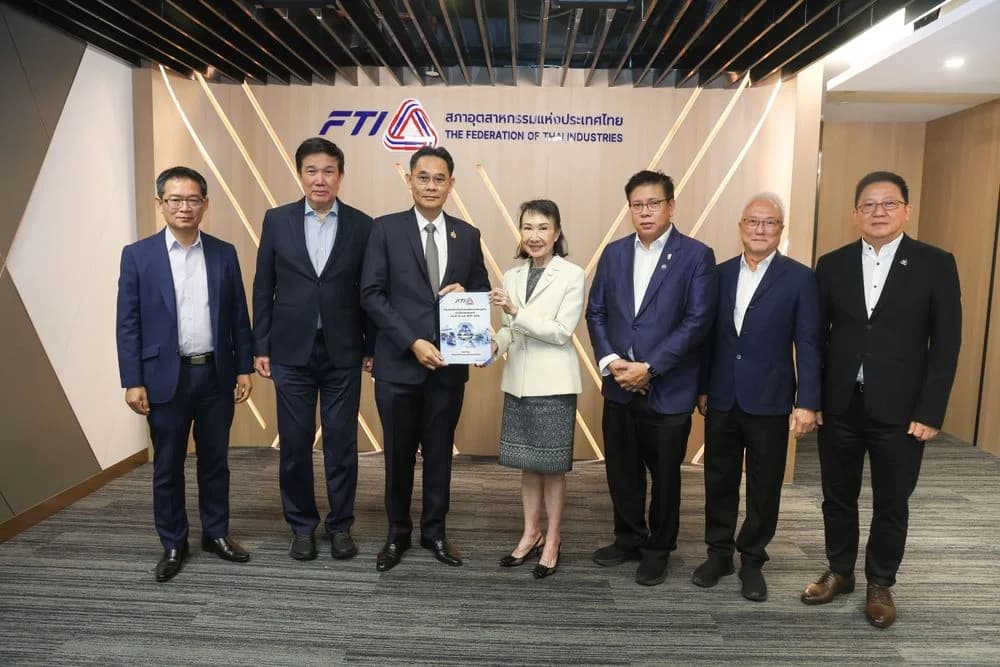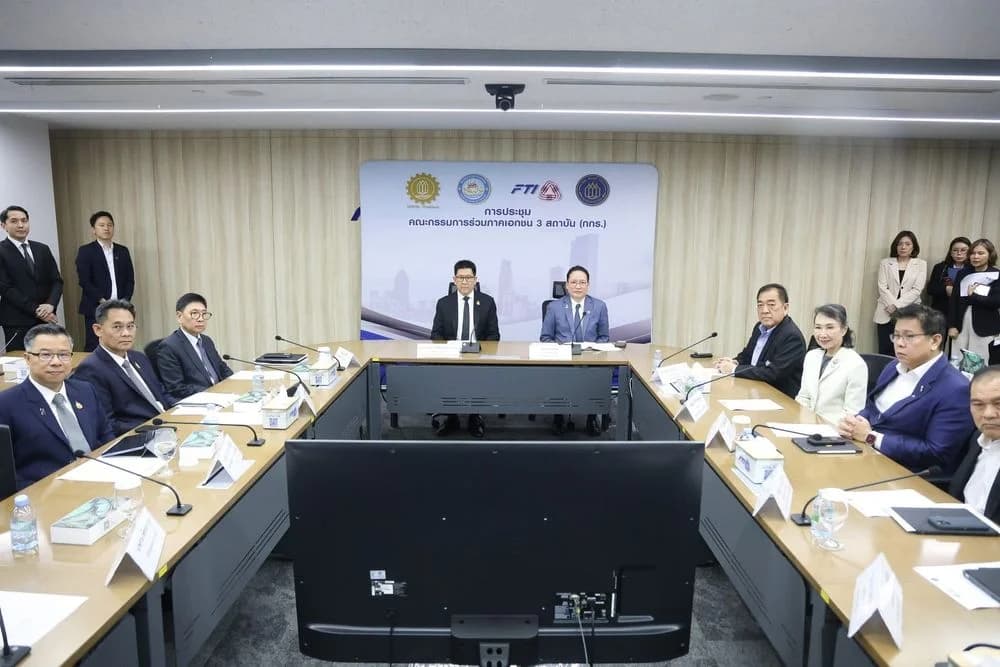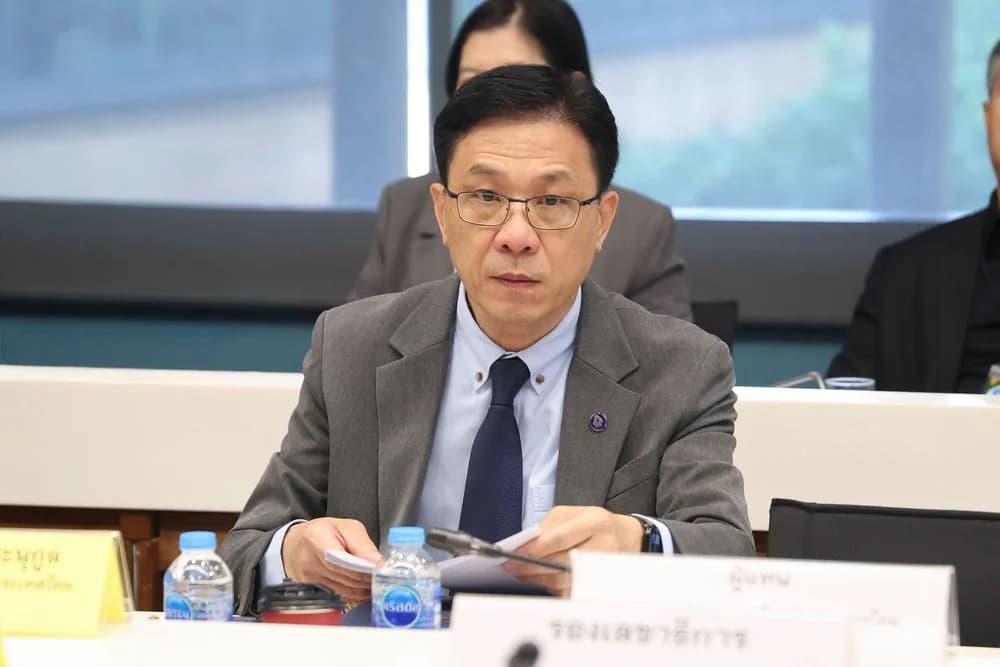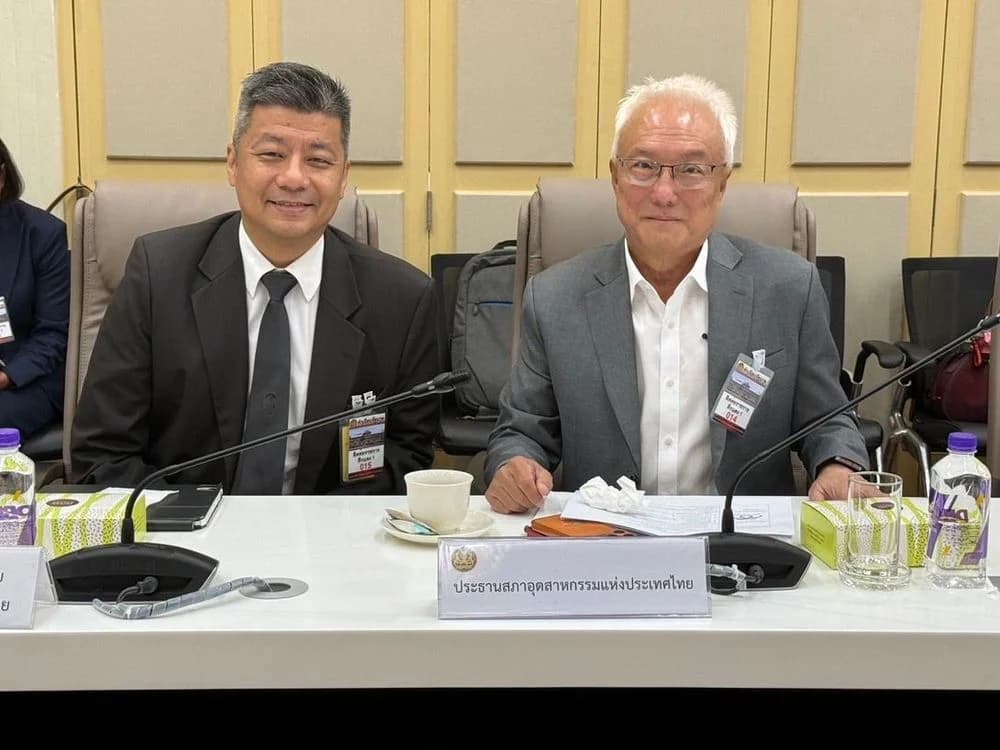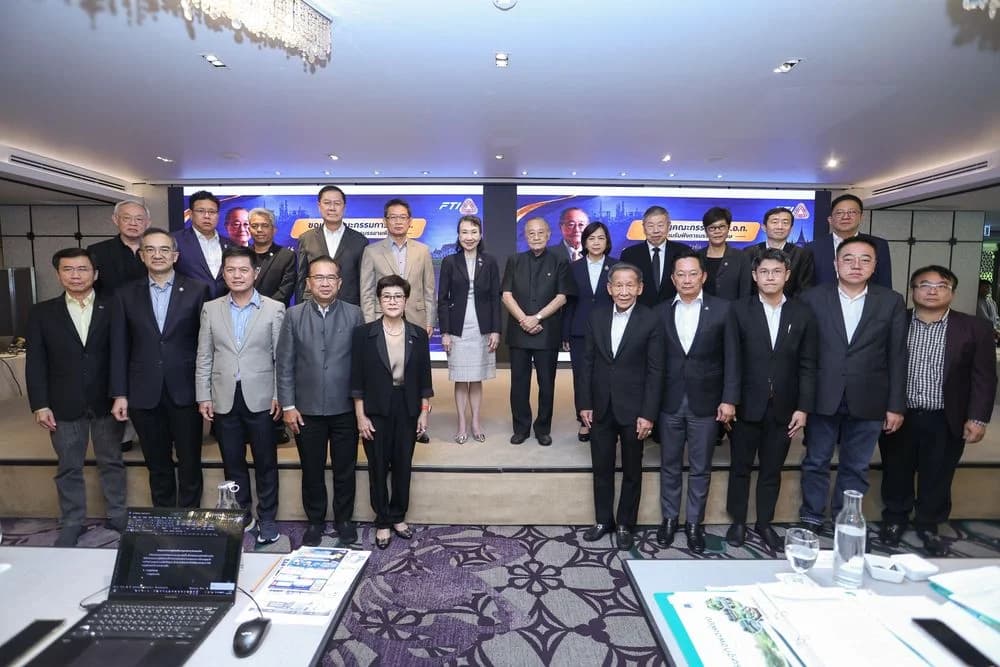
เมื่อวันอังคารที่ 9 กรกฎาคม 2567 นายเกรียงไกร เธียรนุกุล ประธานสภาอุตสาหกรรมแห่งประเทศไทย (ส.อ.ท.) พร้อมด้วยกรรมการบริหาร ส.อ.ท. ให้การต้อนรับนางสาวพิมพ์ภัทรา วิชัยกุล รัฐมนตรีว่าการกระทรวงอุตสาหกรรมและผู้บริหารจากกระทรวงอุตสาหกรรม เพื่อหารือแนวทางในการขับเคลื่อนภาคอุตสาหกรรม และยกระดับขีดความสามารถในการแข่งขัน ณ ส.อ.ท.
นางสาวพิมพ์ภัทรา มีนโยบายเพิ่มความสามารถในการผลิต (Productivity) และปรับโครงสร้างภาคอุตสาหกรรมให้เหมาะสมกับการประกอบธุรกิจ ผ่านการให้ความรู้ ควบคู่ไปกับแหล่งเงินทุน เพื่อเป้าหมายสู่ Green Productivity
ด้านนายเกรียงไกร ได้เสนอแนวทางขับเคลื่อนที่สอดรับกับนโยบายของกระทรวงอุตสาหกรรม ด้วยนโยบายเร่งยกระดับอุตสาหกรรมเดิม (First Industries) และพัฒนาอุตสาหกรรมใหม่ (Next-GEN Industries) เพื่อเปลี่ยนผ่านอุตสาหกรรมด้วยการผลัก 4 Go ได้แก่
1. Go Digital & AI สนับสนุนโครงการ “DigitalOne” และใช้ AI เข้ามาช่วย
2. Go Innovation ผลักดันเอสเอ็มอี “จิ๋วแต่แจ๋ว” ด้วยนวัตกรรม ผ่านโครงการกองทุน Innovation ONE
3. Go Global ผลักดันผู้ประกอบการเอสเอ็มอีในการผลิตและขายสินค้าไปต่างประเทศ และ
4. Go Green มุ่งขับเคลื่อนธุรกิจสีเขียวที่เป็นมิตรกับสิ่งแวดล้อม
ทั้งนี้ ที่ประชุมเห็นชอบในการจัดตั้งคณะอำนวยการเพื่อขับเคลื่อนเศรษฐกิจภาคอุตสาหกรรม ซึ่งประกอบไปด้วย 4 คณะทำงานย่อย ประกอบด้วย
1. คณะทำงานยกระดับอุตสาหกรรมไทยสู่อนาคต (S-curve & Industry Transformation)
2. คณะทำงานการพัฒนาอุตสาหกรรมด้านเศรษฐกิจหมุนเวียนและการเปลี่ยนแปลงสภาพภูมิอากาศ (Circular Economy and Climate Change)
3. คณะทํางานอำนวยความสะดวกเพื่อเพิ่มขีดความสามารถในการแข่งขัน ในการประกอบกิจการและมาตรฐานของภาคอุตสาหกรรม
4. คณะทำงานพัฒนาผู้ประกอบการ SMEs
นอกจากนี้ ที่ประชุมได้มีการนำเสนอประเด็นปัญหา และอุปสรรคของภาคอุตสาหกรรม อาทิ ปัญหาของการเข้ามาตั้งโรงงานของต่างชาติในอุตสาหกรรมเหล็ก อุตสาหกรรมยานยนต์ไฟฟ้าที่กระทบต่ออุตสาหกรรมชิ้นส่วนยานยนต์ของรถยนต์สันดาป การสนับสนุนสินค้าของไทย (Made in Thailand) การพัฒนาบุคลากรในภาคอุตสาหกรรม (Upskill & Reskill) โดยกระทรวงอุตสาหกรรมได้ดำเนินการผลักดันการแก้ไขปัญหาในช่วงที่ผ่านมา และเป็นโอกาสที่ดีที่จะสร้างความร่วมมือระหว่าง 2 หน่วยงานในการแก้ไขปัญหาร่วมกันต่อไปในอนาคต
On Tuesday, July 9, 2024, Mr. Kriangkrai Tiaranukul, Chairman of the Federation of Thai Industries (FTI), along with the FTI board members, welcomed Ms. Pimpattra Wachayakool, Minister of the Ministry of Industry, and executives from the Ministry of Industry to discuss approaches to drive the industrial sector and enhance competitive capabilities at FTI.
Ms. Pimpattra has policies to increase productivity and restructure the industrial sector to suit business operations by providing knowledge alongside financial sources for the goal towards Green Productivity.
Mr. Kriangkrai proposed a driving approach that aligns with the Ministry of Industry's policy through accelerated enhancement of existing industries (First Industries) and the development of new industries (Next-GEN Industries) to transition the industry by pushing 4 Go, which includes:
1. Go Digital & AI supporting the “DigitalOne” project and utilizing AI assistance.
2. Go Innovation promoting the “small but mighty” SMEs through the Innovation ONE fund project.
3. Go Global promoting SME operators to produce and sell goods abroad.
4. Go Green focusing on driving green businesses that are environmentally friendly.
The meeting also approved the establishment of a steering committee to drive the industrial sector economy, consisting of 4 sub-committees, which include:
1. The sub-committee for elevating Thai industry to the future (S-curve & Industry Transformation)
2. The sub-committee for developing industries concerning the circular economy and climate change.
3. The sub-committee for facilitating increased competitive capabilities in business operations and industrial standards.
4. The sub-committee for developing SMEs.
In addition, the meeting presented issues and obstacles facing the industrial sector, such as problems regarding the establishment of foreign factories in the steel industry and the electric vehicle industry, which impact the automotive parts sector of combustion engine vehicles, support for Thai products (Made in Thailand), and workforce development in the industrial sector (Upskill & Reskill). The Ministry of Industry has been addressing these issues in recent times and sees this as a good opportunity to create cooperation between the two agencies to jointly solve problems in the future.